
Hot, tasty, and comforting, soups, casseroles, and pies are truly some of the greatest foods around. But June just arrived, and the sun came too! That means it’s time to switch out heavier winter food for lighter, more summery dishes. After all, who wants to eat heavy, hot food when it’s meltingly hot outside?
Summer calls for lighter, fresher food. This is certainly no bad thing: some of the most delicious produce around is available only in the warmer summer months. Get the most out of beautiful, seasonal ingredients by cooking them simply and dressing them lightly. This will allow their natural, beautiful flavours to shine through!
Light food often means salads. I can hear you groaning through your computers – why salad? I hate salad! You couldn’t be more wrong. You’re right: bad salad – think soggy lettuce, badly prepared vegetables, overcooked protein, and too much mayo – is disgusting. But good salad takes individual ingredients and makes them more than the sum of their parts, creating a one-off delicious dish.
There are a few basic rules you should follow if you want to make perfect salads.
- Ditch the mayonnaise for lighter, healthier Greek yoghurt or crème fraiche. With less fat and lots of protein, it’s a health-conscious trade, and will leave your salad with a fresher taste.
- Switch out your greens. Most people hear “salad” and think “lettuce”, but the two don’t have to be synonymous. In fact, lettuce is probably the least nutritious green leaf you could be eating. Its pale colour shows that it is light in vital nutrients compared to darker leafy veggies like spinach and kale. It also has a less intense and less interesting flavour. Switch your lettuce for mixed baby leaves, spinach, kale, cavolo nero, and other dark green for a healthier, tastier salad.
- Push the protein and make your salads instantly more interesting and nutritious. Grilled meat, fresh fish, soft eggs, cheeses, tofu, beans, nuts, and lentils are all fantastic ways to add protein, texture, and colour to your salads. Better still, pair them up: feta and chickpeas are fantastic together, as are baked tofu cubes and black lentils.
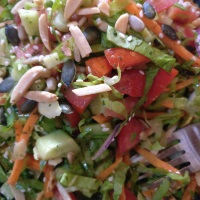
- Use all the veg for a colourful plate of food with a great texture and mouthfeel. Salads can be so much more than just leaves, onions, and cucumber: try adding baked sweet potatoes or roasted tomatoes, raw shredded cabbage or carrot, baby sprouts or soft avocado slices for a more interesting salad.
- Feeling fruity? Maybe this sounds like odd advice for a salad, but adding a little fresh or dried fruit can make a delicious difference to salads. For example, fresh figs, halved grapes, or sliced nectarine will bring a sweet freshness your veggies can’t give you. Apples will give you a delicious, textural crunch, and even a handful of dried cranberries will make all the difference!
- Get grainy to make salads into a main meal instead of a sad side dish. Wild rice, quinoa, buckwheat, wheat berries, barley… the possibilities are limitless! Be careful to store rice carefully – it can cause food poisoning if it’s not kept cold. This is a great way to turn salads into gorgeous gluten free meals as so many whole grains are suitable for coeliacs. Quinoa is a great way to add extra protein, and a mix of red, white, and black seeds will look stunning.
- Picture perfect plus mouthfeel = winner! For beautiful salads that look great, feel good to eat, and are delicious, go for a mixture of bright, carefully prepared fresh produce and interesting textures. Dress carefully – when in doubt, keep it simple with fresh lemon juice and good olive oil.