Search

What is the “Evil Eye” in Jewish Tradition?

The “Evil Eye” has been part of Jewish culture and folklore since ancient times, with some surprising scriptural roots.

Discover its fascinating history and enduring relevance in Jewish life today!

The “Evil Eye” (Ayin Hara, עַיִן הָרָע) has captivated Jews for centuries, from biblical warnings to modern-day rituals.

In Jewish tradition, the Evil Eye refers to a malevolent gaze that can bring misfortune, harm, or bad luck. It is based on the belief that envy or excessive praise without invoking blessings can attract negative spiritual forces.

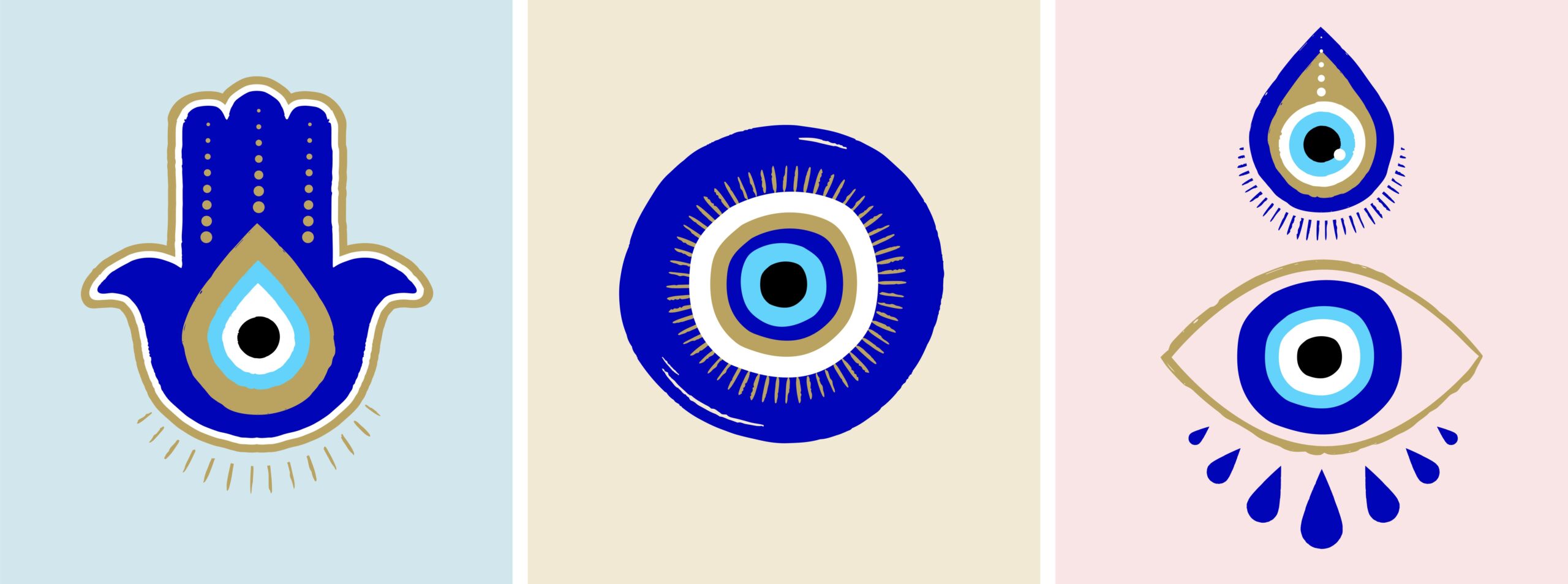
Beliefs and superstitions related to the Evil Eye exist in Jewish communities all around the world, as well as in other Middle Eastern and Mediterranean cultures. The concept has also inspired many Jewish and other artists, leading to many depictions of the Evil Eye as well as various amulets meant as a reminder, warning, or protection from it.

The Evil Eye in Jewish Tradition

Examples of common artistic depictions of the Evil Eye


The Evil Eye, or Ayin Hara in Hebrew, is a powerful concept in Jewish tradition, rooted in biblical and rabbinic teachings.

It is the belief that jealousy, envy, or even excessive praise can bring misfortune upon a person. This idea appears in the Tanakh (Hebrew Bible), where Proverbs 23:6 warns, "Do not eat the bread of one who has an evil eye, nor desire his delicacies." Similarly, in Pirkei Avot 2:11, Rabbi Eliezer cautions that an "evil eye" is among the traits that lead a person toward destruction.

The Talmud expands on this, suggesting that many suffer misfortune due to the Evil Eye. In Bava Metzia 107b, Rabbi Yochanan claims that 99 out of 100 people die prematurely because of it, emphasizing its perceived dangers.
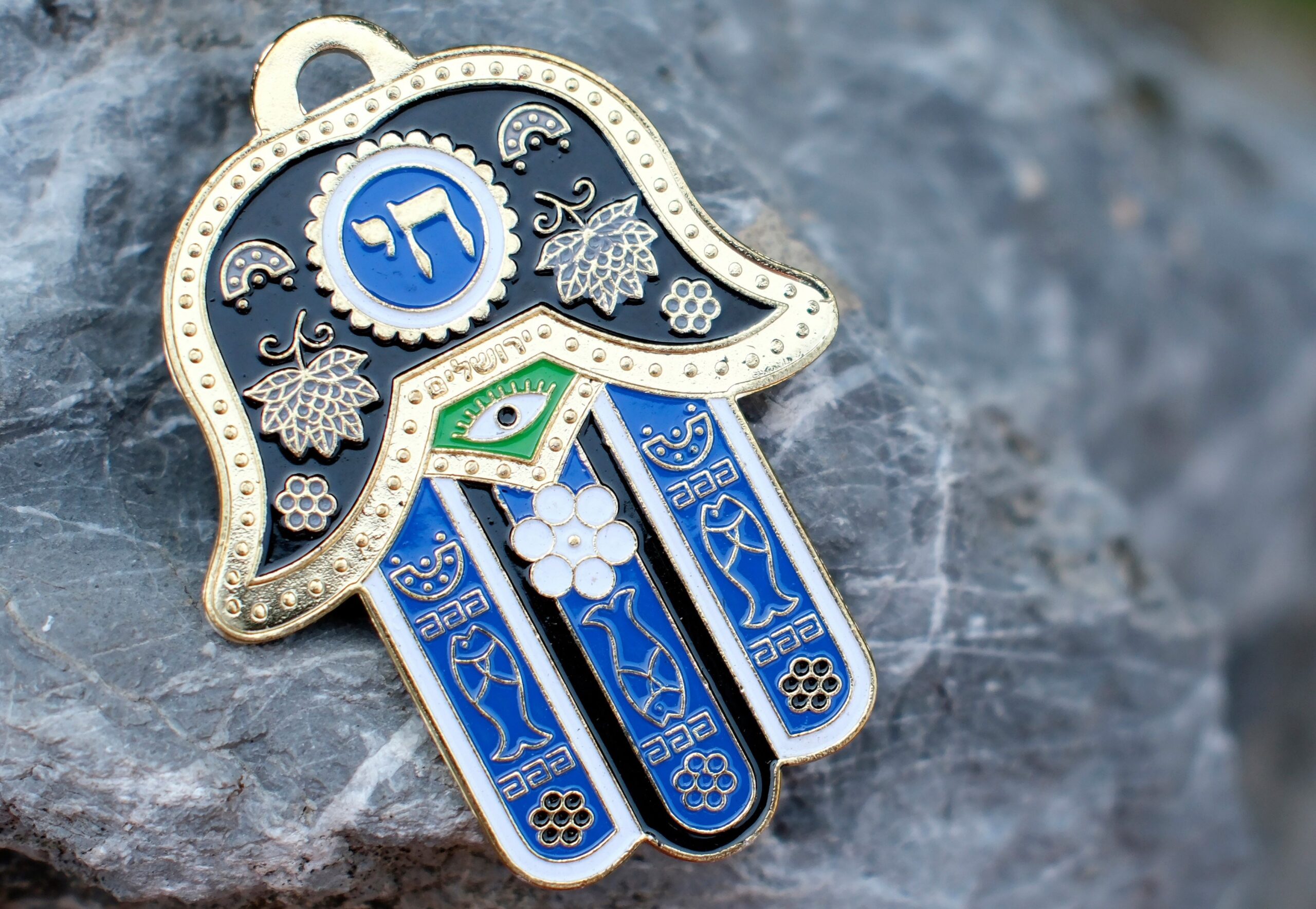
 

An example of a Jewish Hamsa amulet with an eye image in the middle meant to ward off the Evil Eye


Jewish culture has long included rituals and amulets to ward off the Ayin Hara. One of the most well-known symbols is the Hamsa, a hand-shaped amulet often displayed in homes or worn as jewelry, believed to offer protection. The red string bracelet, particularly popular among Kabbalists, is tied around the wrist as a safeguard against negative energies, often originating from Rachel’s Tomb in Bethlehem.
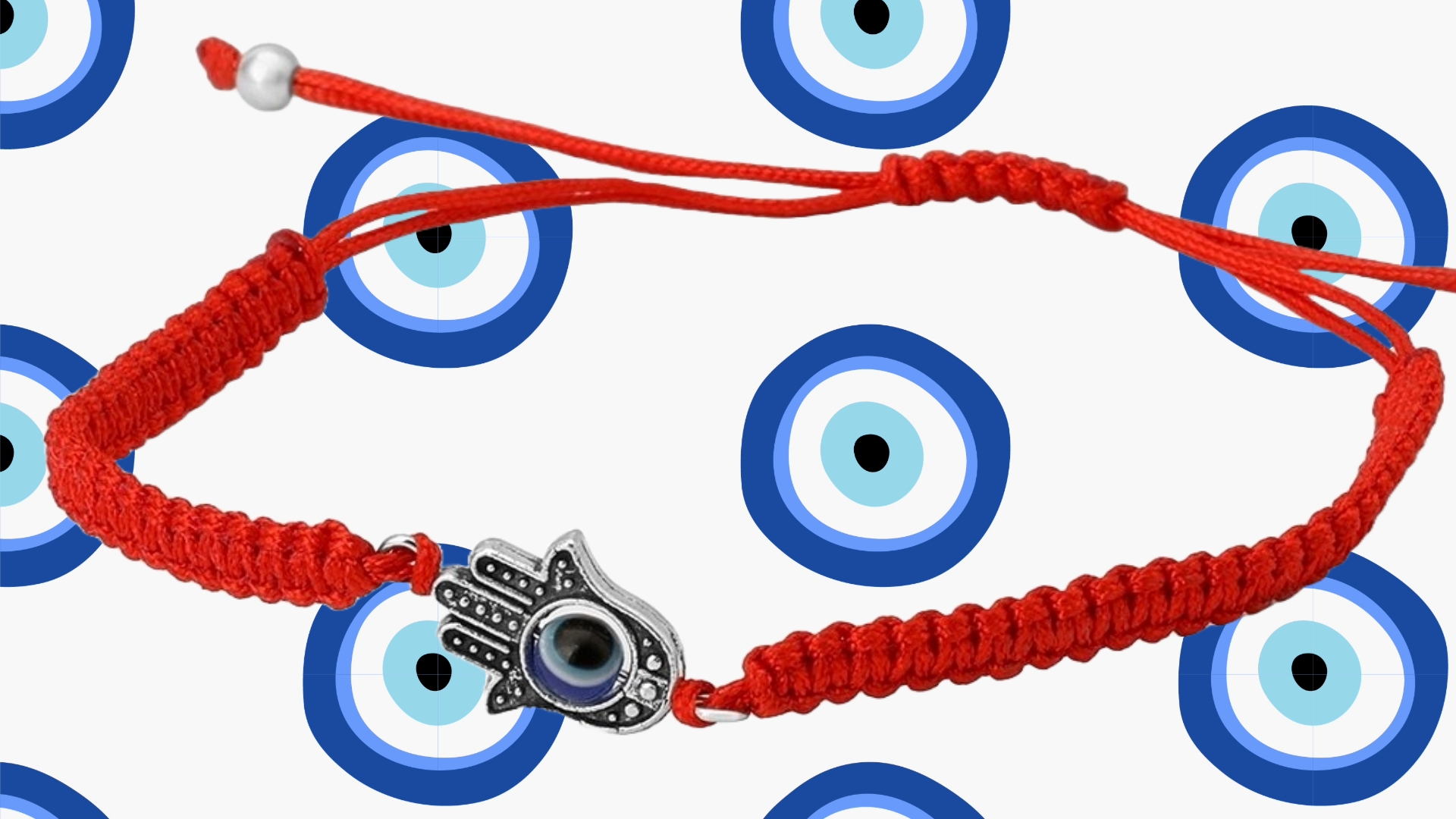
 

A Jewish red string bracelet meant to ward off the Evil Eye


Sephardic Jews, in particular, have traditionally used verbal blessings or gestures to deflect the Evil Eye, such as saying Bli Ayin Hara ("without the Evil Eye") when speaking of good fortune. Some even mimic spitting three times (tfu, tfu, tfu) to prevent harm. Another folk tradition, especially among some Ashkenazi Jews, involves wearing or hanging garlic in the home, a practice believed to repel both the Evil Eye and harmful spirits. This custom, rooted in medieval Jewish superstition, mirrors similar beliefs found in other cultures regarding garlic’s protective powers.

These customs continue today, embraced not only by religious Jews but also by many who see them as cultural or spiritual traditions. From Israeli marketplaces selling Hamsa wall hangings to celebrities wearing red string bracelets, the Evil Eye remains deeply embedded in Jewish life.
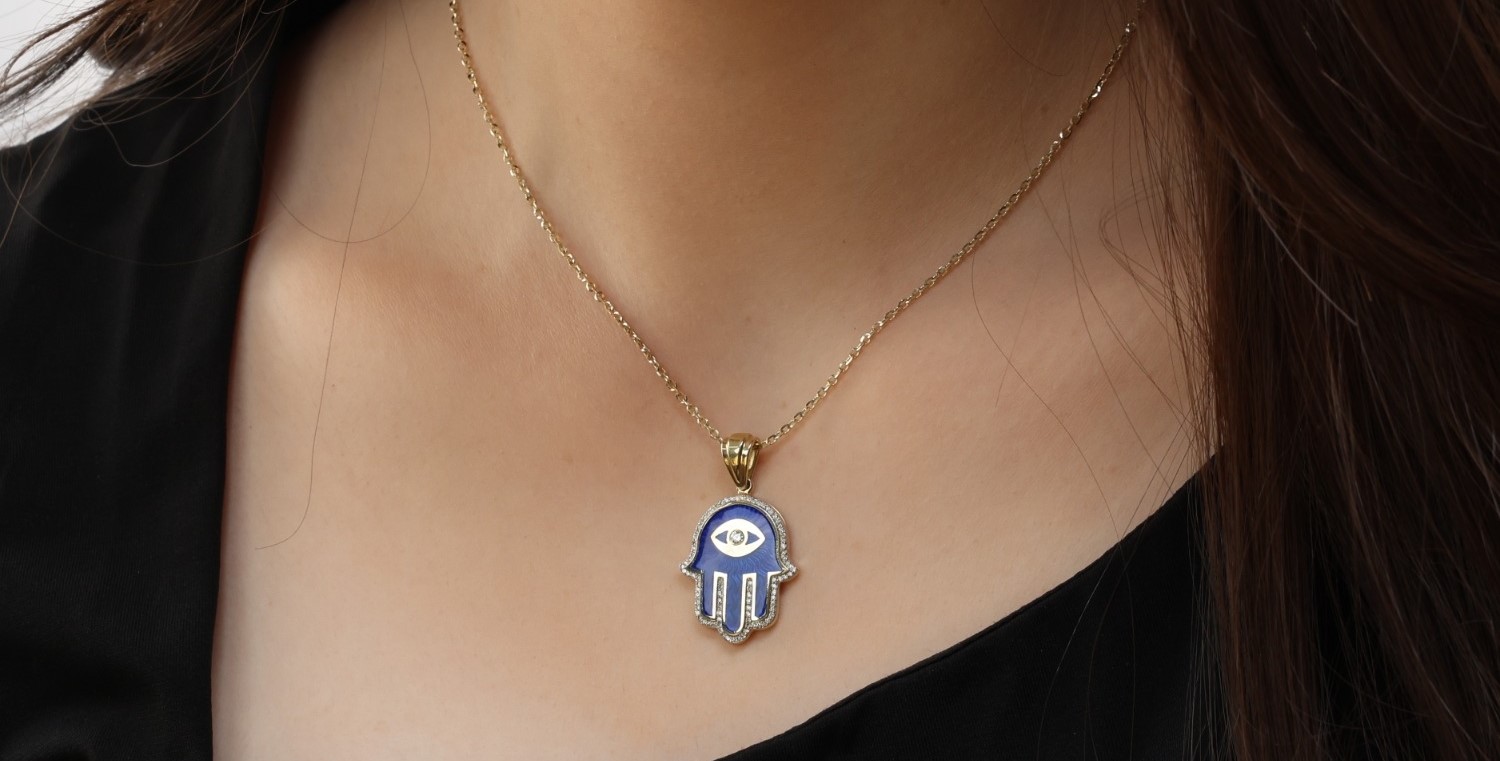
 

A modern Israeli Hamsa necklace with an eye motif meant to ward off the Evil Eye


Whether viewed as a superstition or a reflection of deeper psychological and spiritual truths, Ayin Hara endures as a fascinating aspect of Jewish belief and tradition!


Connect with Jewish tradition with beautiful Israeli jewelry inspired by the Evil Eye and other mystical concepts! Shop Evil Eye amulet jewelry, Hamsa jewelry, red string bracelets, and Kabbalah jewelry here!


btn
Hamsa-Jewelry-2022_category_mobile

JWS POST YOU MAY LIKE

Round challah for Rosh Hashanah with honey
Round Challah for Rosh Hashanah with Honey
Rosh Hashanah recipes
What Are the Best Rosh Hashanah Recipes for a Sweet New Year?
When is Rosh Hashanah in 2026? In 2026, Rosh Hashanah begins at sundown on Friday, September 11, and ends at nightfall on Sunday, September 13. It falls on 1–2 Tishrei 5787 in the Hebrew calendar. Food plays a central role in Rosh Hashanah observance and tradition, with rich symbolism woven
A Jewish man blowing the Shofar (ram's horn), which is used to blow sounds on Rosh HaShana (the Jewish New Year) and Yom Kippur (day of Atonement)
Rosh Hashanah in the Bible: Origins of the Jewish New Year
Rosh Hashanah – the Jewish New Year, coming up September 11-12, 2026 – is one of the most important and widely celebrated holidays in Judaism. But while many are familiar with its modern customs, from apples dipped in honey to the sounding of the shofar, fewer know about its biblical
Rosh Hashanah fun for kids
Rosh Hashanah Activities for Kids: Fun & Meaningful Holiday Ideas
Looking for fun ways to keep kids busy this Rosh Hashanah? Discover hands-on crafts, apple-and-honey taste tests, family games and creative activities you can make with AI – all designed to bring more fun and meaning to the holiday.
Pomegranates for Rosh Hashanah
Why Do We Eat Pomegranates on Rosh Hashanah?
Pomegranates are a popular fruit to eat during Rosh Hashanah and a significant symbol in Judaism year-round, often gracing Judaica and Jewish jewelry. Since Rosh Hashanah 2026 begins on September 11 at sundown, now is the perfect time to learn more about the significance and symbolism of the pomegranate in Judaism and Rosh Hashanah!
A Jewish man blowing the Shofar (ram's horn), which is used to blow sounds on Rosh HaShana (the Jewish New Year) and Yom Kippur (day of Atonement)
From Reflection to Renewal: The Deep Meaning of Yom Kippur
Yom Kippur, the Day of Atonement, is the holiest day of the Jewish year: a time of reflection, forgiveness, and renewal. In 2026, it begins at sundown on Sunday, September 20, and lasts through the following evening. Marked by fasting, prayer, and other austere restrictions, Yom Kippur is often seen