Search

The Amazing Story of Israel’s Forests

The Land of Israel today has many forests and other luscious plant life, but it wasn’t always this way.

Learn the inspiring story of how Zionist pioneers planted trees all over the country and made the desert bloom, creating an Israeli tradition of tree-planting that lasts to this day!

A century ago, the landscape of Israel was suffering from severe deforestation and was a stark contrast from its current lush, green expanse. However, the transformative vision of Zionist pioneers would soon change the face of the Land of Israel, with their monumental project to plant trees and cultivate forests, setting in motion a reforestation revolution that would shape the environmental destiny of the nation!

Forests as part of the Zionist Vision
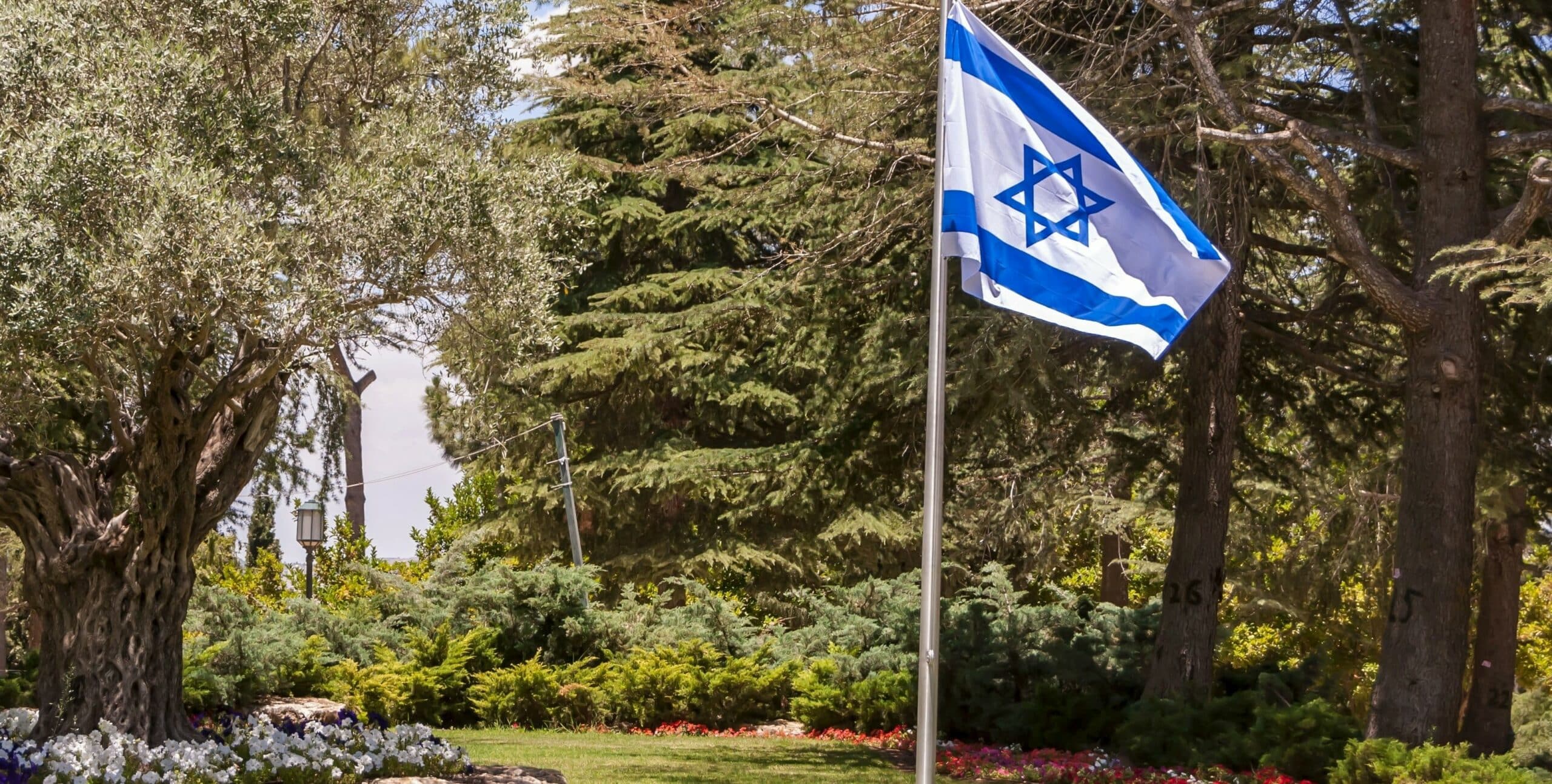
AdobeStock_152077958 - Copy

In the early 1900s, the land that would become the state of Israel was suffering from deforestation and lack of trees, leading to environmental issues such as soil erosion and loss of biodiversity, which impacted human quality of life as well. Centuries of human activity, including agriculture, urbanization, and war, had taken a toll on the once verdant landscapes.

With the rise of the Zionist movement in the late 19th and early 20th centuries, waves of Jewish immigrants settled in the historic Land of Israel with the goal of eventually establishing an independent, self-sustaining state. Taking stewardship and responsibility for the land and its future, these pioneers recognized the importance of ecological preservation and sustainable living, and this included the need for reforestation.


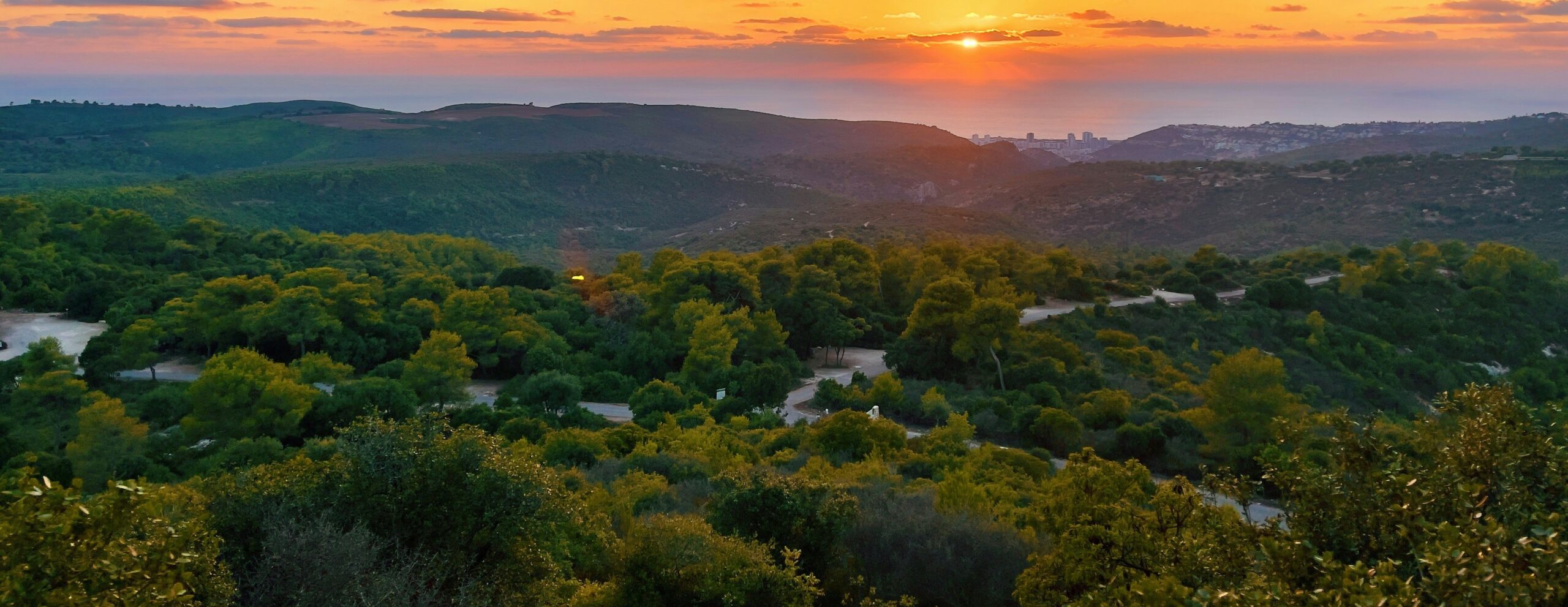
Forested landscape in northern Israel today


To address the environmental challenges, the Jewish National Fund or Keren Kayemet LeYisrael (KKL-JNF) emerged as a pivotal force in the reforestation efforts. The organization became a driving force behind tree planting initiatives in Israel, encouraging the local Jewish population to actively participate in transforming the arid landscapes.

In addition, KKL-JNF launched fundraising campaings in Jewish communities around the world, which not only successfully financed their forest-planting efforts, but allowed Jews everywhere to feel a direct connection to the Land of Israel by directly helping to revitalize it.

btn
Tree-of-Life-Gifts-2020-CAT-M
Successfully making the Desert Bloom
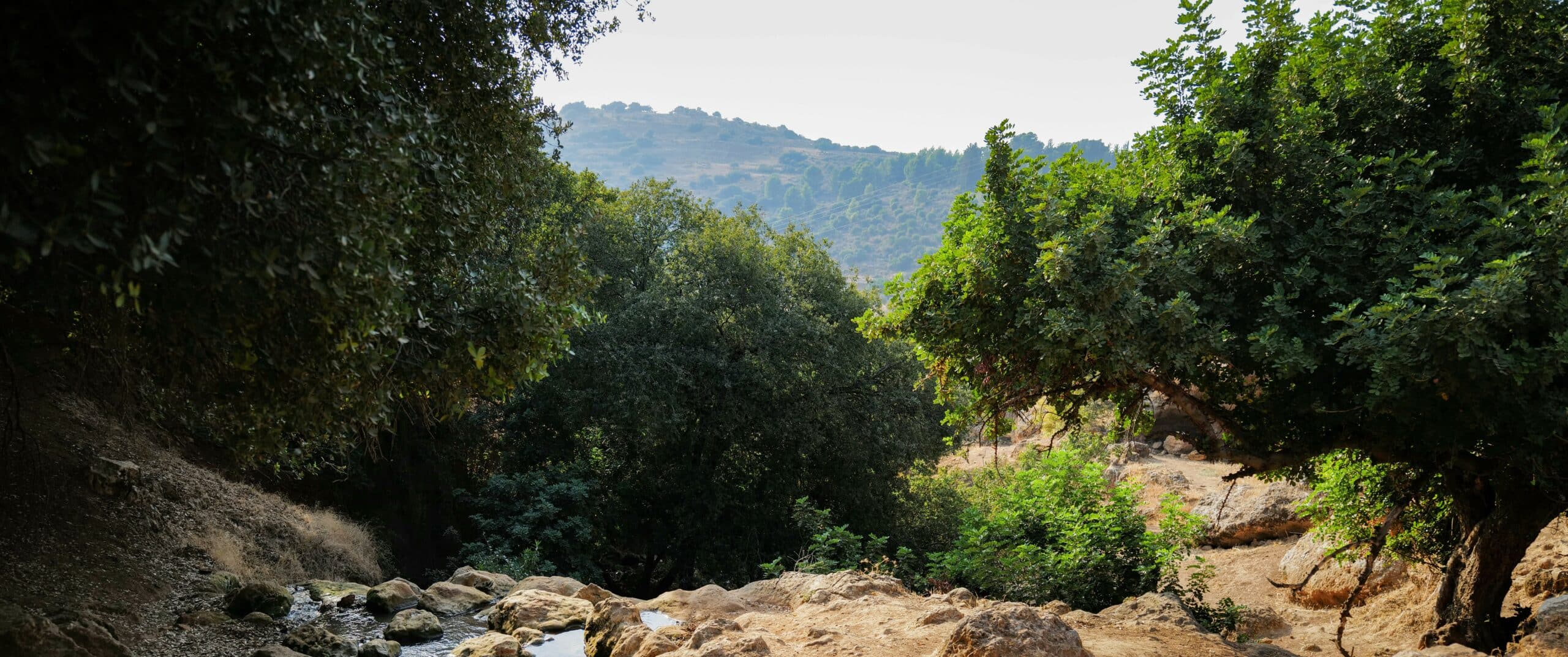
yoav-hornung-pK3AkbFx_Sg-unsplash

Over the years, the relentless efforts of Zionist pioneers and subsequent generations bore fruit – quite literally! Large forests all over Israel became living testaments to the transformative power of afforestation, Zionist vision, and love of the Land. These lush green havens have helped combat soil erosion, provided habitats for diverse flora and fauna, and contributed to the preservation of biodiversity, slowing climate change, and making Israel a more habitable place for all.

The greening of Israel not only had profound environmental implications but also became an integral part of the cultural identity of the nation. The Jewish National Fund/Keren Kayemet LeYisrael would become a beloved national institution, with its collection drives and tree-planting initiatives symbolizing Zionist hope, determination, and ingenuity.
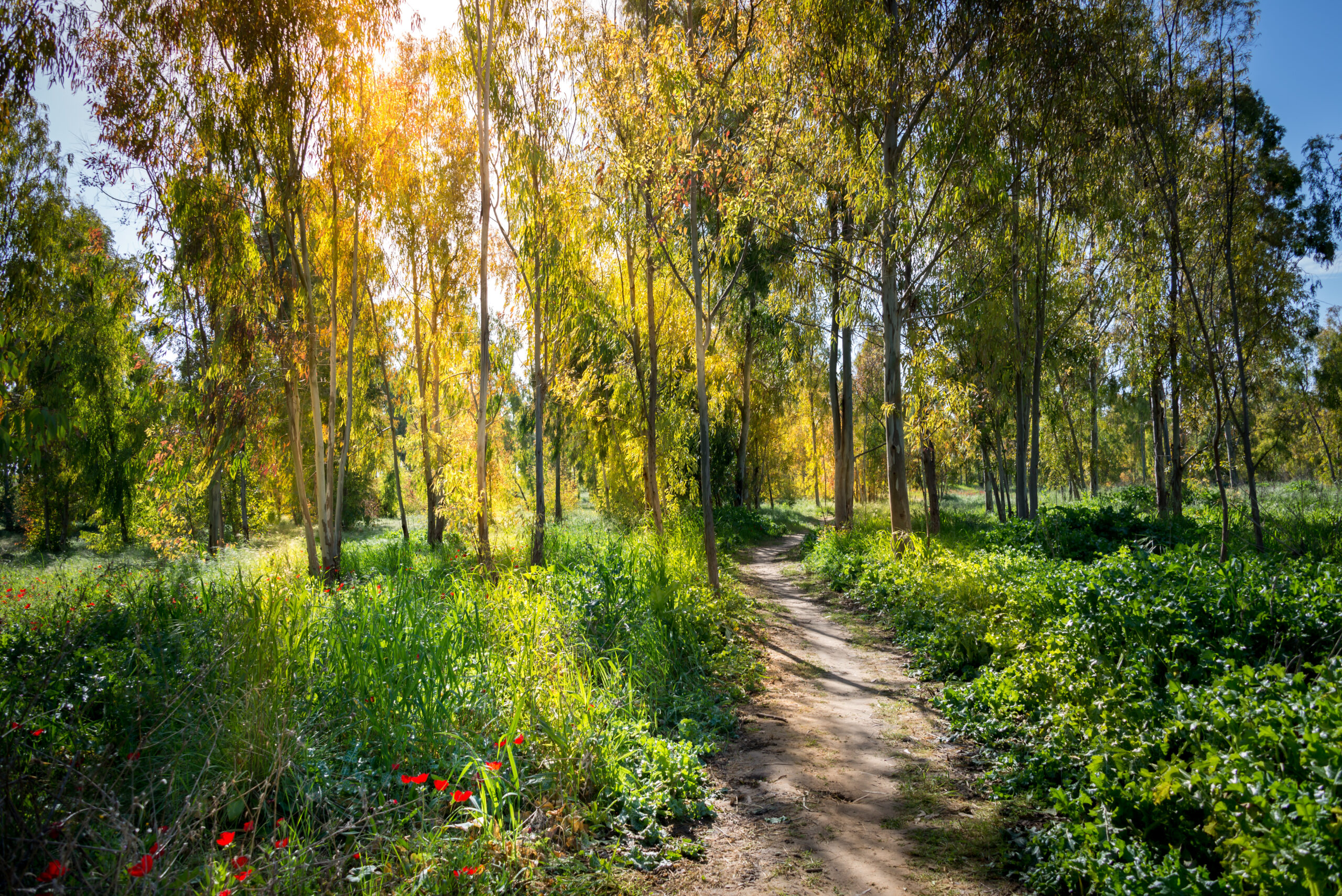
 

Shokeda Forest in southern Israel today


To this day, KKL-JNF continues maintaining and developing Israel's forests, and planting new trees every year. It has become a popular tradition among Israelis and Jews around the world to donate to the organization in order to "sponsor" one's own tree somewhere in the Land of Israel.
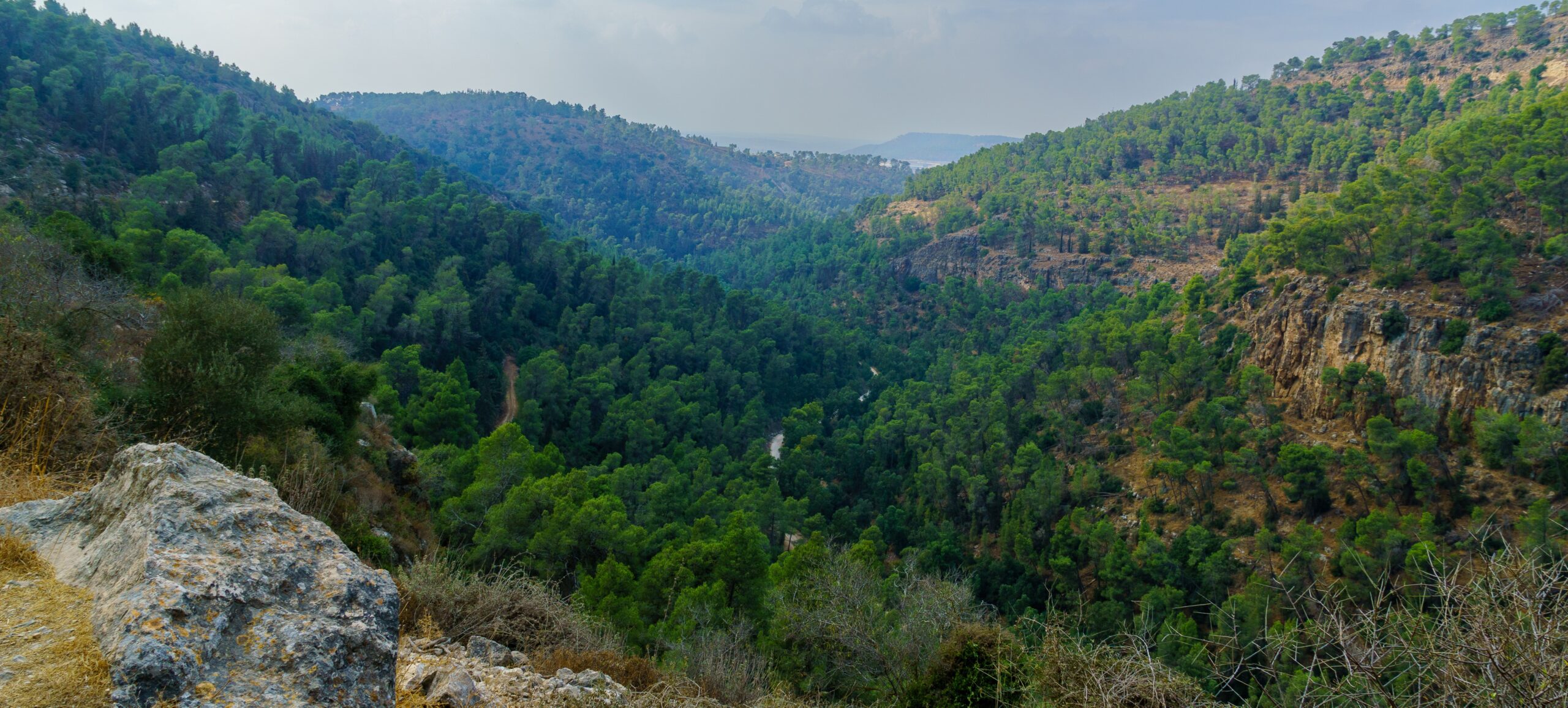
 

Israeli forests


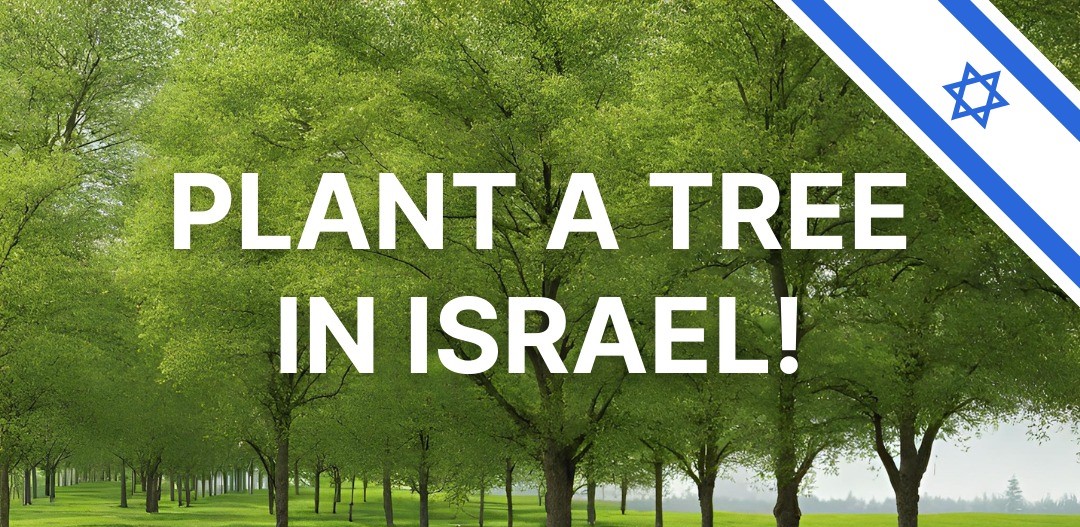
And now, in response to damaged forests as a result of the ongoing war, we're helping our customers plant their own trees in Israel!

Purchase your own tree directly through site, or get a FREE tree with any order of $100+ through February 28, 2025. Read the full details of our offer here.

Celebrate Israel and its nature by shopping our Tree of Life-themed items, Support Israel collection, and other magnificent gifts from Israeli artists right on our site.

btn
plant-tree

JWS POST YOU MAY LIKE

Round challah for Rosh Hashanah with honey
Round Challah for Rosh Hashanah with Honey
Rosh Hashanah recipes
What Are the Best Rosh Hashanah Recipes for a Sweet New Year?
When is Rosh Hashanah in 2026? In 2026, Rosh Hashanah begins at sundown on Friday, September 11, and ends at nightfall on Sunday, September 13. It falls on 1–2 Tishrei 5787 in the Hebrew calendar. Food plays a central role in Rosh Hashanah observance and tradition, with rich symbolism woven
A Jewish man blowing the Shofar (ram's horn), which is used to blow sounds on Rosh HaShana (the Jewish New Year) and Yom Kippur (day of Atonement)
Rosh Hashanah in the Bible: Origins of the Jewish New Year
Rosh Hashanah – the Jewish New Year, coming up September 11-12, 2026 – is one of the most important and widely celebrated holidays in Judaism. But while many are familiar with its modern customs, from apples dipped in honey to the sounding of the shofar, fewer know about its biblical
Rosh Hashanah fun for kids
Rosh Hashanah Activities for Kids: Fun & Meaningful Holiday Ideas
Looking for fun ways to keep kids busy this Rosh Hashanah? Discover hands-on crafts, apple-and-honey taste tests, family games and creative activities you can make with AI – all designed to bring more fun and meaning to the holiday.
Pomegranates for Rosh Hashanah
Why Do We Eat Pomegranates on Rosh Hashanah?
Pomegranates are a popular fruit to eat during Rosh Hashanah and a significant symbol in Judaism year-round, often gracing Judaica and Jewish jewelry. Since Rosh Hashanah 2026 begins on September 11 at sundown, now is the perfect time to learn more about the significance and symbolism of the pomegranate in Judaism and Rosh Hashanah!
A Jewish man blowing the Shofar (ram's horn), which is used to blow sounds on Rosh HaShana (the Jewish New Year) and Yom Kippur (day of Atonement)
From Reflection to Renewal: The Deep Meaning of Yom Kippur
Yom Kippur, the Day of Atonement, is the holiest day of the Jewish year: a time of reflection, forgiveness, and renewal. In 2026, it begins at sundown on Sunday, September 20, and lasts through the following evening. Marked by fasting, prayer, and other austere restrictions, Yom Kippur is often seen