Search

Jewish Amulets for Safe Travels

Whether you’re driving to another city or flying across the world, Judaism has several special traditions and amulets to invoke Divine protection and luck on one’s journey.

Check out our explainer and incorporate them into your own life and travels!

1. The Traveler’s Prayer
Screenshot 2022-08-23 144920

There is an old Jewish tradition, going back to at least the Talmud, of reciting the Traveler’s Prayer (known as Tefilat HaDerech in Hebrew) at the beginning of a journey. The traditional text of the prayer asks God to deliver the traveler safely, protect them from dangers and perils along their path, and to grant peace on their journey.

The Traveler’s Prayer continues to be said by many Jews today, regardless of their mode of travel – whether on long car trips or flights or train rides. It’s usually recited either when leaving the city limits or about halfway through one’s journey.

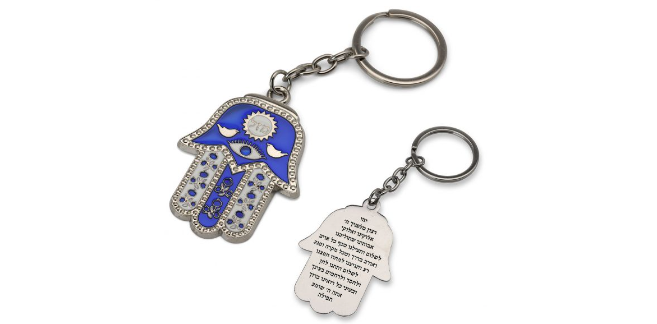
The prayer is also commonly inscribed on jewelry and on easy-to-carry items like keychains or pens, or talismans for hanging in one’s car, to use as an amulet for protection and a handy reference for reciting the words.


btn
2. Traveler’s Psalm Jewelry & Amulets
Screenshot 2022-08-23 144957

In addition to the codified prayer, there are also certain verses from the Hebrew Bible that are traditionally associated with protection for travelers, and have been commonly engraved on jewelry and amulets. Also often called a “Traveler’s Prayer” or “Traveler’s Psalm,” these include:

  • Psalm 91:11: “His Angels Shall Watch Over You, To Guard You on All Your Ways”
  • Psalm 121, or specifically the line 121:8: “May God Protect Your Leaving and Coming From Now Until Forever”
  • Genesis 49:22, known as Ben Porat Yosef (while this one may not seem obvious, it has a mystical meaning of protection): “A Fruitful Son is Joseph, a Fruitful Son by a Spring”
btn
3. Hamsa Amulets
Metallic pink-purple pendant Jewish "Hand of Miriam" or hamsa ha

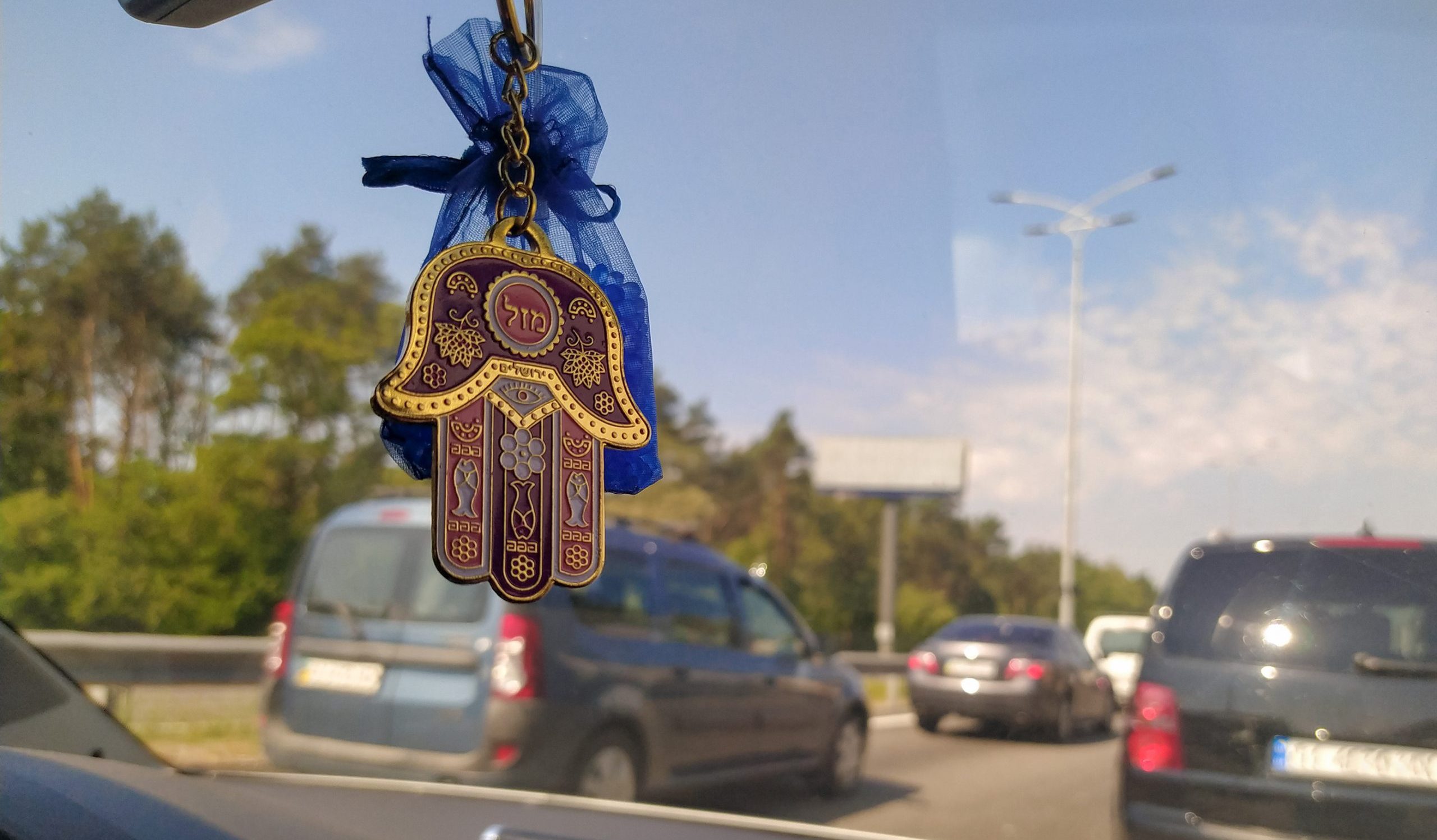
The Hamsa, a five-fingered hand symbol, is an ancient Jewish symbol for luck, Divine protection, and safeguarding from harm, and has often been used as a talisman by travelers hoping for a little extra Divine help on their journeys.

It’s a traditional motif for jewelry, so you can wear its protective qualities close to your heart and anywhere you go, and today it also adorns keychains and is hung inside cars. Hamsa jewelry and amulets can also be inscribed with the Traveler’s Prayer for an additional protective motif.

btn
4. Car Mezuzahs
Screenshot 2022-07-26 200918

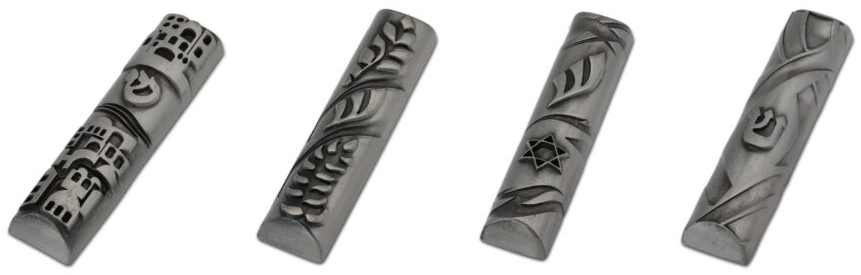
A new, modern travel tradition has arisen to bring Divine protection and Jewish spirituality to our travels: car mezuzahs! While standard mezuzahs are meant to adorn the doorways of one’s home, this custom involves affixing a small mezuzah replica inside one’s car, normally near the doors or dashboard, containing the text of the Traveler’s Prayer inside.

Car mezuzahs are a way to always carry the sacred words of the Traveler’s Prayer on every car journey, while also evoking the protective symbolism of the classic mezuzah shape. They can also have additional Jewish symbolism added to the décor such as a Hamsa or Star of David.

btn
5. General Protection Amulets
Screenshot 2022-08-23 150601

There are several other traditional amulets for protection that can be used with an intention for a safe journey:


Which amulet is your favorite? Do you have any other Jewish travel traditions we’ve missed? Let us know in the comments below!

And head on over to our store for beautiful made-in-Israel Traveler’s Prayer jewelry and keychainscar mezuzahs, and even portable travel Judaica so you can carry your Jewish traditions with you wherever your journeys take you!

btn
Best-Judaica-for-Travel_category

JWS POST YOU MAY LIKE

Round challah for Rosh Hashanah with honey
Round Challah for Rosh Hashanah with Honey
Rosh Hashanah recipes
What Are the Best Rosh Hashanah Recipes for a Sweet New Year?
When is Rosh Hashanah in 2026? In 2026, Rosh Hashanah begins at sundown on Friday, September 11, and ends at nightfall on Sunday, September 13. It falls on 1–2 Tishrei 5787 in the Hebrew calendar. Food plays a central role in Rosh Hashanah observance and tradition, with rich symbolism woven
A Jewish man blowing the Shofar (ram's horn), which is used to blow sounds on Rosh HaShana (the Jewish New Year) and Yom Kippur (day of Atonement)
Rosh Hashanah in the Bible: Origins of the Jewish New Year
Rosh Hashanah – the Jewish New Year, coming up September 11-12, 2026 – is one of the most important and widely celebrated holidays in Judaism. But while many are familiar with its modern customs, from apples dipped in honey to the sounding of the shofar, fewer know about its biblical
Rosh Hashanah fun for kids
Rosh Hashanah Activities for Kids: Fun & Meaningful Holiday Ideas
Looking for fun ways to keep kids busy this Rosh Hashanah? Discover hands-on crafts, apple-and-honey taste tests, family games and creative activities you can make with AI – all designed to bring more fun and meaning to the holiday.
Pomegranates for Rosh Hashanah
Why Do We Eat Pomegranates on Rosh Hashanah?
Pomegranates are a popular fruit to eat during Rosh Hashanah and a significant symbol in Judaism year-round, often gracing Judaica and Jewish jewelry. Since Rosh Hashanah 2026 begins on September 11 at sundown, now is the perfect time to learn more about the significance and symbolism of the pomegranate in Judaism and Rosh Hashanah!
A Jewish man blowing the Shofar (ram's horn), which is used to blow sounds on Rosh HaShana (the Jewish New Year) and Yom Kippur (day of Atonement)
From Reflection to Renewal: The Deep Meaning of Yom Kippur
Yom Kippur, the Day of Atonement, is the holiest day of the Jewish year: a time of reflection, forgiveness, and renewal. In 2026, it begins at sundown on Sunday, September 20, and lasts through the following evening. Marked by fasting, prayer, and other austere restrictions, Yom Kippur is often seen