Search

Jewish Wisdom for the New Year: 10 Timeless Jewish Quotes

From Pirkei Avot to Proverbs: Start the Jewish New Year with 10 Inspiring Quotes from Jewish Texts!

As the month of Elul unfolds and we prepare for Rosh Hashanah, the Jewish New Year, it’s natural to turn to the wisdom of our tradition for guidance and inspiration. Elul is a time of reflection, renewal, and learning. For students heading back to school, and for all of us preparing for a fresh start, the words of our Sages and Scriptures offer timeless lessons.

Here are some of the most inspiring Jewish quotes from the Hebrew Bible and beyond to carry with you into the year ahead:

Torah study
Jewish Quotes on Reflection & Renewal, Character & Kindness

1. “It is not incumbent upon you to finish the work, but neither are you free to desist from it.” (Pirkei Avot 2:16)

A reminder that even small steps toward growth, kindness, or justice are meaningful — especially during Elul and Rosh Hashanah, when we commit to positive change.

2. “Justice, justice shall you pursue.” (Deuteronomy 16:20)

As we enter the High Holidays, we are called not only to personal introspection but also to ensure fairness and righteousness in our communities.

3. “Teach us to number our days, that we may gain a heart of wisdom.” (Psalms 90:12)

Rosh Hashanah invites us to pause and recognize the value of time, using it to create lives of meaning.

4. “Who is wise? One who learns from every person.” (Pirkei Avot 4:1)

Wisdom isn’t limited to books or teachers: it comes from humility and openness to others.

5. “If I am not for myself, who will be for me? But if I am only for myself, what am I? And if not now, when?” (Pirkei Avot 1:14)

A call to balance self-care, responsibility to others, and seizing the moment.

6. The world stands on three things: on Torah, service, and deeds of loving-kindness.” (Pirkei Avot 1:2)

The foundation of Jewish values, reminding us that service to others is an integral part of our relationship with the Creator.

7. “Choose life, so that you and your descendants may live.” (Deuteronomy 30:19)

A classic verse often cited at the High Holidays, reminding us of renewal, growth, and responsibility for the future.

8. “The beginning of wisdom is the fear of the Lord, and knowledge of the Holy One is understanding.” (Proverbs 9:10)

Rosh Hashanah is a time of awe, and this verse reminds us of the connection between awe of the Divine and wisdom.

9. Make your Torah fixed, say little and do much, and receive every person with a pleasant countenance.(Pirkei Avot 1:15)

An inspiring ethos of consistency, action, and kindness.

10. “You shall love your neighbor as yourself.” (Leviticus 19:18)

The heart of Jewish ethics and a great guiding principle for the new year!
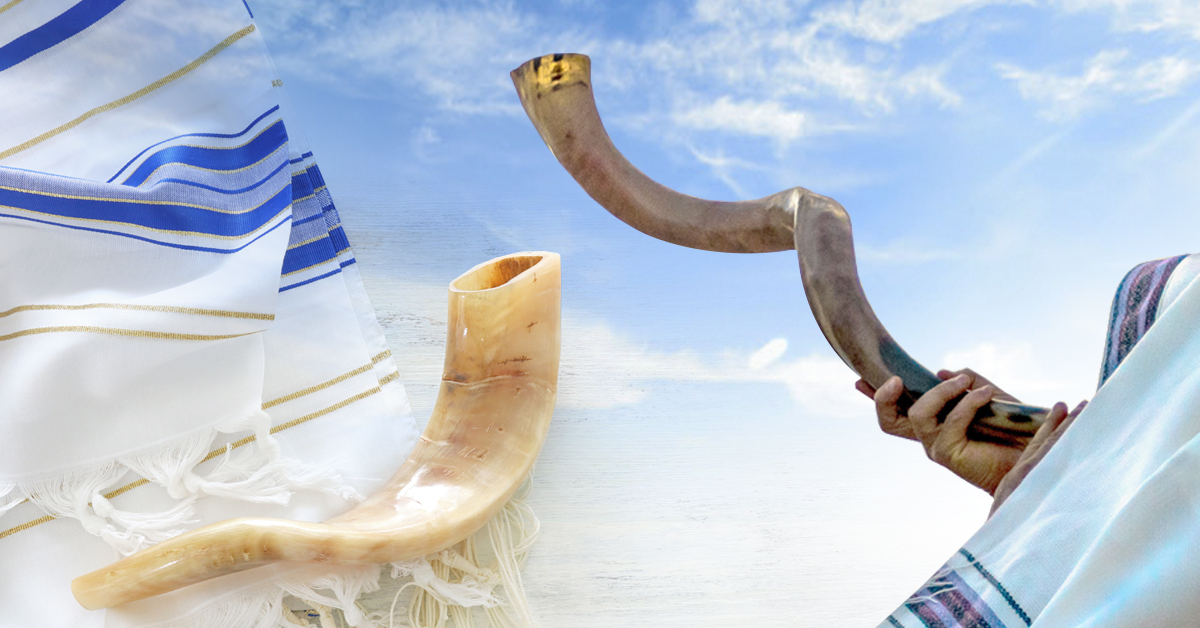
Shop Shofars from Israel

The Jewish New Year is not only about celebration but also about reflection, learning, and recommitment to our values. Whether through pursuing justice, speaking kindly, or making time for study, the wisdom of Jewish tradition continues to guide us today.

As we prepare to hear the shofar and welcome 5786, may these timeless teachings inspire us to grow, to learn, and to live with purpose.

Shanah Tovah U’Metukah — Wishing you a sweet and meaningful New Year!

And get ready for an inspiring year with our curated collections of Rosh Hashanah gifts, shofars, and Hebrew Bibles from Israel!


btn
Bible-graphic_1200x628

JWS POST YOU MAY LIKE

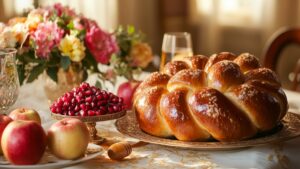
Round challah for Rosh Hashanah with honey
Round Challah for Rosh Hashanah with Honey
Rosh Hashanah recipes
What Are the Best Rosh Hashanah Recipes for a Sweet New Year?
When is Rosh Hashanah in 2026? In 2026, Rosh Hashanah begins at sundown on Friday, September 11, and ends at nightfall on Sunday, September 13. It falls on 1–2 Tishrei 5787 in the Hebrew calendar. Food plays a central role in Rosh Hashanah observance and tradition, with rich symbolism woven
A Jewish man blowing the Shofar (ram's horn), which is used to blow sounds on Rosh HaShana (the Jewish New Year) and Yom Kippur (day of Atonement)
Rosh Hashanah in the Bible: Origins of the Jewish New Year
Rosh Hashanah – the Jewish New Year, coming up September 11-12, 2026 – is one of the most important and widely celebrated holidays in Judaism. But while many are familiar with its modern customs, from apples dipped in honey to the sounding of the shofar, fewer know about its biblical
Rosh Hashanah fun for kids
Rosh Hashanah Activities for Kids: Fun & Meaningful Holiday Ideas
Looking for fun ways to keep kids busy this Rosh Hashanah? Discover hands-on crafts, apple-and-honey taste tests, family games and creative activities you can make with AI – all designed to bring more fun and meaning to the holiday.
Pomegranates for Rosh Hashanah
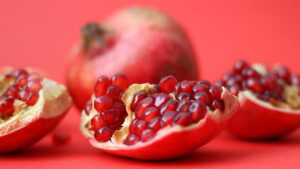
Why Do We Eat Pomegranates on Rosh Hashanah?
Pomegranates are a popular fruit to eat during Rosh Hashanah and a significant symbol in Judaism year-round, often gracing Judaica and Jewish jewelry. Since Rosh Hashanah 2026 begins on September 11 at sundown, now is the perfect time to learn more about the significance and symbolism of the pomegranate in Judaism and Rosh Hashanah!
A Jewish man blowing the Shofar (ram's horn), which is used to blow sounds on Rosh HaShana (the Jewish New Year) and Yom Kippur (day of Atonement)
From Reflection to Renewal: The Deep Meaning of Yom Kippur
Yom Kippur, the Day of Atonement, is the holiest day of the Jewish year: a time of reflection, forgiveness, and renewal. In 2026, it begins at sundown on Sunday, September 20, and lasts through the following evening. Marked by fasting, prayer, and other austere restrictions, Yom Kippur is often seen