Search
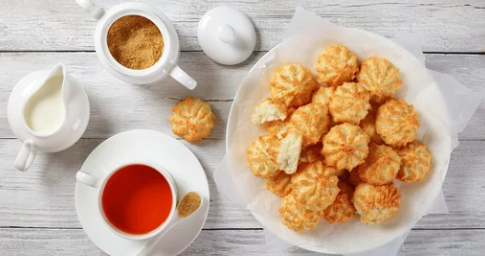
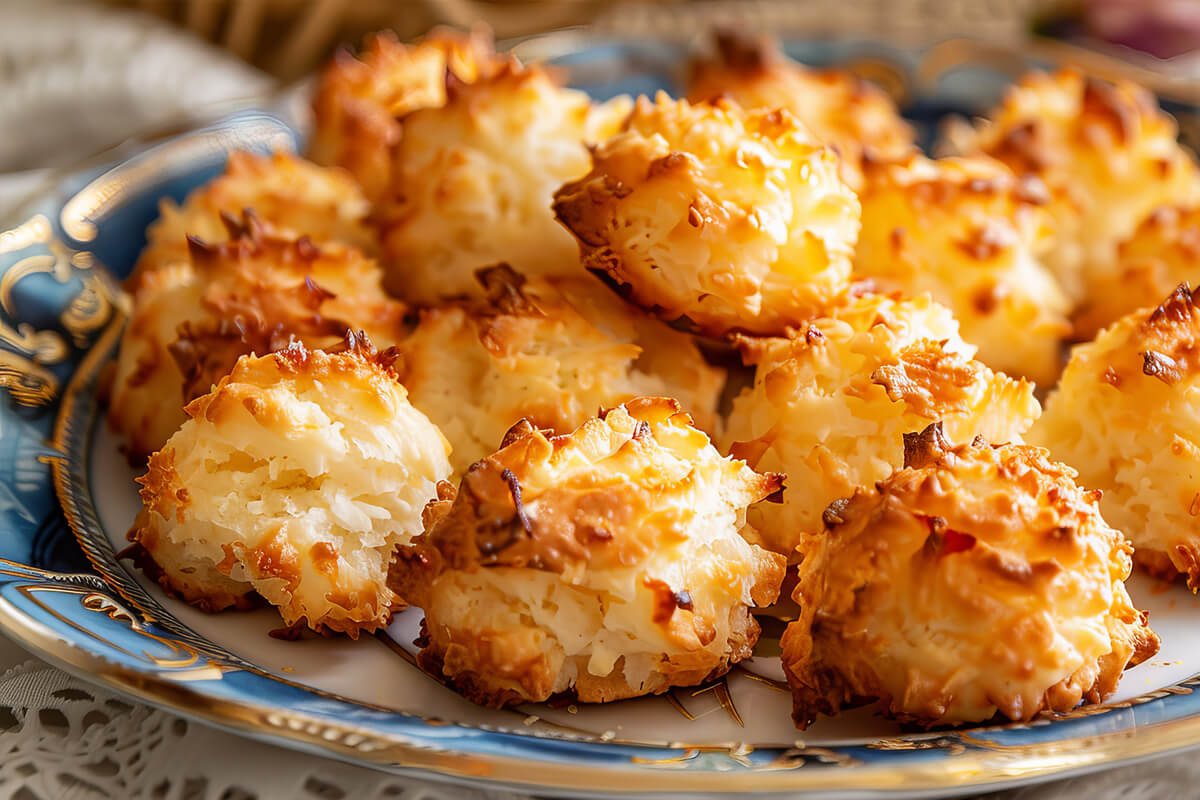
Passover coconut macaroons

4 Easy Kosher-for-Passover Dessert Recipes

We know that finding chametz-free desserts to please the whole family during Passover can be a challenge, so we’ve rounded up our 4 favorite recipes – flourless and easy to make, and still decadently delicious!

1. Coconut Macaroons

You can never go wrong with this famous Passover classic – coconut macaroons! Sweet and scrumptious, they’re sure to please the whole family, while being easy and fun to make too.

Ingredients:

  • 2 large egg whites
  • 2 cups sweetened, shredded coconut
  • 1/2 cup whole almonds, chopped
  • 1/3 cup sugar
  • 1 tsp vanilla extract
  • 1/4 tsp salt
  • melted dark chocolate for drizzling (optional)
  • salted caramel sauce for drizzling (optional)

Directions:

  1. Preheat oven to 350° F. Line a baking sheet with parchment paper.
  2. Combine the egg whites, coconut, and almonds in a large bowl. Then add the sugar, vanilla extract, and salt. 
  3. Using a cookie scoop or two teaspoons, portion out batter onto the baking sheet, around 2 inches apart.
  4. Bake around 15 minutes, until the cookies are set and the edges begin to crisp.
  5. Allow to cool completely. For extra sweetness, macaroons can be drizzled with melted chocolate and/or caramel sauce if desired.

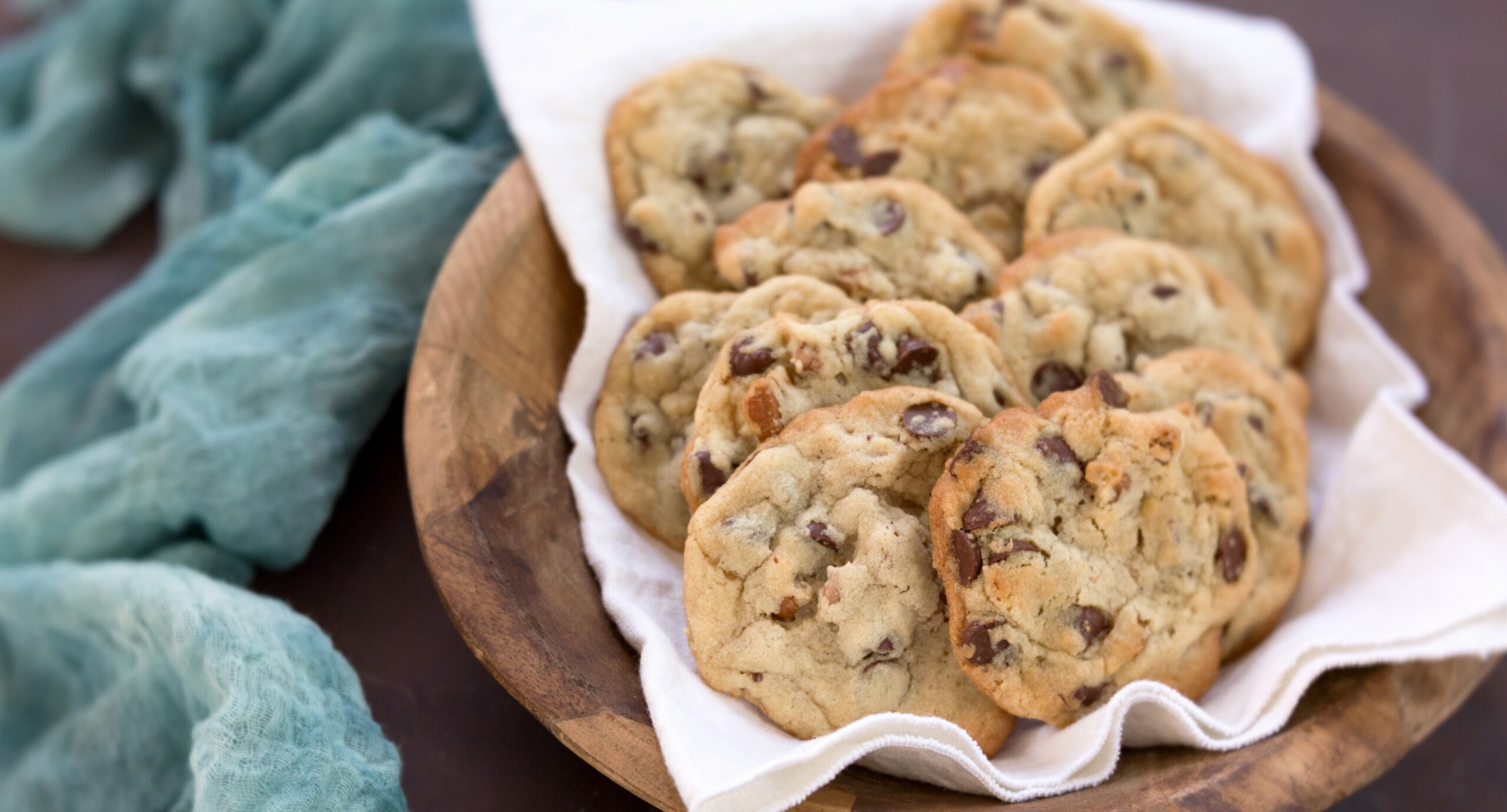
2. Almond Butter Chocolate Chip Cookies

Who says you need flour for the perfect chocolate chip cookie? The almond butter in these tasty delights makes them soft and chewy yet healthy at the same time, and guaranteed to wow all your guests.

Ingredients:

  • 1 cup almond butter
  • 1 egg
  • 1 tsp vanilla extract
  • 1 cup brown sugar
  • 1 cup chocolate chips
  • 1/2 cup chopped walnuts
  • coarse sea salt (optional)

Directions:

  1. Preheat oven to 350° F.
  2. Mix the almond butter, egg, vanilla extract, and sugar together in a bowl.
  3. Fold in the chocolate chips and walnuts.
  4. Spoon out tablespoon-sized mounds onto an ungreased cookie sheet. Sprinkle with a pinch of coarse sea salt (kosher salt works great!) on top if desired.
  5. Bake for 11 minutes. Take out of the oven and allow the cookies to cool for 5 minutes while remaining on the baking sheet. Then transfer to a baking rack to cool completely.

3. Chocolate Pudding

Chocolate pudding is a classy yet decadent option that will be loved by children and adults alike. A perfect ending to any Passover meal!

Ingredients:

  • 12 oz semi-sweet or bittersweet chocolate with at least 60% cocoa solids
  • 3 cups (two 13 oz cans) unsweetened, full fat coconut milk
  • 1/4 cup sugar
  • 2 tsp cinnamon
  • pinch of cayenne pepper
  • 1 tsp espresso powder (optional)
  • non-dairy whipped cream for serving (optional)

Directions:

  1. Chop the chocolate into small pieces and place in a heat-proof bowl.
  2. Combine the coconut milk, sugar, cinnamon, cayenne pepper, and espresso powder (if using) in a medium saucepan, and heat over medium heat.
  3. Bring the mixture to a simmer while whisking constantly. Remove from heat once well-combined.
  4. Pour the warm coconut milk mixture over the chopped chocolate and stir until chocolate is melted and mixed in.
  5. Cover and chill in the refrigerator until pudding is set, about 6-8 hours or overnight.
  6. To serve, spoon the pudding into individual ramekins or serving dishes. You can top each dish with a dollop of whipped cream for extra decadence if you’d like!

4. Chocolate-Dipped Banana Pops

This one is super fun for the kids (or the kids at heart!), and you’ll love that it’s a serving of fruit along with protein-packed nuts. A great way to make Passover both delicious and healthy!

Ingredients:

  • 5 bananas
  • 10 popsicle sticks
  • 100 grams or 3.5 oz dark chocolate
  • 1/4 cup chopped walnuts
  • 1/4 cup chopped pistachios
  • 1/2 cup shredded coconut
  • 2 tsp sugar
  • kosher salt
  • vegetable oil
  • melted white chocolate for drizzling (optional)

If you love to cook and host, you need our best Jewish tableware – Israeli-made and great for holidays and year-round!

JWS POST YOU MAY LIKE

Round challah for Rosh Hashanah with honey
Round Challah for Rosh Hashanah with Honey
Rosh Hashanah recipes
What Are the Best Rosh Hashanah Recipes for a Sweet New Year?
When is Rosh Hashanah in 2026? In 2026, Rosh Hashanah begins at sundown on Friday, September 11, and ends at nightfall on Sunday, September 13. It falls on 1–2 Tishrei 5787 in the Hebrew calendar. Food plays a central role in Rosh Hashanah observance and tradition, with rich symbolism woven
A Jewish man blowing the Shofar (ram's horn), which is used to blow sounds on Rosh HaShana (the Jewish New Year) and Yom Kippur (day of Atonement)
Rosh Hashanah in the Bible: Origins of the Jewish New Year
Rosh Hashanah – the Jewish New Year, coming up September 11-12, 2026 – is one of the most important and widely celebrated holidays in Judaism. But while many are familiar with its modern customs, from apples dipped in honey to the sounding of the shofar, fewer know about its biblical
Rosh Hashanah fun for kids
Rosh Hashanah Activities for Kids: Fun & Meaningful Holiday Ideas
Looking for fun ways to keep kids busy this Rosh Hashanah? Discover hands-on crafts, apple-and-honey taste tests, family games and creative activities you can make with AI – all designed to bring more fun and meaning to the holiday.
Pomegranates for Rosh Hashanah
Why Do We Eat Pomegranates on Rosh Hashanah?
Pomegranates are a popular fruit to eat during Rosh Hashanah and a significant symbol in Judaism year-round, often gracing Judaica and Jewish jewelry. Since Rosh Hashanah 2026 begins on September 11 at sundown, now is the perfect time to learn more about the significance and symbolism of the pomegranate in Judaism and Rosh Hashanah!
A Jewish man blowing the Shofar (ram's horn), which is used to blow sounds on Rosh HaShana (the Jewish New Year) and Yom Kippur (day of Atonement)
From Reflection to Renewal: The Deep Meaning of Yom Kippur
Yom Kippur, the Day of Atonement, is the holiest day of the Jewish year: a time of reflection, forgiveness, and renewal. In 2026, it begins at sundown on Sunday, September 20, and lasts through the following evening. Marked by fasting, prayer, and other austere restrictions, Yom Kippur is often seen