
Search

How to Recite the Hanukkah Blessings

There’s a lot to say about every Jewish holiday, but there’s also lots to say during them. Even if you’ve got a prayer book or Hanukkah pamphlet ready to go, it’s worth reviewing the blessings recited Hanukkah 2022, and a few festive greetings.

Before you get to the Hanukkah blessings, also called brachas in Hebrew, it is always good to have a reminder of when to include the blessings when lighting the Hanukkah menorah.

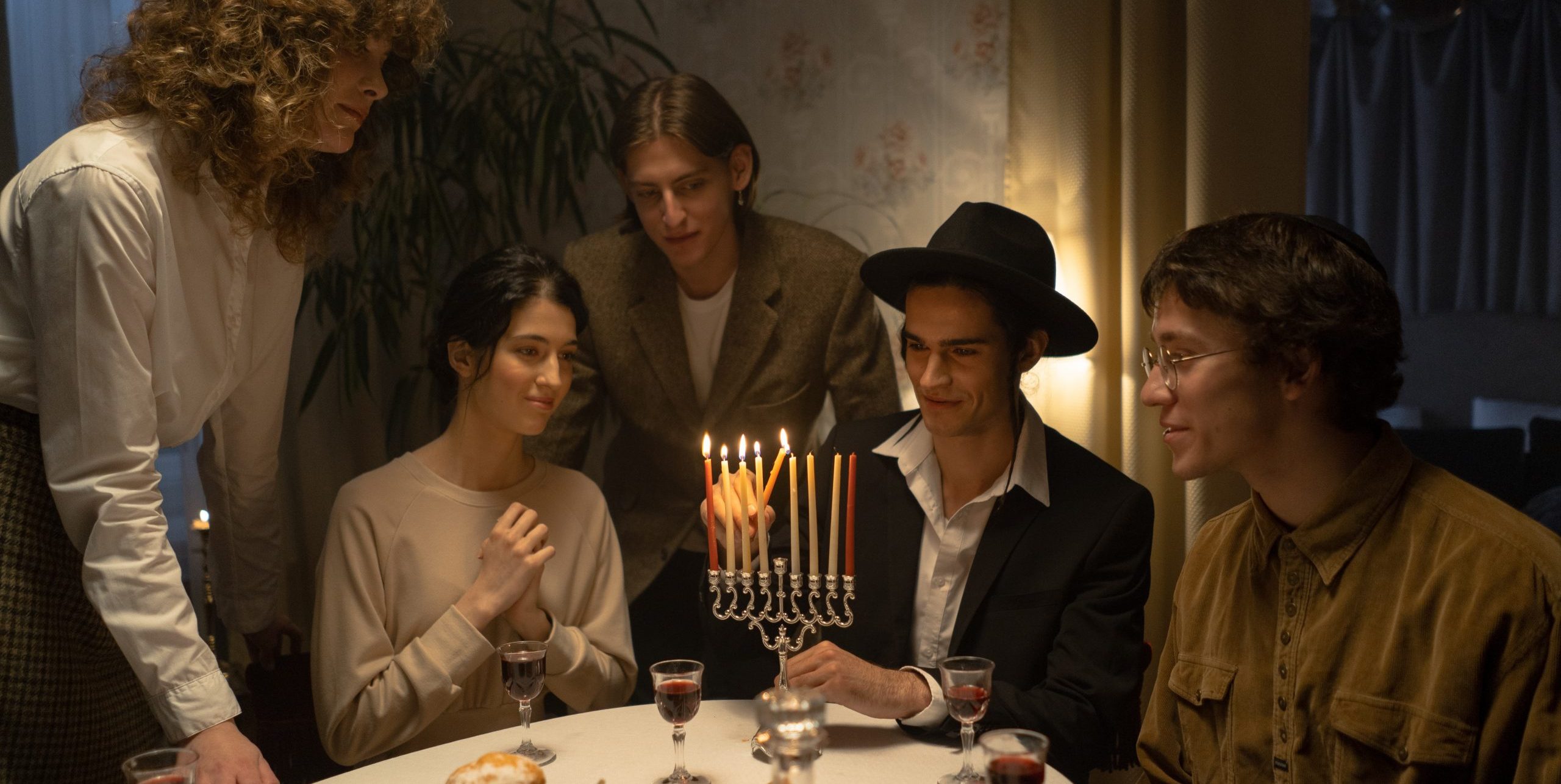
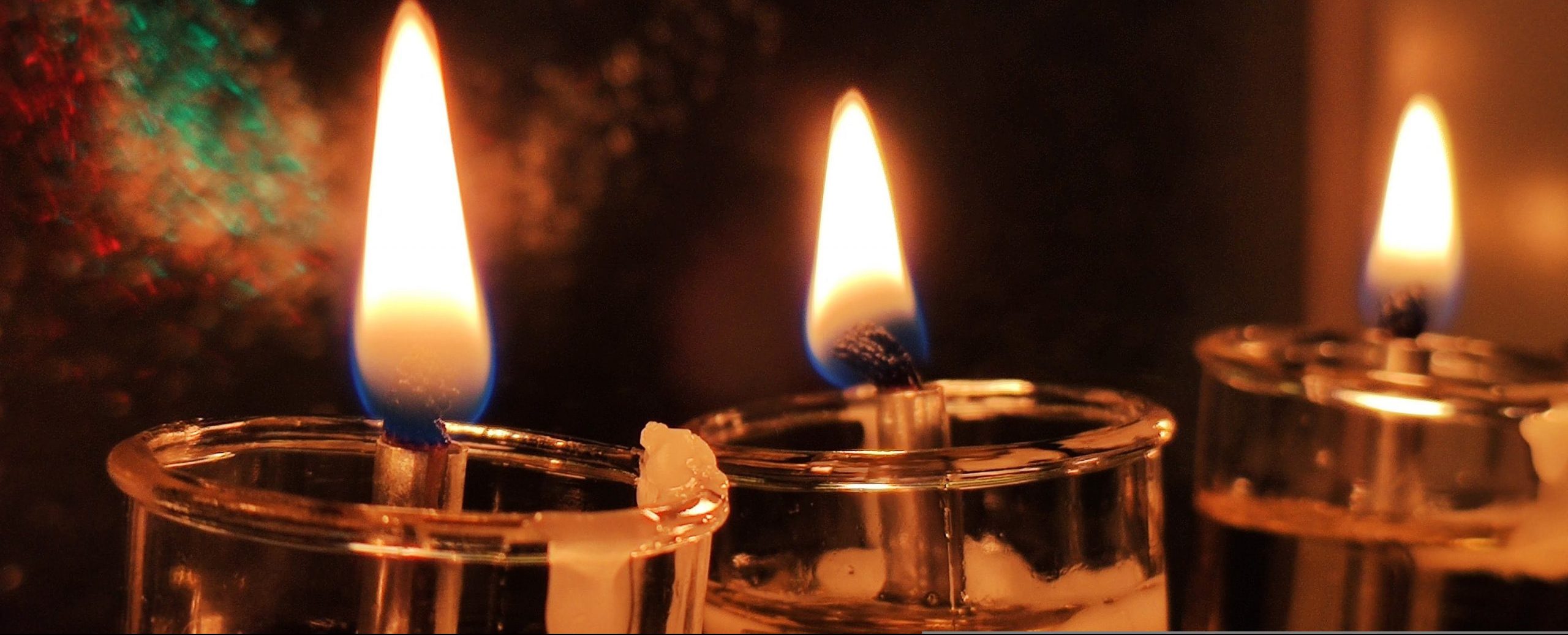
Gather your household together and set your candles out right-to-left for the appropriate night (1 for the first night, 2 for the second, etc.).

Light the shamash, the extra candle not counted towards the total number, and keep it in your hand as you say both of the blessings, or all 3 if it’s the first night. Unlike lighting candles for Shabbat and other holidays where many women light the candles and only then say the bracha with their eyes covered, blessing over Hanukkah candles is recited before lighting and with the eyes uncovered.

Following the blessings, light the candles with the shamash candle in your hand, starting from the left and going right. Remember the shamash is not counted towards the number of candles.

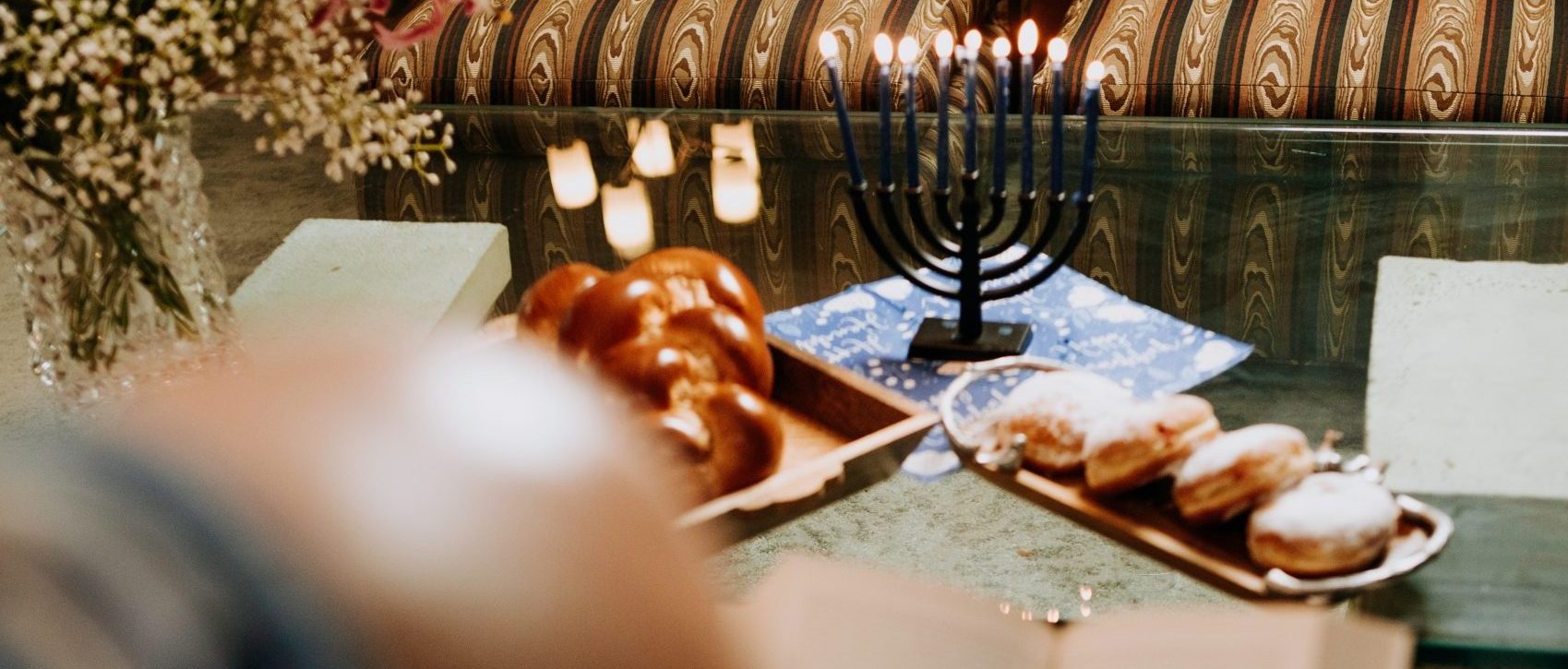
Then you are done, but many people like to sing songs and stay nearby to enjoy the lights. Grab your doughnuts and dreidels!

You should get candles that burn as long as possible so they can last from Hanukkah candle lighting time at sundown 30 minutes before nightfall, and continue with enough fuel into the night. Whether wax candles or oil cups, let them burn into the nighttime naturally without extinguishing. This is especially important on Friday, when Hanukkah candles must be lit right before Shabbat candle lighting. On Saturday night, they are light right after Havdalah

What Are the 3 Blessings on the Hanukkah Menorah? 
pexels-cottonbro-studio-6054130

There are at most three blessings that are said over the Hanukkah candle, in Hebrew.     

On the first night, say:

  1. Baruch atah Ad•hnai El•haynu melech ha-olam, asher kideshahnu bemitzvohtahv vitzeevanu lihhahdleek nair (shel) chanukah
  2. Baruch atah Ad•hnai El•haynu melech ha-olam, she’asah neesim la’avotainu ba’yamin hahaim bizman hazeh

On the first night only, add:

  1. Baruch atah Ad•hnai El•haynu melech ha-olam, shehecheyanu vikimanu vehigeeanu, lizman hazeh
btn
What Does the Hanukkah Blessing Mean?

As with all prayer, there is a literal meaning, and beyond that is an even richer understanding. These remind us that to thank G-d for the miracles that have allowed the Jewish people to survive and flourish as a united people connected through Torah.

The Hanukkah candle lighting blessings translate to mean:

  1. Blessed are You, L-rd our G‑d, King of the universe, who has sanctified us with His commandments, and commanded us to light the Chanukah candle.
  2. Blessed are You, L-rd our G‑d, King of the universe, who performed miracles for our forefathers in those days, at this time.
  3. Blessed are You, L-rd our G‑d, King of the universe, who has granted us life, sustained us, and enabled us to reach this occasion

btn
Which Blessing is Said Only on the First Night of Hanukkah? 
read-4238398

There is a blessing known as Shehecheyanu, mentioned above, which out of all the blessings said on Hanukkah is only recited after lighting candles on the first night. Everything else remains the same night to night.

Shehecheyanu is recited relatively frequently to mark the novelty of a particular mitzvah the first time in a year that it happens. This is why women say it when lighting candles ahead of every major Jewish holiday, and likewise after holiday kiddush. It is also said before eating certain produce for the first time after Rosh Hashana for example. 

Since the second night of lighting candles is no longer new, it would not be fitting to say Shehecheyanu, but if you were prevented from lighting on the first night, you should say it after the first instance of reciting the Hanukkah candle blessings.

btn
What Else Do People Say Besides the Blessings?
pexels-rodnae-productions-6115402

In addition to all of the Hanukkah candle-lighting blessings, there are also a number of traditional songs that people sing. There are lots of customs for these that different communities have, but one particularly famous one that is sung all around the world is Ma’oz Tzur. These can often be found printed after the blessings in a siddur (prayer book) or online.

A widespread custom to give presents has emerged from the older tradition of giving money for Torah learning. Many families will give Hanukkah gifts, or donate money to charity on some or each of the nights after lighting candles.

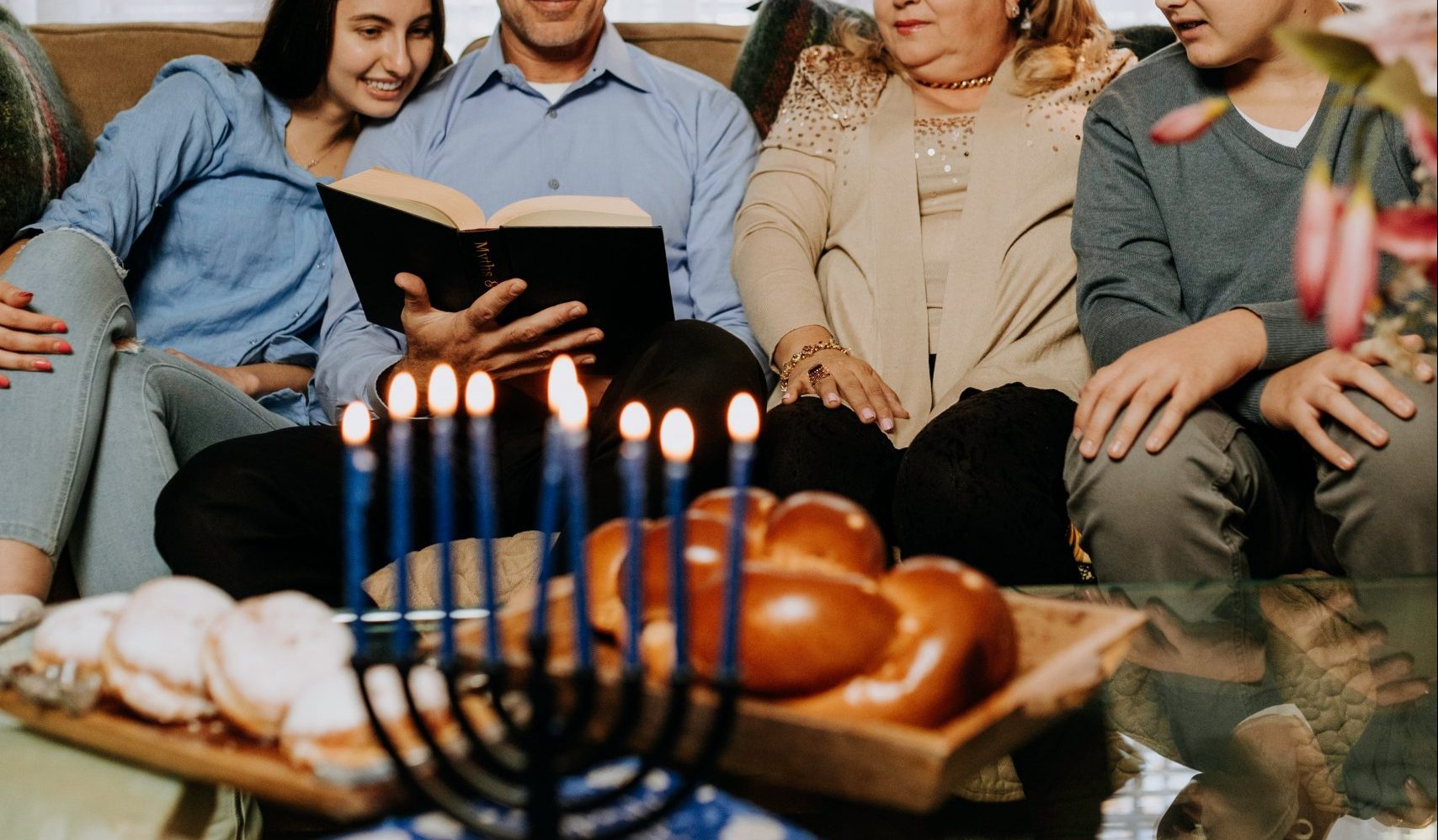
If you have children, extended family, or friends over at the time, it might be a nice time to read about Hanukkah or find other Jewish books. No matter what, this time should be spent festively and with the whole family together.

btn
Hanukkah Greetings
pexels-rodnae-productions-6116159

Beyond the household lighting candles together, Hanukkah is a great time to get together with friends and extended relatives. You might also have a neighbor or coworker who is celebrating if you aren’t yourself, whom you’d like to wish well for the holiday in person or with a card.  

“Happy Hanukkah” is a classic that you can’t go wrong with, but there are other traditional Hanukkah greetings in Hebrew. “Hanukkah sameach” is the Hebrew version of, “happy Hanukkah” while “chag urim sameach” means “happy Festival of Lights”. Just be sure to say ‘urim’ and not ‘Purim’, a different holiday.

Likewise, you can also use the more generic Hebrew “chag sameach” or Yiddish “gut yontif” which both mean “happy holiday”, and can be applied to any holiday throughout the year. 

Many Hanukkah cards will contain these messages, or you can write the messages in yourself. 

Be ready to light the candles this Hanukkah 2022 with all the gifts you need, direct from Israel.

btn

JWS POST YOU MAY LIKE

Round challah for Rosh Hashanah with honey
Round Challah for Rosh Hashanah with Honey
Rosh Hashanah recipes
What Are the Best Rosh Hashanah Recipes for a Sweet New Year?
When is Rosh Hashanah in 2026? In 2026, Rosh Hashanah begins at sundown on Friday, September 11, and ends at nightfall on Sunday, September 13. It falls on 1–2 Tishrei 5787 in the Hebrew calendar. Food plays a central role in Rosh Hashanah observance and tradition, with rich symbolism woven
A Jewish man blowing the Shofar (ram's horn), which is used to blow sounds on Rosh HaShana (the Jewish New Year) and Yom Kippur (day of Atonement)
Rosh Hashanah in the Bible: Origins of the Jewish New Year
Rosh Hashanah – the Jewish New Year, coming up September 11-12, 2026 – is one of the most important and widely celebrated holidays in Judaism. But while many are familiar with its modern customs, from apples dipped in honey to the sounding of the shofar, fewer know about its biblical
Rosh Hashanah fun for kids
Rosh Hashanah Activities for Kids: Fun & Meaningful Holiday Ideas
Looking for fun ways to keep kids busy this Rosh Hashanah? Discover hands-on crafts, apple-and-honey taste tests, family games and creative activities you can make with AI – all designed to bring more fun and meaning to the holiday.
Pomegranates for Rosh Hashanah
Why Do We Eat Pomegranates on Rosh Hashanah?
Pomegranates are a popular fruit to eat during Rosh Hashanah and a significant symbol in Judaism year-round, often gracing Judaica and Jewish jewelry. Since Rosh Hashanah 2026 begins on September 11 at sundown, now is the perfect time to learn more about the significance and symbolism of the pomegranate in Judaism and Rosh Hashanah!
A Jewish man blowing the Shofar (ram's horn), which is used to blow sounds on Rosh HaShana (the Jewish New Year) and Yom Kippur (day of Atonement)
From Reflection to Renewal: The Deep Meaning of Yom Kippur
Yom Kippur, the Day of Atonement, is the holiest day of the Jewish year: a time of reflection, forgiveness, and renewal. In 2026, it begins at sundown on Sunday, September 20, and lasts through the following evening. Marked by fasting, prayer, and other austere restrictions, Yom Kippur is often seen