

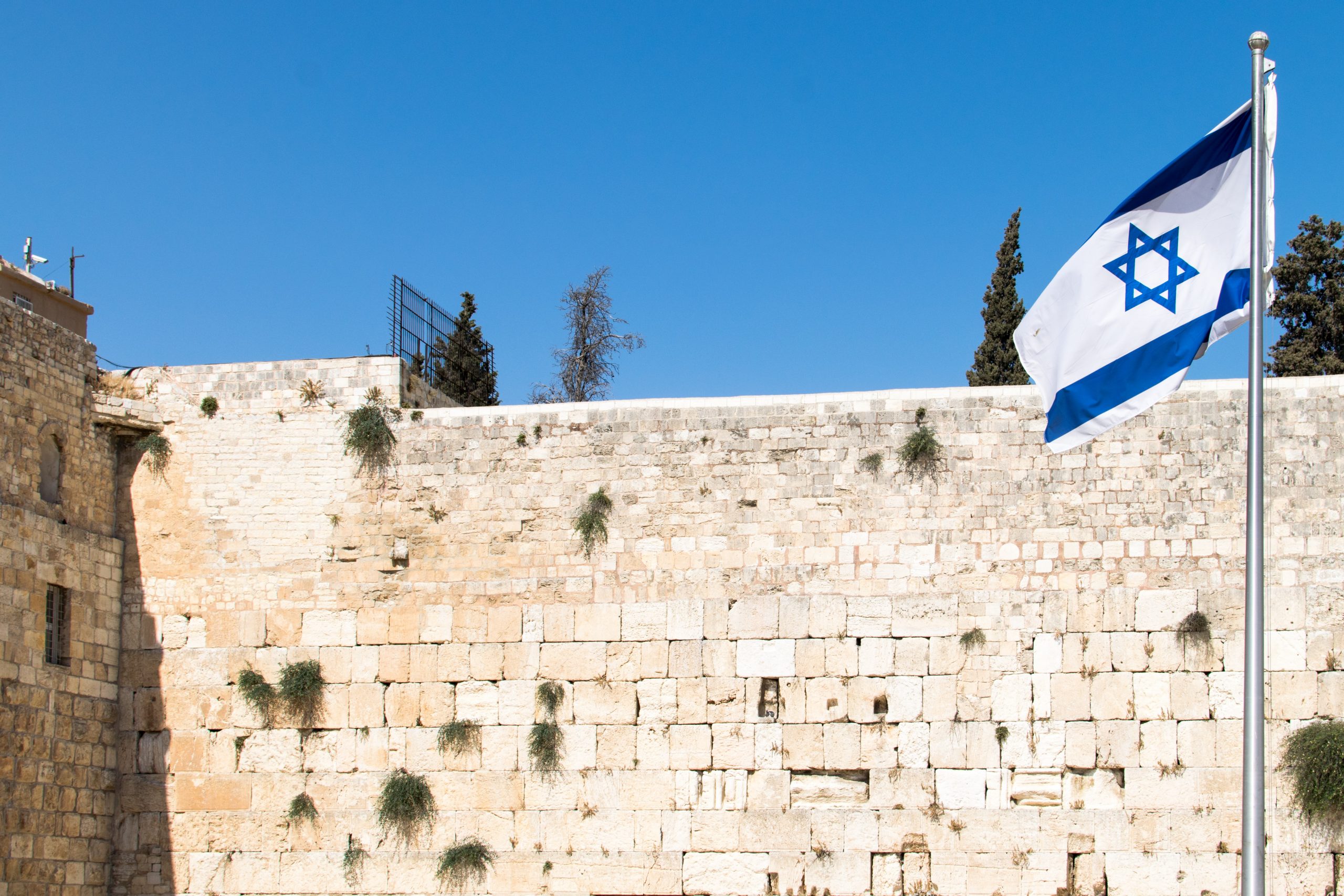
The Six-Day War was launched preemptively by Israel against its neighbors Egypt, Jordan, and Syria after months of dangerous tensions and mobilization on all sides. It was a war for Israel’s survival as the Arab countries around it sought to destroy it, and the Israeli military took a gamble by striking first but ended up swiftly decimating its enemies’ armed forces. Israel even advanced into and captured some of the surrounding territories: Gaza and the Sinai Peninsula from Egypt, East Jerusalem and the West Bank from Jordan, and the Golan Heights from Syria.
The war was a major victory for the IDF, for Israel, and for Jews around the world – not just strategically but also emotionally, as it solidified that Israel is here to stay and cannot be destroyed despite being surrounded by enemies. It’s one of the most widely-remembered events in Jewish and Israeli history to this day.

The newly gained territories became some of Israel’s biggest assets in terms of safety and security. The Sinai was an important buffer zone between Egypt and Israel and later a key bargaining chip in securing lasting peace between the two nations. The West Bank has served as a similar buffer against Jordan and others in the region, while holding the strategically located and elevated Golan Heights has allowed the IDF to protect Israel’s northern border like never before.
Moreover, Israel captured the areas of Jerusalem that had been under Jordanian military occupation since 1948, including the Old City and East Jerusalem.
This is one of the most important and lasting legacies of the Six-Day War, as it unified the Holy City and brought its oldest and holiest sites, including the Western Wall, under Jewish sovereignty and free access for the first time in modern history!
Today this reunification of Jerusalem is remembered with the Israeli national holiday of Jerusalem Day, and was already a poignant and emotional event at the time.

Israeli soldiers at the Western Wall in Jerusalem today (Photo: Oren Cohen)
The IDF paratroopers who secured the Old City have become famous heroes, and Israelis from all over the country poured in to see and pray at the Western Wall as soon as it was safe to do so – a tradition that continues annually on Jerusalem Day till today.
The triumphs of the Six-Day War inspired a new wave of Zionism and Jewish pride around the world, and the reunification of Jerusalem became a momentous event for Jews both in and outside Israel.
The swift and incredibly successful victory was seen by many as miraculous and a sign that the Jewish state can overcome any odds and will only continue to thrive.

IDF paratroopers at Jerusalem's Western Wall shortly after its capture in June 1967 (Photo: David Rubinger/Israel Government Press Office)
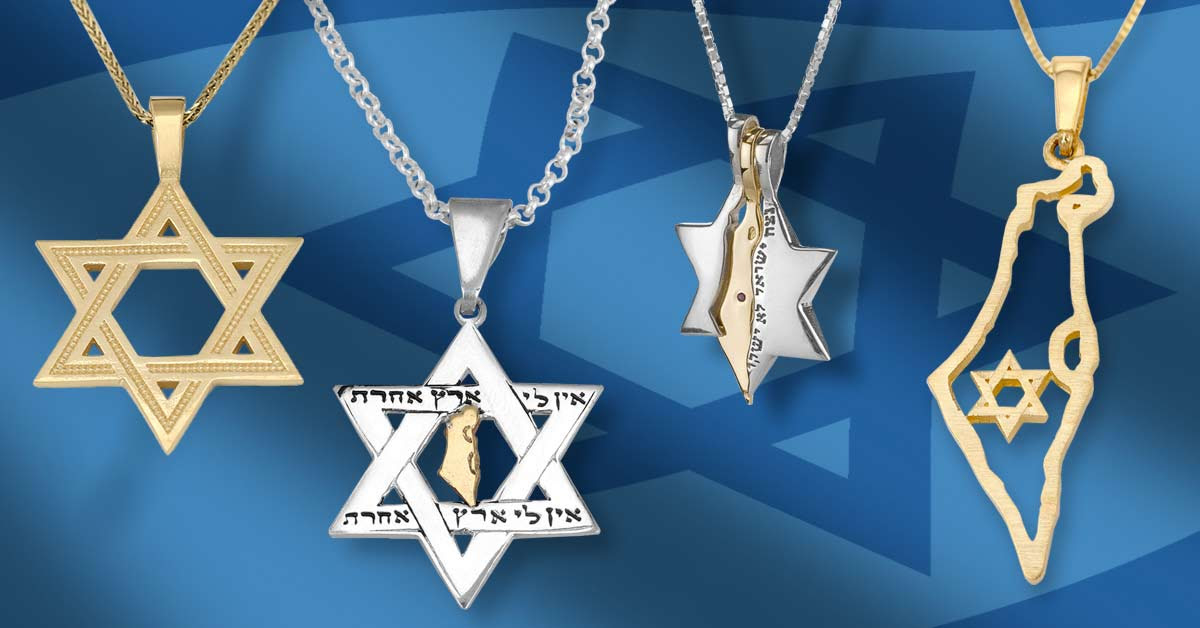
Many diaspora Jews overcame their initial skepticism towards the Zionist project and felt more connected to Israel after the 1967 war than ever. Visiting and volunteering in Israel become popular over the coming decades; various synagogues and Jewish organizations throughout the diaspora began adopting the Modern Hebrew system of pronunciation in solidarity with Israel; and symbols of Zionism and Jewish pride such as Israeli flags and Star of David jewelry became popular among Jews all over the world.
You too can celebrate Israel, the Israeli Army, and your Jewish identity and pride wherever you are! Check out Judaica WebStore’s fabulous Israeli-made gifts celebrating the IDF and the State of Israel, as well as our top 15 Jewish pride items and our best gifts for Jerusalem lovers.
And show off your love of the IDF and its brave soldiers wherever you are with our Top 10 Israeli Army Gifts!