

Now that Purim has finished, we are officially on our way to Passover. It might seem a little early for Pesach’s restrictions to already be in place, but there’s one custom that kicks in as soon as Purim ends.
It’s traditional not to eat matzah in the month from Purim until Pesach, so that the crispy sheets are a totally new experience on Seder night and you can enjoy them as if it’s your very first time. (There are a few variations of this custom though – some don’t eat matzah from the beginning of the Hebrew month Nissan for the two weeks until Passover, and some just don’t eat it on the day before the holiday.)
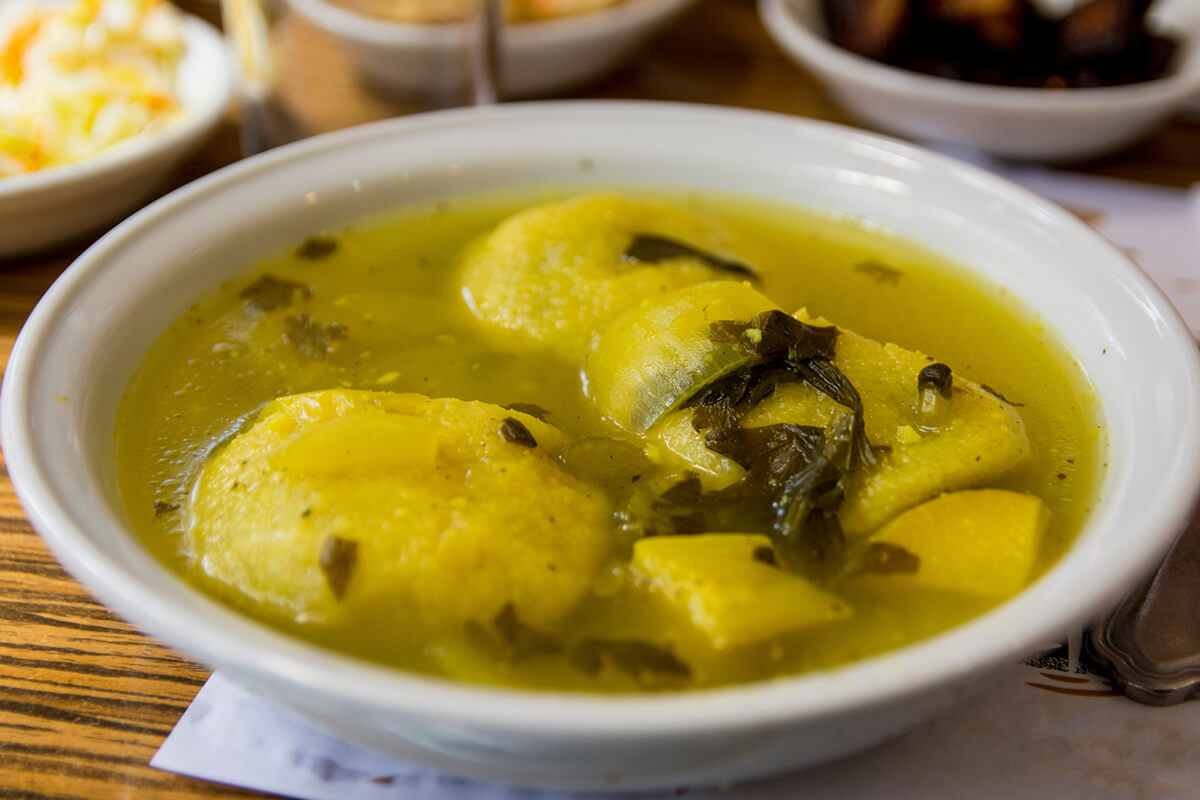
Maybe this doesn’t sound like the biggest deal… but it’s enough to make Friday night traditionalists very uncomfortable. After all, what’s a bowl of chicken soup without matzah balls? Sure, you could skip them and have matzah-ball-less broth to open your meal, but the puffy, fluffy balls are just as crucial to the perfect bowl of chicken soup as the carrots, onions, or noodles floating around in the steamy golden liquid.
We don’t think anyone should ever have to compromise on perfection, so instead of attempting your Friday night favourite without the matzah balls, we’ve come up with a few suggestions for other soups you could make instead. Nothing will be the same as getting your weekly chicken-noodle-matzah-ball soup fix, but these soups are nourishing, hearty, and delicious in their own right.
Roasted Tomato Soup
Sweeter and more deeply flavoured than regular tomato soup, roasted tomato soup is the go-to favourite in my house! Wash and quarter a few pounds of tomatoes and roast in a hot oven with olive oil, a couple of quartered onions and a head of garlic. Remove from the oven and allow to cool, then removed the charred skins and squeeze the roasted garlic pieces out of its skins. Place the tomatoes, onions, and garlic into a pot. Add stock to cover, bring to the boil, and blend. Season to taste and serve hot, garnished with basil leaves.
Leek and Potato Soup
This is a thick, creamy, indulgent soup your family will want time after time. Slice an onion and two or three very large leeks (white and pale green parts only) thinly, then cook in butter over a low heat. When soft, add potatoes, vegetable stock to cover, and salt, then cover and simmer for approximately 20 minutes or until the potatoes are tender. Blend and season, adding cream for a more decadent treat. If you don’t want it to be dairy, you can cook the leeks in sunflower oil and even switch the vegetable stock for chicken. Serve hot or cold with a swirl of crème fraiche and some chopped chives.
Orange Soup
Packed with beta carotene, fibre, and other healthy nutrients, orange soup is a cool-weather favourite! It’s super easy – saute chopped onions and garlic, add cubes of butternut squash and peeled, cubed sweet potato. Cover with water or stock, season with salt and pepper, and leave to simmer until the veg are soft. Blend until totally smooth (you can add more liquid if it’s too lumpy to process easily). The best part of this soup is its versatility: season with cinnamon for an autumnal twist, add red pepper flakes and serve with a dollop of Greek yoghurt, or trickle over some tahini and garnish with pine nuts and za’atar. Enjoy!
Plus don’t miss our recipe for amazing Israeli lentil soup – it’s protein-rich, warming, and yummy!