
Search

The Significance of Yom Ha’atzmaut

For Jews around the world, Yom Ha’atzmaut – Israel’s Independence Day – is a day of pride, reflection, and deep celebration.

What Does Yom Ha’atzmaut Mean in Israel?

In Israel, Yom Ha’atzmaut follows Yom Hazikaron, the country’s memorial day for fallen soldiers and victims of terror. While some find the emotional transition between these two days difficult, this juxtaposition serves as a poignant reminder of what has been sacrificed for the Jewish people to live freely in their homeland. The shift from mourning to joy reflects the resilience of a nation built on perseverance, hope, and divine promise. 

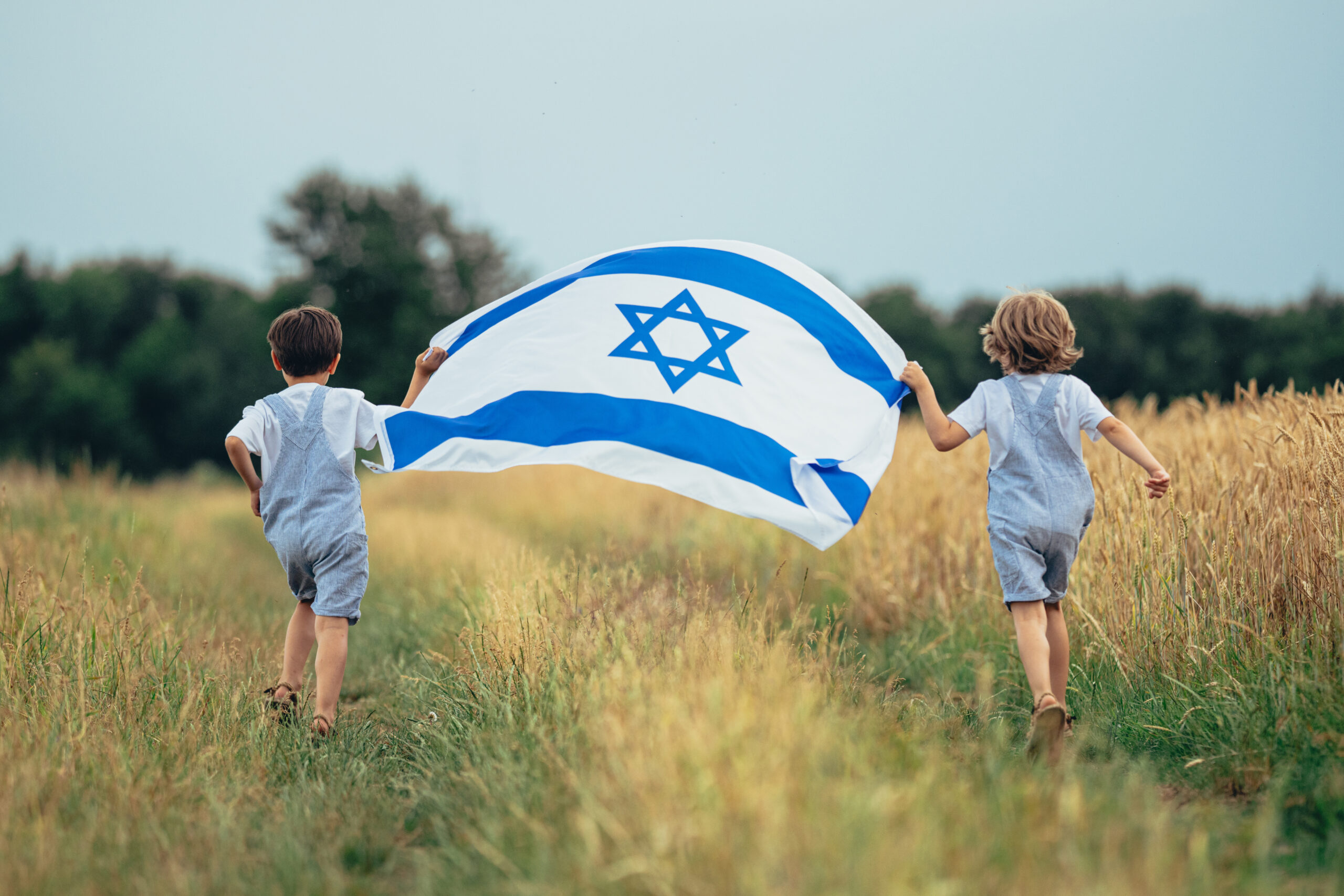
Yom Ha’atzmaut is not only a celebration of independence; it’s a day to recognize the miracle of having a Jewish state on the very land that holds our history, our faith, and our future. In Israel, it is a national holiday marked with flag-waving, barbecues, fireworks, and a sense of unity that fills the streets with blue and white. It’s also a day to thank God, to remember, and to rejoice. 

Unfortunately, not all religious groups agree with the idea of a Jewish state or reciting the Hallel prayer on this special day. However, the fact that the Jews have a land all their own to call home, to protect, and to nourish, is in itself a miracle.

 

Where It Meets the Jewish Diaspora

For Jews living in the diaspora, the experience can look different, but the essence is just as strong.

Since Yom Ha’atzmaut generally falls on a weekday, many families find creative ways to bring the spirit of Israel into their homes, schools, and communities. Children might sing “Happy Birthday” to Israel, bake flag-themed cakes, dress in blue and white, or take part in festive school assemblies and youth group events. Others mark the day with a picnic in the park, a family barbecue, or by singing the national anthem, Hatikvah, and reciting the Prayer for the Welfare of the State of Israel. Every moment becomes an opportunity to instill a sense of belonging and gratitude. Even a homemade cake with a flag and candles can become a powerful symbol: This is our home, and we are lucky and fortunate to have it. These joyful acts, whether large or small, create memories and a lasting sense of connection. 

There’s also a sense of nostalgia and pride that many carry from their own school experiences: Memories of joyful parades, themed activities, and schoolyard celebrations filled with music and unity. Some recall the thrill of leading daglanut (flag dances), or the sense of belonging that came from being surrounded by those equally excited to celebrate Israel. That pride often carries into adulthood, inspiring families to continue those traditions with their own children, creating continuity between generations. 

btn
The Significance of Yom Ha’atzmaut

Ultimately, Yom Ha’atzmaut is more than a national holiday - it’s a living connection to our people, our history, and our shared destiny. Whether celebrated on the streets of Tel Aviv or in a suburban backyard thousands of miles away, it’s a day to feel the joy of being part of something bigger than ourselves. It’s a day to remember how far we’ve come - and to look forward with hope! 

No matter where you are in the world, Yom Ha’atzmaut serves as a reminder that Israel is not just a place on the map - it’s a part of who we are.

btn
Gifts-Independence-Day_CATEGORY-Mobile

JWS POST YOU MAY LIKE

Round challah for Rosh Hashanah with honey
Round Challah for Rosh Hashanah with Honey
Rosh Hashanah recipes
What Are the Best Rosh Hashanah Recipes for a Sweet New Year?
When is Rosh Hashanah in 2026? In 2026, Rosh Hashanah begins at sundown on Friday, September 11, and ends at nightfall on Sunday, September 13. It falls on 1–2 Tishrei 5787 in the Hebrew calendar. Food plays a central role in Rosh Hashanah observance and tradition, with rich symbolism woven
A Jewish man blowing the Shofar (ram's horn), which is used to blow sounds on Rosh HaShana (the Jewish New Year) and Yom Kippur (day of Atonement)
Rosh Hashanah in the Bible: Origins of the Jewish New Year
Rosh Hashanah – the Jewish New Year, coming up September 11-12, 2026 – is one of the most important and widely celebrated holidays in Judaism. But while many are familiar with its modern customs, from apples dipped in honey to the sounding of the shofar, fewer know about its biblical
Rosh Hashanah fun for kids
Rosh Hashanah Activities for Kids: Fun & Meaningful Holiday Ideas
Looking for fun ways to keep kids busy this Rosh Hashanah? Discover hands-on crafts, apple-and-honey taste tests, family games and creative activities you can make with AI – all designed to bring more fun and meaning to the holiday.
Pomegranates for Rosh Hashanah
Why Do We Eat Pomegranates on Rosh Hashanah?
Pomegranates are a popular fruit to eat during Rosh Hashanah and a significant symbol in Judaism year-round, often gracing Judaica and Jewish jewelry. Since Rosh Hashanah 2026 begins on September 11 at sundown, now is the perfect time to learn more about the significance and symbolism of the pomegranate in Judaism and Rosh Hashanah!
A Jewish man blowing the Shofar (ram's horn), which is used to blow sounds on Rosh HaShana (the Jewish New Year) and Yom Kippur (day of Atonement)
From Reflection to Renewal: The Deep Meaning of Yom Kippur
Yom Kippur, the Day of Atonement, is the holiest day of the Jewish year: a time of reflection, forgiveness, and renewal. In 2026, it begins at sundown on Sunday, September 20, and lasts through the following evening. Marked by fasting, prayer, and other austere restrictions, Yom Kippur is often seen