
Search
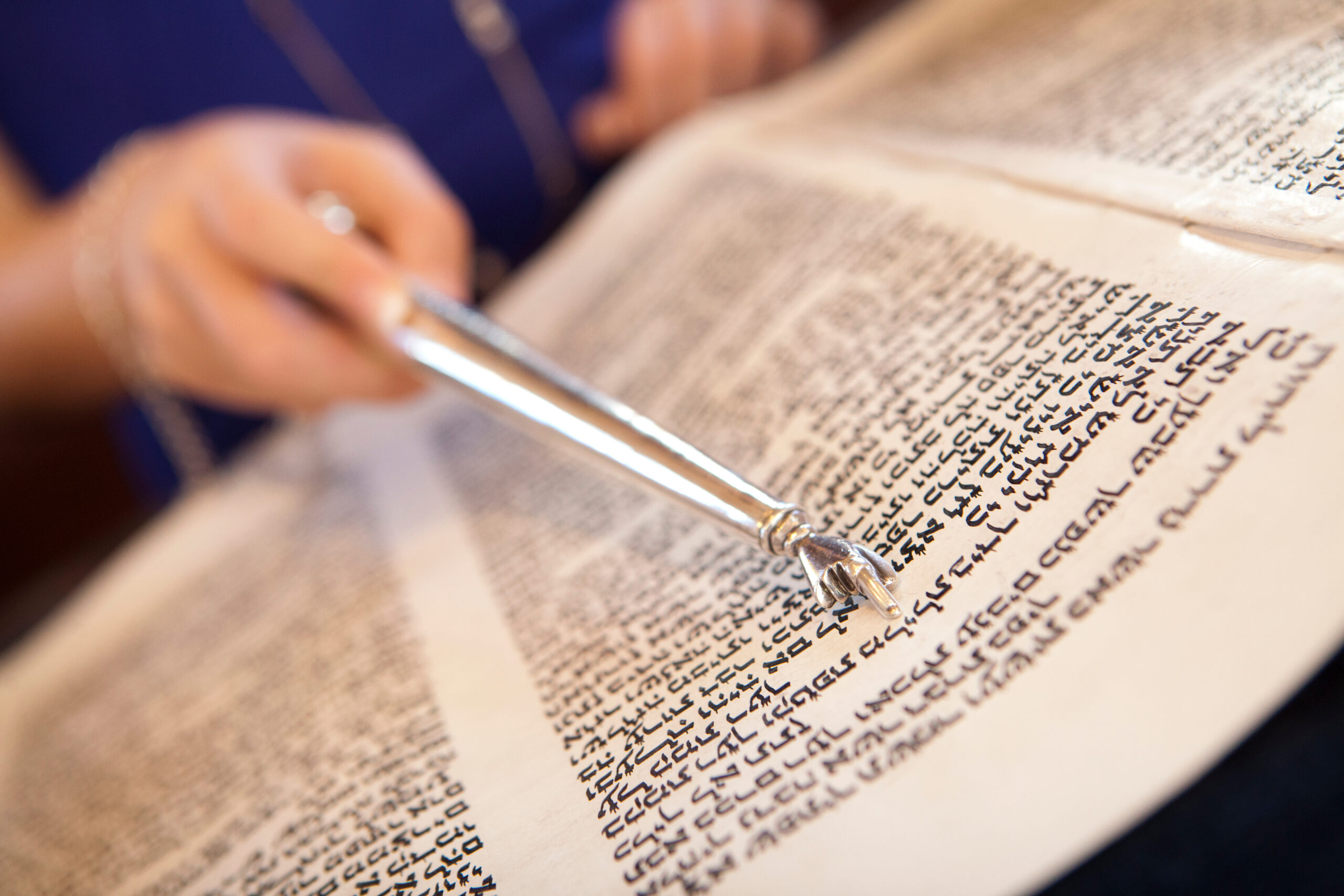
Yad Pointing at the Torah

What happens in Parashat Acharei Mot-Kedoshim?

Torah Portion Acharei Mot-Kedoshim in a Nutshell

  • Name: Acharei Mot-Kedoshim
  • Reading: Acharei Mot: Leviticus 16:1 – 18:30; Kedoshim: Leviticus 19:1 – 20:27
  • Double Parasha!


Parashat Acharei Mot-Kedoshim Summary


The Rituals of Yom Kippur

God tells Moses to command Aaron not to approach the Holy of Holies, because He appears in the cloud over the ark’s cover. He may only enter when he is dressed in his priestly finery, and then he will make sacrifices to atone for the Israelites’ sins. He is instructed to take two goats, and confess Israel’s sins over one and release it, and sacrifice the other with other animals. These rituals will be a permanent statute on the tenth day of the seventh month, which will be a day of affliction to cleanse your souls from your sins.

Do Not Eat Blood

God forbids the Israelites from eating any form of blood, for blood gives life, and because blood is used in purifying rituals in the Sanctuary. Do not eat blood from animals or birds that are hunted or that die of natural causes, as your soul will be cut off from the people.

Do not behave in the way the Egyptians behaved: keep My commands for I am the Lord your God.

Laws of Forbidden Sexual Relationships

Do not uncover the nakedness of your parents, your sister, your granddaughter, your aunt, your daughter-in-law, or your brother’s wife. Do not uncover the nakedness of a woman and her daughter, or her daughter’s children, or a woman and her sister. Do not sleep with a woman on her period, or with your neighbour’s wife.  Do not lie with a man as you would with a woman; do not lie with an animal.

You Should be Holy

God commands the people of Israel to be holy, then gives a list of commands to make them holy.

They include:

    • Fear your parents
    • Keep the Sabbath
    • Do not worship idols
    • Make sacrifices according to My instructions
    • Leave the corners of your fields when harvesting for the poor and for strangers
    • Don’t steal
    • Don’t deal falsely
    • Don’t lie
    • Don’t swear falsely in My name
    • Do not curse the death or put a stumbling block before the blind
    • Judge fairly
    • Don’t snitch or stand by the blood of other people
    • Don’t take revenge
    • Do not eat the fruit of new trees
    • Do not eat blood
    • Do not practice divination or magic
    • Have fair scales and balances
    • Do not curse your parents
    • Do not commit adultery


Beautiful Judaica by Judaica Webstore

JWS POST YOU MAY LIKE

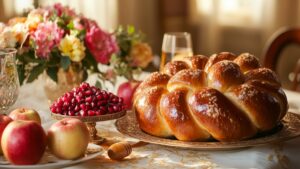
Round challah for Rosh Hashanah with honey
Round Challah for Rosh Hashanah with Honey
Rosh Hashanah recipes
What Are the Best Rosh Hashanah Recipes for a Sweet New Year?
When is Rosh Hashanah in 2026? In 2026, Rosh Hashanah begins at sundown on Friday, September 11, and ends at nightfall on Sunday, September 13. It falls on 1–2 Tishrei 5787 in the Hebrew calendar. Food plays a central role in Rosh Hashanah observance and tradition, with rich symbolism woven
A Jewish man blowing the Shofar (ram's horn), which is used to blow sounds on Rosh HaShana (the Jewish New Year) and Yom Kippur (day of Atonement)
Rosh Hashanah in the Bible: Origins of the Jewish New Year
Rosh Hashanah – the Jewish New Year, coming up September 11-12, 2026 – is one of the most important and widely celebrated holidays in Judaism. But while many are familiar with its modern customs, from apples dipped in honey to the sounding of the shofar, fewer know about its biblical
Rosh Hashanah fun for kids
Rosh Hashanah Activities for Kids: Fun & Meaningful Holiday Ideas
Looking for fun ways to keep kids busy this Rosh Hashanah? Discover hands-on crafts, apple-and-honey taste tests, family games and creative activities you can make with AI – all designed to bring more fun and meaning to the holiday.
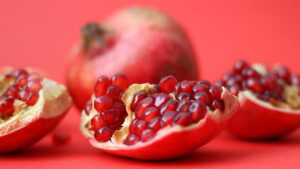
Pomegranates for Rosh Hashanah
Why Do We Eat Pomegranates on Rosh Hashanah?
Pomegranates are a popular fruit to eat during Rosh Hashanah and a significant symbol in Judaism year-round, often gracing Judaica and Jewish jewelry. Since Rosh Hashanah 2026 begins on September 11 at sundown, now is the perfect time to learn more about the significance and symbolism of the pomegranate in Judaism and Rosh Hashanah!
A Jewish man blowing the Shofar (ram's horn), which is used to blow sounds on Rosh HaShana (the Jewish New Year) and Yom Kippur (day of Atonement)
From Reflection to Renewal: The Deep Meaning of Yom Kippur
Yom Kippur, the Day of Atonement, is the holiest day of the Jewish year: a time of reflection, forgiveness, and renewal. In 2026, it begins at sundown on Sunday, September 20, and lasts through the following evening. Marked by fasting, prayer, and other austere restrictions, Yom Kippur is often seen