
Search
Sinai Desert

What happens in Parashat Bamidbar

Torah Portion Bamidbar in a Nutshell

  • Name: Bamidbar
  • Reading: Numbers 1:1 – 4:20
  • Haftarah: Hosea 2:1 – 2:22


Parashat Bamidbar Summary


Taking a Census

God tells Moses to take a census of the male Israelites according to their paternal families. They must count those eligible for war: males ages 20 and up. God appoints a representative from each house to help Moses. They take a census and the total is 603,550. This does not include the Levites.

The Levites

God tells Moses not to number the Levites in their own census. They are responsible for pitching and disassembling the Sanctuary.

Making Camp

God tells Moses how the Israelites should camp: certain tribes must be alongside each other, and the Sanctuary must be in the centre. Within their tribes, they will camp as families along with their father’s house.

The Priests

Aaron’s descendants are listed; we are reminded that Nadab and Abihu were killed for bringing a strange fire before God. God puts Aaron in charge of the house of Levi. They are to service the Sanctuary and Aaron and his sons will oversee them. God then claims all the firstborns – human and animal – for himself, in exchange for killing the Egyptians’ firstborns. He then tells the Levites how to care for the Sanctuary, and appoints specific jobs for each section of Levites. Eleazer is responsible for lighting the oil and incense, the meal offering and the Tabernacle as a whole. Aaron is warned to not let those with less “important” jobs stray from the other Levites.

 

Beautiful Judaica by Judaica Webstore

JWS POST YOU MAY LIKE

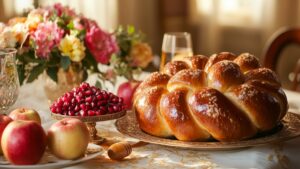
Round challah for Rosh Hashanah with honey
Round Challah for Rosh Hashanah with Honey
Rosh Hashanah recipes
What Are the Best Rosh Hashanah Recipes for a Sweet New Year?
When is Rosh Hashanah in 2026? In 2026, Rosh Hashanah begins at sundown on Friday, September 11, and ends at nightfall on Sunday, September 13. It falls on 1–2 Tishrei 5787 in the Hebrew calendar. Food plays a central role in Rosh Hashanah observance and tradition, with rich symbolism woven
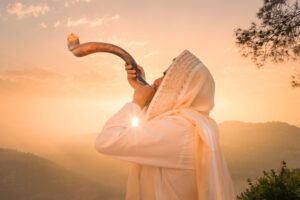
A Jewish man blowing the Shofar (ram's horn), which is used to blow sounds on Rosh HaShana (the Jewish New Year) and Yom Kippur (day of Atonement)
Rosh Hashanah in the Bible: Origins of the Jewish New Year
Rosh Hashanah – the Jewish New Year, coming up September 11-12, 2026 – is one of the most important and widely celebrated holidays in Judaism. But while many are familiar with its modern customs, from apples dipped in honey to the sounding of the shofar, fewer know about its biblical
Rosh Hashanah fun for kids
Rosh Hashanah Activities for Kids: Fun & Meaningful Holiday Ideas
Looking for fun ways to keep kids busy this Rosh Hashanah? Discover hands-on crafts, apple-and-honey taste tests, family games and creative activities you can make with AI – all designed to bring more fun and meaning to the holiday.
Pomegranates for Rosh Hashanah
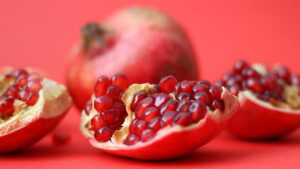
Why Do We Eat Pomegranates on Rosh Hashanah?
Pomegranates are a popular fruit to eat during Rosh Hashanah and a significant symbol in Judaism year-round, often gracing Judaica and Jewish jewelry. Since Rosh Hashanah 2026 begins on September 11 at sundown, now is the perfect time to learn more about the significance and symbolism of the pomegranate in Judaism and Rosh Hashanah!
A Jewish man blowing the Shofar (ram's horn), which is used to blow sounds on Rosh HaShana (the Jewish New Year) and Yom Kippur (day of Atonement)
From Reflection to Renewal: The Deep Meaning of Yom Kippur
Yom Kippur, the Day of Atonement, is the holiest day of the Jewish year: a time of reflection, forgiveness, and renewal. In 2026, it begins at sundown on Sunday, September 20, and lasts through the following evening. Marked by fasting, prayer, and other austere restrictions, Yom Kippur is often seen