
Search
Ten commandments

What happens in Parashat Vaetchanan?

Torah Portion Vaetchanan in a Nutshell

  • Name: Vaetchanan (Va’etchanan)
  • Reading: Deuteronomy 3:23 – 7:11
  • Haftarah: Isaiah 40:1 – 40:26


Parashat Vaetchanan Summary


Moses Continues his Final Speech

Overlooking the Rover Jordan, Moses continues his final speech to the Israelites. He tells them that he begged God to allow him to see the promised land, but that in His anger, He refused, and that Joshua will take over as their leader.

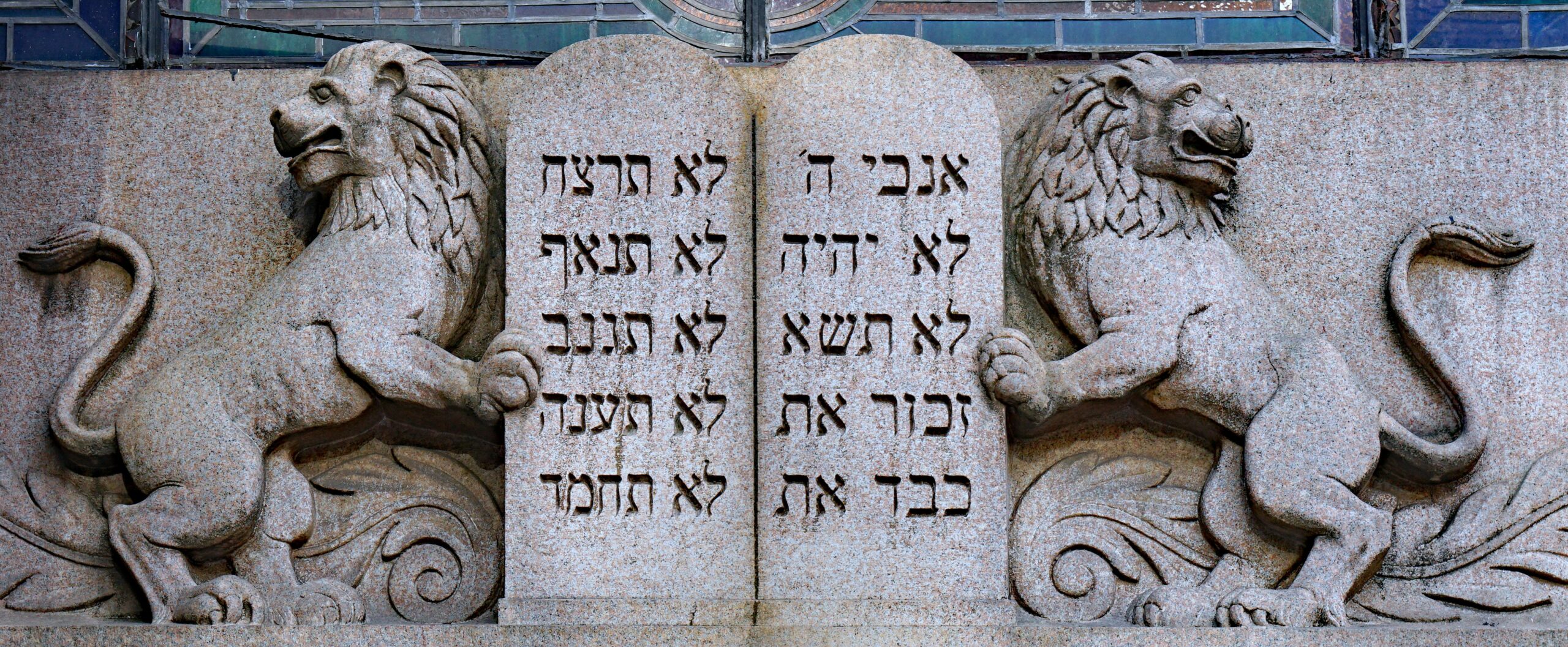
He tells the Israelites to follow what he says exactly, without adding or subtracting anything, and reminds them that only those who listened to God are still alive today. He reminds them that God spoke to the whole nation at Mount Sinai from a cloud of fire, and that God gave them the Ten Commandments carved into tablets of stone. Moses reminds the people not to make idols or worship anything other than God.

He warns them that in future generations, when the land is long theirs, they will become corrupt and do evil in God’s eyes. When this happens, God will scatter them among the nations where they will serve other gods. Eventually, they will find their way back to God, who will not forget the covenant He made with their fathers.

Moses then repeats the Ten Commandments to his nation, and says the Shema prayer. He tells the Israelites that they must obey God because He chose them above all the other nations, and destroyed other people in order to make the Israelites his.

 

Beautiful Judaica by Judaica Webstore

JWS POST YOU MAY LIKE

Round challah for Rosh Hashanah with honey
Round Challah for Rosh Hashanah with Honey
Rosh Hashanah recipes
What Are the Best Rosh Hashanah Recipes for a Sweet New Year?
When is Rosh Hashanah in 2026? In 2026, Rosh Hashanah begins at sundown on Friday, September 11, and ends at nightfall on Sunday, September 13. It falls on 1–2 Tishrei 5787 in the Hebrew calendar. Food plays a central role in Rosh Hashanah observance and tradition, with rich symbolism woven
A Jewish man blowing the Shofar (ram's horn), which is used to blow sounds on Rosh HaShana (the Jewish New Year) and Yom Kippur (day of Atonement)
Rosh Hashanah in the Bible: Origins of the Jewish New Year
Rosh Hashanah – the Jewish New Year, coming up September 11-12, 2026 – is one of the most important and widely celebrated holidays in Judaism. But while many are familiar with its modern customs, from apples dipped in honey to the sounding of the shofar, fewer know about its biblical
Rosh Hashanah fun for kids
Rosh Hashanah Activities for Kids: Fun & Meaningful Holiday Ideas
Looking for fun ways to keep kids busy this Rosh Hashanah? Discover hands-on crafts, apple-and-honey taste tests, family games and creative activities you can make with AI – all designed to bring more fun and meaning to the holiday.
Pomegranates for Rosh Hashanah
Why Do We Eat Pomegranates on Rosh Hashanah?
Pomegranates are a popular fruit to eat during Rosh Hashanah and a significant symbol in Judaism year-round, often gracing Judaica and Jewish jewelry. Since Rosh Hashanah 2026 begins on September 11 at sundown, now is the perfect time to learn more about the significance and symbolism of the pomegranate in Judaism and Rosh Hashanah!
A Jewish man blowing the Shofar (ram's horn), which is used to blow sounds on Rosh HaShana (the Jewish New Year) and Yom Kippur (day of Atonement)
From Reflection to Renewal: The Deep Meaning of Yom Kippur
Yom Kippur, the Day of Atonement, is the holiest day of the Jewish year: a time of reflection, forgiveness, and renewal. In 2026, it begins at sundown on Sunday, September 20, and lasts through the following evening. Marked by fasting, prayer, and other austere restrictions, Yom Kippur is often seen