
Search
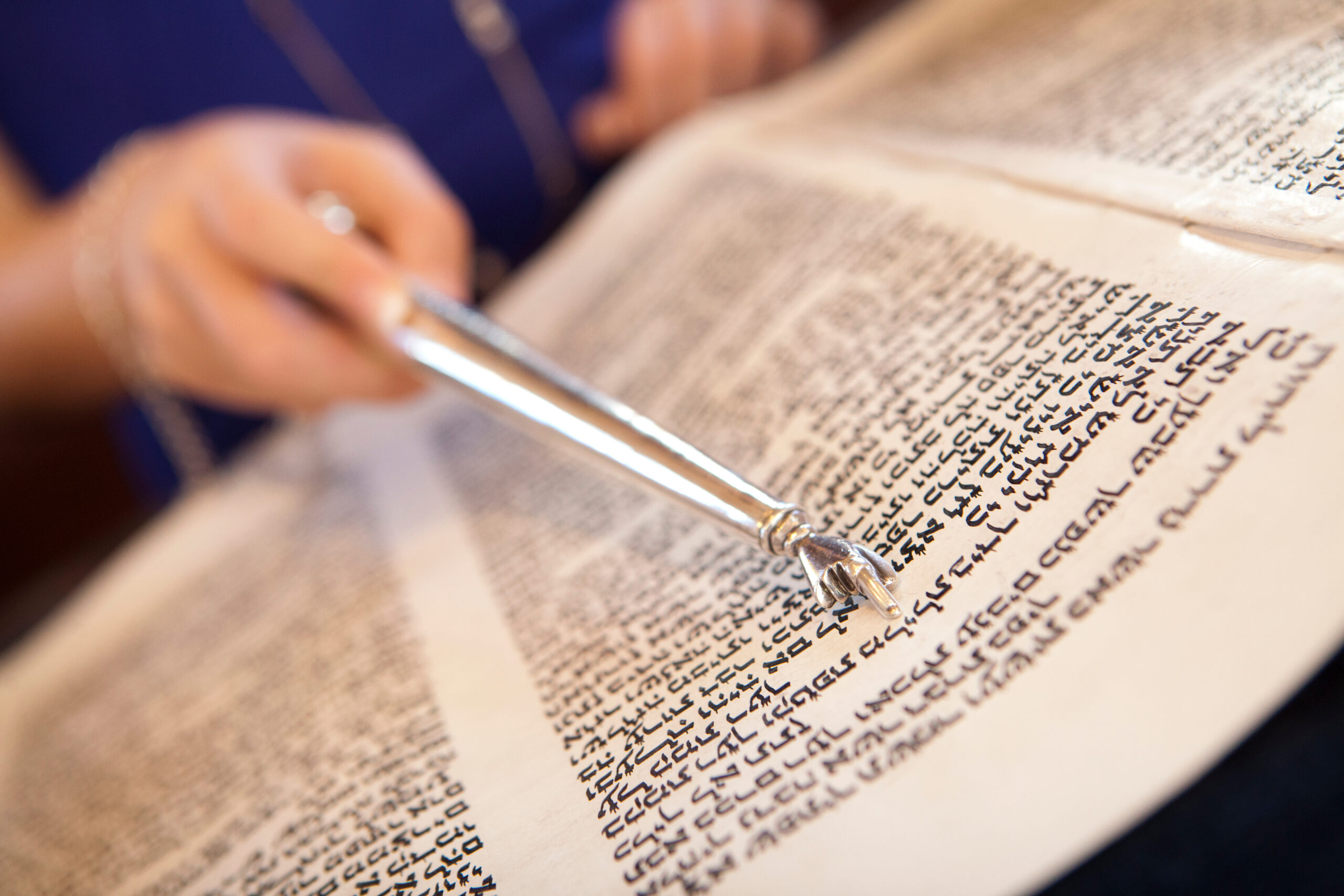
Yad Pointing at the Torah

What happens in Parashat Vayigash?

Torah Portion Vayigash in a Nutshell

  • Name: Vayigash
  • Reading: Genesis 44:18 – 47:27
  • Haftarah: Ezekiel 37:15 – 37:28


Parashat Vayigash Summary


Preface: Joseph’s silver goblet has just been recovered in Benjamin’s bag. Joseph commands the brothers to leave and decrees that Benjamin must remain behind as a slave.

Judah Begs Joseph

Judah tells Joseph the story of Benjamin: that he is the son of his father’s old age, and the last child of his mother as his brother is dead. He recounts that Joseph insisted that Benjamin came to Egypt against his father’s wishes and that if anything befalls the precious youngest son, their father will fall to an early grave. He begs Joseph to let Benjamin go free and stay behind as a slave himself.

Joseph Reveals Himself to his Brothers

Joseph sends his servants out of the room and tells his brothers who he is. He cries and tells them that he is not angry that they sold him because God brought him to Egypt to save lives. He tells the brothers to go to Jacob and tell him that his son is alive and that they should all come to Egypt with their families and flocks to live in Goshen.

Joseph hugs Benjamin and the brothers cry together. He embraces his other brothers. Pharoah is pleased to hear of the reunion and tells Joseph to give his brothers provisions and wagons for the journey. Joseph sends the brothers away with changes of clothing and donkeys laden with food and Egypt’s wealth.

Jacob Comes to Egypt

Jacob is shocked to hear that his precious son Joseph lives. He leaves for Egypt so that he can see his son before he dies. God reassures Jacob that He will make his children into a great nation in Egypt, so Jacob sets off with his family. His descendants are listed. Joseph arrives in his great chariot to greet Jacob and cries with his father. Pharoah tells the family to live in Goshen, and they become wealthy.

The people of Egypt and Canaan have traded all their money and cattle for food. Joseph buys their land from them on Pharoah’s behalf so that they can buy more food for the rest of the famine.

 

Beautiful Judaica by Judaica Webstore

JWS POST YOU MAY LIKE

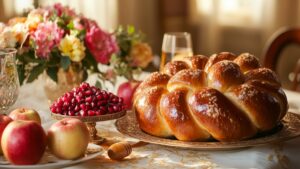
Round challah for Rosh Hashanah with honey
Round Challah for Rosh Hashanah with Honey
Rosh Hashanah recipes
What Are the Best Rosh Hashanah Recipes for a Sweet New Year?
When is Rosh Hashanah in 2026? In 2026, Rosh Hashanah begins at sundown on Friday, September 11, and ends at nightfall on Sunday, September 13. It falls on 1–2 Tishrei 5787 in the Hebrew calendar. Food plays a central role in Rosh Hashanah observance and tradition, with rich symbolism woven
A Jewish man blowing the Shofar (ram's horn), which is used to blow sounds on Rosh HaShana (the Jewish New Year) and Yom Kippur (day of Atonement)
Rosh Hashanah in the Bible: Origins of the Jewish New Year
Rosh Hashanah – the Jewish New Year, coming up September 11-12, 2026 – is one of the most important and widely celebrated holidays in Judaism. But while many are familiar with its modern customs, from apples dipped in honey to the sounding of the shofar, fewer know about its biblical
Rosh Hashanah fun for kids
Rosh Hashanah Activities for Kids: Fun & Meaningful Holiday Ideas
Looking for fun ways to keep kids busy this Rosh Hashanah? Discover hands-on crafts, apple-and-honey taste tests, family games and creative activities you can make with AI – all designed to bring more fun and meaning to the holiday.
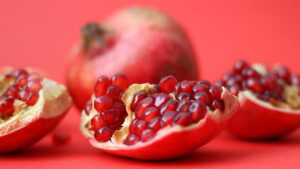
Pomegranates for Rosh Hashanah
Why Do We Eat Pomegranates on Rosh Hashanah?
Pomegranates are a popular fruit to eat during Rosh Hashanah and a significant symbol in Judaism year-round, often gracing Judaica and Jewish jewelry. Since Rosh Hashanah 2026 begins on September 11 at sundown, now is the perfect time to learn more about the significance and symbolism of the pomegranate in Judaism and Rosh Hashanah!
A Jewish man blowing the Shofar (ram's horn), which is used to blow sounds on Rosh HaShana (the Jewish New Year) and Yom Kippur (day of Atonement)
From Reflection to Renewal: The Deep Meaning of Yom Kippur
Yom Kippur, the Day of Atonement, is the holiest day of the Jewish year: a time of reflection, forgiveness, and renewal. In 2026, it begins at sundown on Sunday, September 20, and lasts through the following evening. Marked by fasting, prayer, and other austere restrictions, Yom Kippur is often seen