Search

Tree of Life: Symbolism and History

In this journey, we will uncover the biblical origins of the Tree of Life, its symbolic meanings, mystical interpretations, and its influence on Jewish practice and art. Through examples, quotes, and references, we will delve into the layers of meaning that this symbol holds.

What is the Tree of Life?

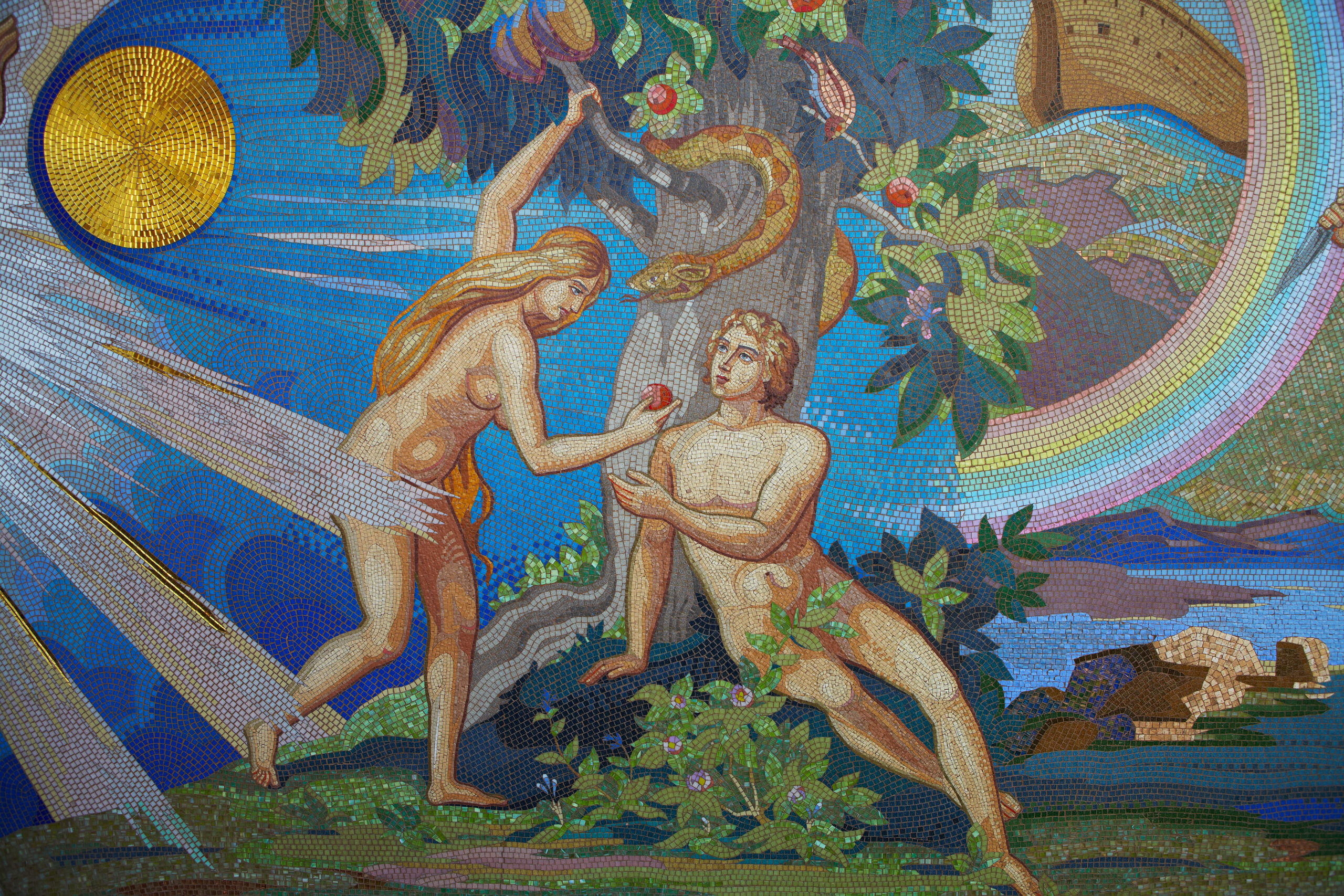
The Tree of Life (Etz Chaim) first appears in the Torah within the creation narrative in Genesis. Planted at the heart of the Garden of Eden, alongside the Tree of Knowledge of Good and Evil, it is described as a source of eternal life: “The Lord God caused to grow… the Tree of Life in the middle of the garden” (Genesis 2:9). Unlike the Tree of Knowledge, whose fruit Adam and Eve consumed, the Tree of Life was not touched, leaving its mystery intact.

The Ramban interprets the Tree of Life as representing immortality, noting that eating from its fruit would have granted eternal life. In contrast, the Tree of Knowledge introduced moral complexity and the concept of choice. This duality finds echoes in later Jewish thought, where the Tree of Life is subtly associated with the afterlife and the continuity of the soul.
Interpretations Across Time

Rabbinic literature and the Medrash offer various insights into the Tree of Life. It is often seen as a metaphor for Torah, the eternal wisdom that sustains life. Proverbs 3:18 famously states, “It is a tree of life for those who grasp it, and those who uphold it are blessed.” This verse is recited during the Torah service, underscoring the connection between the Tree of Life and the Torah.

The Zohar, a foundational text of Kabbalah, delves deeply into its mystical dimensions, portraying it as a conduit between heaven and earth, linking creation to the divine. The Zohar describes the Tree of Life as a source of divine light, symbolizing the harmonious flow of spiritual energy.

btn
The Kabbalistic Tree of Life

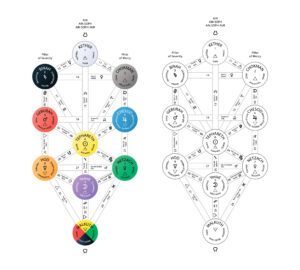
Central to Kabbalistic thought, the Tree of Life is depicted as a diagram comprising ten sefirot. These represent attributes through which divine energy flows into the world, such as wisdom (Chochmah), understanding (Binah), and kindness (Chesed). The sefirot are arranged in three columns, symbolizing balance and harmony.

The Ari (Rabbi Isaac Luria), a prominent Kabbalist, expanded on this structure, describing the interconnected pathways that link the sefirot. These pathways represent the flow of divine energy and provide a framework for understanding the spiritual dynamics of the universe.

Mystical Teachings

The Kabbalistic Tree of Life serves as a roadmap for understanding God’s essence and creation. By meditating on the sefirot, one can ascend spiritually, drawing closer to the divine. Kabbalists view the Tree of Life as a microcosm of the universe, reflecting the unity and complexity of creation.

For example, the sefirot of Chesed (kindness) and Gevurah (strength) balance each other, teaching the importance of integrating compassion with discipline in one’s spiritual journey. These teachings resonate in Jewish rituals that emphasize balance, such as the lighting of yahrzeit candles, symbolizing remembrance and the eternal light of the soul.

btn
Kabbalah-Jewelry-_CATEGORY_3
The Symbolism of the Tree of Life

In Jewish tradition, the Tree of Life represents divine wisdom, spiritual nourishment, and the path to eternal life. The Torah itself is often referred to as Etz Chaim, emphasizing its role as a guide to moral and spiritual elevation. Rabbi Samson Raphael Hirsch explains that just as a tree nourishes and sustains life, the Torah provides spiritual sustenance and guidance.

The Tree of Life is invoked during yahrzeits, anniversaries of a loved one’s passing, as a symbol of continuity and eternal connection between the soul and eternal divinity.

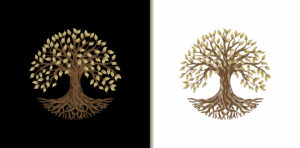
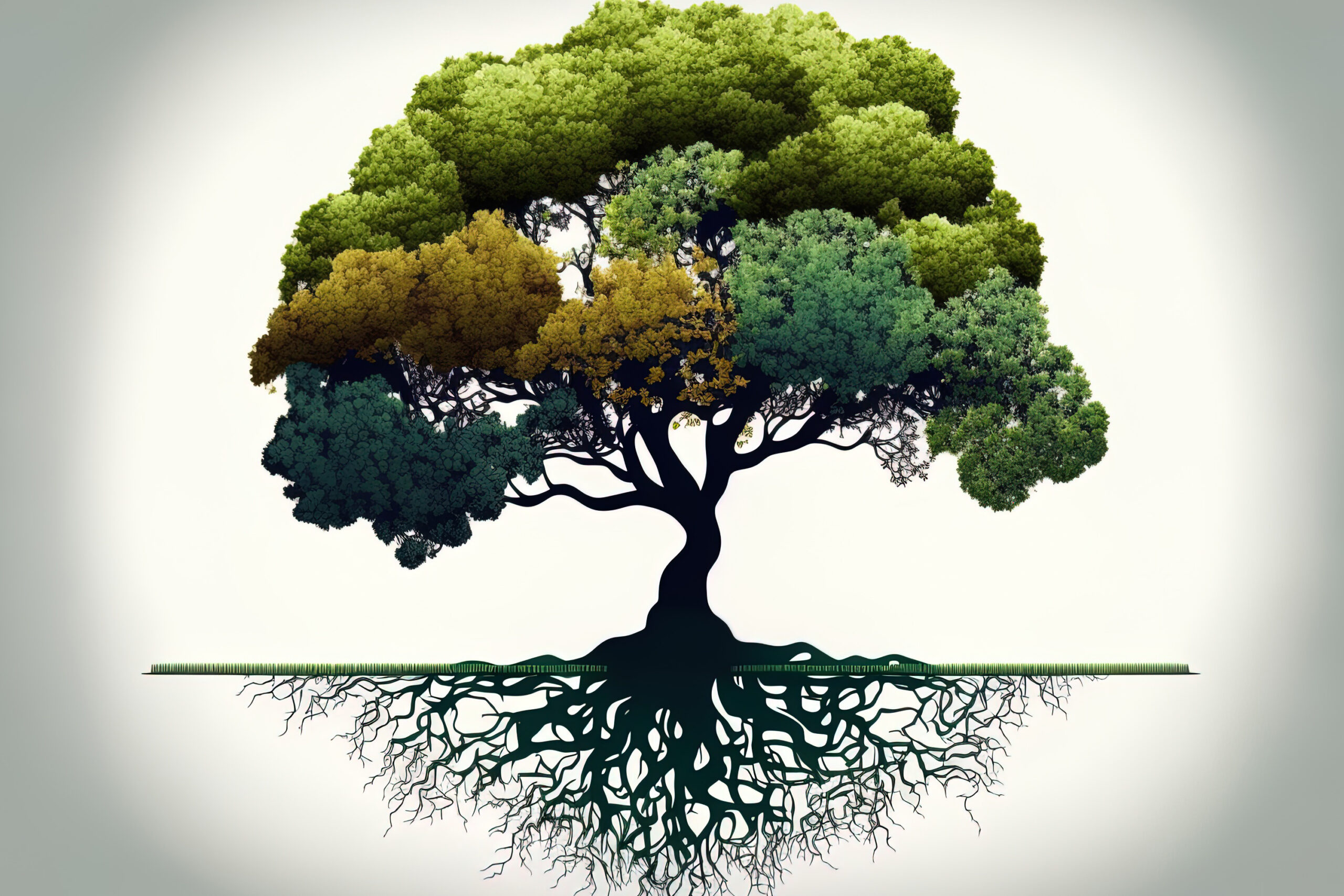
The structure of a tree—with its roots anchored in the ground, its trunk rising toward the heavens, and its branches spreading outward—serves as a powerful metaphor. The roots signify a firm foundation in tradition, the trunk symbolizes strength and growth, and the branches reflect the interconnectedness of all life. This imagery is often used in Jewish teachings to illustrate the balance between grounding oneself in tradition and reaching for spiritual heights.

btn
The Two Trees in Jewish Tradition
Religion. Mosaic. Orthodox church in Kirowograd Ukraine

The Tree of Life and the Tree of Knowledge represent distinct yet interconnected ideas. The former symbolizes divine connection and eternal wisdom, while the latter embodies moral discernment and human choice. Together, they frame the spiritual dilemmas faced by humanity.

Rashi, the medieval commentator, notes that the Tree of Knowledge introduced mortality and struggle into the human experience, whereas the Tree of Life represents the potential for redemption and eternal unity with God. This contrast is reflected in Jewish mourning practices, where the Tree of Life serves as a quiet reminder of the soul’s enduring connection to the divine.

Lessons and Themes

The narrative of the two trees teaches profound lessons about free will, the pursuit of knowledge, and the consequences of our choices. The Medrash elaborates on how humanity’s journey toward redemption involves reconnecting with the Tree of Life through Torah and mitzvot. This journey reflects a return to the purity and harmony of the Garden of Eden.

Angels, like animals, do not have free will, but angels are immortal. Mankind having eaten the fruit of the Tree of Knowledge have free will and therefore an ability to interact with the world in unordained ways. Had they eaten from both trees, then this would make us “like gods” (Genesis 3:5). Instead, through leading a good life one—using free will productively—later reconnect one with God eternally.

btn
Modern Interpretations and Artistic Depictions

Today, the Tree of Life continues to inspire Jewish thought and practice. Its themes of growth, connection, and resilience resonate deeply in a world seeking spiritual grounding. The Tree of Life has also become a symbol of unity and healing, often invoked in response to challenges faced by the Jewish community. This symbolism is particularly poignant in yahrzeit observances, where the image of a tree reflects the enduring impact of a loved one’s life.

Artistic Representation

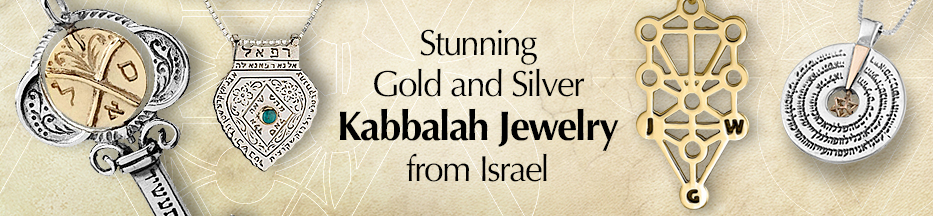
Jewellery featuring the Tree of Life is a common way for individuals to express their connection to Jewish identity. The motif’s intricate designs often include Hebrew verses or symbols, blending aesthetics with spiritual significance. These pieces are sometimes given as gifts during life-cycle events, subtly linking the Tree of Life to milestones and transitions.

btn
Tree-of-Life-Jewelry_CATEGORY_1
Final Thoughts

The Tree of Life stands as a timeless symbol of divine wisdom, spiritual growth, and eternal connection. Its roots in the Garden of Eden, its profound interpretations in Rabbinic and mystical thought, and its artistic and practical expressions make it a cornerstone of Jewish tradition.

As the Tree of Life reaches upward, may we continue to grow in wisdom, connection, and spirituality.

If you are looking to connect to the Tree of Life and all that it represents, find out Tree of Life gifts and judaica here.

btn
Tree-of-Life-Gifts-2020-CAT_10

JWS POST YOU MAY LIKE

Round challah for Rosh Hashanah with honey
Round Challah for Rosh Hashanah with Honey
Rosh Hashanah recipes
What Are the Best Rosh Hashanah Recipes for a Sweet New Year?
When is Rosh Hashanah in 2026? In 2026, Rosh Hashanah begins at sundown on Friday, September 11, and ends at nightfall on Sunday, September 13. It falls on 1–2 Tishrei 5787 in the Hebrew calendar. Food plays a central role in Rosh Hashanah observance and tradition, with rich symbolism woven
A Jewish man blowing the Shofar (ram's horn), which is used to blow sounds on Rosh HaShana (the Jewish New Year) and Yom Kippur (day of Atonement)
Rosh Hashanah in the Bible: Origins of the Jewish New Year
Rosh Hashanah – the Jewish New Year, coming up September 11-12, 2026 – is one of the most important and widely celebrated holidays in Judaism. But while many are familiar with its modern customs, from apples dipped in honey to the sounding of the shofar, fewer know about its biblical
Rosh Hashanah fun for kids
Rosh Hashanah Activities for Kids: Fun & Meaningful Holiday Ideas
Looking for fun ways to keep kids busy this Rosh Hashanah? Discover hands-on crafts, apple-and-honey taste tests, family games and creative activities you can make with AI – all designed to bring more fun and meaning to the holiday.
Pomegranates for Rosh Hashanah
Why Do We Eat Pomegranates on Rosh Hashanah?
Pomegranates are a popular fruit to eat during Rosh Hashanah and a significant symbol in Judaism year-round, often gracing Judaica and Jewish jewelry. Since Rosh Hashanah 2026 begins on September 11 at sundown, now is the perfect time to learn more about the significance and symbolism of the pomegranate in Judaism and Rosh Hashanah!
A Jewish man blowing the Shofar (ram's horn), which is used to blow sounds on Rosh HaShana (the Jewish New Year) and Yom Kippur (day of Atonement)
From Reflection to Renewal: The Deep Meaning of Yom Kippur
Yom Kippur, the Day of Atonement, is the holiest day of the Jewish year: a time of reflection, forgiveness, and renewal. In 2026, it begins at sundown on Sunday, September 20, and lasts through the following evening. Marked by fasting, prayer, and other austere restrictions, Yom Kippur is often seen