Search

What YOU Can Do To Help Israel’s Forests This Tu BiShvat

Israeli forest

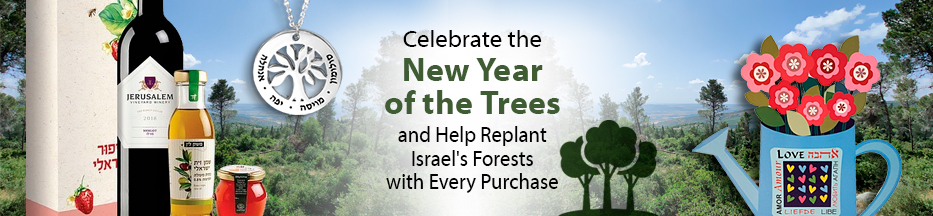
In honor of the upcoming holiday of Tu BiShvat, the New Year of the Trees, Judaica WebStore is partnering with the Jewish National Fund to help replant Israel’s forests that were burned down in the devastating fires of 2021.

We’ll be donating 10% of our profits between now and Tu BiShvat, January 17, to JNF’s forest rehabilitation project.

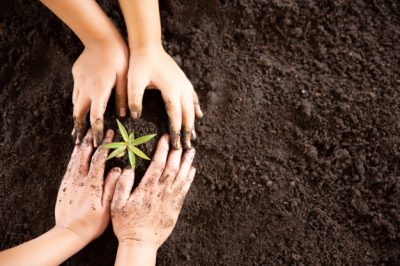
child-hands-holding-caring-young-green-plant_1150-12738

That means that every purchase from our site will help plant trees in Israel, and spread hope and optimism to a devastated land. It’s the perfect opportunity to stock up on some Judaica and Jewish art, and connect with Israel in a special way while leaving a positive mark on the land!

The megafires of 2021

The summer of 2021 saw multiple wildfires raging in the forests outside Jerusalem throughout the month of August, which shook the nation. Although thankfully there was no loss of human life, due to quick and successful evacuations of nearby communities, the destruction was nonetheless devastating.

The enormous fires consumed about 6,200 acres of forest in the Judean hills, burning down countless trees and plants and destroying important habitats for local wildlife. About 100,000 animals are estimated to have perished in the fires, and untold numbers of insects that the local ecosystem depends on. The aftermath, some of which can be seen from the main highway leading in and out of Jerusalem, is heartbreaking as well as very concerning for local wildlife and for what it means for the planet and our future.

Although there have been allegations of arson as to the cause of the start of the fires, the reason why they spread so quickly and were so difficult to contain is, sadly, climate change. Israeli weather has been increasingly hotter and dryer from year to year, with the rising temperatures and longer summer dry season contributing to massive wildfires every few years.

According to Israel’s Environmental Protection Ministry, given current trends the future is only expected to bring more “rising temperatures, declining rainfall, and an increase in the rate and intensity of extreme events such as heatwaves and fires.”

On the other hand, trees themselves also help to regulate temperatures, which means that destroying forests leads to an even more rapid acceleration in global warming.
Help Israel’s forests with every purchase and celebrate the New Year of the Trees, with our beautiful Tu BiShvat gifts from the Land of Israel.

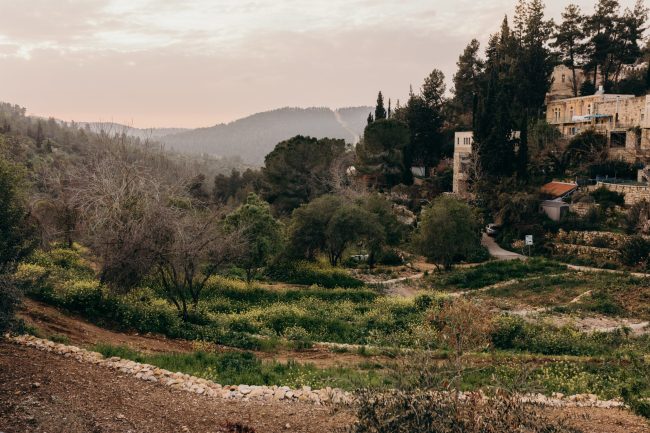
laura-siegal-_6d1KujNzug-unsplash
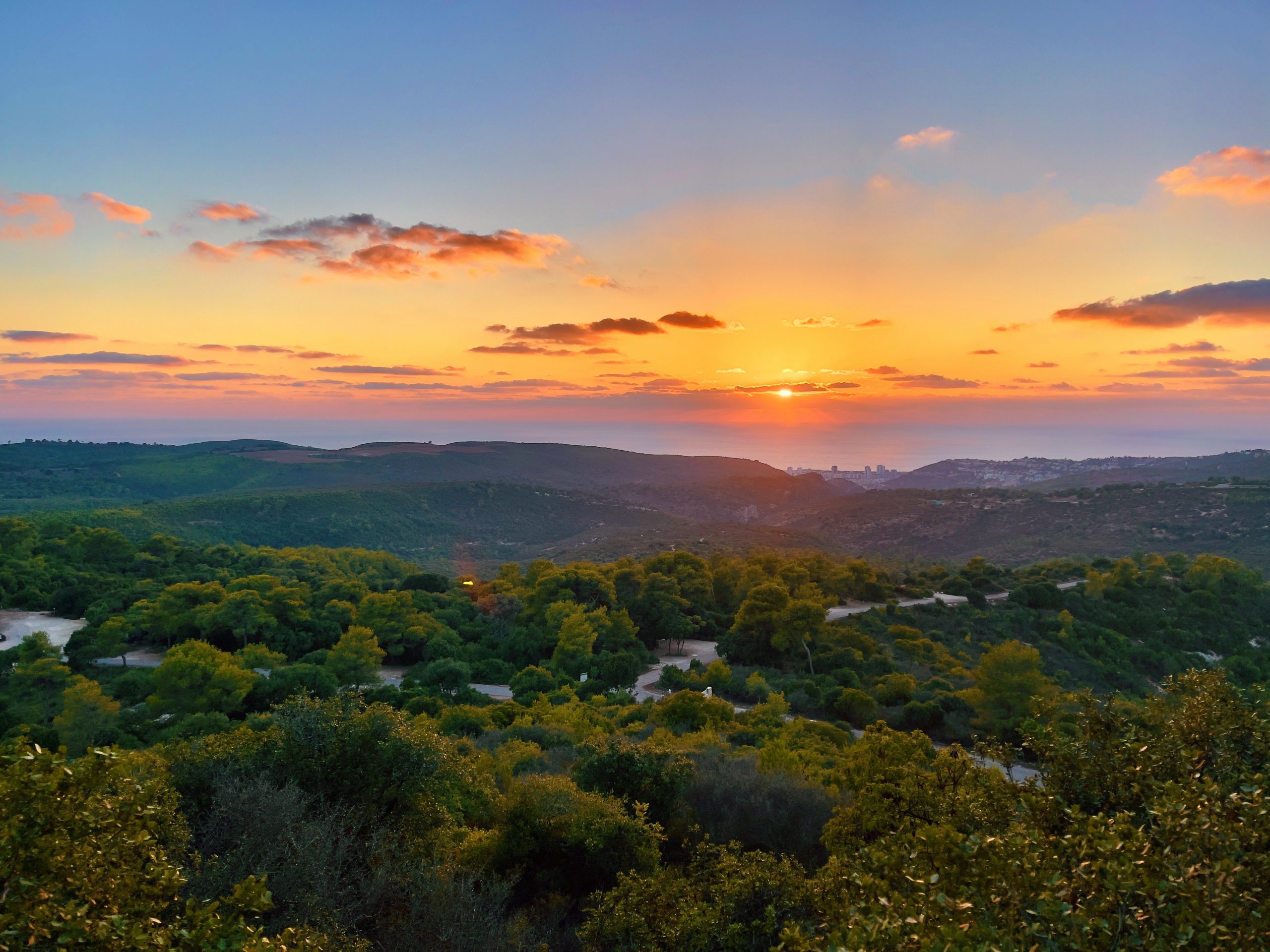
Forests and vegetation in the Judean hills outside Jerusalem

What can be done in the aftermath

The Israeli government is investing in measures to prevent future wildfires from reaching a similar magnitude as well as fighting them more quickly and efficiently, in addition to rehabilitating the destroyed forest. 

Non-profit organizations like the Jewish National Fund (KKL-JNF), which owns some of the Jerusalem forest, are also spearheading rehabilitation projects and allowing private citizens to contribute to the replanting of Israel’s lost trees.

One challenge is that this year (the Hebrew year 5782, which started on Rosh Hashanah) is the Jewish shmita year, and Jewish law prevents planting new vegetation and many other agricultural activities in the Land of Israel during this time in order to allow the land to rest, which means replanting can’t occur in its regular fashion. (You can read more about shmita in our blog post here.)

However, shmita is also a time that forces us to reflect on our relationship with the land and how we are treating the earth and its nature, and the heartbreak of the devastated forests is just another factor forcing us to reexamine human actions that affect the environment and the planet.

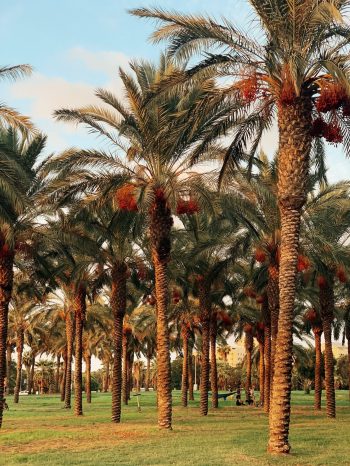
so-very-ged0idQLsJg-unsplash-1536x2048
Israeli date trees

On account of the shmita year, the Jewish National Fund’s replanting project is in two parts and compliant with Jewish law: trees from donations will be planted in biodegradable containers at a nursery, and later replanted in the Jerusalem forest next year, in 5783.

You too can contribute to these important replanting efforts, simply by shopping on our site between now and Tu BiShvat, January 17 – we will be donating 10% of our profits directly to KKL-JNF’s forest rehabilitation project!

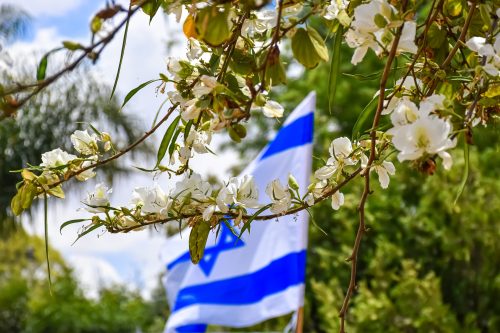
israeli-flag-g3478e71f4_1920

Restoring and protecting Israel’s beautiful forests and natural fauna is important to preserving local wildlife, protecting the ecosystem, and helping to slow rising temperatures and global warming.

Shop our gorgeous Tree of Life gifts from Israeli artisans, and get in touch with Biblical tradition and a powerful symbol of life and nature.

Relation to Tu BiShvat

Since the upcoming holiday of Tu BiShvat (from sundown on Sunday, January 16 to sundown on January 17) is also known as the New Year of the Trees and is commonly associated with planting trees and celebrating nature, it’s really the perfect opportunity to focus on restoring Israel’s forests and giving back to the environment!

You can read more about the holiday of Tu BiShvat with our recent blog post here, including its common traditions and how it came to be associated with trees, nature, and the Land of Israel.

And help us celebrate the New Year of the Trees and plant some trees in Israel with every purchase from our site from now until the end of the holiday!

Check out our top 12 Tu BiShvat gifts from Israel’s best companies and artists, from wine to home décor to ritual items that will remind you of the message of the holiday all year.

JWS POST YOU MAY LIKE

Round challah for Rosh Hashanah with honey
Round Challah for Rosh Hashanah with Honey
Rosh Hashanah recipes
What Are the Best Rosh Hashanah Recipes for a Sweet New Year?
When is Rosh Hashanah in 2026? In 2026, Rosh Hashanah begins at sundown on Friday, September 11, and ends at nightfall on Sunday, September 13. It falls on 1–2 Tishrei 5787 in the Hebrew calendar. Food plays a central role in Rosh Hashanah observance and tradition, with rich symbolism woven
A Jewish man blowing the Shofar (ram's horn), which is used to blow sounds on Rosh HaShana (the Jewish New Year) and Yom Kippur (day of Atonement)
Rosh Hashanah in the Bible: Origins of the Jewish New Year
Rosh Hashanah – the Jewish New Year, coming up September 11-12, 2026 – is one of the most important and widely celebrated holidays in Judaism. But while many are familiar with its modern customs, from apples dipped in honey to the sounding of the shofar, fewer know about its biblical
Rosh Hashanah fun for kids
Rosh Hashanah Activities for Kids: Fun & Meaningful Holiday Ideas
Looking for fun ways to keep kids busy this Rosh Hashanah? Discover hands-on crafts, apple-and-honey taste tests, family games and creative activities you can make with AI – all designed to bring more fun and meaning to the holiday.
Pomegranates for Rosh Hashanah
Why Do We Eat Pomegranates on Rosh Hashanah?
Pomegranates are a popular fruit to eat during Rosh Hashanah and a significant symbol in Judaism year-round, often gracing Judaica and Jewish jewelry. Since Rosh Hashanah 2026 begins on September 11 at sundown, now is the perfect time to learn more about the significance and symbolism of the pomegranate in Judaism and Rosh Hashanah!
A Jewish man blowing the Shofar (ram's horn), which is used to blow sounds on Rosh HaShana (the Jewish New Year) and Yom Kippur (day of Atonement)
From Reflection to Renewal: The Deep Meaning of Yom Kippur
Yom Kippur, the Day of Atonement, is the holiest day of the Jewish year: a time of reflection, forgiveness, and renewal. In 2026, it begins at sundown on Sunday, September 20, and lasts through the following evening. Marked by fasting, prayer, and other austere restrictions, Yom Kippur is often seen