
Did you know Israel has its own iconic stone, used by Jews in the Jerusalem area for thousands of years till this day? You might have heard of “Jerusalem Stone” or seen Judaica items made out of it – read on to learn its long history and significance in the Land of Israel!

What is Jerusalem Stone?
“Jerusalem Stone” is a term used for three types of stone – limestone, dolomite, and dolomitic limestone – naturally found all over the Jerusalem area and the Judean hills in Israel. This sturdy rock has been quarried and used in buildings continuously since ancient times until today and is the true foundation of the city – incredibly popular and strong enough that structures made with it hundreds and even thousands of years ago are still standing in Jerusalem today! It is used all over Jerusalem and is what gives the city its magnificent and timeless look.

Where and how is it used?
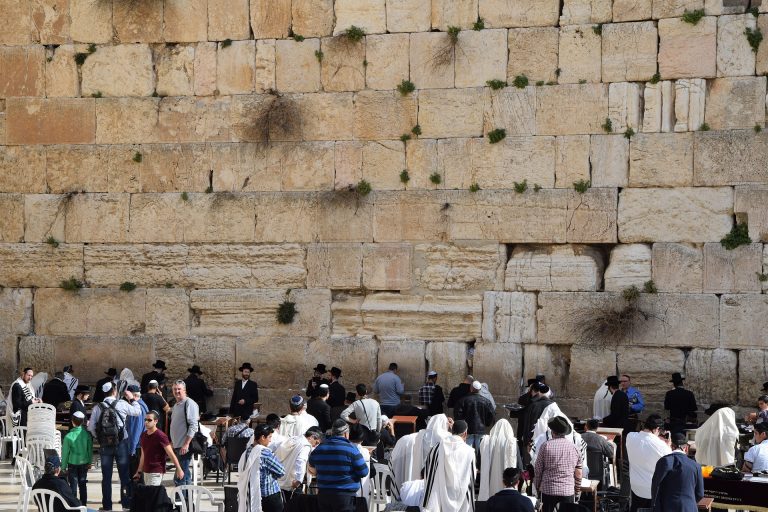
The most famous structure made with Jerusalem Stone is the Western Wall, a supportive wall built in 19 BCE around the Second Temple – and the main remnant of the Temple complex that survived the Roman destruction in 70 CE and still stands today. However, you can see this beautiful stone all over the Old City of Jerusalem in its buildings, arches, streets, and walkways – sometimes smooth and sometimes textured, in various light shades.
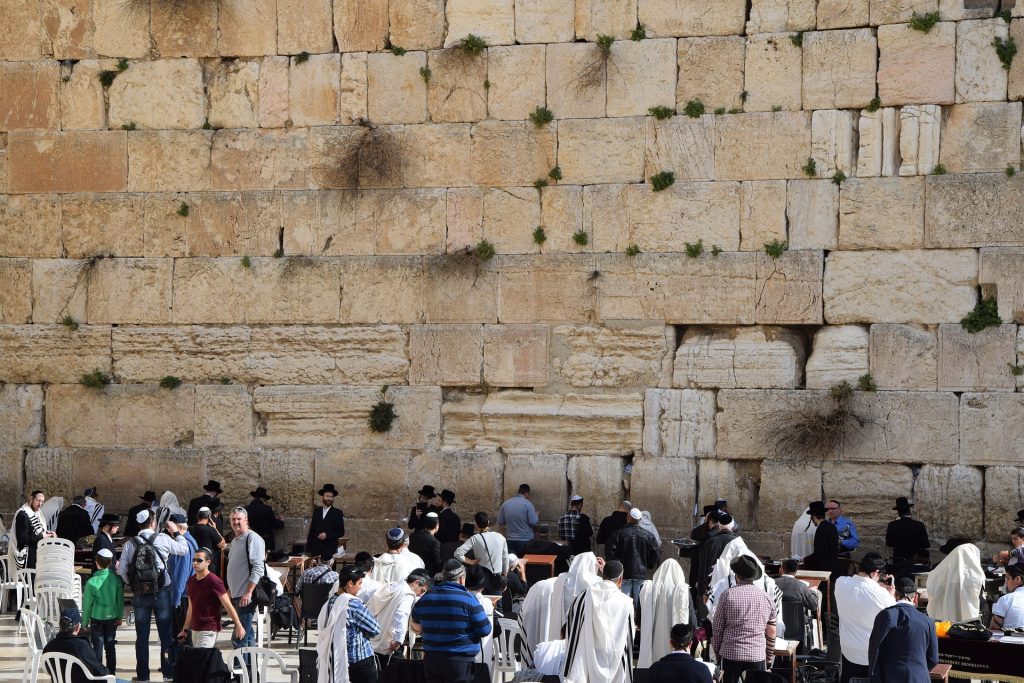

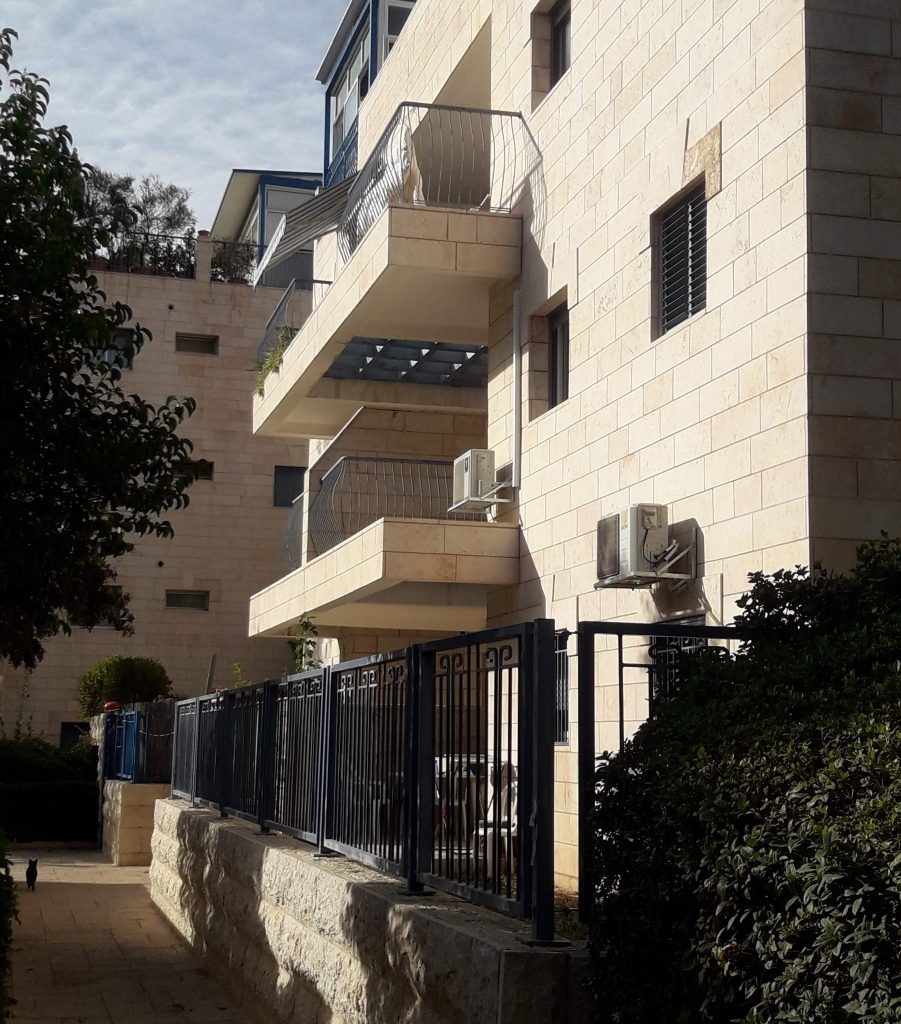
In fact, almost every building in the entire city of Jerusalem, from ancient to modern, is built out of Jerusalem Stone! It’s not just the most widely available sturdy building material in the area, but since the time of the British Mandate there have actually been municipal laws requiring all new buildings in the city of Jerusalem to use this local stone for their exterior.
Occasional exceptions have been allowed, but otherwise nearly every building in Jerusalem is made out of Jerusalem Stone! In many neighborhoods the classic material is also incorporated into sidewalks, so you are truly surrounded by this ancient and special stone everywhere.
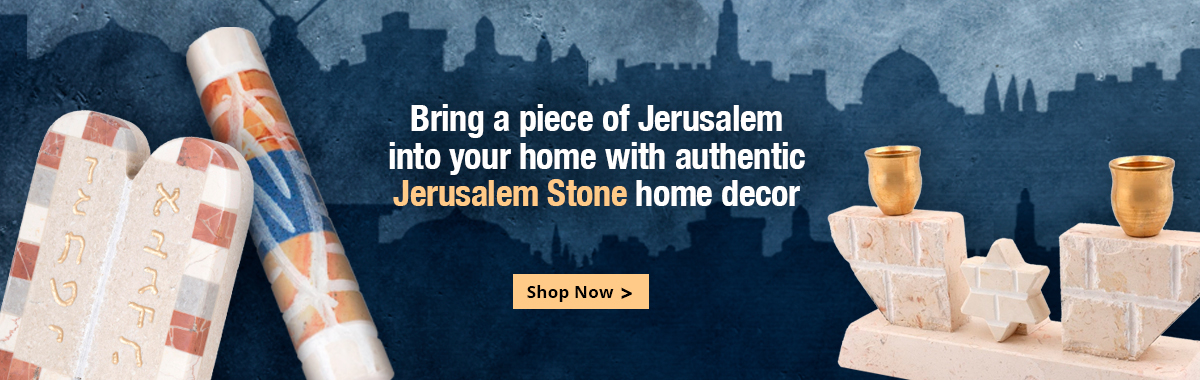
Many buildings in other areas of Israel use Jerusalem Stone as well, and it is sometimes even brought over and used on Jewish buildings in the United States and elsewhere in the diaspora, such as synagogues and community centers, as a symbol of Jewish connection to the Land of Israel. Because it is a true physical reminder of Jerusalem and a literal piece of the Holy Land, it’s also often incorporated into Judaica.
What does Jerusalem Stone look like?
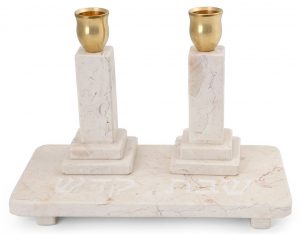
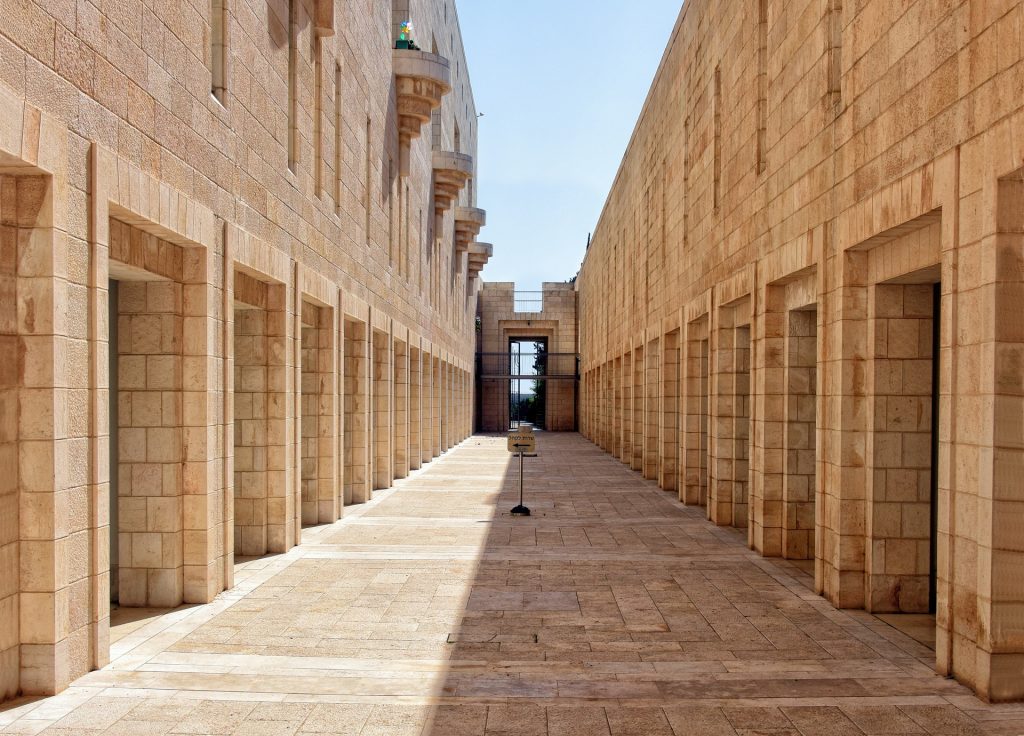
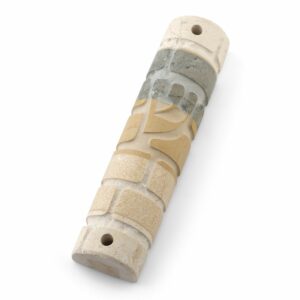
Jerusalem Stone comes in a few different natural colors and shades, from white to yellow to grey, to even rosy pink and orange-brown red! It may have “veins” running through it giving it a marbled effect, and is naturally textured but is often smoothed out before use.
Jerusalem of Gold
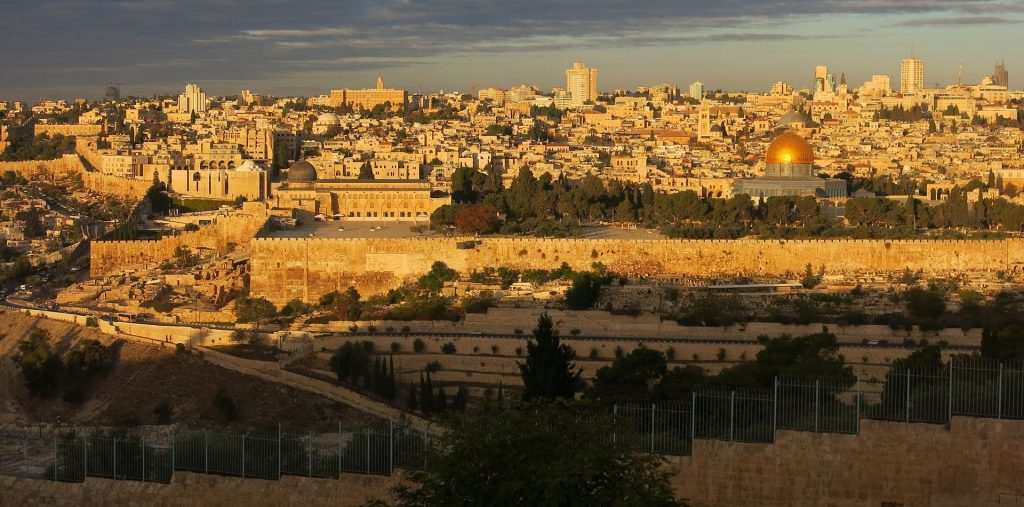
Jerusalem Stone is also the reason why the Holy City is often nicknamed “Jerusalem of Gold” – the setting sun reflects off the cream-colored hue of most of the stones found around the city, giving them a golden glow!
More than just a rock or a building material, Jerusalem Stone has been a symbol of the enduring Jewish presence in Jerusalem and the Land of Israel since antiquity, and gives the city an iconic and unique look that’s beloved by Jews all over the world.
Want to incorporate a piece of “Jerusalem of Gold” and the Land of Israel into your own home? Check out our favorite gifts and Judaica made out of Jerusalem Stone!