
Search
Modern Hanukkah menorah

Why is Hanukkah Eight Days?

The eight day festival of Hanukkah is something of an oddity. There are two other holidays that last this long: Passover and Sukkot. They are very different: Sukkot and Pesach are both biblical festivals given in the Torah, by God. They include all the restrictions associated with religious observance, so we don’t drive or use electricity, and significant day are spent in prayer.

Hanukkah is different. It lasts eight days, but was not given in the Torah. We function normally at work, school and home without any religious restrictions, and although there are small additions to our prayers (the hallel service in the mornings and an extra paragraph in the blessings after meals), we don’t spend large portions of the day in prescribed devotion.

So why is Hanukkah eight days?

There are three explanations:

1) The classic Hanukah story we learn as children climaxes with a tremendous miracle: after reclaiming the Temple in Jerusalem, the Maccabees found a small jug of oil with which to light the golden menorah. It was only enough to last for one day, but amazingly, kept burning for the full eight days it took to squeeze and process new oil. However, this miracle isn’t actually recorded in any contemporary sources, and only appears in much later recollections of the story.

2) The Book of Maccabees records Judah instigating eight days of festivities to celebrate the rededication of the Temple after it was desecrated by the Greek army. After months of trial and hardship culminating in an unlikely victory and the recapturing of the Temple, it’s no surprise that the High Priest’s family designated an entire week to thanking God for their triumph and celebrating their unpredictable win.

3) A third explanation offered says that due to due the crucial wars in which the Jewish army was engaged, they missed the opportunity to celebrate Sukkot that year. Instead, they kept the eight day biblical festival in the Hebrew month of Kislev – the first chance they had to celebrate in the newly refurbished Temple.

Whichever of these explanations is the truest reason for our modern eight-day Festival of Lights, one thing remains true: Hanukkah certainly gives is plenty to celebrate!

JWS POST YOU MAY LIKE

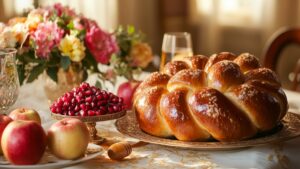
Round challah for Rosh Hashanah with honey
Round Challah for Rosh Hashanah with Honey
Rosh Hashanah recipes
What Are the Best Rosh Hashanah Recipes for a Sweet New Year?
When is Rosh Hashanah in 2026? In 2026, Rosh Hashanah begins at sundown on Friday, September 11, and ends at nightfall on Sunday, September 13. It falls on 1–2 Tishrei 5787 in the Hebrew calendar. Food plays a central role in Rosh Hashanah observance and tradition, with rich symbolism woven
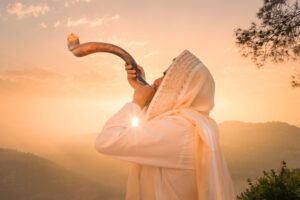
A Jewish man blowing the Shofar (ram's horn), which is used to blow sounds on Rosh HaShana (the Jewish New Year) and Yom Kippur (day of Atonement)
Rosh Hashanah in the Bible: Origins of the Jewish New Year
Rosh Hashanah – the Jewish New Year, coming up September 11-12, 2026 – is one of the most important and widely celebrated holidays in Judaism. But while many are familiar with its modern customs, from apples dipped in honey to the sounding of the shofar, fewer know about its biblical
Rosh Hashanah fun for kids
Rosh Hashanah Activities for Kids: Fun & Meaningful Holiday Ideas
Looking for fun ways to keep kids busy this Rosh Hashanah? Discover hands-on crafts, apple-and-honey taste tests, family games and creative activities you can make with AI – all designed to bring more fun and meaning to the holiday.
Pomegranates for Rosh Hashanah
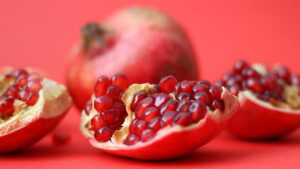
Why Do We Eat Pomegranates on Rosh Hashanah?
Pomegranates are a popular fruit to eat during Rosh Hashanah and a significant symbol in Judaism year-round, often gracing Judaica and Jewish jewelry. Since Rosh Hashanah 2026 begins on September 11 at sundown, now is the perfect time to learn more about the significance and symbolism of the pomegranate in Judaism and Rosh Hashanah!
A Jewish man blowing the Shofar (ram's horn), which is used to blow sounds on Rosh HaShana (the Jewish New Year) and Yom Kippur (day of Atonement)
From Reflection to Renewal: The Deep Meaning of Yom Kippur
Yom Kippur, the Day of Atonement, is the holiest day of the Jewish year: a time of reflection, forgiveness, and renewal. In 2026, it begins at sundown on Sunday, September 20, and lasts through the following evening. Marked by fasting, prayer, and other austere restrictions, Yom Kippur is often seen