White after Labor Day? For Israelis, it’s a big yes!
Jews around the world are preparing for Rosh Hashanah – beginning at sundown on Friday, September 11, 2026 – and for many Israelis both secular and religious alike that means getting out their favorite white shirts, kippahs, or all-white outfits.
Learn more about this beautiful holiday tradition and what the color white means in Judaism below!
White on Holidays in Israel
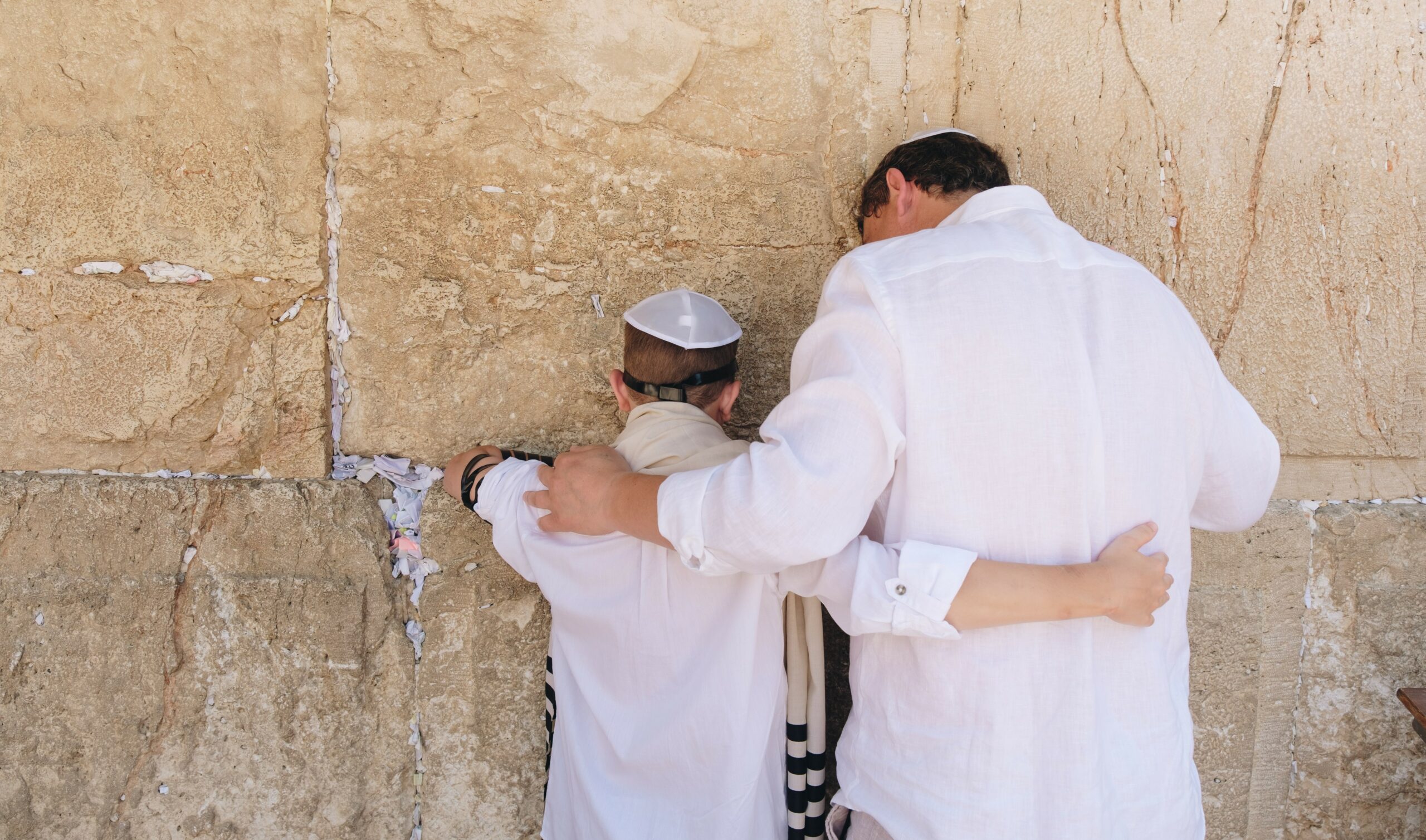
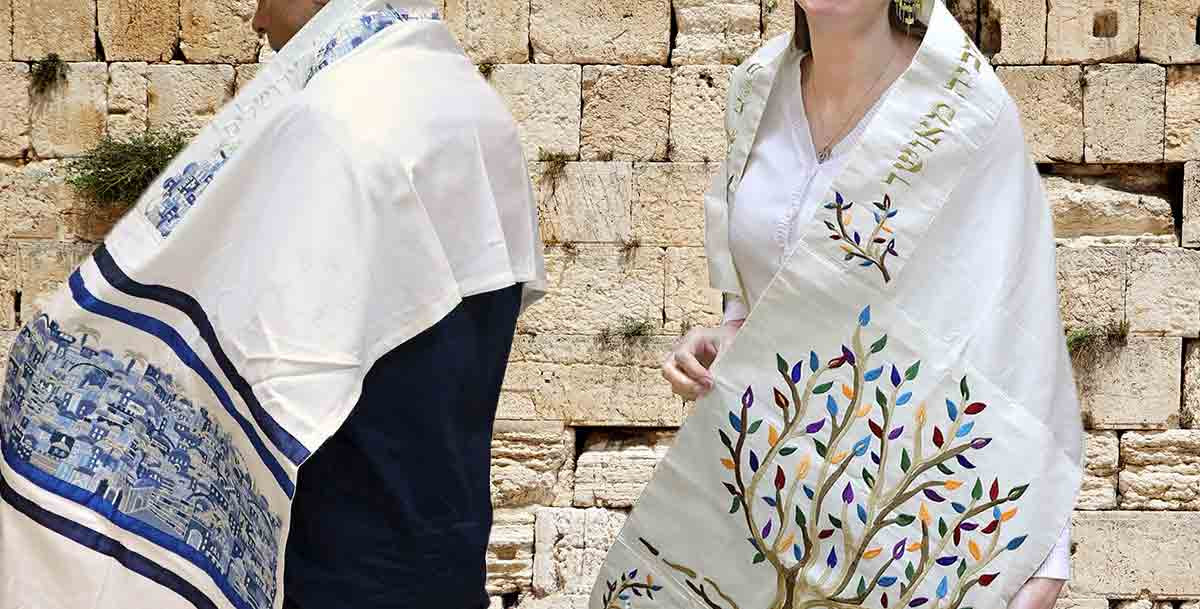
Anyone who's ever been to Israel on a major holiday such as Rosh Hashanah, Yom Kippur, or the first night of Sukkot or Passover might notice many people of all observance levels wearing white - from white dress shirts, polo shirts, or tees on men and dresses on women, to white tallits and kippahs on the more religious and even holiday prayer books with white or cream covers.
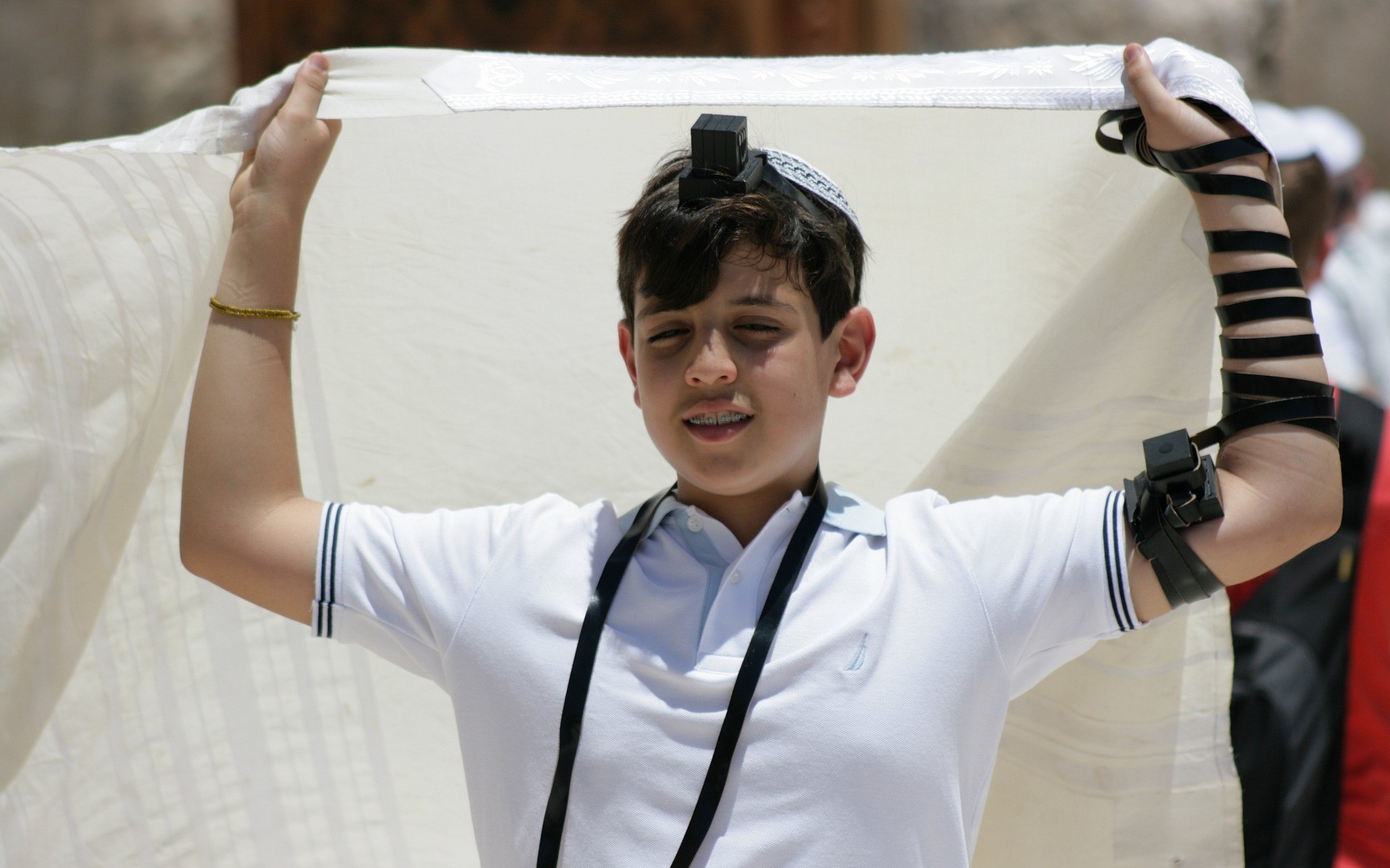
White is also a popular color to wear on shabbat, secular holidays like Independence Day or mourning days like Yom HaShoah, and on special occasions such as one's Bar Mitzvah.
A man walking to a synagogue in Tel Aviv, Israel, while wearing a white dress shirt - popular garb on shabbats and holidays
While light colors can be undeniably more comfortable for Israel's hot weather and endless sunshine, and reflect the more casual character of Israeli fashion, there is also a deeper meaning: White is a profoundly symbolic color in Judaism, commonly associated with special occasions and meaningful Judaica like the tallit. Israeli Jews have taken the color's importance quite seriously - which you can read more about in the next section below!
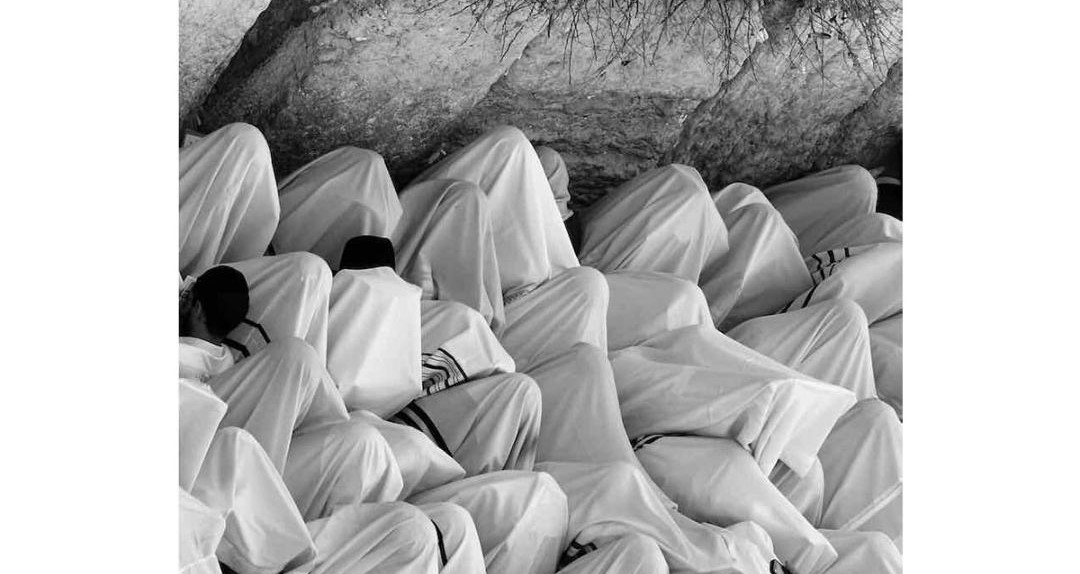
Jewish men reciting the holiday Priestly Blessing at the Western Wall in Jerusalem, Israel, while wearing white tallits
Naturally, Israeli cultural practices come from Judaism. And white is a symbolic color in Jewish tradition, representing purity, God's mercy, and the soul.
This makes it a both a fitting color for occasions associated with a fresh new start like Rosh Hashanah, Yom Kippur, and weddings, as well as for mournful commemorations of the souls of the deceased, such as Yom HaShoah (Holocaust Remembrance Day) and Yom Hazikaron (Israel’s memorial day for fallen soldiers). Some Israelis even wear white at funerals for this reason!
There is also a Kabbalistic tradition to wear white on shabbat, as it's seen as a color of joy. This view has inspired a lot of even non-Kabbalist Jews in recent decades, and has extended into wearing white on holidays and other joyful days as well.
It's not uncommon for some Jews in certain diaspora communities to choose white on shabbats and holidays as well, especially on Yom Kippur - but Israelis really take this tradition seriously!
Getting Ready for the High Holidays
Why not take inspiration from Jewish and Israeli tradition and don white for the upcoming Jewish holidays yourself!
What Are the Best Rosh Hashanah Recipes for a Sweet New Year?
When is Rosh Hashanah in 2026? In 2026, Rosh Hashanah begins at sundown on Friday, September 11, and ends at nightfall on Sunday, September 13. It falls on 1–2 Tishrei 5787 in the Hebrew calendar. Food plays a central role in Rosh Hashanah observance and tradition, with rich symbolism woven
Rosh Hashanah in the Bible: Origins of the Jewish New Year
Rosh Hashanah – the Jewish New Year, coming up September 11-12, 2026 – is one of the most important and widely celebrated holidays in Judaism. But while many are familiar with its modern customs, from apples dipped in honey to the sounding of the shofar, fewer know about its biblical
Rosh Hashanah Activities for Kids: Fun & Meaningful Holiday Ideas
Looking for fun ways to keep kids busy this Rosh Hashanah? Discover hands-on crafts, apple-and-honey taste tests, family games and creative activities you can make with AI – all designed to bring more fun and meaning to the holiday.
Why Do We Eat Pomegranates on Rosh Hashanah?
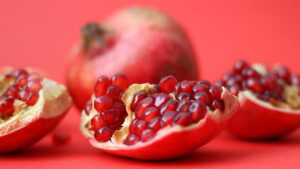
Pomegranates are a popular fruit to eat during Rosh Hashanah and a significant symbol in Judaism year-round, often gracing Judaica and Jewish jewelry. Since Rosh Hashanah 2026 begins on September 11 at sundown, now is the perfect time to learn more about the significance and symbolism of the pomegranate in Judaism and Rosh Hashanah!
From Reflection to Renewal: The Deep Meaning of Yom Kippur
Yom Kippur, the Day of Atonement, is the holiest day of the Jewish year: a time of reflection, forgiveness, and renewal. In 2026, it begins at sundown on Sunday, September 20, and lasts through the following evening. Marked by fasting, prayer, and other austere restrictions, Yom Kippur is often seen