Search

All About Anointing Oil – in Biblical Times and Today!

What is anointing oil and how is it used today? From the cosmetic, medicinal, and spiritual oils of Biblical times to modern versions still made in Israel today, learn all about this unique and special practice.

Biblical Origins of Anointing Oil

Anointing oils were used during Biblical times and in the Holy Temple to purify the sanctuary and make it holy, and were poured on the heads of Kohanim (Priests) and the Kohen Gadol (High Priest) to sanctify them for holy service.

The Torah discusses this special oil used for consecration, called Shemen HaMishchah. It’s mentioned repeatedly throughout the Bible, and is described as a fragrant ointment made from olive oil and sweet-smelling spices like myrrh, cinnamon, and cassia.

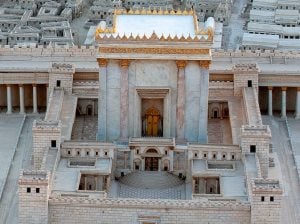
Model of the Holy Temple in Jerusalem

While scholars have identified most of the anointing oil ingredients specified in the Bible, there is disagreement over what the ingredient called Kaneh Bosem was exactly; it could have been a sweet-smelling cane plant or grass, like calamus or lemongrass, or hemp, cinnamon bark, or even possibly cannabis.

Moses was instructed by God to blend the ingredients for this anointing oil using the methods of a perfumer, and create a sacred substance for anointing priests, prophets, ritual vessels, and later kings, in order to sanctify them for holy service. This oil was considered so sacred that it’s prohibited to desecrate it in any way, or to replicate its exact formula for use outside the Temple. (For this reason the anointing oils on our site purposely use different formulations than the holy Biblical oil.)

Go back to the source with our beautiful Hebrew-English Bibles and inspiring Torah scroll replicas from the Land of Israel!

Other Ancient Uses of Anointing Oil

Different types of perfumed anointing oils were widely used in ancient times in Israel and the Middle East outside of ritual worship as well. Particularly important were their cosmetic and sweet-smelling purposes – which is not surprising given the lack of deodorant in a hot climate!

The Bible itself also indicates cosmetic uses of anointing oils; for example, Queen Esther bathed for months in oil of myrrh and other fragrant spices before being presented to King Ahasuerus as a prospective bride (and there are even modern oils that seek to replicate Queen Esther’s formula). The Talmud also refers to anointing with oil as a common practice in the Jewish community in antiquity.

Some of the ingredients commonly used in these ancient anointing oils were also widely believed to have medicinal and healing benefits. Olive oil, the common base for anointing oil, has always been recognized for its skin nourishing properties. Frankincense and myrrh, meanwhile, were used and recognized for their soothing and disinfectant qualities, while cinnamon and cassia were believed to alleviate a variety of physical and emotional ailments.

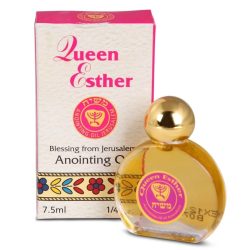
Queen-Esther-Anointing-Oil-75-ml-EG-160014_large
A modern reproduction of Queen Esther's anointing oil
To read more about different ingredients used in anointing oils throughout history and today, as well as their special healing benefits, see our “Decoding Anointing Oil” post.

Check out our ultimate top 10 guide to the best anointing oils made in Israel today, including their various healing properties and benefits.

Anointing Oils Today

Some Jews are uncomfortable with using any sort of anointing oil today due to its resemblance to the Biblical Shemen HaMishchah oil. Others however are fine with oils that use different ingredients or formulas than the Biblical version, such as the various varieties available on our site. (And of course if you’re not Jewish, there is no religious restriction on you at all from a Jewish standpoint.)

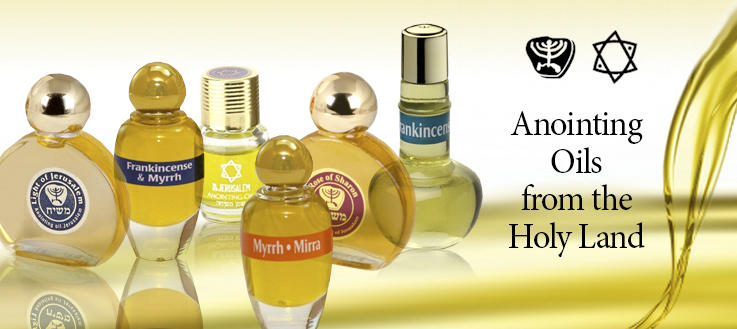
Anointing oils are still made in Israel today, using some of the same ingredients that our Biblical ancestors would have used for some of their perfumed oils, whose many health and healing benefits are well-known today. 

The main ingredient is always all-natural, pure olive oil – made from olives harvested from the Judean hills and rich in vitamins A and K, with powerful antioxidants and soothing, moisturizing properties – which is then infused with the essences of local flowers, herbs, and fragrances which have their own special healing qualities as well.

Common additions to the olive oil base include
frankincense, myrrh, spikenard, and cinnamon.

So what can you use these anointing oils for? They make great massage oils, perfumes, aromatherapy fragrances, and skin moisturizers. Their healing properties can provide stress relief and alleviate a range of emotional and physical conditions, which you can read about in more detail here.
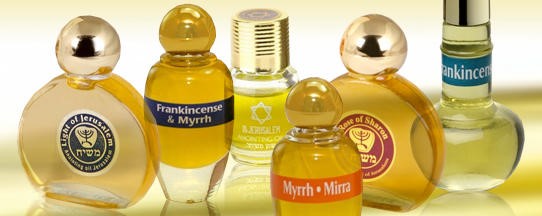
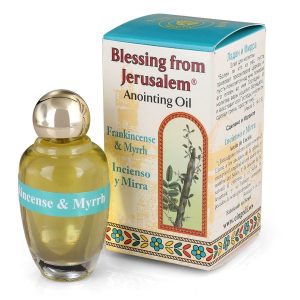
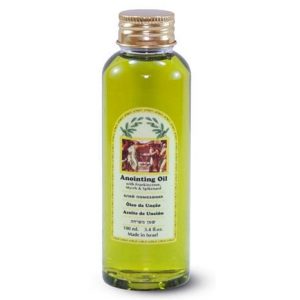
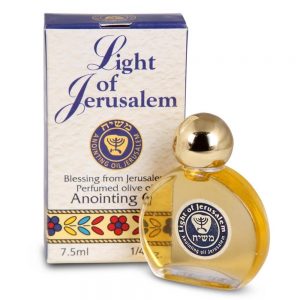
Modern anointing oil made with frankincense, myrrh, and spikenard

Using an anointing oil made from Biblical ingredients from the Land of Israel can be a wonderful way of connecting to ancient Jewish tradition and the Holy Land! You can shop authentic, Israeli-made anointing oils on our site, and learn more about some of the most common formulas with our top 10 guide.

Indulge yourself and connect with Biblical tradition with incredible anointing oils made in the Land of Israel out of local natural ingredients.

JWS POST YOU MAY LIKE

Round challah for Rosh Hashanah with honey
Round Challah for Rosh Hashanah with Honey
Rosh Hashanah recipes
What Are the Best Rosh Hashanah Recipes for a Sweet New Year?
When is Rosh Hashanah in 2026? In 2026, Rosh Hashanah begins at sundown on Friday, September 11, and ends at nightfall on Sunday, September 13. It falls on 1–2 Tishrei 5787 in the Hebrew calendar. Food plays a central role in Rosh Hashanah observance and tradition, with rich symbolism woven
A Jewish man blowing the Shofar (ram's horn), which is used to blow sounds on Rosh HaShana (the Jewish New Year) and Yom Kippur (day of Atonement)
Rosh Hashanah in the Bible: Origins of the Jewish New Year
Rosh Hashanah – the Jewish New Year, coming up September 11-12, 2026 – is one of the most important and widely celebrated holidays in Judaism. But while many are familiar with its modern customs, from apples dipped in honey to the sounding of the shofar, fewer know about its biblical
Rosh Hashanah fun for kids
Rosh Hashanah Activities for Kids: Fun & Meaningful Holiday Ideas
Looking for fun ways to keep kids busy this Rosh Hashanah? Discover hands-on crafts, apple-and-honey taste tests, family games and creative activities you can make with AI – all designed to bring more fun and meaning to the holiday.
Pomegranates for Rosh Hashanah
Why Do We Eat Pomegranates on Rosh Hashanah?
Pomegranates are a popular fruit to eat during Rosh Hashanah and a significant symbol in Judaism year-round, often gracing Judaica and Jewish jewelry. Since Rosh Hashanah 2026 begins on September 11 at sundown, now is the perfect time to learn more about the significance and symbolism of the pomegranate in Judaism and Rosh Hashanah!
A Jewish man blowing the Shofar (ram's horn), which is used to blow sounds on Rosh HaShana (the Jewish New Year) and Yom Kippur (day of Atonement)
From Reflection to Renewal: The Deep Meaning of Yom Kippur
Yom Kippur, the Day of Atonement, is the holiest day of the Jewish year: a time of reflection, forgiveness, and renewal. In 2026, it begins at sundown on Sunday, September 20, and lasts through the following evening. Marked by fasting, prayer, and other austere restrictions, Yom Kippur is often seen