Search

Who Were the Temple Priests?

Who were the priests of ancient Israel and why were they so important? What did they do in the Holy Temple, and how do their descendants carry on the tradition today? Read on to learn more!

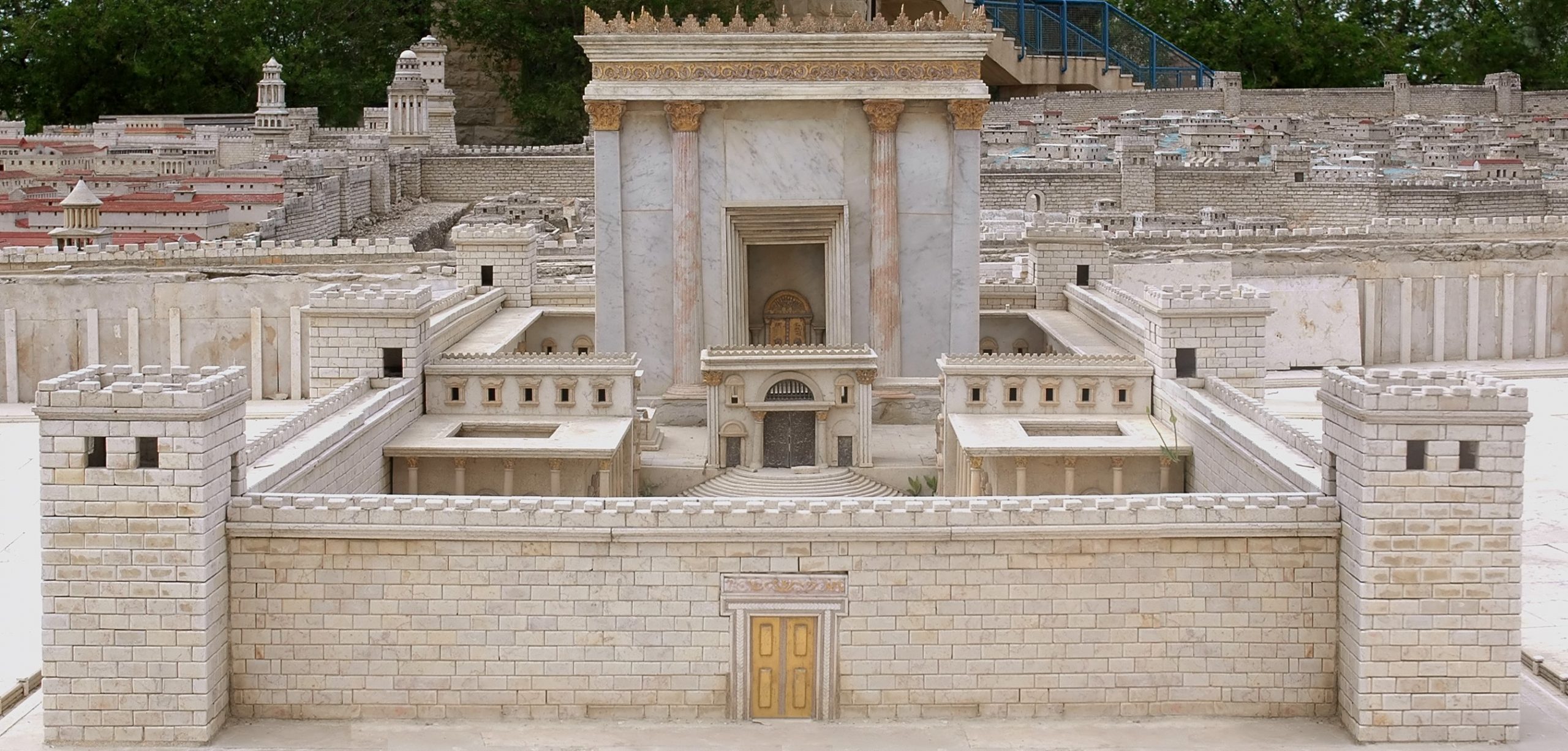
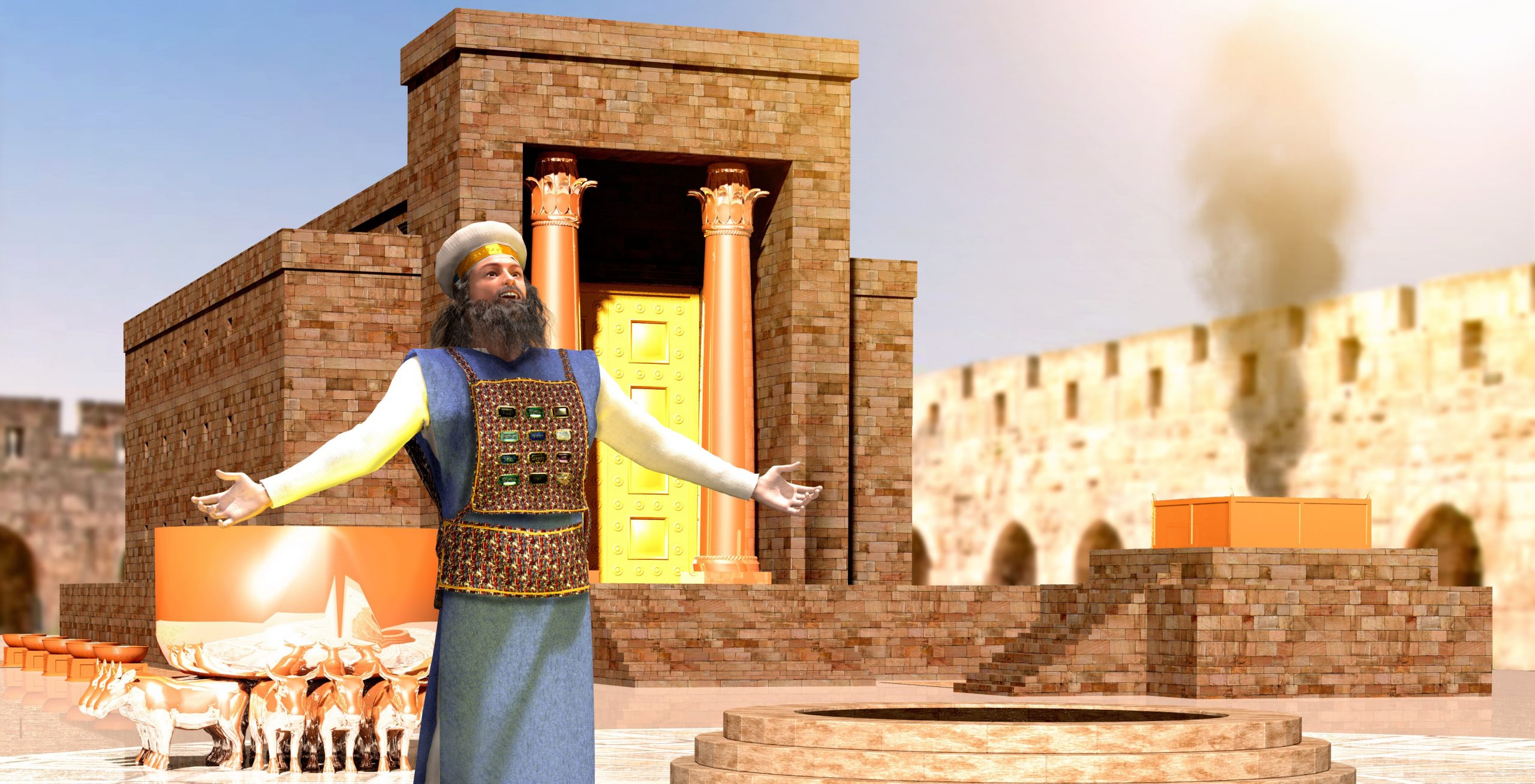
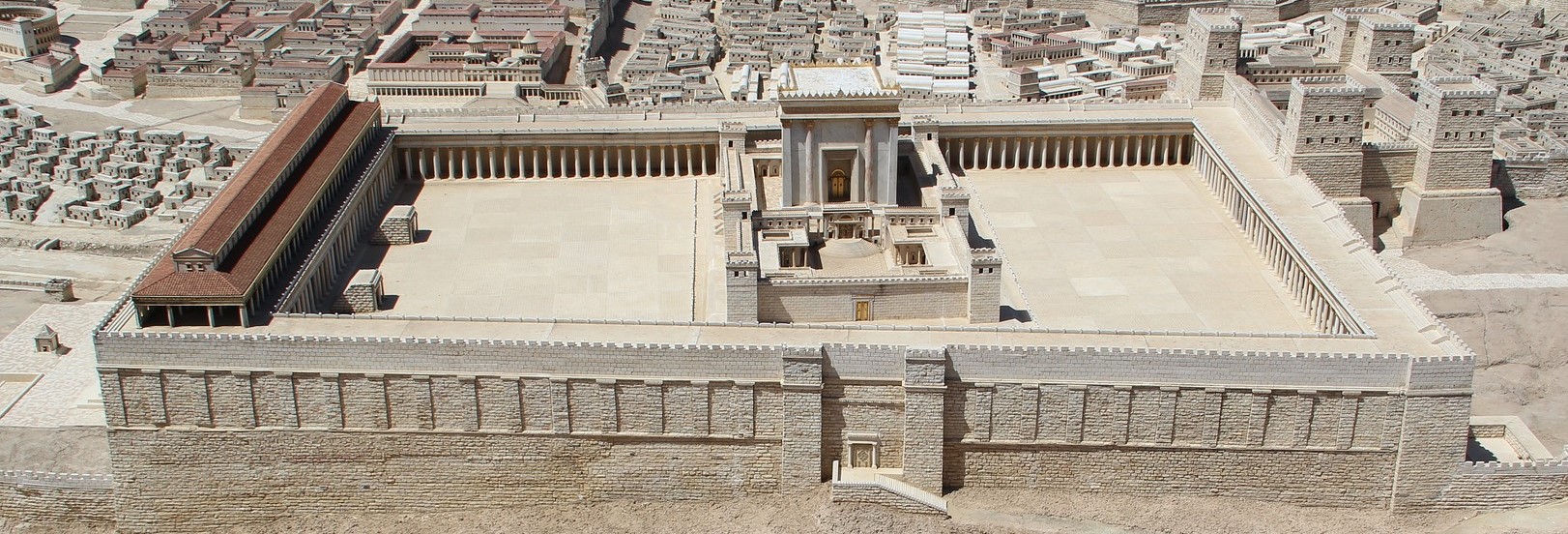
Moden model of the Holy Temple in Jerusalem in which the Priests served

Biblical origins and roles

Jewish priests, also known in Hebrew as kohanim, are direct patrilineal descendants of Aaron, the brother of Moses. This special priestly role was given to Aaron and his sons in an eternal covenant directly by God in the Torah.

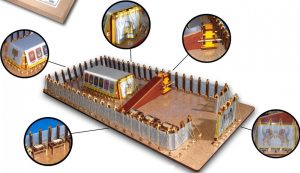
During Biblical times, according to the Book of Numbers the priests had ritual duties in the Tabernacle, the portable dwelling of the Divine presence that preceded the Temple.

The priests had a key role in the Israelites’ worship and relationship with God, and their main duties included offering the daily and holiday sacrifices, and conducting the Priestly Blessing to bless the nation.

The Priestly Blessing is still conducted by kohanim today, using the same exact words from the Book of Numbers – making it one of the oldest and most meaningful Jewish traditions!

Tabernacle
Model of the Biblical Tabernacle
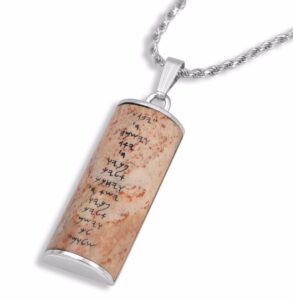
The ancient Priestly Blessing engraved on a pendant

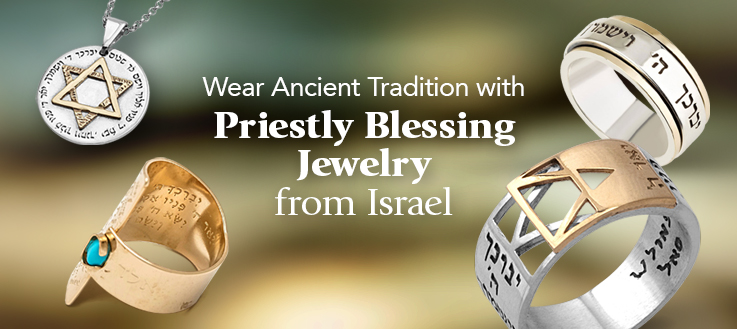
The Priestly Blessing is not just recited by kohanim, but also adorns special Jewish jewelry pieces as a protective amulet that can be worn by anyone. Learn more and check out the most meaningful pieces from Israeli artists!

Model of the Second Temple

Serving in the Holy Temple

Once the Holy Temple was built in Jerusalem, it became the center of Jewish ritual life as well that of the priests and their functions. (Check out our other blog posts for the history of the First Temple and the magnificent Second Temple!)

The kohanim continued their role in conducting the most important aspects of Jewish ritual life and connecting the entire nation of Israel to God. They became important leaders in Jerusalem and in Israel, often holding a political role in addition to their religious functions.

With the help of Levites (members of the Tribe of Levi who weren’t priests themselves), as well as rabbis and learned elders, the priests led religious services, sacrifices, and all aspects of Temple life.
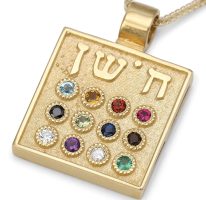
Till this day, kohanim are associated with the Holy Temple despite the fact that it no longer stands today, along with some of the Temple’s special holy items used for worship such as the Hoshen Priestly Breastplate, the shofarincense, and the seven-branched menorah.

14k_yellow_gold_hoshen_pendant_necklace
Representation of the Hoshen, the breastplate worn by the Priests in the Temple

Connect with the ancient priestly tradition and the Holy Temple with amazing Temple-themed gifts from the Land of Israel!

Descendants of Priests today

The priestly lineage still continues in Judaism today, passed on from father to son.

With the destruction of the Second Temple in 70 CE, sacrifices and many other traditional Jewish rituals have been abolished or changed, and hence the roles of kohanim have become much more limited. However, there are a few priestly functions and communal honors that remain today, including:

>>Conducting the Priestly Blessing at services (every day in Israel, and during holidays in the diaspora)

>>Leading the pidyon haben (redemption of the firstborn) ceremony for firstborn sons in the community

>>An opportunity to receive the first aliyah honors to the Torah during synagogue services, and to lead communal grace after meals prayers

ring
Ring engraved with the words of the Priestly Blessing
art_in_clay_limited_edition_handmade_ceramic_priestly_blessing_plaque_wall_hanging1
The Priestly Blessing depicted along with its traditional hand sign

Kohanim are an important part of not just Jewish history and heritage, but also the Jewish people and our customs today! Their status reminds us that God ordained Israel to be a “nation of priests,” with deeply meaningful opportunities for connecting with the Divine.

If you’re inspired by the priestly tradition, or know a kohen who’d love a special gift honoring their status, check out our beautiful Priestly Blessing jewelry from Israel – and we have a top 10 list too!

These beautiful and meaningful jewelry pieces are adorned with the ancient words of the Priestly Blessing, and lovingly crafted by Israel’s best artisans!

JWS POST YOU MAY LIKE

Round challah for Rosh Hashanah with honey
Round Challah for Rosh Hashanah with Honey
Rosh Hashanah recipes
What Are the Best Rosh Hashanah Recipes for a Sweet New Year?
When is Rosh Hashanah in 2026? In 2026, Rosh Hashanah begins at sundown on Friday, September 11, and ends at nightfall on Sunday, September 13. It falls on 1–2 Tishrei 5787 in the Hebrew calendar. Food plays a central role in Rosh Hashanah observance and tradition, with rich symbolism woven
A Jewish man blowing the Shofar (ram's horn), which is used to blow sounds on Rosh HaShana (the Jewish New Year) and Yom Kippur (day of Atonement)
Rosh Hashanah in the Bible: Origins of the Jewish New Year
Rosh Hashanah – the Jewish New Year, coming up September 11-12, 2026 – is one of the most important and widely celebrated holidays in Judaism. But while many are familiar with its modern customs, from apples dipped in honey to the sounding of the shofar, fewer know about its biblical
Rosh Hashanah fun for kids
Rosh Hashanah Activities for Kids: Fun & Meaningful Holiday Ideas
Looking for fun ways to keep kids busy this Rosh Hashanah? Discover hands-on crafts, apple-and-honey taste tests, family games and creative activities you can make with AI – all designed to bring more fun and meaning to the holiday.
Pomegranates for Rosh Hashanah
Why Do We Eat Pomegranates on Rosh Hashanah?
Pomegranates are a popular fruit to eat during Rosh Hashanah and a significant symbol in Judaism year-round, often gracing Judaica and Jewish jewelry. Since Rosh Hashanah 2026 begins on September 11 at sundown, now is the perfect time to learn more about the significance and symbolism of the pomegranate in Judaism and Rosh Hashanah!
A Jewish man blowing the Shofar (ram's horn), which is used to blow sounds on Rosh HaShana (the Jewish New Year) and Yom Kippur (day of Atonement)
From Reflection to Renewal: The Deep Meaning of Yom Kippur
Yom Kippur, the Day of Atonement, is the holiest day of the Jewish year: a time of reflection, forgiveness, and renewal. In 2026, it begins at sundown on Sunday, September 20, and lasts through the following evening. Marked by fasting, prayer, and other austere restrictions, Yom Kippur is often seen