
Home » Jewish Holidays » Purim » Purim Story Summary: Everything You Need To Know

Purim 2026 will begin on Monday night, March 2 – or Tuesday night, March 3 if you live in Jerusalem – and last through the following day.
One of the main traditions of the holiday is the reading of the Book of Esther, and we’re getting you ready with this handy breakdown of the whole story!
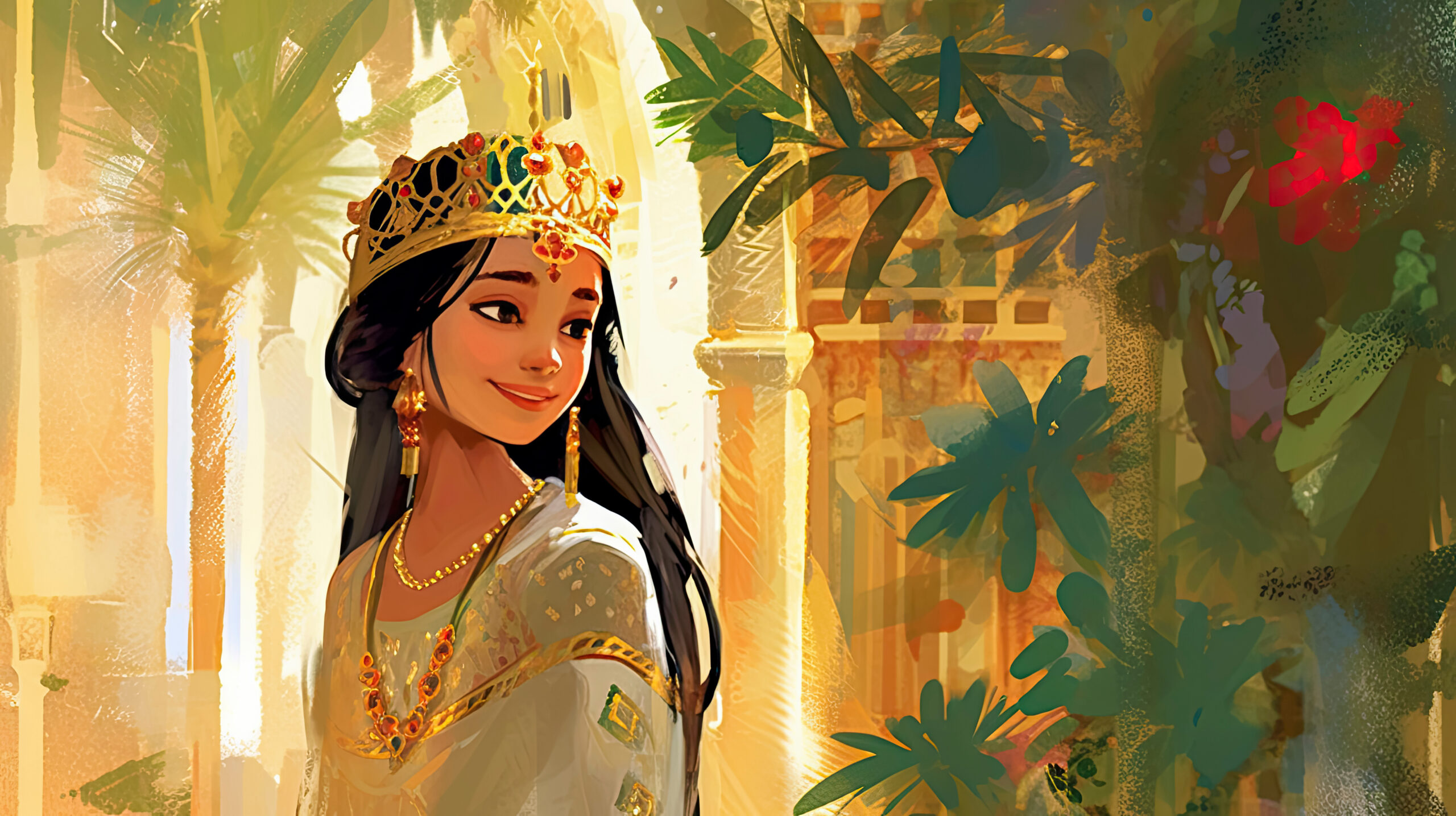
King Achashverosh reigns over 127 provinces of the Persian empire from India to Ethiopia. In the third year of his reign, he made a magnificent 180-day feast for the nobles of his lands, followed by a week-long feast for the people of Shushan, his capital city. Queen Vashti throws a party in her house for the women. The drunk king commands the queen to appear before his party wearing nothing but her crown, and she refuses.
Achashverosh asks his council what to do about the disobedient queen, and he is advised to get rid of the queen in favor of another, lest all women start to refuse their husbands’ commands. A royal notice is issued making men across the kingdom the heads of all households.
The king’s servants decide to bring virgins from across the kingdom to the palace; whichever pleases the king will become his new queen.
A Jew named Mordechai who lives in Shushan had raised his cousin Esther as his own daughter. She was very beautiful, and she too was taken to the palace in the search for a new queen. She finds favor with the concubine-keeper and later with the king, and is crowned queen.
Mordechai sits at the palace gates and overhears two chamberlains, Bigtan and Teresh, talking about how to kill the king. He reports it to Esther, who tells the king in Mordechai’s name. The two are investigated and hung, and the events are recorded in the royal chronicles.
Achashverosh appoints Haman as his Prime Minister and commands that all must prostrate themselves to him. Mordechai refuses because he is a Jew; this angers Haman who decides to eradicate all the Jews. Lots are cast; a date is chosen; the decree is sealed in the king’s name.
Mordechai hears of the decree to kill the entire Jewish nation in Achashverosh’s kingdom, so tears his clothes and wears signs of mourning. All the Jews fast and weep and wear mourning; when Esther hears of her cousin’s distress, she sends someone to Mordechai to find out what happened. He relays through her messengers that she needs to go to the king on their behalf; she replies that it is impossible to see the king without an invitation. He tells her that she won’t survive either, and she asks him to tell the Jews of Shushan to fast for her.
Queen Esther approaches the king and invites him and Haman to a wine banquet she is making. At the banquet, he asks what she desires, and she invites them back for a second banquet the next night. Haman brags of his wealth and status to his family, emphasizing that although he was the only one invited by with queen to dine with the king, his prestige means nothing next to how angry Mordechai makes him. His wife Zeresh tells him to build tall gallows from which to hang the Jew on the way to the banquet.
Achashverosh cannot sleep, so orders that his book of chronicles be read to him. When he hears of Mordechai saving him from Bigtan and Teresh’s plot, he asks what was done for him, and hears that he receives no reward. Haman is in the courtyard, so the king asks him how to treat a man whom the king wants to honor. Thinking he means himself, Haman describes an elaborate show of public honor. Achashverosh tells Haman to do everything he has described to Mordechai. Haman is humiliated, and his wife offers morbid council.
Achashverosh and Haman attend Queen Esther’s second banquet. The king again offers her anything her heart desires; this time, she begs the king to save her life from a plot to kill her and all her nation. Furious, the king asks who wants to perpetrate this crime: she replies that Haman seeks to destroy her people. The king storms out in a fury; Haman beseeches the queen and climbs on her to beg for forgiveness; seeing this, Achashverosh orders his execution. Haman is hung on the gallows he built for Mordechai.
Achashverosh appoints Mordechai over Haman’s office, and the king and queen sign a petition ordering the kingdom’s Jews to band together and fight for their lives (as the original decree was irreversible). The Jews heard that their salvation was drawing near and feasted in celebration.
The Jews fought back and were victorious over those who would have killed them. Haman’s 10 sons are killed and hung from the same gallows as their father. The next day was declared a day of great feasting and celebration for all the Jews of Achashverosh’s kingdom, with the Jews of Shushan celebrating a day later. Mordechai issues letters telling the Jews to celebrate, and send each other gifts, give gifts to the poor, and to recount the story of their triumph every year on the same date.
Queen Esther and Mordechai are acknowledged as saviors and celebrated along with the story’s triumph!