Search

Jewish Birthday Traditions

Everyone loves birthdays! But what does Judaism have to say about them, and what are some of the top Jewish birthday traditions? Read on to find out!

A birthday is a great way to keep track of a lot more than just your age. It is a time to reflect on all you’ve already accomplished and all you are now setting out to do. It is a time to gather together family and friends to make a day that would have just passed by feel special.

Some Jews celebrate their “secular” or “English” birthday on the Gregorian calendar; others focus on their “Hebrew” birthday on the Jewish calendar; and some do something to mark both!

One’s Hebrew birthday is calculated on the Hebrew calendar, sometimes called the Jewish calendar. This is different to using the Gregorian calendar, but is just as consistent. If you don’t know your Hebrew birthday and want to calculate it, you will need to know if you were born before or after sunset. 

Special Birthday Traditions
annie-spratt-M20ylqCzSZw-unsplash

Birthdays in Judaism don’t have any set obligations or even particularly strong traditions, but there are a number of customs that people have picked up over the years:

Giving brachas/blessings: It is a custom to give others blessings for particular things in their lives. There is no formula for these, so just speak from the heart.

Reading your Psalm: It is common for people to read Tehilla (psalm) corresponding to one’s age, technically age + 1 because parents read a newborn Psalm 1. Given that there are 150 tehillim, there should be plenty!

Tzedakah: Give a little extra to charity. Share your specialness of the day by giving to someone in need. 

Get an Aliyah: It is common around one’s birthday, not only for a bar mitzvah, to be called up to the Torah when it is being recited. 

Eat a fruit you’ve not eaten since last year, or at least not since last Rosh Hashanah. This is because you then get to say the Shechechiyanu blessing, meaning “..who has granted us life, sustained us and enabled us to reach this occasion”, rather fitting for a birthday. 

btn
Hebrew-Blessings-Jewelry-22_category_mobile
Birthdays in the Lifecycle
freestocks-qlS6vMR2PpU-unsplash

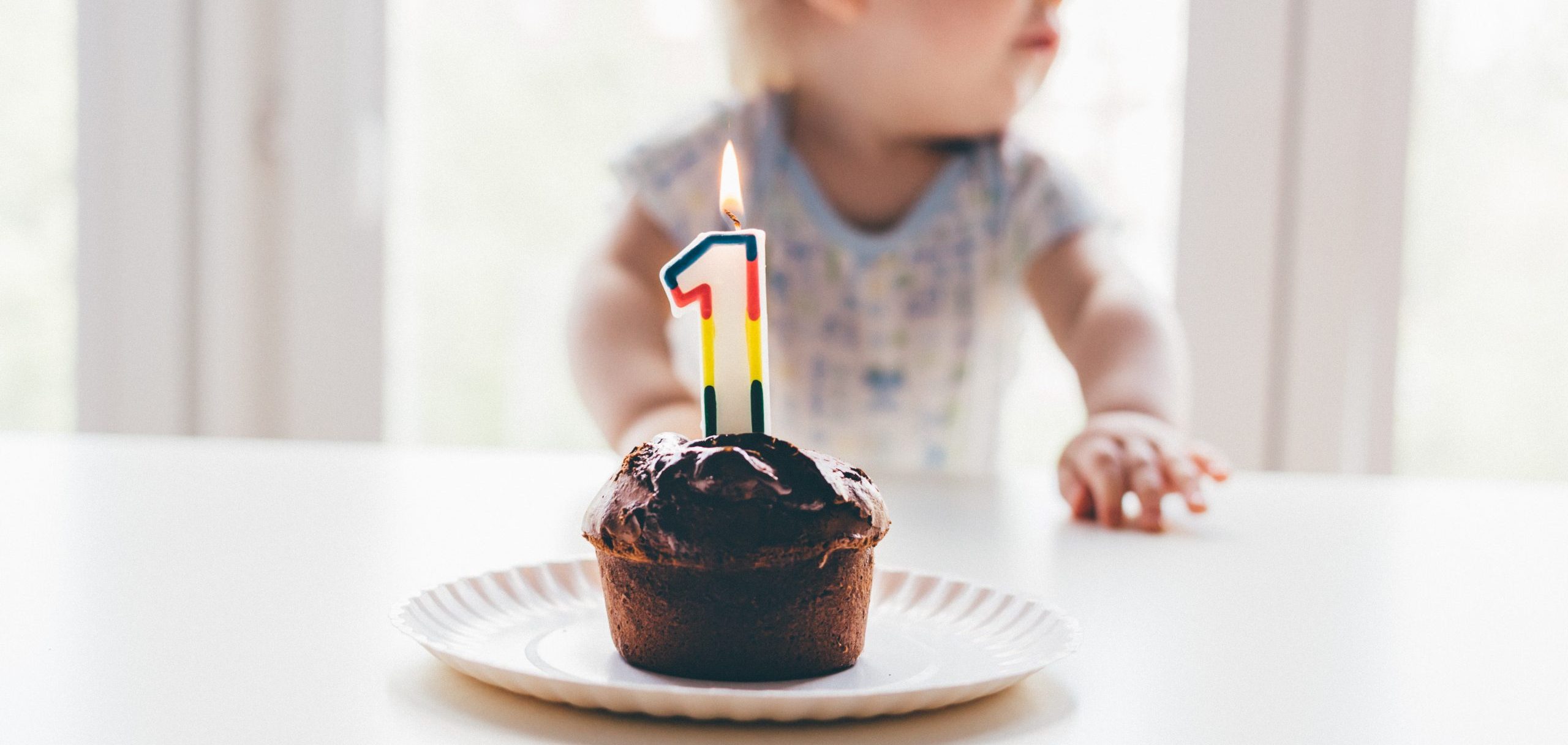
Day of the delivery - It’s the start of everything! This is when the birth ‘date’ is set. This may also mean planning a naming ceremony or a special kiddush in synagogue for a girl, and if it’s a boy, planning the bris and maybe a shalom zachar. Hopefully your friends and family will step up to help organize to welcome this unique person into the world. Mazel tov!

Age 3 - For boys, 3 years old is when the upsherin is usually performed. This is his first haircut, and depending on your community, it may also mean styling the payot (side-locks).

Traditionally, this is when children of any gender may be introduced to the mitzvot (Jewish commandments) in a more serious way, in order to prepare to ease them into Jewish life. The child may also receive their first prayer book, kippah, or other Jewish gifts.
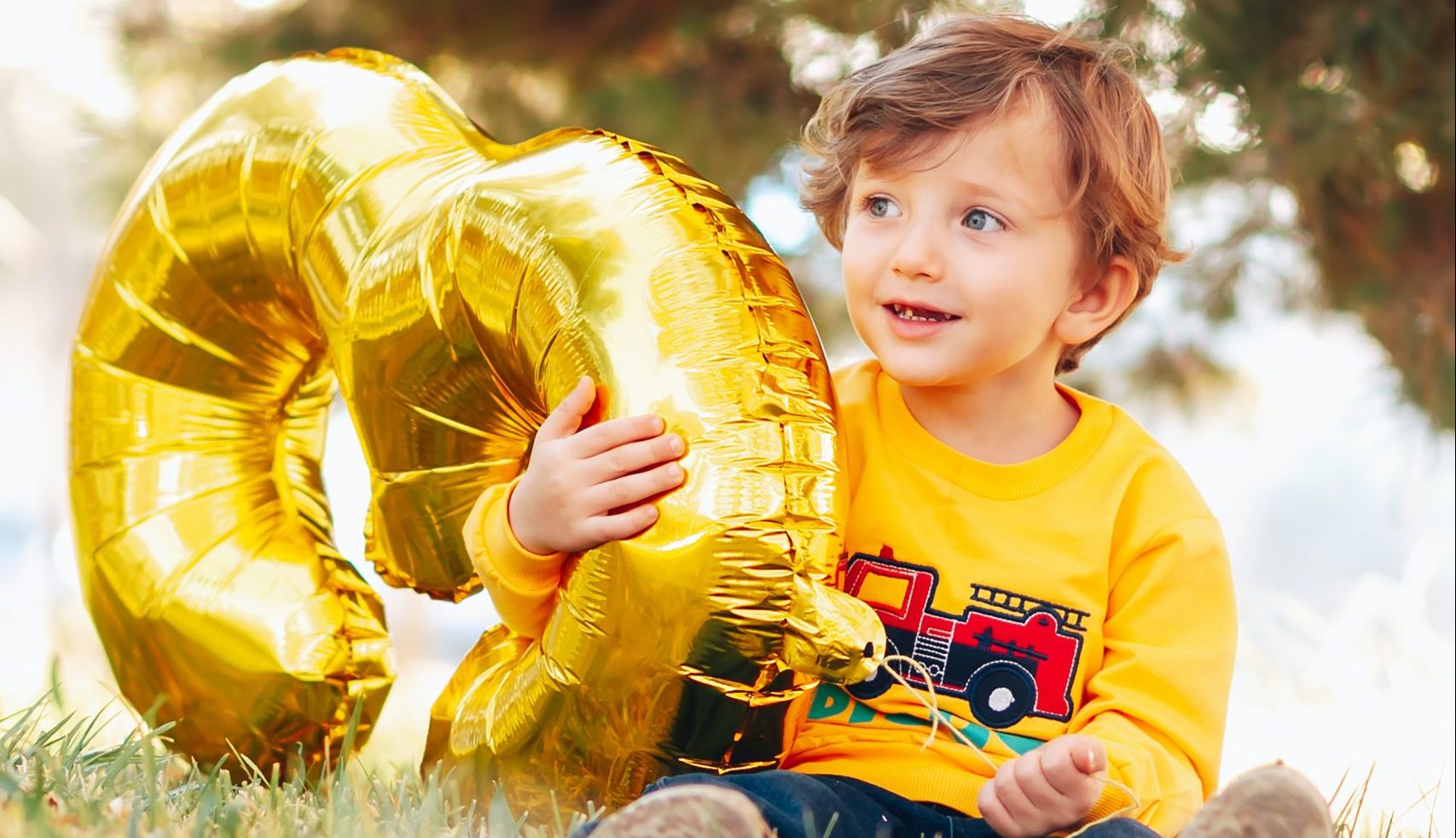
Age 12 (girls) or 13 (boys) - Congratulations, you’ve raised a Jewish adult! Practically, what that means is that the youngster is now obligated in everything the way a grown man or woman would be, such as donning tefillin, lighting Shabbat candles, and so on, after the Bar Mitzvah or Bat Mitzvah. Of course, it would be a lot to throw someone into the deep end like that, so parents and rabbis first spend time teaching the child practical Jewish skills.

Sometime during the week of the birthday, it is typical for the bar/bat mitzvah to read the Torah portion on a day it’s going to be read in the mornings in a synagogue: Monday, Thursday, or Shabbat. Then, friends and family may throw candies at this young adult and celebrate with a party. Some may commemorate the entrance to adulthood with a talk about Torah, often that week’s Torah portion

And of course, it's also an opportunity for a big party and gifts! (You can learn more about where the tradition of bar and bat mitzvahs came from here, and see our top bar mitzvah and bat mitzvah gifts from Israel!)
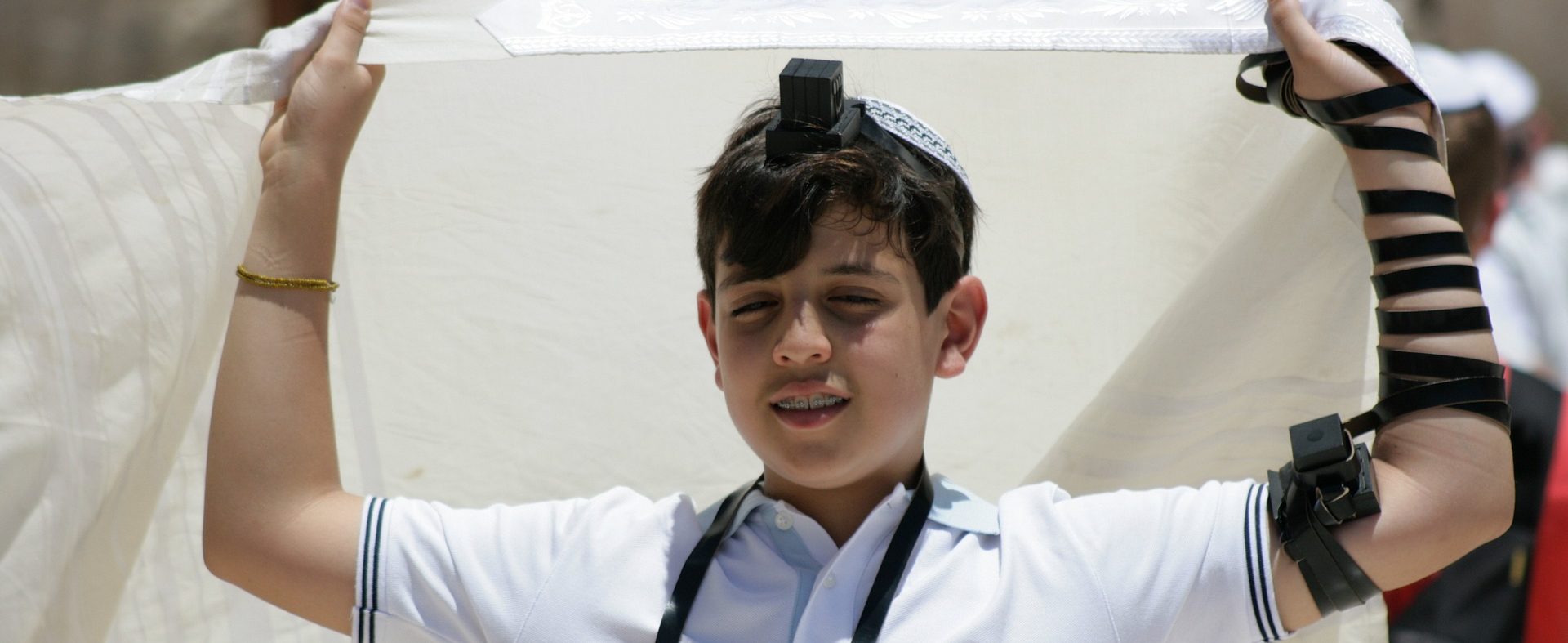
Age 20 - Though less lavish, the 20th birthday is also rather similar to 12/13. It is when someone is not only liable for mitzvot and sins on earth, but also in shamayim (heaven). This may also be the year a traditional yeshiva religious education ends, and entering the workforce and getting married begins. 

Age 40 - This is traditionally the age one can begin learning kabbalah, and specifically the Zohar, a book of mystical kabalistic teachings. It is so powerful and esoteric that is cannot be properly understood until one has been learning Torah beforehand all those decades. 

Age 83 - As we learn from King David, one is considered to have lived a full life at 70. Baruch Hashem many people will live on decades past that, so when someone reaches 82/83, it is a sweet tradition to host a small “second” Bat Mitzvah or Bar Mitzvah - or a "first" one if the person never had the opportunity during childhood. No one is obligated in anything new at this age, but it is a beautiful commemoration of reaching such a milestone, and even a sort of re-commitment to one’s life-long duties. 

Age 120 - Though few make it all the way to 120, it is said to be as long as someone has on earth. This is learned from Moshe (Moses) who died at 120

btn
Fantastic-Gifts_mobile_Category_2
Pirkei Avot on Special Birthdays

Pirkei Avot, an anthology of practical, ethical teachings as part of the Oral Torah or Talmud lists a series of birthdays and what each milestone represents in someone’s life. Obviously some of these may not be how we think of them these days, but may be an interesting reference point for some:

5 for studying the Torah

10 for learning the Mishnah (Oral Law)

13 for the commandments

15 for the study of Talmud (Oral Law, plus its compiled analysis)

18 for marriage

20 for earning a living

30 for height of strength

40 for understanding Torah insights

50 for advice

60 for old age

70 for gray hairs

80 for strength

90 for an arched back

100 it is as if he had died and passed away

Of course, no matter what age you're turning, every year is a milestone and a great time to look back, think of what worked and what needs improving.

Get ready to celebrate your birthday, or find the perfect gift for a loved one here!

btn
love-gifts_home-m_2

JWS POST YOU MAY LIKE

Round challah for Rosh Hashanah with honey
Round Challah for Rosh Hashanah with Honey
Rosh Hashanah recipes
What Are the Best Rosh Hashanah Recipes for a Sweet New Year?
When is Rosh Hashanah in 2026? In 2026, Rosh Hashanah begins at sundown on Friday, September 11, and ends at nightfall on Sunday, September 13. It falls on 1–2 Tishrei 5787 in the Hebrew calendar. Food plays a central role in Rosh Hashanah observance and tradition, with rich symbolism woven
A Jewish man blowing the Shofar (ram's horn), which is used to blow sounds on Rosh HaShana (the Jewish New Year) and Yom Kippur (day of Atonement)
Rosh Hashanah in the Bible: Origins of the Jewish New Year
Rosh Hashanah – the Jewish New Year, coming up September 11-12, 2026 – is one of the most important and widely celebrated holidays in Judaism. But while many are familiar with its modern customs, from apples dipped in honey to the sounding of the shofar, fewer know about its biblical
Rosh Hashanah fun for kids
Rosh Hashanah Activities for Kids: Fun & Meaningful Holiday Ideas
Looking for fun ways to keep kids busy this Rosh Hashanah? Discover hands-on crafts, apple-and-honey taste tests, family games and creative activities you can make with AI – all designed to bring more fun and meaning to the holiday.
Pomegranates for Rosh Hashanah
Why Do We Eat Pomegranates on Rosh Hashanah?
Pomegranates are a popular fruit to eat during Rosh Hashanah and a significant symbol in Judaism year-round, often gracing Judaica and Jewish jewelry. Since Rosh Hashanah 2026 begins on September 11 at sundown, now is the perfect time to learn more about the significance and symbolism of the pomegranate in Judaism and Rosh Hashanah!
A Jewish man blowing the Shofar (ram's horn), which is used to blow sounds on Rosh HaShana (the Jewish New Year) and Yom Kippur (day of Atonement)
From Reflection to Renewal: The Deep Meaning of Yom Kippur
Yom Kippur, the Day of Atonement, is the holiest day of the Jewish year: a time of reflection, forgiveness, and renewal. In 2026, it begins at sundown on Sunday, September 20, and lasts through the following evening. Marked by fasting, prayer, and other austere restrictions, Yom Kippur is often seen