
Search

Havdalah How-To for the End of Shabbat

Just and there is a Kiddush to remember Shabbat once it starts, there is Havdalah, which literally means ‘distinction; separation’, as it divides the time of Shabbat or a holiday from the rest of the week.

Havdalah is a way to start the week off on a strong spiritual footing. It may be difficult to feel as connected to Torah during the week as it is on Shabbat, with all the free time to see friends and family, eat delicious kosher food, pray and learn Torah. Havdalah acknowledges Shabbat or a holiday has come to an end, that those good things should be carried onwards.

We’ll walk through the steps of how one goes about the rituals and blessings of Havdalah, as well as some of the history and deeper meaning behind them.

 

What is Havdalah?

Havdalah separates between Shabbat or other biblical holidays, and the rest of the week. This is far more than just a nice gesture though, as there are deep practical and spiritual bases for every part.

The source of Havdalah comes from Vayirka (Leviticus) 10:10 stating "for you must distinguish between the sacred and the profane; between what is impure and what is clean". Though the precise nature of the mitzvah is debated, everyone agrees on what the steps are.

The purpose of Kiddush for Shabbat is to fulfill the commandment of remembering Shabbat, since the Torah specifically mentions both observing (shamor) and remembering (zachor). Havdalah also brings people to the mindset of what is to come, and after settling in to the deep levels of rest and spiritual connection, it is there as a sort of alarm clock for the soul!

btn
Havdalah before Havdalah 

Many people perform some of Havdalah after Shabbat without even realizing it perhaps. Havdalah is the step between Shabbat and being able to perform melachot (types of work prohibited on Shabbat), but at Maariv / Aravit (night services) at the end of Shabbat, there is a special insertion in the 4th bracha (blessing) of the Amidah which is a type of Havdalah.

This bracha asks for knowledge of all kinds, which may not seem relevant to Havdalah at first, but this ritual is all about being cognizant of the difference between holidays and the workweek, and the different mindset needed for each. 

For those who don’t go, they must still say the line

baruch ha'mavdil bein kodesh l'chol

(Blessed is the one who separates between holy and secular)

before setting up Havdalah, since lighting a candle on Shabbat would be prohibited.

btn
Set Up
be-85

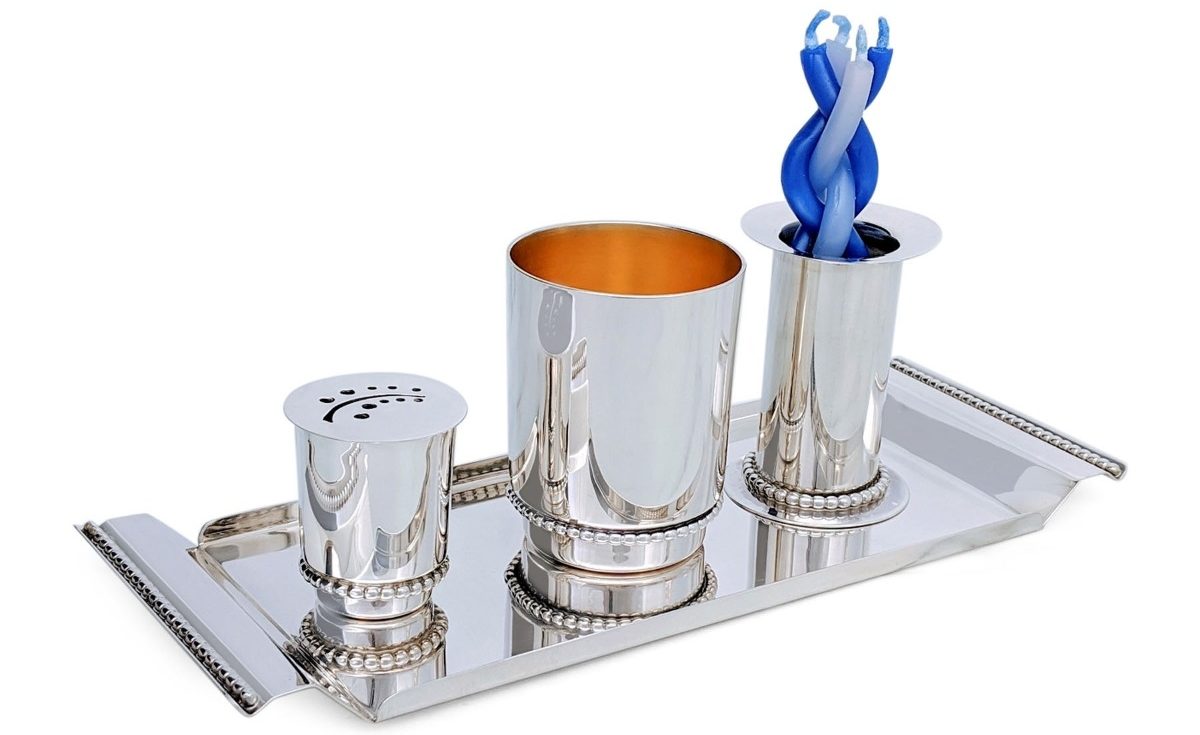
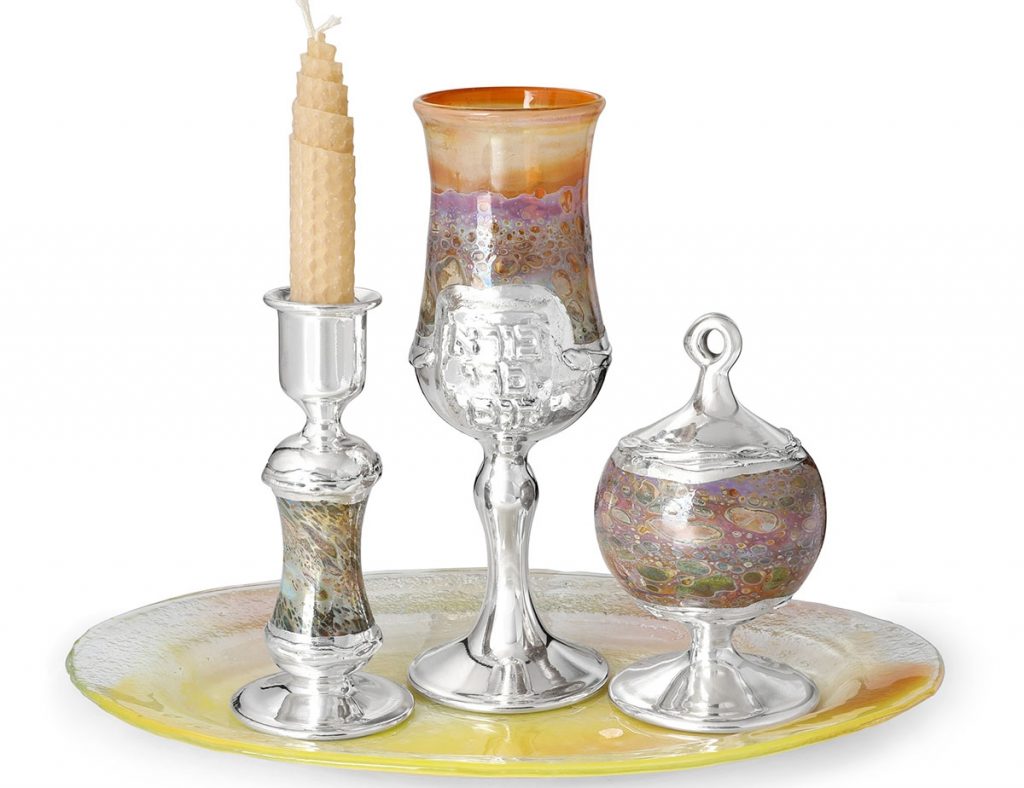
Even if you perform Havdalah in Shul (synagogue), this is a mitzvah for everyone, so many prefer to do it at home with the rest of their families. Across all communities, the same items are used, namely:

-Wine

-Spices

-Candle

You'll also probably want a siddur (prayer book) if you don't know the text or the brachas by heart.

It is common that people perform Havdalah in the dark, or to include singing and instruments, but those aren't strictly necessary.

btn
Wine
Wine

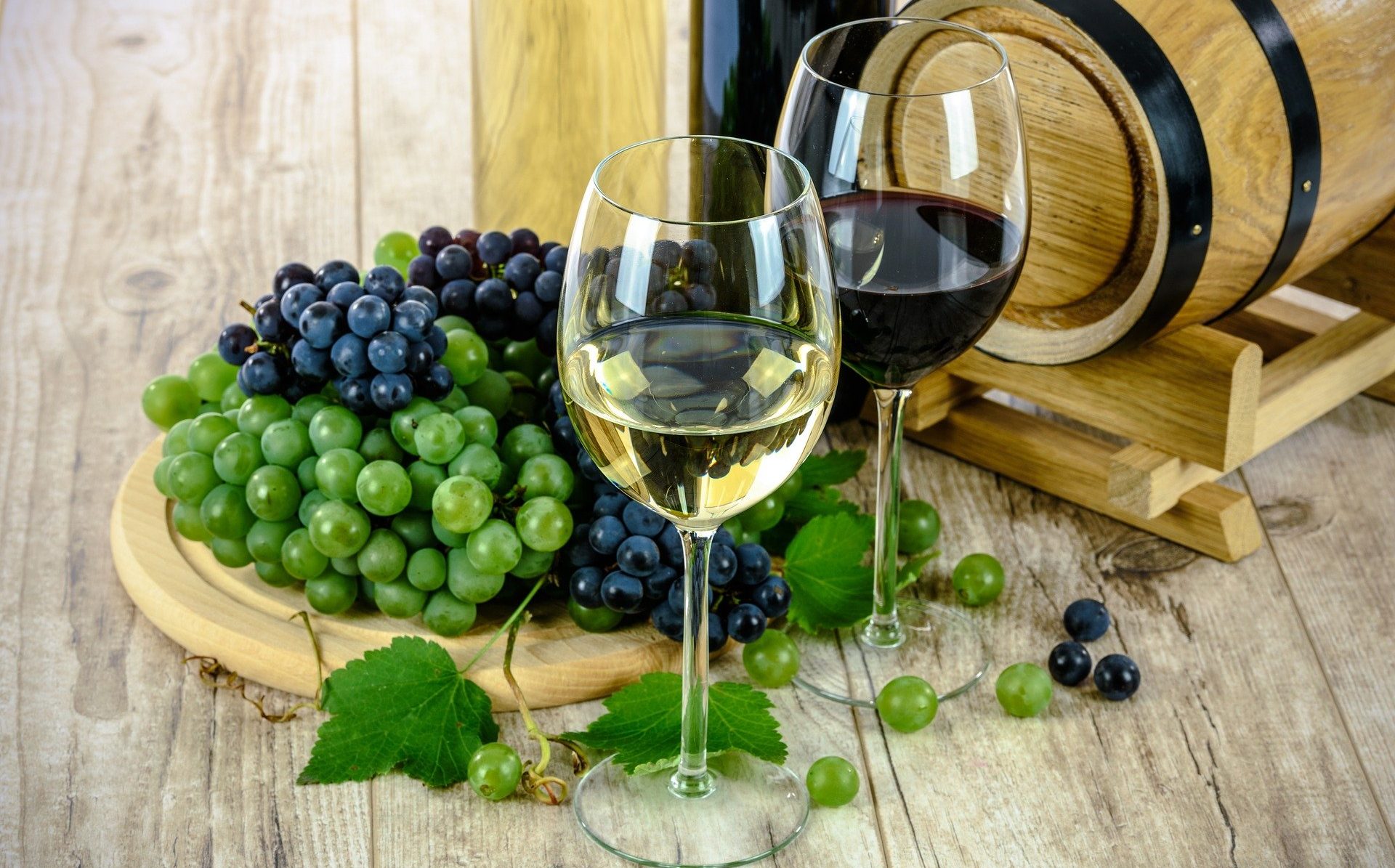
Like the entry of Shabbat, its exit is marked with wine too. The purpose of each is that wine is said to gladden one's heart, though grape juice works also.

Wine gets the special place in Jewish customs, but actually in Havdalah, things are more lenient. If kosher wine is not available, beer may be substituted, but not harder spirits since one must drink a cheek-full (2fl oz).

These days, kosher wine and grape juice are so widely accessible that it will always be the recommended option, and people like to use a kiddush cup to say the blessing.

Even after saying the bracha, don’t drink the wine. Only once all is said and done, drink the wine and use the remainder to extinguish the flame by pouring it out and dipping the flame in. Don’t worry, the alcohol won’t catch on fire!

btn
Spices (Besamim)
market-g0ffffeac2_1920

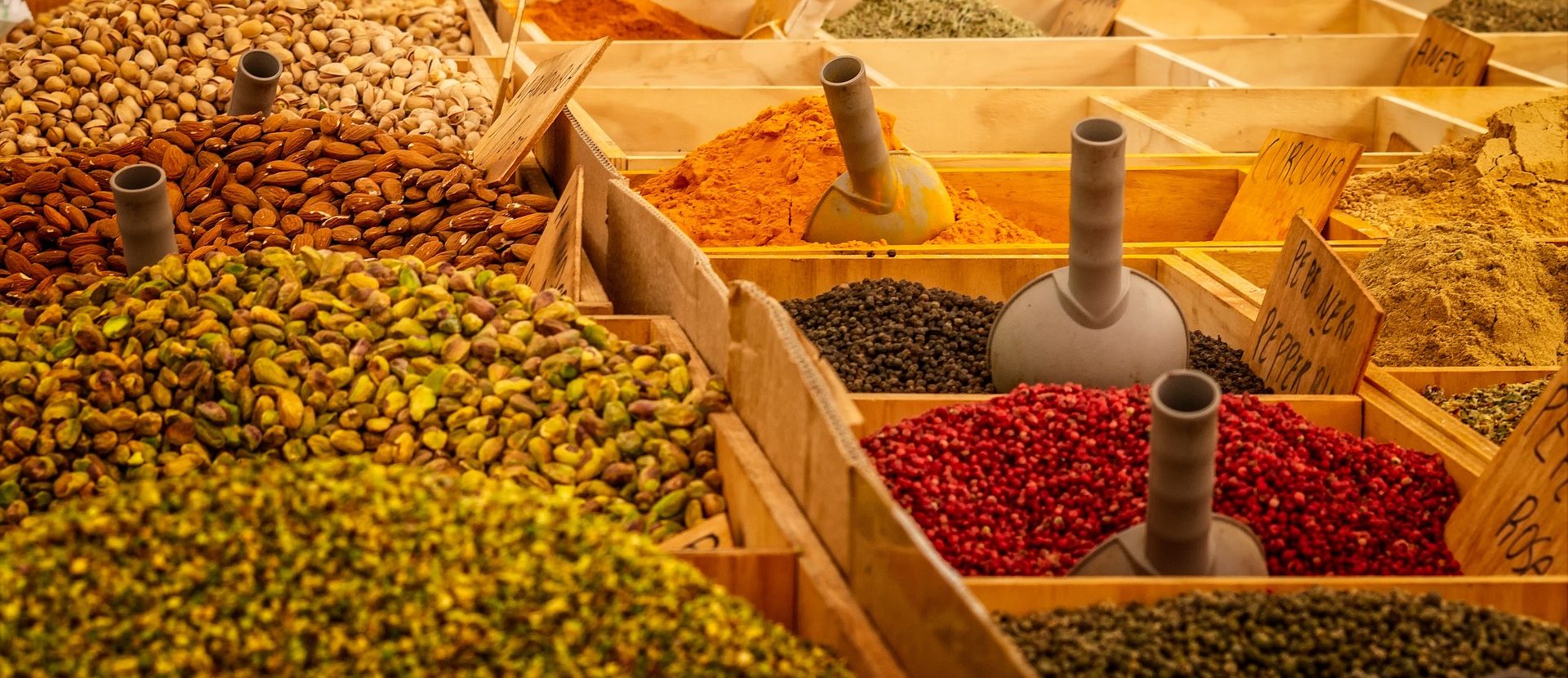
The spices for Havdalah can be any type, though in modern times some favorites like cinnamon and clove have emerged, and some Sephardim like to use a myrtle branch. While with wine only one person drinks, everyone present must smell the spices. People therefore get nice boxes, either perforated or with a lid, to pass around.

It is said that on Shabbat one gains a Shabbat Soul, and this is lost during the week, so the spices excite the one neshama. Keep in mind these brachas are not confined to Havdalah only. Any time you want to enjoy a natural fragrance, remember the beauty G-d adds to the natural world for our benefit this way!

Anything that is natural grown (e.g. not an air freshener) works if you want to get creative but mind that if you use fruit, such as citrus rind, it is a different bracha, ending …ha'notein rei'ach tov ba'peirot (...who gave good scent with fruit). 

btn
Candle
hatzafon_candles_paraffin_havdalah_candle_6_colors

The candle for Havdalah must have at least 2 wicks, technically a torch, which you will note in the bracha being plural “...borei morei ha’eish” (...who creates the lights of the fire). The two wicks should still only make one flame, representing the fire created by Adam after the first Shabbat.

These candles last a while, since they’re only burnt for a minute or so at a time, but in a pinch two regular candles with the wicks held together will do. This is why you see many Havdalah candles are beautifully laces together pieces of candle. 

You may also notice people stand the candle up, sticking out their fingers, and then rotating their hands to face the palms. The point is to be able to benefit from the light, as in seeing one's fingernails. Using other lights like Shabbat or Hanukkah candles for practical purposes is not permitted, so the custom here began as a reminder that Havdalah does not welcome in a holiday, but rather the working week. 

After the blessings are finished and the wine is drunk, with some left over to extinguish the candle into. 

btn
Other Brachas
Torah

All of these, along with the notes about Jewish holidays, will be noted clearly in any standard siddur (prayer book). There is a Havdalah after biblical holidays, but because of the normal emphasis on Shabbat, they have some omissions. After Yom Kippur for instance, there is a shorter Havdalah with one fewer paragraph and no spices.

There is one short paragraph before the 3 brachas mentioned above, and one after. Every step in the process should further emphasize the significance of Shabbat, and the importance to have a clear divide between it and the 6 working days. 

Make sure you're ready for the next Havdalah with individual items, and gorgeous Havdalah sets.

btn
shabbat-judaica-2022_home_mobile_3

JWS POST YOU MAY LIKE

Round challah for Rosh Hashanah with honey
Round Challah for Rosh Hashanah with Honey
Rosh Hashanah recipes
What Are the Best Rosh Hashanah Recipes for a Sweet New Year?
When is Rosh Hashanah in 2026? In 2026, Rosh Hashanah begins at sundown on Friday, September 11, and ends at nightfall on Sunday, September 13. It falls on 1–2 Tishrei 5787 in the Hebrew calendar. Food plays a central role in Rosh Hashanah observance and tradition, with rich symbolism woven
A Jewish man blowing the Shofar (ram's horn), which is used to blow sounds on Rosh HaShana (the Jewish New Year) and Yom Kippur (day of Atonement)
Rosh Hashanah in the Bible: Origins of the Jewish New Year
Rosh Hashanah – the Jewish New Year, coming up September 11-12, 2026 – is one of the most important and widely celebrated holidays in Judaism. But while many are familiar with its modern customs, from apples dipped in honey to the sounding of the shofar, fewer know about its biblical
Rosh Hashanah fun for kids
Rosh Hashanah Activities for Kids: Fun & Meaningful Holiday Ideas
Looking for fun ways to keep kids busy this Rosh Hashanah? Discover hands-on crafts, apple-and-honey taste tests, family games and creative activities you can make with AI – all designed to bring more fun and meaning to the holiday.
Pomegranates for Rosh Hashanah
Why Do We Eat Pomegranates on Rosh Hashanah?
Pomegranates are a popular fruit to eat during Rosh Hashanah and a significant symbol in Judaism year-round, often gracing Judaica and Jewish jewelry. Since Rosh Hashanah 2026 begins on September 11 at sundown, now is the perfect time to learn more about the significance and symbolism of the pomegranate in Judaism and Rosh Hashanah!
A Jewish man blowing the Shofar (ram's horn), which is used to blow sounds on Rosh HaShana (the Jewish New Year) and Yom Kippur (day of Atonement)
From Reflection to Renewal: The Deep Meaning of Yom Kippur
Yom Kippur, the Day of Atonement, is the holiest day of the Jewish year: a time of reflection, forgiveness, and renewal. In 2026, it begins at sundown on Sunday, September 20, and lasts through the following evening. Marked by fasting, prayer, and other austere restrictions, Yom Kippur is often seen