Search
Tallit

Can Women Wear a Tallit?

For many people, the answer to being asked if women can wear a tallit is a no-brainer: either a firm yes or no. In fact, for many communities of all stripes the history has been a long and complicated one which we’ll get to the bottom of. 

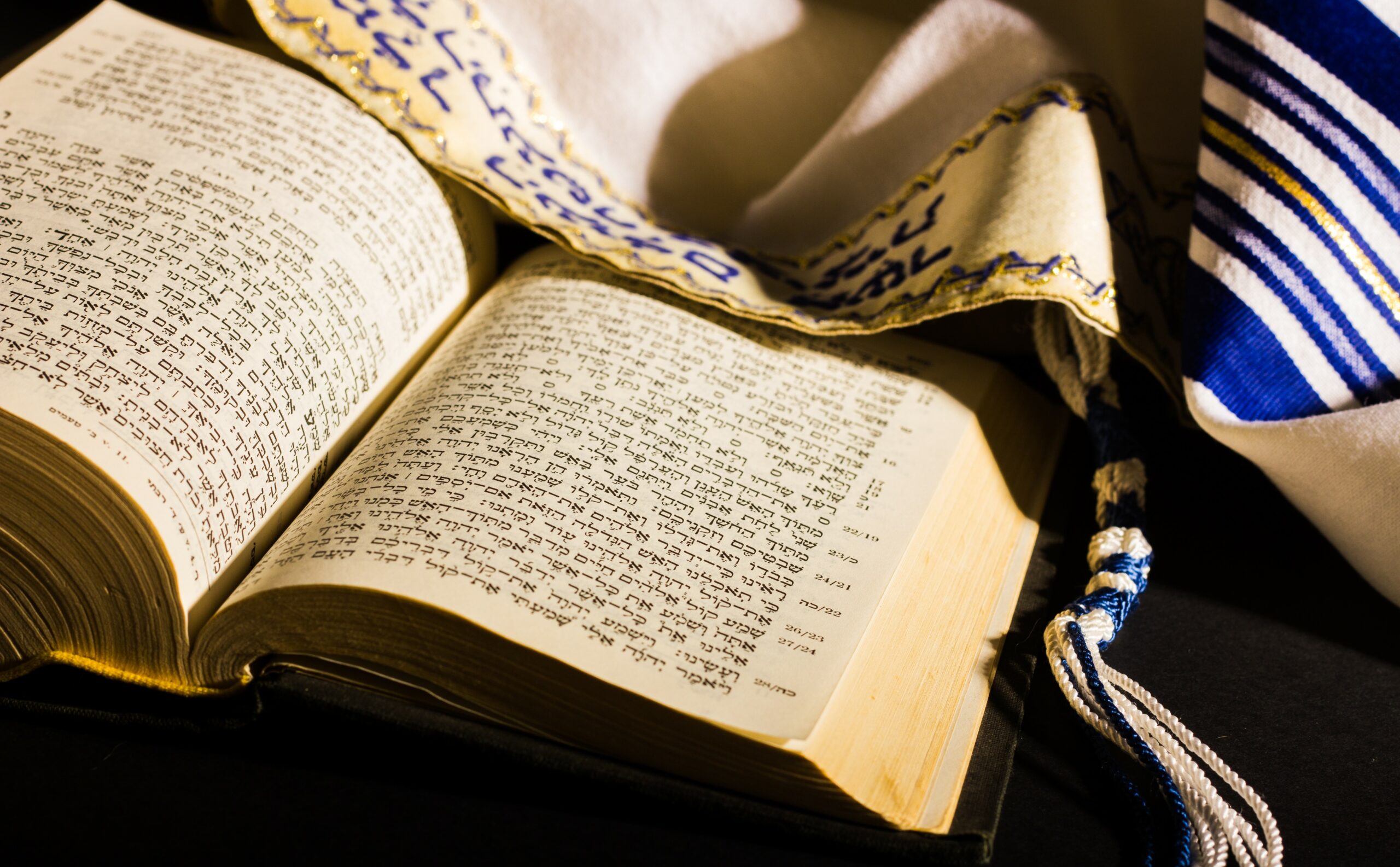
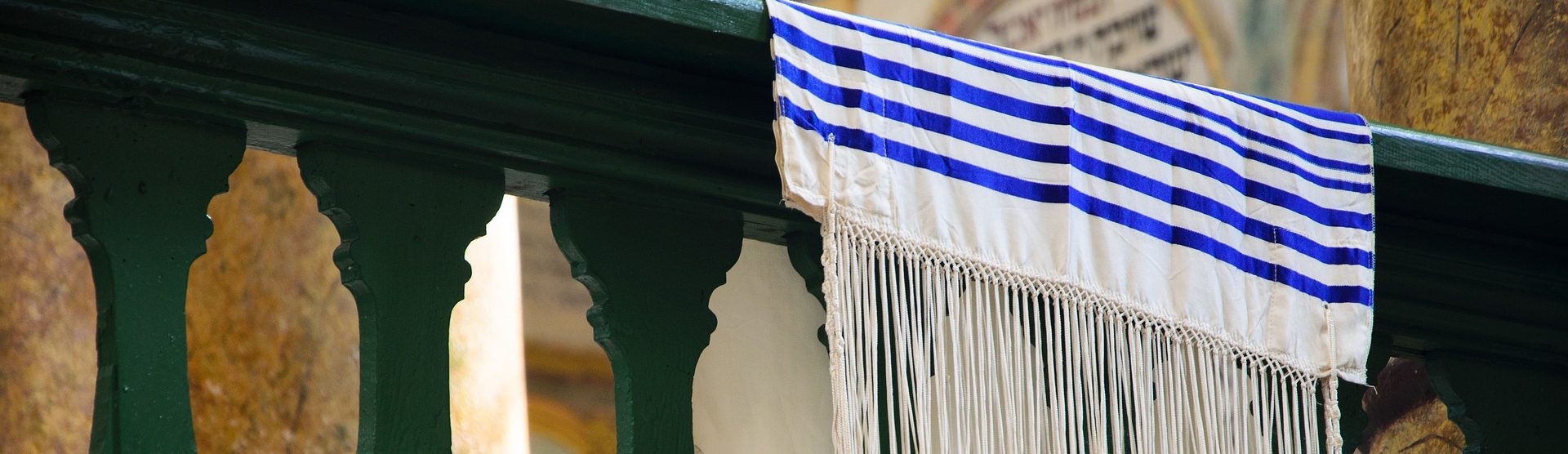
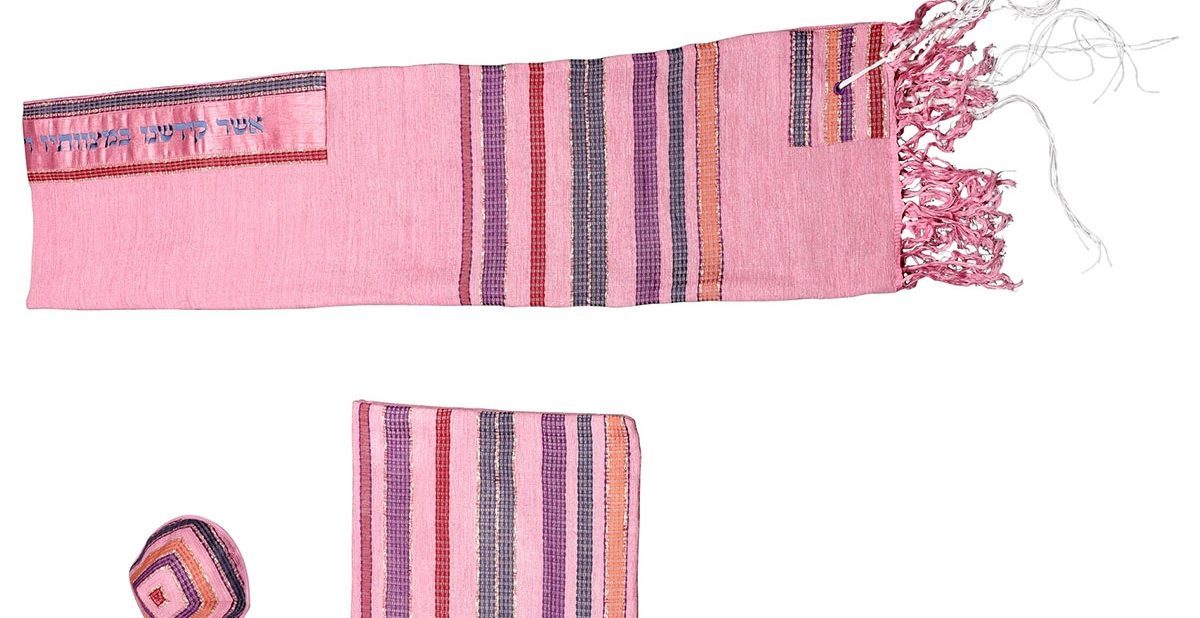
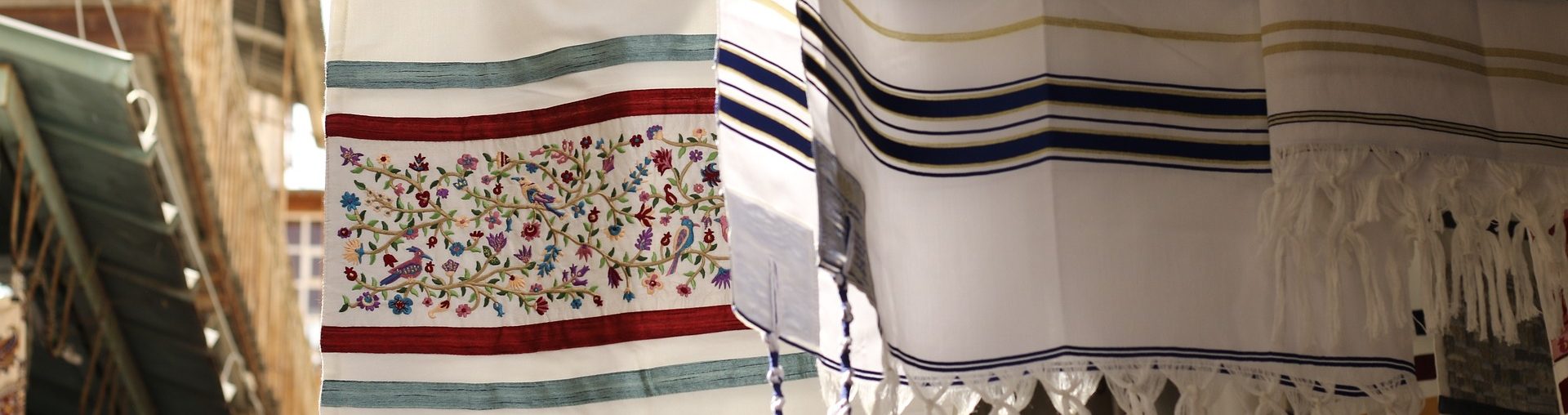
The tallit (prayer shawl) is one of the most recognizable sights when it comes to Judaica, and some women in the last few decades felt that it should not only be reserved for men. Since the latter half of the 20th century, people have expressed opinions of all kinds, and many artists have produced modern, and uniquely feminine styles of tallitot.

At What Age Does a Girl Wear a Tallit?
judaism-4149232

In liberal congregations in which women wear a tallit, a girl would wear a tallit from bat mitzvah age onwards, even if those people come from places where a man would wait until marriage. 

Becoming a bar mitzvah or a bat mitzvah, referring to the person coming of age, means someone is a “son/daughter of the commandments” and that he or she is obligated in Tanakh-based and rabbinic mitzvot (commandments). While many boys will wear the tallit katan (undershirt with tassels) before this point, even in communities where the tallit is worn before marriage - most non-Ashkenazic communities- they still wait until bar mitzvah age.

btn
Orthodox Opinions
jewish-1159704

The orthodox view on this subject is actually somewhat mixed, but this does not mean that things are merely a matter of preference. 

If a woman elects to wear a tallit, she is not even fulfilling a man’s mitzvah of the Tanakh as one doesn’t exist here. Rather, she is donning cloth designed for men, which is crossdressing, a biblical prohibition. This is primarily why most poskim (halachic decisors) do not allow women to wear a tallit even optionally.

Many women find the idea of adopting male-associated items to connect to G-d instead of the ways women have done for millennia would not be feminist in nature either. 

That said, a minority of poskim have allowed women to wear one by choice so long as it is designed for women specifically, and is visibly notable as such. The view here is that since women have begun to wear tallitot, often with uniquely feminine styles, the feminine versions would be an article of women’s clothing without the concern of crossdressing, which we have discussed here:

An orthodox woman can ask her rabbi what the local customs might dictate, but even if she does not wear one, there are no shortage of ways for her to connect with G-d through countless mitzvot, as well as learning Torah and participating in the local Jewish community.


btn
Opinions of Conservative, Reform, & Reconstructionist
yair_emanuel_rainbow_tallit

Many non-Orthodox people have completely different approaches to the tallit on everyone. Many do not see tzitzit or the tallit as incumbent upon men to wear in a synagogue or anywhere else. Rather, for men and for women, this is a means of connecting to a long history that Jews have worn in synagogues throughout history, and even on their normal four-cornered clothes in our ancient culture. 

For many women now, this is viewed as a way to connect deeper to G-d using traditional Judaica, and would like to see the obligation of mitzvot as ubiquitous for anyone. It is also going to add to one’s mindfulness while engaged in prayer, by literally draping a piece of traditional Jewish garb. Many also do not see the mitzvot as applicable, and are therefore not concerned with the prohibition of crossdressing. In such communities where fulfilling mitzvot is deemphasized, public mitzvot like ones associated with a synagogue come to take extra prominence. 


Historically in the Reform movement, the first non-orthodox one, neither men nor women wore a tallit or used other iconic Judaica items like tefillin, as those were viewed as outdated. Many groups are reintroducing these traditional items so that congregants might connect more to their long legacy.

btn
Should a Woman Wear a Tallit?
peterg-bat-mitzvah-serigraph-1

No community would force a woman to wear a woman's tallit, though some do have traditions of a bat mitzvah tallit. Whether that girl’s tallit is just for the occasion or she prays in it daily is a personal choice. This should not be worn as a stunt or a political statement, rather the women’s tallit should be worn as a way to connect more deeply to G-d and the other mitzvot.

Ultimately, while there are going to be many differing approaches to this subject, being considerate is key.


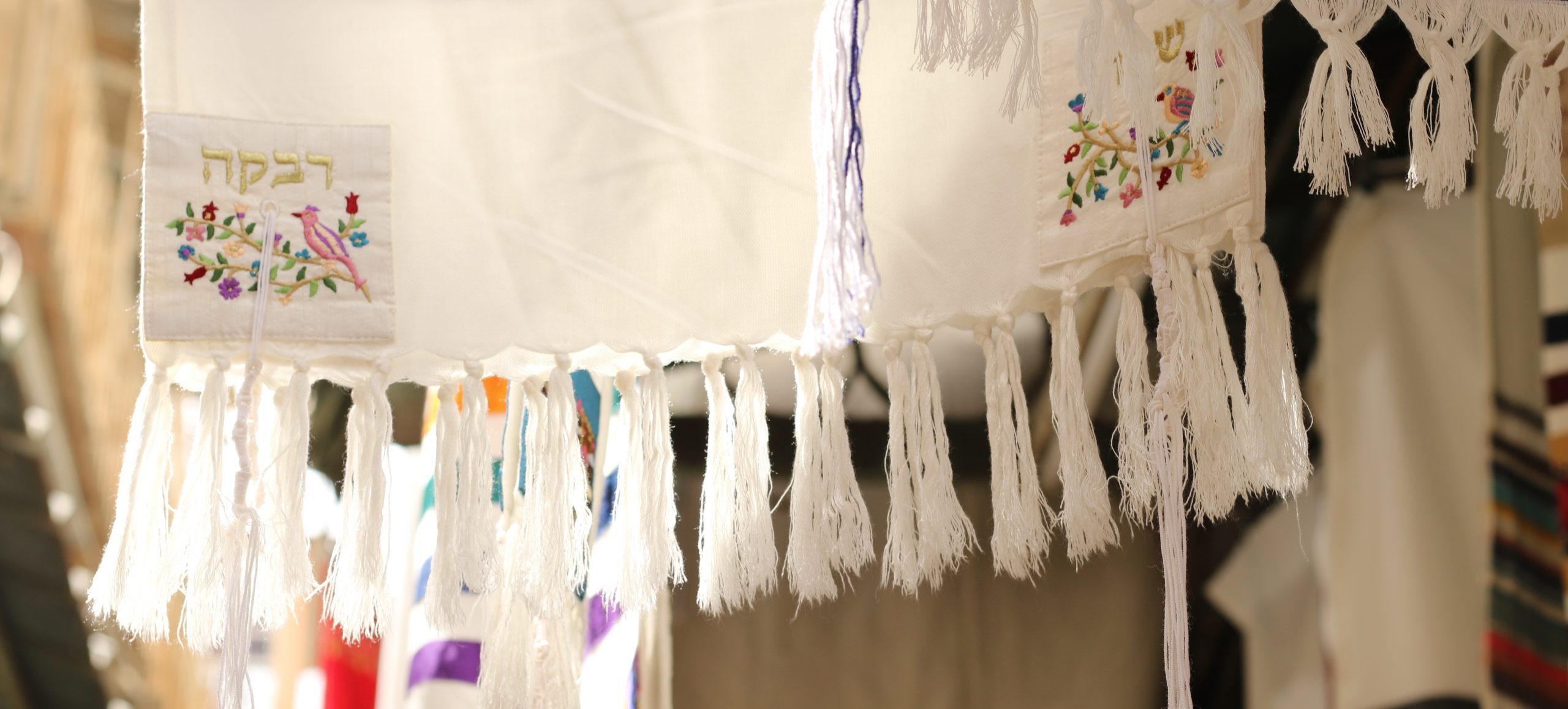
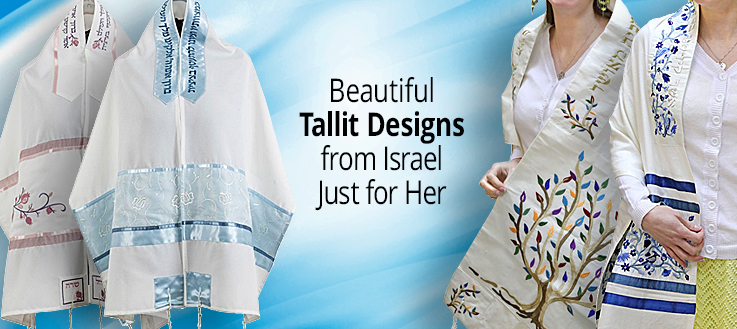
Many Jewish artists around the world have started making unique designs for this growing demand, and a wide range of women’s tallit styles have emerged, some plain and some with intricate Jewish imagery. 

If you would like to look for a women's tallit for yourself or for a girl coming of age, check out our Israeli-designed tallit selection here.

btn
Womens-Tallit-category-m

JWS POST YOU MAY LIKE

Round challah for Rosh Hashanah with honey
Round Challah for Rosh Hashanah with Honey
Rosh Hashanah recipes
What Are the Best Rosh Hashanah Recipes for a Sweet New Year?
When is Rosh Hashanah in 2026? In 2026, Rosh Hashanah begins at sundown on Friday, September 11, and ends at nightfall on Sunday, September 13. It falls on 1–2 Tishrei 5787 in the Hebrew calendar. Food plays a central role in Rosh Hashanah observance and tradition, with rich symbolism woven
A Jewish man blowing the Shofar (ram's horn), which is used to blow sounds on Rosh HaShana (the Jewish New Year) and Yom Kippur (day of Atonement)
Rosh Hashanah in the Bible: Origins of the Jewish New Year
Rosh Hashanah – the Jewish New Year, coming up September 11-12, 2026 – is one of the most important and widely celebrated holidays in Judaism. But while many are familiar with its modern customs, from apples dipped in honey to the sounding of the shofar, fewer know about its biblical
Rosh Hashanah fun for kids
Rosh Hashanah Activities for Kids: Fun & Meaningful Holiday Ideas
Looking for fun ways to keep kids busy this Rosh Hashanah? Discover hands-on crafts, apple-and-honey taste tests, family games and creative activities you can make with AI – all designed to bring more fun and meaning to the holiday.
Pomegranates for Rosh Hashanah
Why Do We Eat Pomegranates on Rosh Hashanah?
Pomegranates are a popular fruit to eat during Rosh Hashanah and a significant symbol in Judaism year-round, often gracing Judaica and Jewish jewelry. Since Rosh Hashanah 2026 begins on September 11 at sundown, now is the perfect time to learn more about the significance and symbolism of the pomegranate in Judaism and Rosh Hashanah!
A Jewish man blowing the Shofar (ram's horn), which is used to blow sounds on Rosh HaShana (the Jewish New Year) and Yom Kippur (day of Atonement)
From Reflection to Renewal: The Deep Meaning of Yom Kippur
Yom Kippur, the Day of Atonement, is the holiest day of the Jewish year: a time of reflection, forgiveness, and renewal. In 2026, it begins at sundown on Sunday, September 20, and lasts through the following evening. Marked by fasting, prayer, and other austere restrictions, Yom Kippur is often seen