Search

Traveling with Car Mezuzahs

The car mezuzah is a new take on one of the most recognizable pieces of Judaica. They are not obligatory in the way that a mezuzah on a door is, but the hope is that it should evoke the same notions, that of remembering G-d wherever you go, and spiritual protection.

The car mezuzah is designed like a mezuzah that would go on the doors of your home, but rather than containing the text of the Shema, from Deuteronomy, it has the traveler’s prayer.


What is a (Door) Mezuzah?
pexels-cottonbro-studio-4033477

Before thinking of car mezuzahs, it's important to know where the mezuzah began. The original mezuzah, which literally means ‘doorpost’ is a box with a parchment scroll in it containing specific verses from the Torah known as the Shema, written by a professional scribe. These are placed on the right-hand side (as one would enter) of any doorway - even if it lacks a door - on homes and businesses, with the exception of bathrooms. 

It is a mitzvah (commandment) in the Torah to do this, and even in less religious communities this remains widely practiced. The meaning behind every mezuzah is to have a reminder of G-d in every situation, be it sleeping, traveling, or keeping at home, so you're fulfilling a mitzvah just by lounging around indoors! Mezuzahs help carry meaning to all small moments of life, while also providing spiritual protection to the home.

btn
What is a Car Mezuzah?
pexels-johnmark-smith-253096

A car mezuzah is a modern design based on the traditional door mezuzah. The underlying purpose of the mezuzah as mentioned in the Torah is to remind Jews to think of G-d on all their comings and goings while offering spiritual protection, so if you are used to traveling in a car and want that to have the special reminder to think of the commandments, it is a beautiful idea to add the same symbolism on your car’s “doorpost”. 

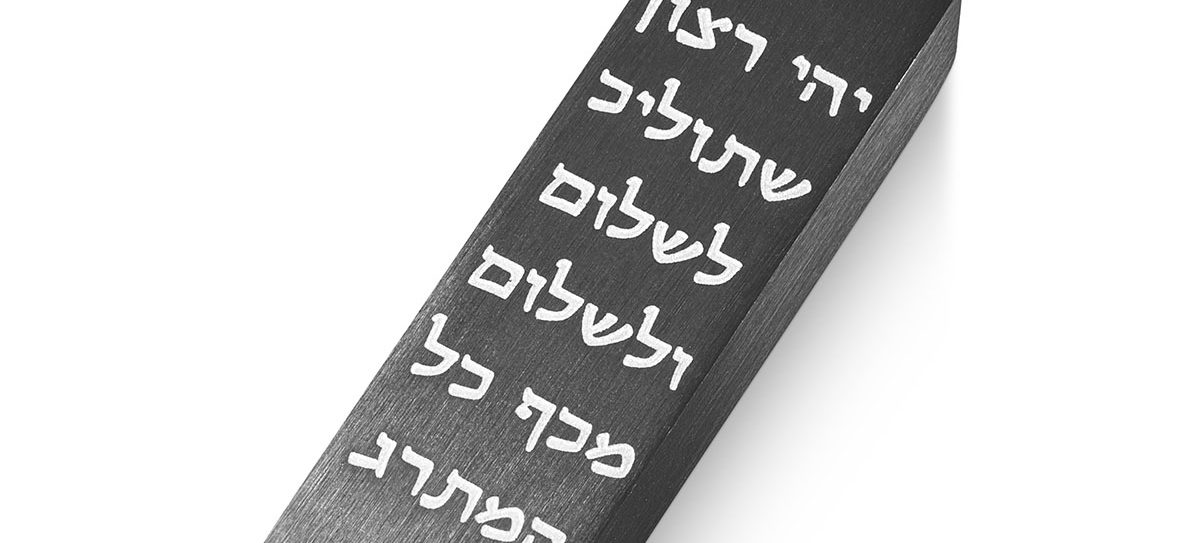
Unlike a mezuzah that goes on a door, which contains a scroll within of the Shema, the car mezuzah does not have this. Some car mezuzahs have all or parts of the tefilat haderech, known as the traveler’s prayer or wayfarer’s prayer, in English, so as to be more fitting for a mode of transportation.

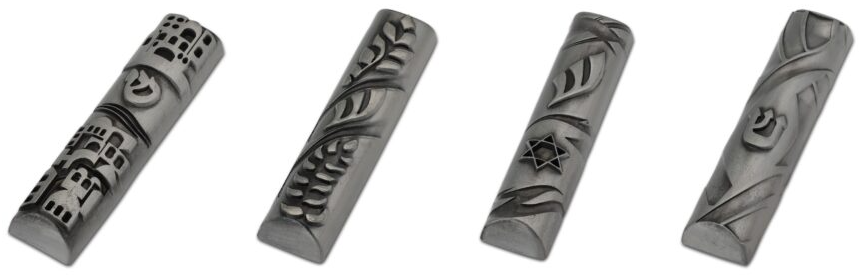
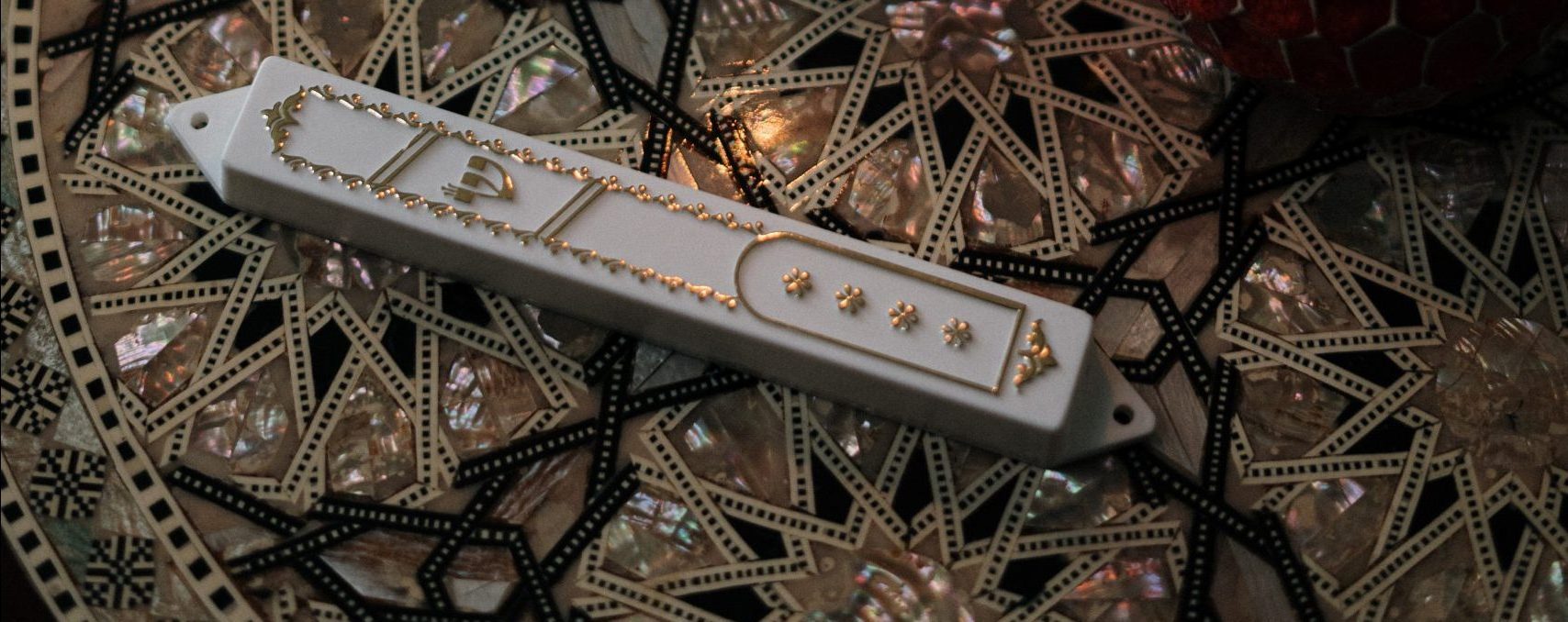
These come in a variety of styles set to look like traditional mezuzahs, with the iconic letter shin, different messages, or other Jewish imagery.


btn
Spiritual Protection
pexels-pixabay-60504

Explicitly in the traveler's prayer and implicitly in the text of the Shema is the idea that the performance of these mitzvahs conveys the byproduct of spiritual and even physical protection. This is not to say that a mezuzah should be considered tantamount to a home-security system or anything of the like, but that by adhering to commandments and remembering Hashem at home and on the road, He will watch over one’s soul and body.

btn
Why Would I Want a Car Mezuzah?
re080bk-adi-sidler-car-mezuzah

The mezuzah for a home or business is uniquely beautiful, both with the artistry that has been going into making the scrolls and the cases for millennia, and the fulfillment of a commandment which is rooted in being spiritually conscious. 

A car mezuzah evokes the same concepts, and because it is not an obligation, choosing to add one to a vehicle is a personal decision to help the driver always think of G-d no matter the direction of the road, literally or metaphorically.

btn
Other Amulets for Safe Travel
Screenshot-2022-08-23-150601

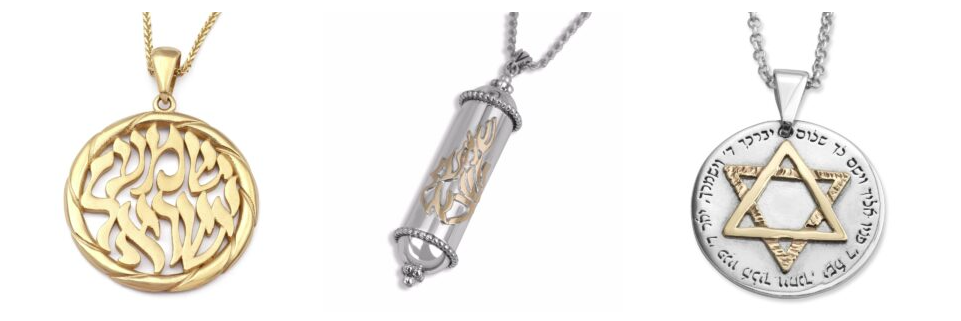
The car mezuzah is one of a few different Jewish amulets designed with the idea of protection. It is important to remember that G-d is the one who provides protection because of our requests, and any spiritual power of devices is only really because of Him. 

Many people also keep Hamsas as jewelry items or as hanging decorations, with the desire to ward off the Evil Eye. Tefilat Haderech, containing verses of Torah, is recited when leaving an town or city, and many items for travel will contain this text

Ultimately, the best source of G-d’s protection is by living each moment of life by the Torah, and an item to help keep you focused on where you need to go is a great way to start.

btn
Best-Judaica-for-Travel_category

JWS POST YOU MAY LIKE

Round challah for Rosh Hashanah with honey
Round Challah for Rosh Hashanah with Honey
Rosh Hashanah recipes
What Are the Best Rosh Hashanah Recipes for a Sweet New Year?
When is Rosh Hashanah in 2026? In 2026, Rosh Hashanah begins at sundown on Friday, September 11, and ends at nightfall on Sunday, September 13. It falls on 1–2 Tishrei 5787 in the Hebrew calendar. Food plays a central role in Rosh Hashanah observance and tradition, with rich symbolism woven
A Jewish man blowing the Shofar (ram's horn), which is used to blow sounds on Rosh HaShana (the Jewish New Year) and Yom Kippur (day of Atonement)
Rosh Hashanah in the Bible: Origins of the Jewish New Year
Rosh Hashanah – the Jewish New Year, coming up September 11-12, 2026 – is one of the most important and widely celebrated holidays in Judaism. But while many are familiar with its modern customs, from apples dipped in honey to the sounding of the shofar, fewer know about its biblical
Rosh Hashanah fun for kids
Rosh Hashanah Activities for Kids: Fun & Meaningful Holiday Ideas
Looking for fun ways to keep kids busy this Rosh Hashanah? Discover hands-on crafts, apple-and-honey taste tests, family games and creative activities you can make with AI – all designed to bring more fun and meaning to the holiday.
Pomegranates for Rosh Hashanah
Why Do We Eat Pomegranates on Rosh Hashanah?
Pomegranates are a popular fruit to eat during Rosh Hashanah and a significant symbol in Judaism year-round, often gracing Judaica and Jewish jewelry. Since Rosh Hashanah 2026 begins on September 11 at sundown, now is the perfect time to learn more about the significance and symbolism of the pomegranate in Judaism and Rosh Hashanah!
A Jewish man blowing the Shofar (ram's horn), which is used to blow sounds on Rosh HaShana (the Jewish New Year) and Yom Kippur (day of Atonement)
From Reflection to Renewal: The Deep Meaning of Yom Kippur
Yom Kippur, the Day of Atonement, is the holiest day of the Jewish year: a time of reflection, forgiveness, and renewal. In 2026, it begins at sundown on Sunday, September 20, and lasts through the following evening. Marked by fasting, prayer, and other austere restrictions, Yom Kippur is often seen