

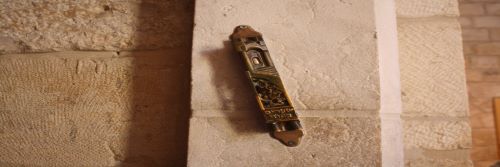
If you grew up in, or ever visited a traditional Jewish home, school, synagogue, or Jewish business, you’re probably already familiar with the sight of a Mezuzah hanging on the doorposts. But what is a Mezuzah, exactly?
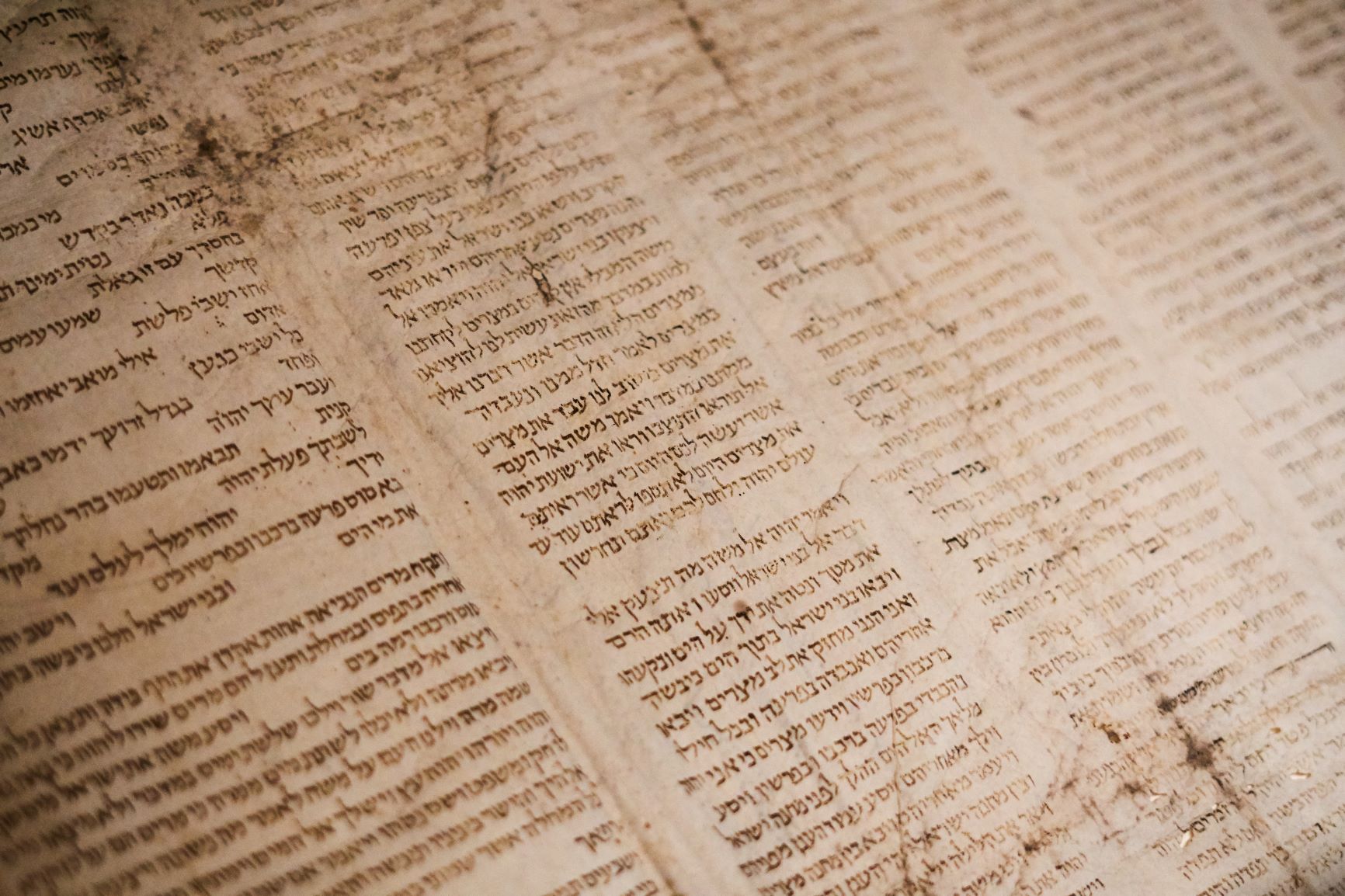 Simply put, a Mezuzah is an object which fulfills the Biblical commandment to “write the words of God on the gates and doorposts of your house” (Deuteronomy 6:9). But that’s where all the simplicity ends. Once you start digging into the history, traditions, and interpretations surrounding Mezuzahs, things start getting a bit more complicated and a lot more interesting so let’s jump right in!
Since we want to shine a light on little-known Mezuzah traditions, we’re going begin with a short recap on history, focusing on events following the split of the ancient Israelite monarchy into the Northern Kingdom of Samaria and the Southern Kingdom of Judah, which happened upon the death of King Solomon. You’ll soon see how this ties into our discussion on Mezuzahs.
 To put things briefly, after the collapse of Israel’s unified monarchy, the two kingdoms of Israel warred frequently with each other, resulting in them becoming weak and vulnerable and it wouldn’t be long before destruction came for both. At some point between the downfall of the kingdoms and the destruction of the Second Temple sometime later, factions began immerging among the survivors of both kingdoms and religious practices evolved, some of them into what we still know today.
Of these developing factions, we’re only going to be concentrating on two: the Samarians and the Jews. You’re probably scratching your head right now. Yeah, we said Jews. Up until this period, Judaism as we know it didn’t really exist and even the word Jew, which derives from the word Yehudi, meaning ‘of the Tribe of Judah,’ didn’t become popular until surviving exiles from the Kingdom of Judah began using it to identify themselves as still-loyal followers of the God of Israel. Meanwhile, the survivors of the northern kingdom, who also remained loyal to Israel’s God, would eventually style themselves as Samarian or Samarian Israelites and they would go on to become a relatively reclusive community maintaining their own traditions largely free of outside influence from other cultures. However, despite sharing common ancestry and similar religions based on the same Torah, Jews and Samaritans are very different, each interpreting the Torah somewhat differently, resulting in distinctively unique traditions. To illustrate this, we’re going to talk about Mezuzah customs.
Finally, we’re back to the subject of Mezuzahs.
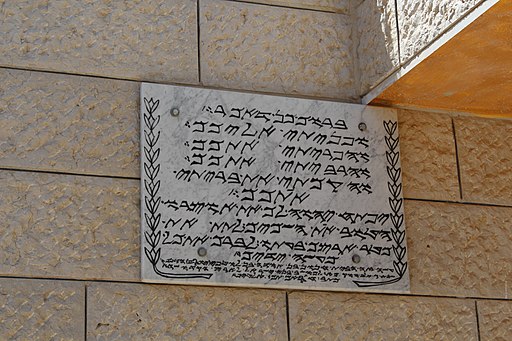
According to Samaritan customs, a Samaritan Mezuzah can be made featuring any suitable verse, prayer, or even a particularly spiritual message from the Samaritan version of the Torah, which they believe is the same one used by the ancient Israelites prior to captivity and exile. The text is typically inscribed onto a plaque made from stone, wood, parchment or some other desirable material, which is placed either above the doorframe of one’s home or in a prominent place just inside the house such as in the entry hall or on a large wall. You may even find several of these unique Mezuzah-plaques inside a Samaritan home or synagogue as many considered it more preferable to have multiple Mezuzahs.
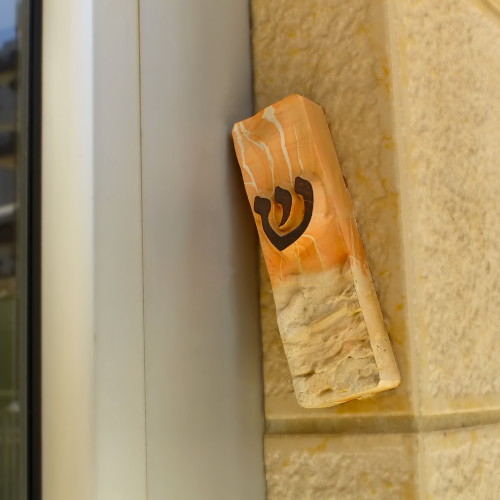
Meanwhile, in mainstream Judaism, a Mezuzah is interpreted as the classic Mezuzah scroll-inside-a-case that most of us are familiar with. Traditional Jewish Mezuzahs are usually found on the doorpost of Jewish homes and other Jewish buildings and involve a tightly rolled scroll of parchment inscribed by highly trained scribes called Sofers, who carefully write out the words of the Shema prayer and the two verses that follow. Placed into protective cases and treated with enormous respect, these are the Mezuzahs many of us picture in our minds when we think of Mezuzahs.
But whether you follow the Samaritan customs or uphold the traditions of conventional Judaism, one thing’s for sure – no matter what, Mezuzahs will forever remain a symbol of protection and remembrance of the unbreakable bond between Hashem and the Children of Israel!
To find out more information about Mezuzahs, check out our really great Mezuzah buying guide here!