Search

Eshet Chayil: King Solomon’s Ode to the Woman of Valor

The Meaning, Origin, and Modern Relevance of the Famous Biblical Hymn “Eshet Chayil” or “Woman of Valor”

Did you know that King Solomon wrote a hymn celebrating strong Jewish women that’s still recited today?

Discover the beautiful words and meaning of “Eshet Chayil” or “Woman of Valor,” and how you can use it to honor the special women in your life today.

The Meaning of Eshet Chayil
AdobeStock_609366901

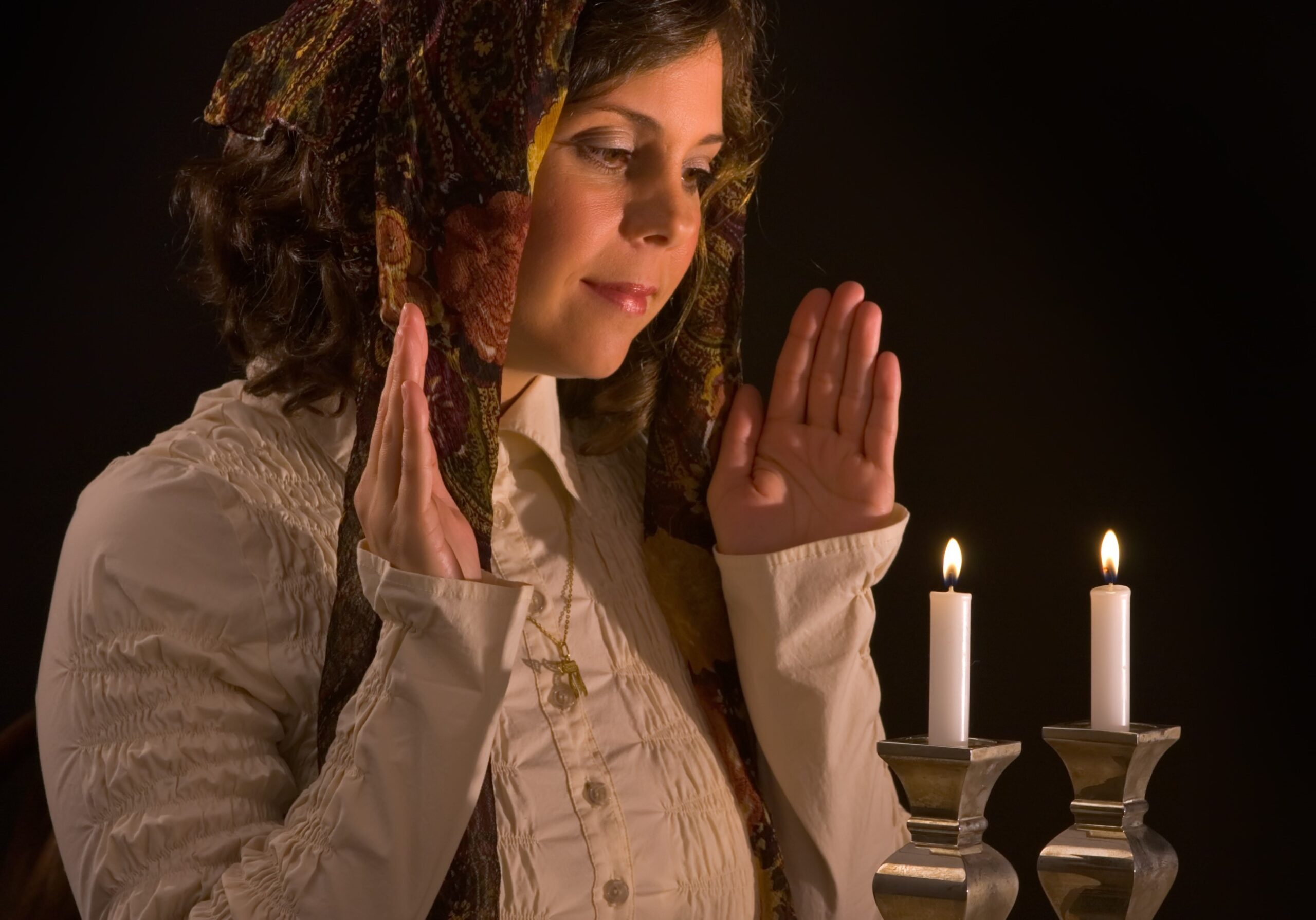
Eshet Chayil ("A Woman of Valor") is a beloved Jewish hymn traditionally sung on Friday nights before the Shabbat meal, often by husbands to honor their wives. Its words, drawn from Proverbs 31:10–31 and attributed to King Solomon, offer a timeless tribute to the strength, grace, and dedication of Jewish women. The verses portray a woman who is industrious, generous, wise, and deeply devoted to her family and community—her worth described as “far beyond rubies.”

The hymn starts with the famous line:

"A woman of valor, who can find? Her value is far beyond that of pearls."

The Woman of Valor is not merely praised for her domestic accomplishments, but for her moral and spiritual virtues: her kindness, her foresight, her faith. She is portrayed as both strong and compassionate—a reflection of divine wisdom made manifest in everyday life. Over the centuries, these verses have come to represent not just an ideal wife or mother, but a universal model of Jewish womanhood.


btn
Mother_s-Day-2024_category_mobile
The Modern Significance of Eshet Chayil
AdobeStock_539300217

Though rooted in ancient scripture, the message of Eshet Chayil continues to resonate today. Jewish mothers and women everywhere still embody these ideals in the way they nurture homes, pursue careers, support their communities, and uphold tradition. In many homes, the hymn has become more than a ritual—it’s a moment of heartfelt appreciation, a spiritual love letter to the unsung heroes who do it all.

In our modern world, where women take on countless roles both inside and outside the home, Eshet Chayil reminds us to recognize and celebrate their efforts. It serves not only as a praise of the women in our lives, but also as a guiding vision for what strength and virtue look like through a Jewish lens. Whether sung around the Shabbat table or referenced in everyday conversation, Eshet Chayil remains a powerful affirmation of the enduring value of Jewish women—especially the mothers who are the heart of the home.

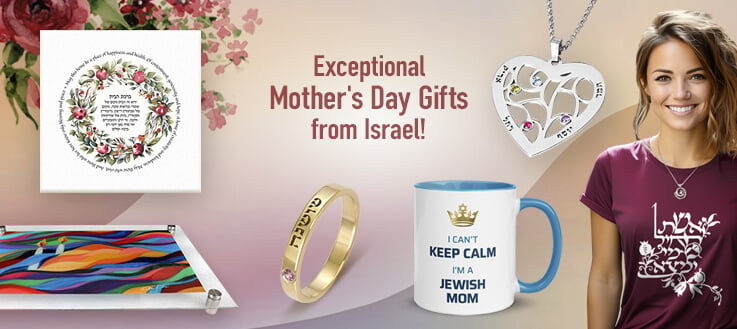
Jewish artists celebrate the famous virtues of the "Woman of Valor" by decorating their works with one or more lines from the famous hymn—from beautiful jewelry to home decor to even t-shirts for the strong Jewish woman who is like an Eshet Chayil!

Celebrate the valiant Jewish wives and mothers in your own life with our special line of Woman of Valor gifts, as well as our full Mother's Day collection from Israeli artists!

btn
mother_s_day_giftst_home-mobile

JWS POST YOU MAY LIKE

Round challah for Rosh Hashanah with honey
Round Challah for Rosh Hashanah with Honey
Rosh Hashanah recipes
What Are the Best Rosh Hashanah Recipes for a Sweet New Year?
When is Rosh Hashanah in 2026? In 2026, Rosh Hashanah begins at sundown on Friday, September 11, and ends at nightfall on Sunday, September 13. It falls on 1–2 Tishrei 5787 in the Hebrew calendar. Food plays a central role in Rosh Hashanah observance and tradition, with rich symbolism woven
A Jewish man blowing the Shofar (ram's horn), which is used to blow sounds on Rosh HaShana (the Jewish New Year) and Yom Kippur (day of Atonement)
Rosh Hashanah in the Bible: Origins of the Jewish New Year
Rosh Hashanah – the Jewish New Year, coming up September 11-12, 2026 – is one of the most important and widely celebrated holidays in Judaism. But while many are familiar with its modern customs, from apples dipped in honey to the sounding of the shofar, fewer know about its biblical
Rosh Hashanah fun for kids
Rosh Hashanah Activities for Kids: Fun & Meaningful Holiday Ideas
Looking for fun ways to keep kids busy this Rosh Hashanah? Discover hands-on crafts, apple-and-honey taste tests, family games and creative activities you can make with AI – all designed to bring more fun and meaning to the holiday.
Pomegranates for Rosh Hashanah
Why Do We Eat Pomegranates on Rosh Hashanah?
Pomegranates are a popular fruit to eat during Rosh Hashanah and a significant symbol in Judaism year-round, often gracing Judaica and Jewish jewelry. Since Rosh Hashanah 2026 begins on September 11 at sundown, now is the perfect time to learn more about the significance and symbolism of the pomegranate in Judaism and Rosh Hashanah!
A Jewish man blowing the Shofar (ram's horn), which is used to blow sounds on Rosh HaShana (the Jewish New Year) and Yom Kippur (day of Atonement)
From Reflection to Renewal: The Deep Meaning of Yom Kippur
Yom Kippur, the Day of Atonement, is the holiest day of the Jewish year: a time of reflection, forgiveness, and renewal. In 2026, it begins at sundown on Sunday, September 20, and lasts through the following evening. Marked by fasting, prayer, and other austere restrictions, Yom Kippur is often seen