Search

What Does Elijah’s Cup Symbolize?

One of the most special items on the Passover table is Elijah’s Cup, rich with mystical significance and symbolism. Learn the meaning behind this unique tradition, its origins, and why it holds a place of honor at the Passover Seder.

Passover is coming! In the leadup to this iconic Jewish holiday, we’re bringing you a series of articles and guides to answer all your questions and help with your Passover prep. Sign up for our emails over on our main site to get all our top content and promotions, and check out our Passover gifts category for all your Passover needs!
One of the most mystical yet mysterious parts of the Passover Seder is Elijah’s cup
Read on to learn more about what this special cup symbolizes and where the name comes from!

The Meaning of Elijah's Cup

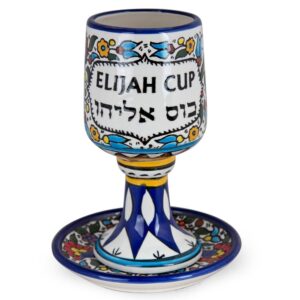
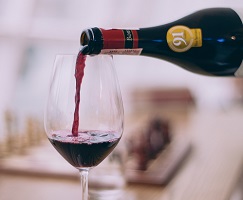
Elijah’s cup”, or cos Eliyahu in Hebrew, refers to the 5th cup of wine poured during the Passover Seder, the ceremonial dinner at the beginning of Passover.

It’s meant to honor the prophet Elijah, and unlike the other cups of wine during the Seder, it is left untouched and we are not meant to drink from it.

Jewish tradition tells us that the prophet Elijah (or Eliyahu in Hebrew) will return one day in the form of an unknown guest, and will announce the coming of the Messiah. It is also believed that he will resolve any and all controversial questions and disagreements regarding Jewish law. Upon pouring Elijah’s cup during the Passover Seder, the front door is briefly opened as a symbolic welcoming of the prophet.

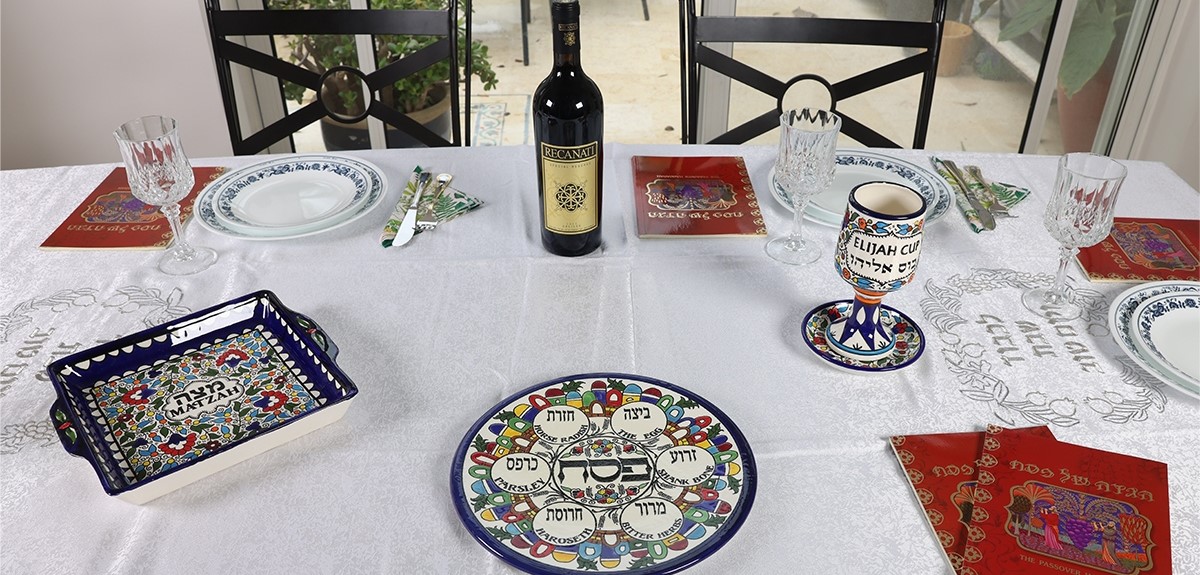
Elijah’s cup therefore symbolizes the future coming of the Messiah and the fulfillment of Jewish prophecies. It’s a powerful way of tying together our past with our future – the historical redemption of the Jewish people via the exodus from Egypt, together with our future redemption in the Messianic age.

All of this is to say that Elijah’s cup is a beautiful symbol of hope and promise for the future – for us, our families, and for the Jewish people. This message is otherwise only heard at a brit milah, where Elijah’s chair (kisei shel Eliyahu) is left out too. 

There is a second meaning behind the tradition of Elijah’s cup: The rabbis of the Talmud couldn’t agree when codifying the Passover Seder as to whether there should be four cups of wine or five; therefore, as a compromise and because all Jewish debates will be resolved when Elijah comes, there was a fifth cup designated with Elijah’s name that is to be filled but not partaken of.

Elijah’s cup is there to signify compromise and unity in the Jewish tradition – a beautiful message that we can all connect to!

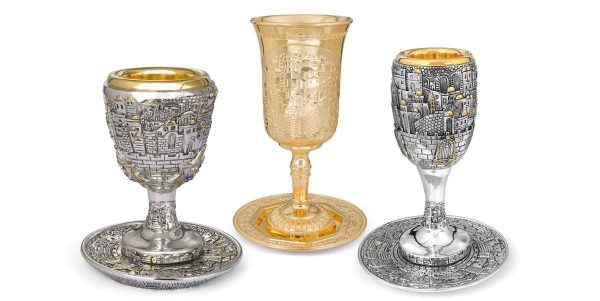
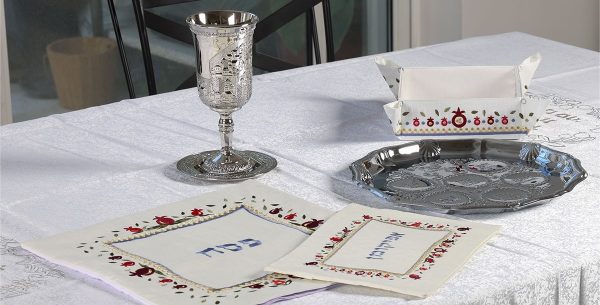
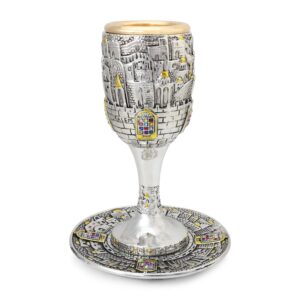
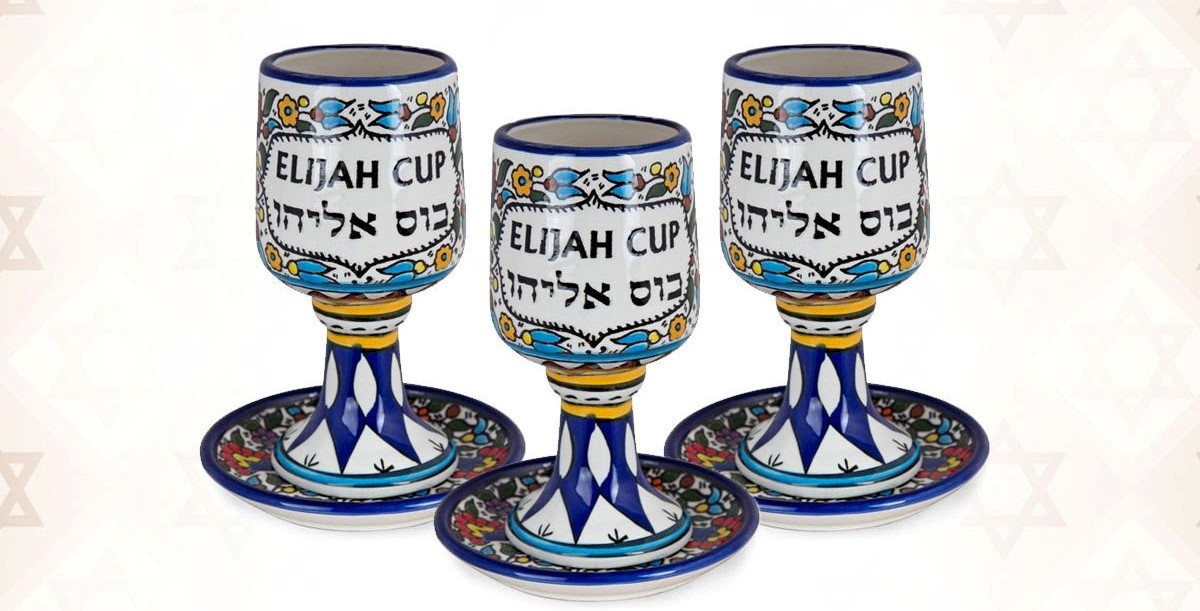
There is a common and longstanding Jewish tradition to have a separate, special cup designated as Elijah’s cup at the Passover Seder – and you can fulfill this custom with a beautiful Elijah’s cup right from our store, along with all the other Passover Judaica and gifts you’ll need.

Can’t decide on the best ceremonial cups for your Seder? Check out our Top 10 Elijah’s Cups and Kiddush Cups for Passover guide!

Beautify your Passover Seder and express your hope for the future with a stylish and artistic Elijah’s cup, lovingly crafted in the Land of Israel.

JWS POST YOU MAY LIKE

Round challah for Rosh Hashanah with honey
Round Challah for Rosh Hashanah with Honey
Rosh Hashanah recipes
What Are the Best Rosh Hashanah Recipes for a Sweet New Year?
When is Rosh Hashanah in 2026? In 2026, Rosh Hashanah begins at sundown on Friday, September 11, and ends at nightfall on Sunday, September 13. It falls on 1–2 Tishrei 5787 in the Hebrew calendar. Food plays a central role in Rosh Hashanah observance and tradition, with rich symbolism woven
A Jewish man blowing the Shofar (ram's horn), which is used to blow sounds on Rosh HaShana (the Jewish New Year) and Yom Kippur (day of Atonement)
Rosh Hashanah in the Bible: Origins of the Jewish New Year
Rosh Hashanah – the Jewish New Year, coming up September 11-12, 2026 – is one of the most important and widely celebrated holidays in Judaism. But while many are familiar with its modern customs, from apples dipped in honey to the sounding of the shofar, fewer know about its biblical
Rosh Hashanah fun for kids
Rosh Hashanah Activities for Kids: Fun & Meaningful Holiday Ideas
Looking for fun ways to keep kids busy this Rosh Hashanah? Discover hands-on crafts, apple-and-honey taste tests, family games and creative activities you can make with AI – all designed to bring more fun and meaning to the holiday.
Pomegranates for Rosh Hashanah
Why Do We Eat Pomegranates on Rosh Hashanah?
Pomegranates are a popular fruit to eat during Rosh Hashanah and a significant symbol in Judaism year-round, often gracing Judaica and Jewish jewelry. Since Rosh Hashanah 2026 begins on September 11 at sundown, now is the perfect time to learn more about the significance and symbolism of the pomegranate in Judaism and Rosh Hashanah!
A Jewish man blowing the Shofar (ram's horn), which is used to blow sounds on Rosh HaShana (the Jewish New Year) and Yom Kippur (day of Atonement)
From Reflection to Renewal: The Deep Meaning of Yom Kippur
Yom Kippur, the Day of Atonement, is the holiest day of the Jewish year: a time of reflection, forgiveness, and renewal. In 2026, it begins at sundown on Sunday, September 20, and lasts through the following evening. Marked by fasting, prayer, and other austere restrictions, Yom Kippur is often seen