Search

What Does the Hamsa Mean in Judaism?

Learn about the Hamsa’s origins and powerful symbolism!

The Hamsa is one of the most popular Jewish and Middle Eastern symbols, often hung in homes or worn as an amulet on jewelry. But where does it come from and what does it mean? And what is its special meaning in Judaism?

Ancient Origins
AdobeStock_441566633

The Hamsa is one of the oldest Jewish symbols; its imagery has been found on ancient Israelite tombs dating all the way back to the 8th century BCE!

Over time it became a common Middle Eastern and North African motif, often used by Sephardic Jews and adopted by non-Jewish traditions as well. It is also sometimes called the "Hand of Miriam" or the "Palm of David."

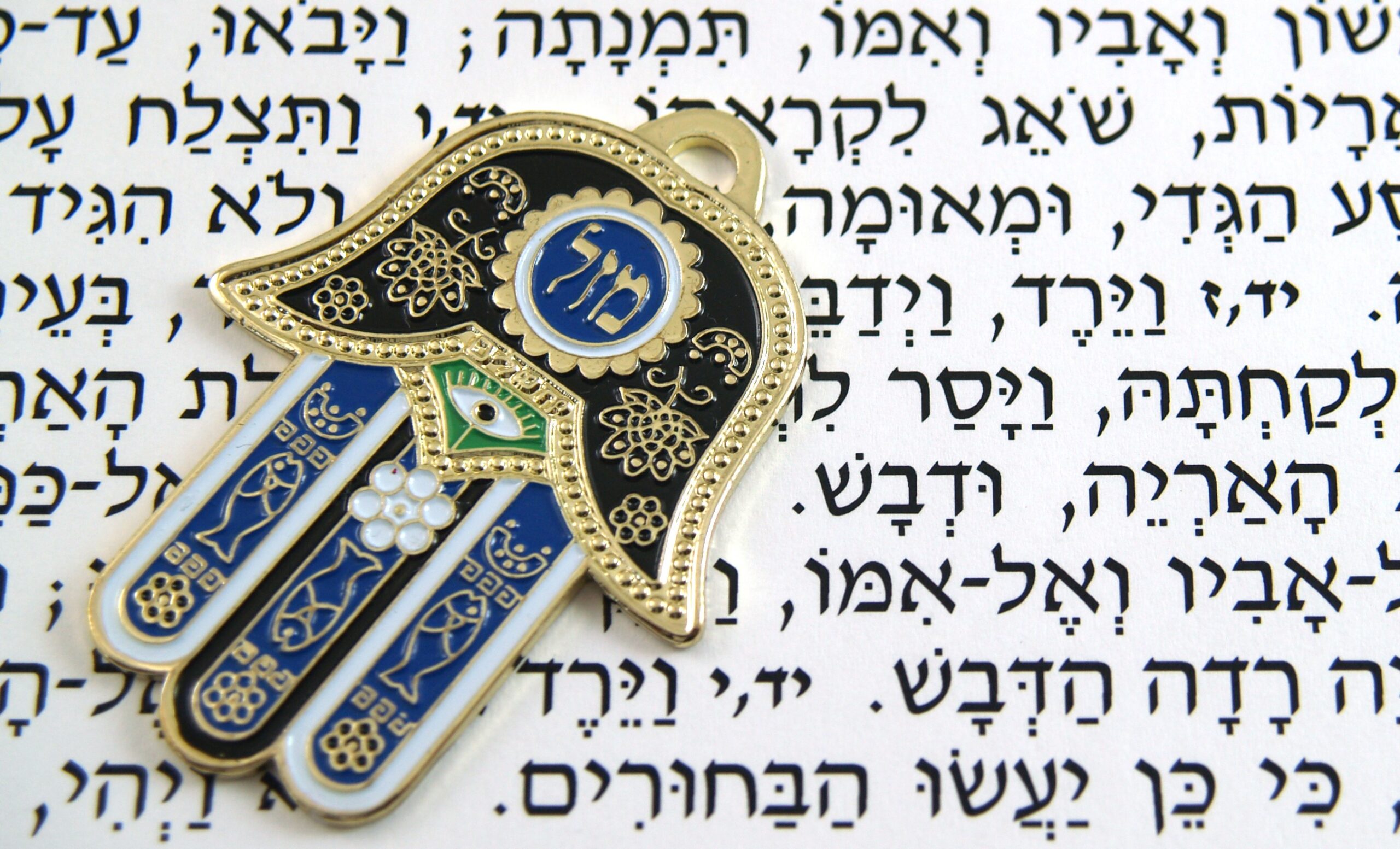
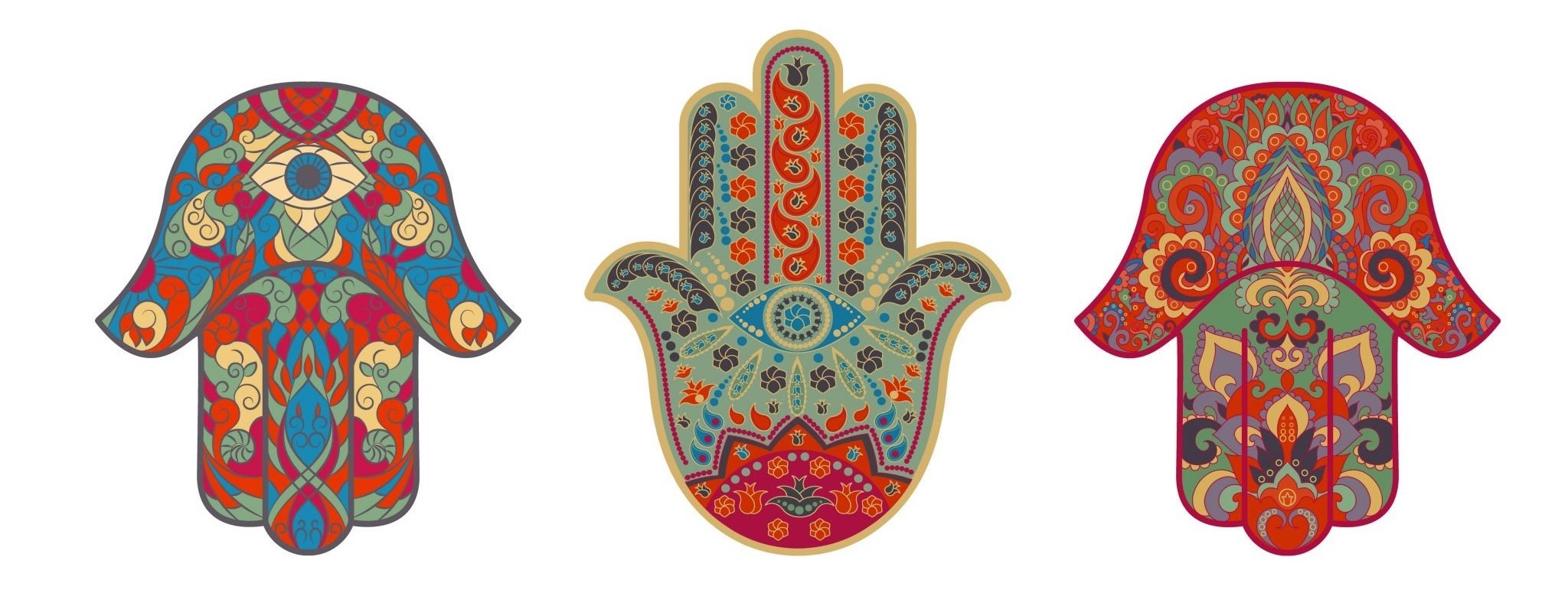
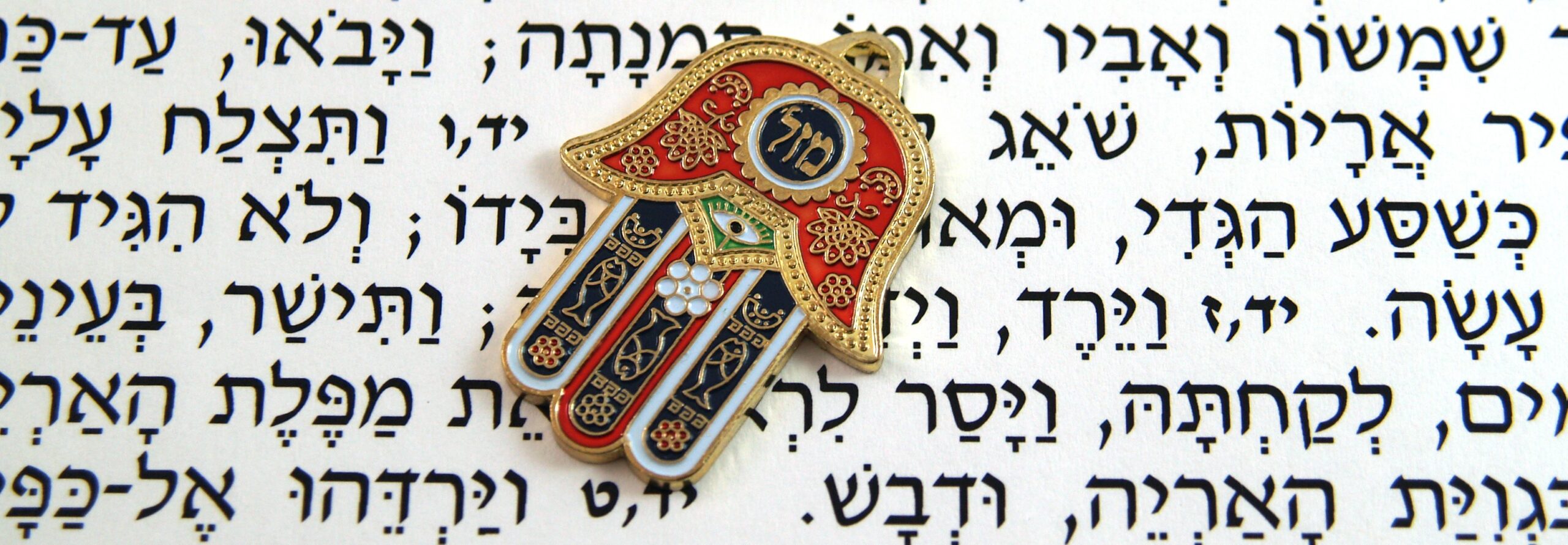
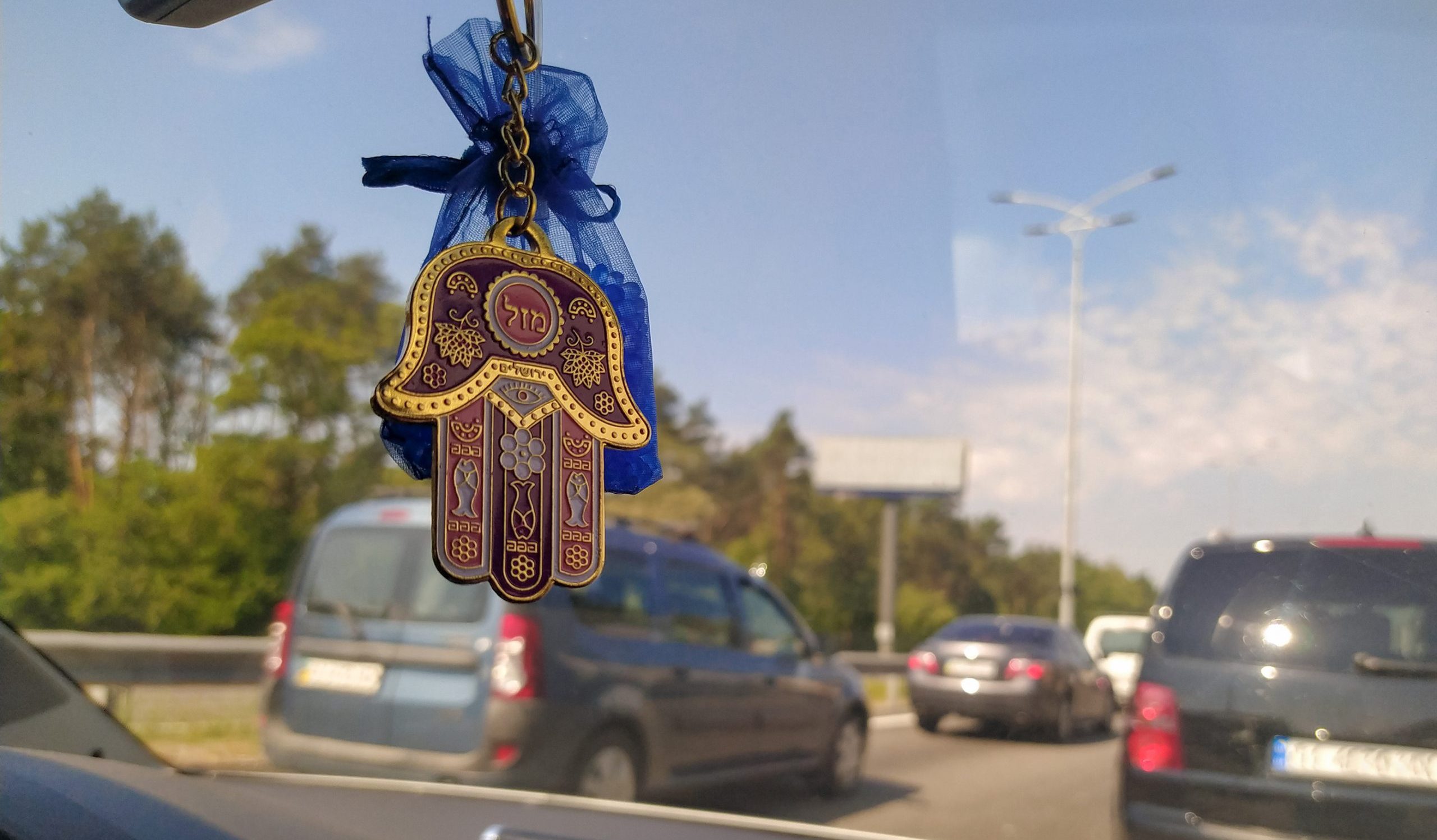
The Hamsa is depicted as an open right hand, often with an eye in the center of the palm and sometimes adorned with fish or other symbols of protection and luck. The hand can either be pointing up or down, fingers spread or close together, and many believe even the smallest of details have an impact in the Hamsa's protection.

The practice of specifically wearing or keeping a Hamsa amulet in one’s home for protection has been found all over the Middle East, North Africa, and Jewish communities in both Israel and the diaspora for centuries.

btn
HAMSA-JEWELRY_1200X628_FB
Jewish Symbolism
OLYMPUS DIGITAL CAMERA

Hung in homes as an amulet till this day and worn as a talisman on necklaces and other jewelry, the Hamsa is a symbol of Divine protection and is Judaism’s most famous good-luck charm.

It’s believed to safeguard from negative energies and the Evil Eye, and to bring luck, happiness, success, fortune, and harmony.

In Judaism, some people also connect the Hamsa with the Exodus from Egypt, as it says that "God took Israel out of Egypt with a strong hand and an outstretched arm." Some Jews also view the five fingers of the Hamsa as a reminder to serve God with all five senses.

The Hamsa is often used in kabbalah and Jewish mysticism, as a symbol of holiness and Creation, with the power to neutralize negative energies and forces as well as protect from unseen dangers.

btn
Hamsa-Art-category-m
Modern Usage
Metallic pink-purple pendant Jewish "Hand of Miriam" or hamsa ha

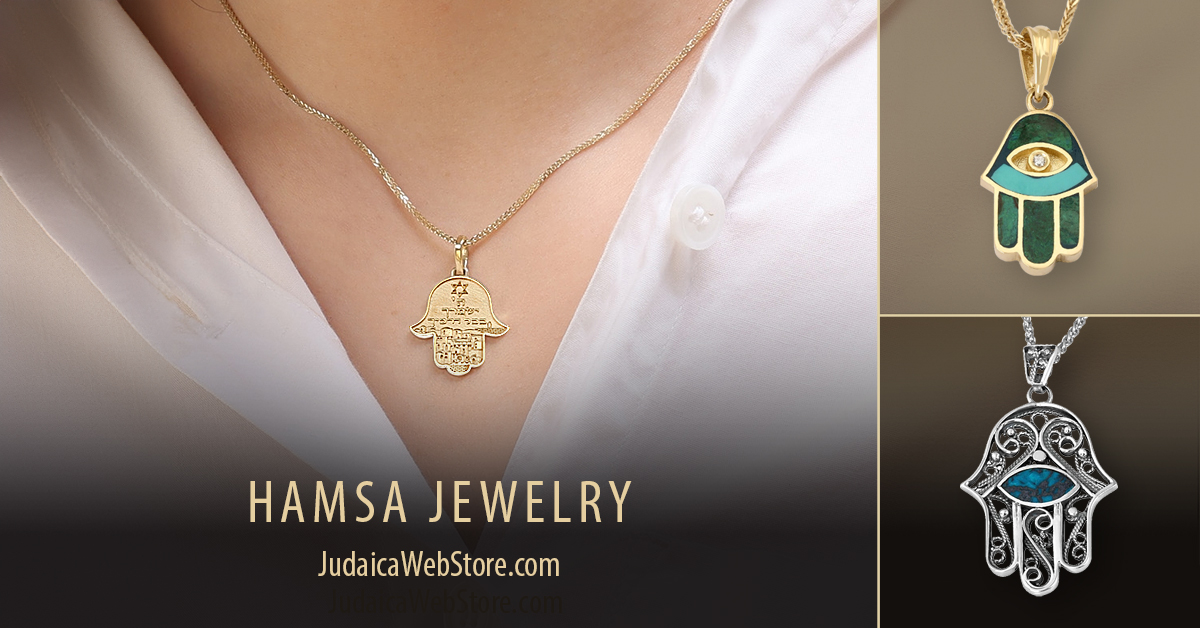
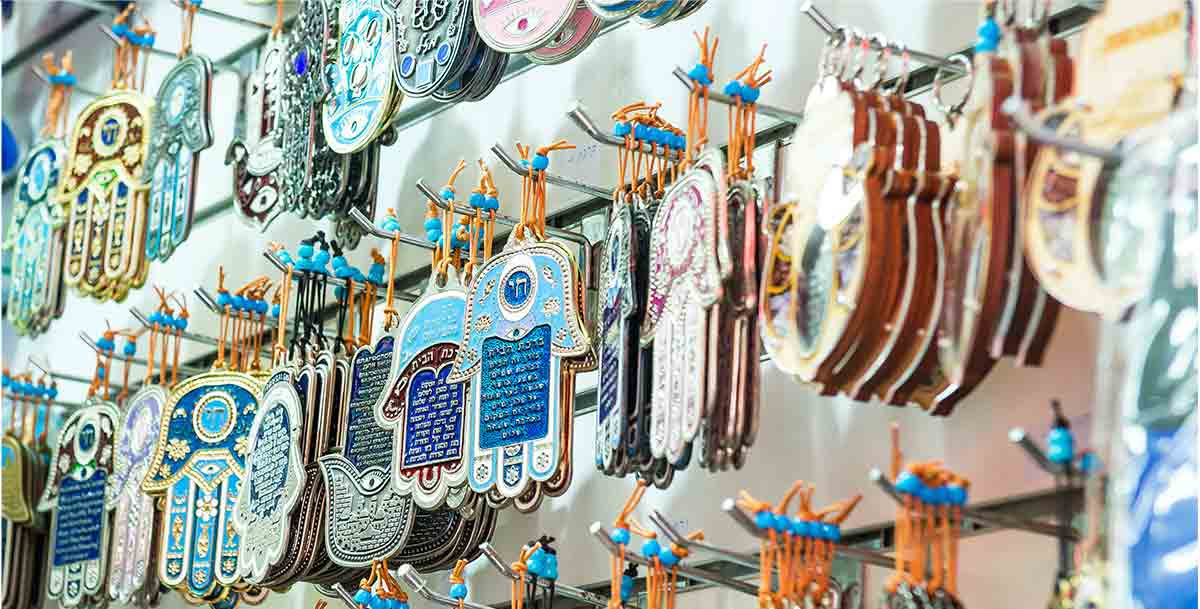
Today, the most popular way to connect to the timeless protective powers of the Hamsa is as part of a stylish jewelry design or displayed in the home as a beautiful decorative element, continuing its long history of bringing good luck and happiness. It's also often used as a protective travel amulet, featuring on keychains and car hangings.

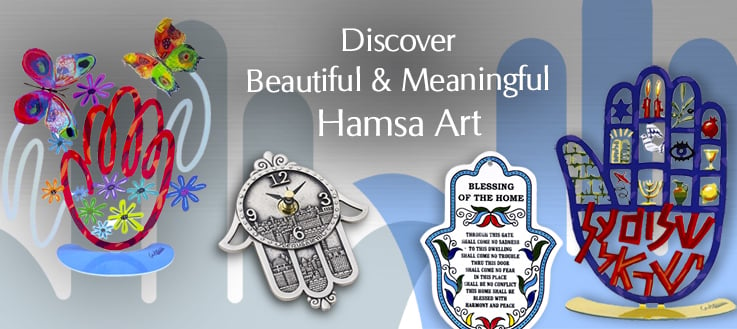
The Hamsa is one of the most popular symbols used by Israeli artists on Jewish jewelry, wall hangings, and other art. It’s also often combined with the traditional home blessing, for an additional protective motif.

A beautiful Hamsa from Israel makes for a special gift or memento with a unique connection to a long history and spiritual meaning like no other!

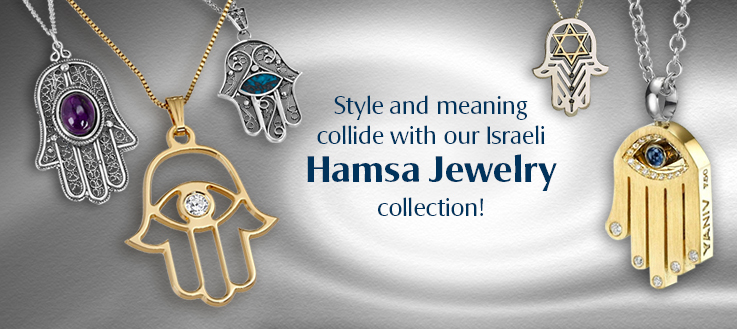
Don't forget to check out our full collection of Hamsa jewelry and home decor from talented Israeli artists, as well as the 15 best Hamsa jewelry for everyone on your gift list!

btn
Hamsa-Jewelry-2022_category_mobile (1)

JWS POST YOU MAY LIKE

Round challah for Rosh Hashanah with honey
Round Challah for Rosh Hashanah with Honey
Rosh Hashanah recipes
What Are the Best Rosh Hashanah Recipes for a Sweet New Year?
When is Rosh Hashanah in 2026? In 2026, Rosh Hashanah begins at sundown on Friday, September 11, and ends at nightfall on Sunday, September 13. It falls on 1–2 Tishrei 5787 in the Hebrew calendar. Food plays a central role in Rosh Hashanah observance and tradition, with rich symbolism woven
A Jewish man blowing the Shofar (ram's horn), which is used to blow sounds on Rosh HaShana (the Jewish New Year) and Yom Kippur (day of Atonement)
Rosh Hashanah in the Bible: Origins of the Jewish New Year
Rosh Hashanah – the Jewish New Year, coming up September 11-12, 2026 – is one of the most important and widely celebrated holidays in Judaism. But while many are familiar with its modern customs, from apples dipped in honey to the sounding of the shofar, fewer know about its biblical
Rosh Hashanah fun for kids
Rosh Hashanah Activities for Kids: Fun & Meaningful Holiday Ideas
Looking for fun ways to keep kids busy this Rosh Hashanah? Discover hands-on crafts, apple-and-honey taste tests, family games and creative activities you can make with AI – all designed to bring more fun and meaning to the holiday.
Pomegranates for Rosh Hashanah
Why Do We Eat Pomegranates on Rosh Hashanah?
Pomegranates are a popular fruit to eat during Rosh Hashanah and a significant symbol in Judaism year-round, often gracing Judaica and Jewish jewelry. Since Rosh Hashanah 2026 begins on September 11 at sundown, now is the perfect time to learn more about the significance and symbolism of the pomegranate in Judaism and Rosh Hashanah!
A Jewish man blowing the Shofar (ram's horn), which is used to blow sounds on Rosh HaShana (the Jewish New Year) and Yom Kippur (day of Atonement)
From Reflection to Renewal: The Deep Meaning of Yom Kippur
Yom Kippur, the Day of Atonement, is the holiest day of the Jewish year: a time of reflection, forgiveness, and renewal. In 2026, it begins at sundown on Sunday, September 20, and lasts through the following evening. Marked by fasting, prayer, and other austere restrictions, Yom Kippur is often seen