
Search

4 Cups Of Passover: Meaning

What Do the 4 Cups of Passover Mean?

Many things related to Passover come in fours: four sons, four questions, four names of Pesach, and four cups of wine, to name the big ones, each with a special significance. 

Every part of the Haggadah is purposeful, and the four cups of Passover, typically filled with wine or grape juice, in turn correspond with the four expressions of redemption mentioned in the Book of Exodus, where the Passover story is detailed. There are four promises G-d makes to the Israelites in Exodus 6:6-7

  1. “I will take you out…”
  2. “I will rescue you…”
  3. “I will redeem you…”
  4. “I will take you as a nation…”


4 cups of Passover

Each part of the statement represents a greater level of redemption that builds off of the previous, remembered through each cup of wine over the Seder and their different blessings. Knowing what they represent gives context to each section of the Haggadah they fall into.

Time to explore the meaning of the four cups for Passover!

Tip: Make sure you don’t miss our Passover 2026 complete guide with dates, customs, and practical tips.


The 1st of the 4 Cups of Passover: Kiddush


4 cups of Passover


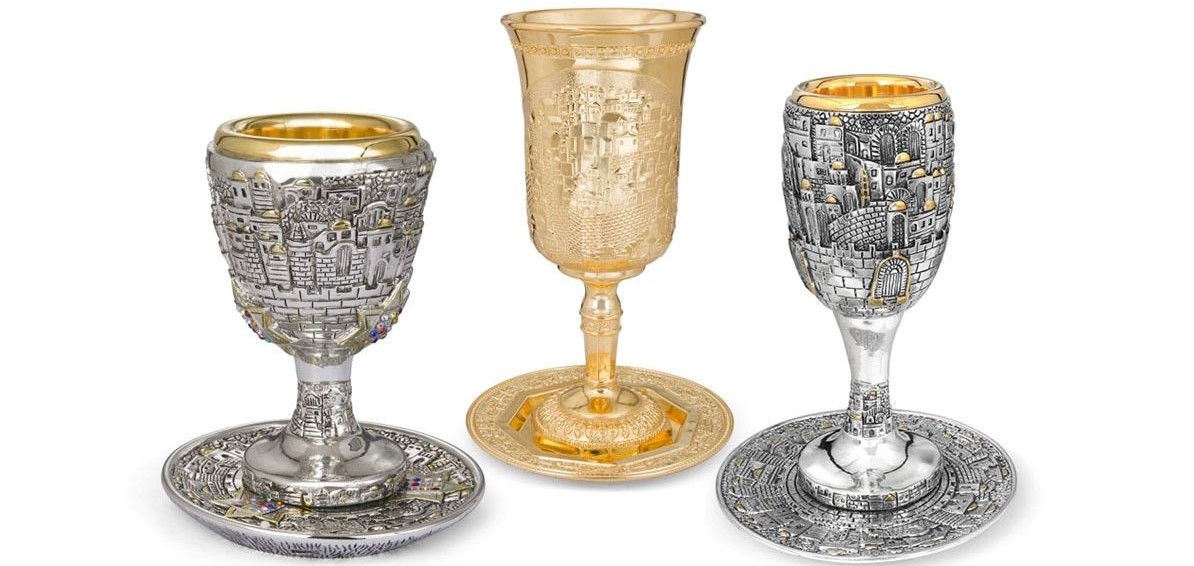
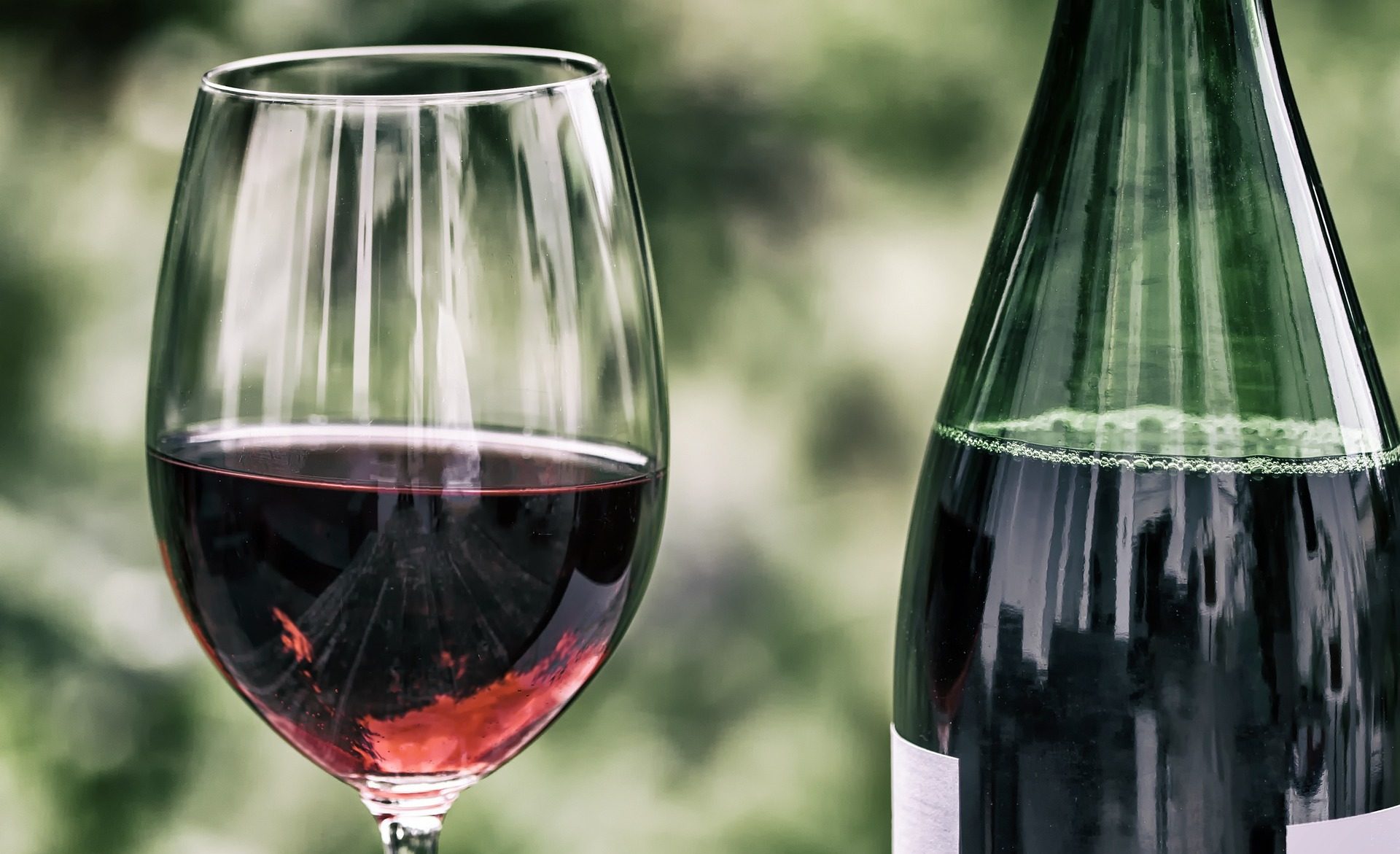
The first cup of wine is special as it serves two functions. Aside from setting up the house and lighting candles, the very first step of the Seder is to make Kiddush on wine, a similar process to entering Shabbat, but here everyone drinks a cup of wine.  

All Biblical holidays begin with wine for Kiddush, from Rosh Hashanah to Shavuot, and Passover is no exception. Like the Kiddush on Shabbat, the blessings and Torah verses recited over the wine are supposed to be a reminder of the holiness and unique quality of the day in question.

Therefore, every Passover Seder’s first glass of wine is a special Kiddush to mark the time of Pesach as distinct from all the rest throughout the year, while also signaling the first expression of redemption.

The line which this cup embodies, "I will take you out from their burdens…" is not a physical redemption but a mental one, which is made clear from the other stages of redemption. Their servitude ended 6 months before they left, but their mindsets needed to change from being enslaved to believing that they would soon be a free people, with personal responsibility.

btn
kiddush-cups-cat-m-2020

The 2nd of the 4 Cups of Passover: Freedom


4 cups of Passover


The second cup is a reminder of the physical freedom from bondage that occurred at the Exodus from Egypt. “I will rescue you from their labor…” corresponds to literally being removed from the service in the land, as it would not be enough to be a free people stuck in Egypt. 

As such, in the blessing it recounts the way in which G-d bent the laws of nature, like splitting the Sea of Reeds and other phenomena that allowed the passage of the Israelites eventually to the Land of Israel. 

This is therefore a blessing not only for freedom in a foreign land, but gratitude for that ability to be independent which only came supernaturally. This is why it is said right after Maggid in the Haggadah, recounting the details of the Exodus.

btn

The 3rd of the 4 Cups of Passover: Grace After the Meal


4 cups of Passover


The third cup of wine is poured before saying Bircat Hamazon, and drunk right after completing that. You may wonder what one of the statements of "I will redeem you" has to do with Grace After the Meal, which is recited every day of the year as a requirement after eating bread or in this case, matzah.  

Freedom always comes with risks; both too much and too little structure will lead to demise. A nation brought up in slavery needs to develop a sense of personal choice and with that, responsibility. 

Just as the meaning of the second cup built off the first, this cup comes as a reminder that physical freedom for the Israelites would have meant nothing without having received the Torah on Mount Sinai. Otherwise nothing would have structured their lives and sense of belonging. This matzah that was eaten comes with a requirement of saying Bircat Hamazon, and so the third cup of wine is a reminder that all the benefits of freedom come with the responsibility of using that in a holy way. 

On Shabbat for instance people say Kiddush over wine and even say Bircat Hamazon over wine, but at the Passover Seder everyone has a separate cup of wine, instead of just one for the leader. 


btn
for-passover_home_mobile

The 4th of the 4 Cups of Passover: Redemption


4 cups of Passover


The language of the fourth cup is the only one written in a different tense, because while the previous ones were all reminders of lessons an earlier generation learnt, this is a vision of the days of Mashiach (the Messiah). It evokes images of a rebuilt Temple in Jerusalem in a land teeming with abundant agriculture

It gives explicit thanks to the Land of Israel on a scale of spirituality and inhabitability not possible until the final redemption. It reminds that while the generation who were brought out of Egypt experienced redemption on a level never seen before or since, there is still more to come. This is why it follows the section called Hallel, literally ‘praise’. 

btn

The Cup of Elijah: Hope, Promise, Unity


Cup of Elijah


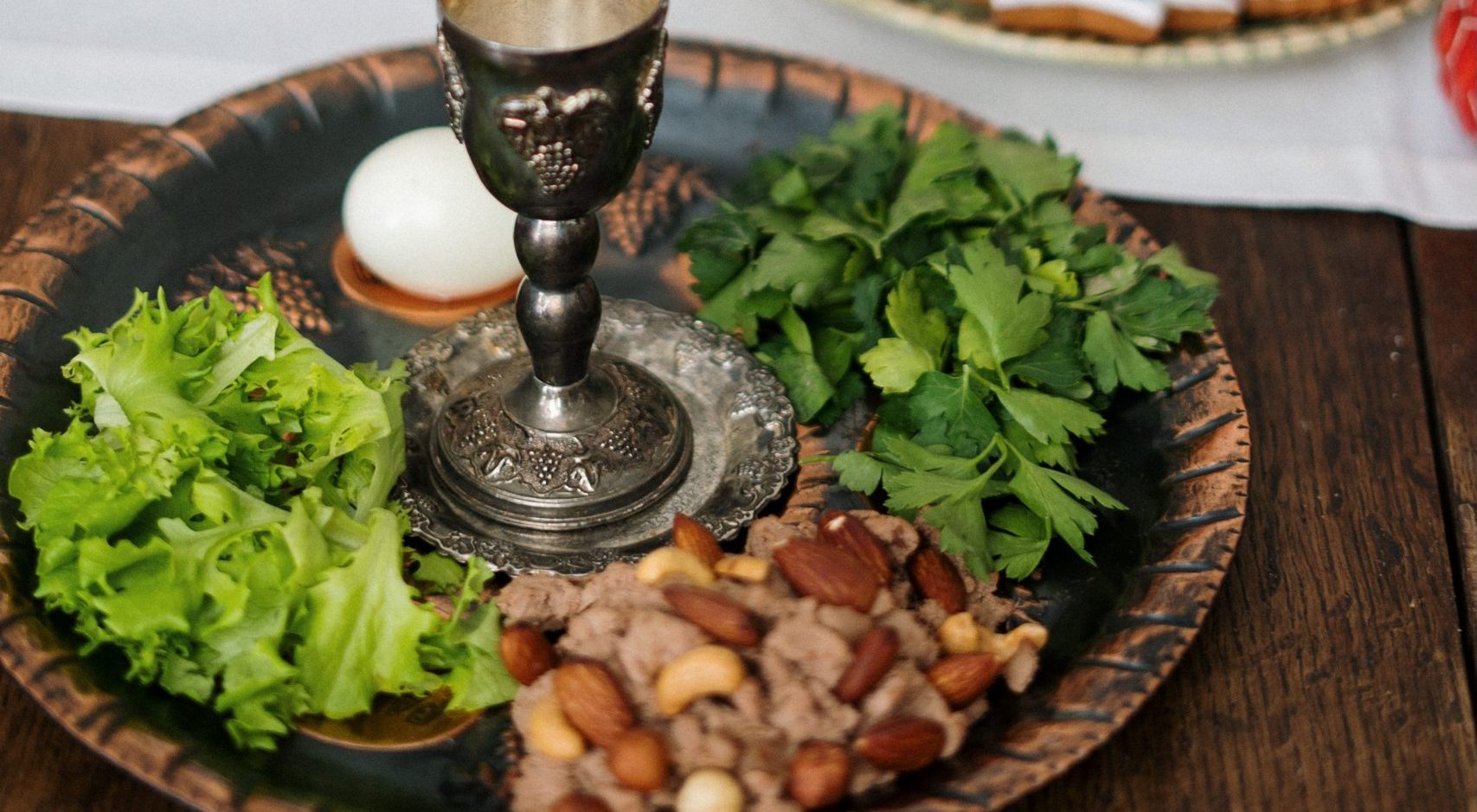
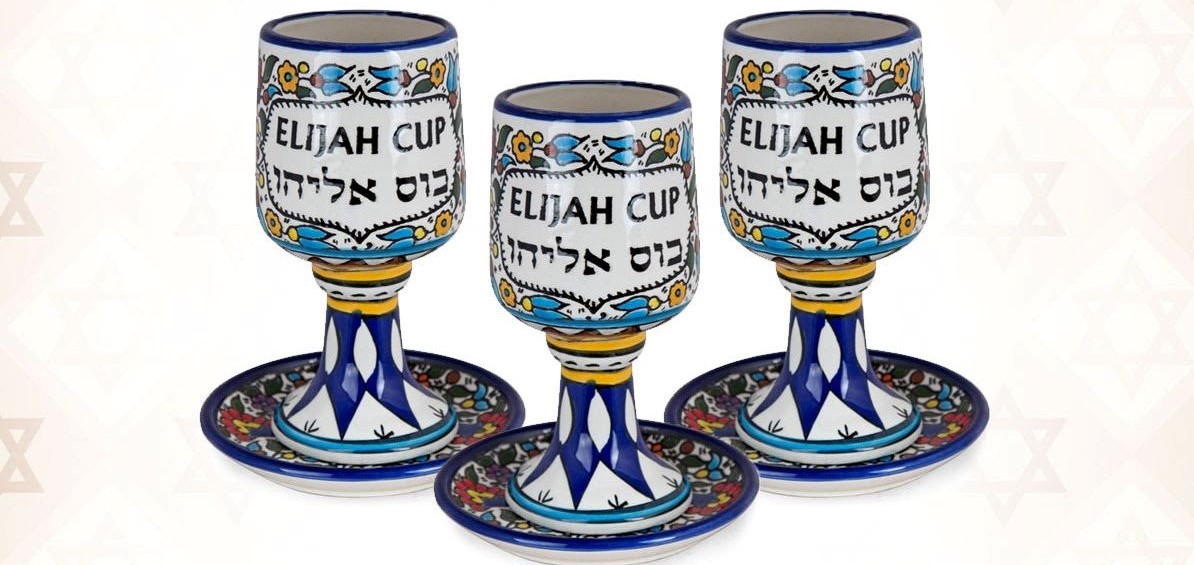
The Cup of Eliyahu or Elijah Cup is not exactly a fifth cup. It differs from the rest in a few ways, namely that there is only one instead of having a separate cup for each person at the Passover Seder, and it isn’t drunk. It is put out in the hope that Eliyahu the prophet will come back to announce the arrival of Mashiach and start to rebuild the Temple and the Sanhedrin. We therefore leave out a cup of wine and open the door for him in case he arrives for which people like to get a unique cup that won't be confused with others’ at the table.

There is also a deeper meaning here. While thematically this and the fourth cup are linked to one final redemption in the future, it also effectively nods to compromise on a dispute on whether a fifth cup of wine should have been added. Eliyahu will come to resolve disputes, and in case the minority argument that there should have been a fifth cup is right, it is a sort of fifth cup. 

btn

Passover 2026: Time for the 4 Cups of Passover!


Passover gifts


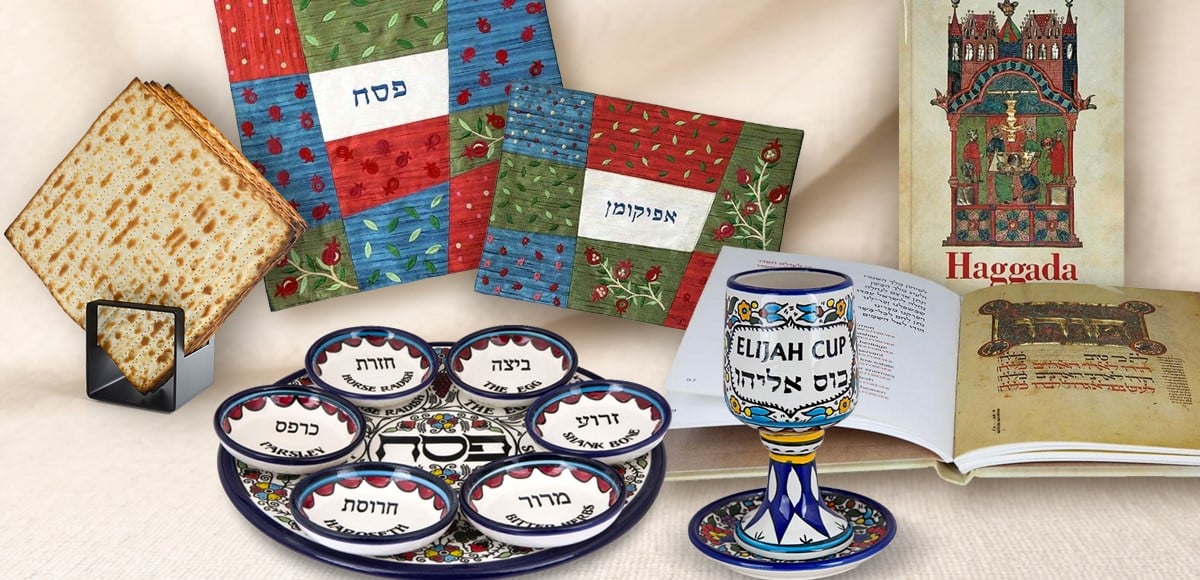
Nothing in Judaism is random or without depth and a long history. That’s how the Seder only gets richer the more one gets to know about each item in the Haggadah and each item on the table. 

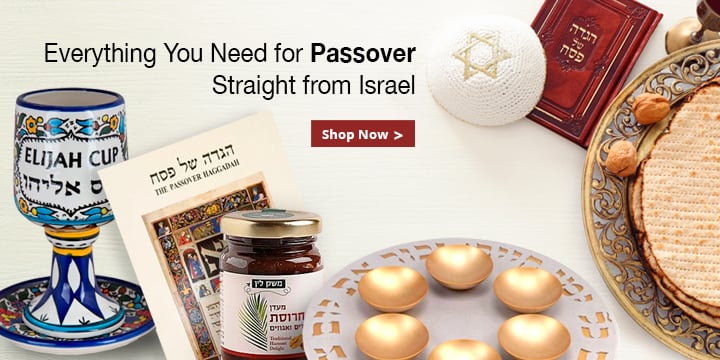
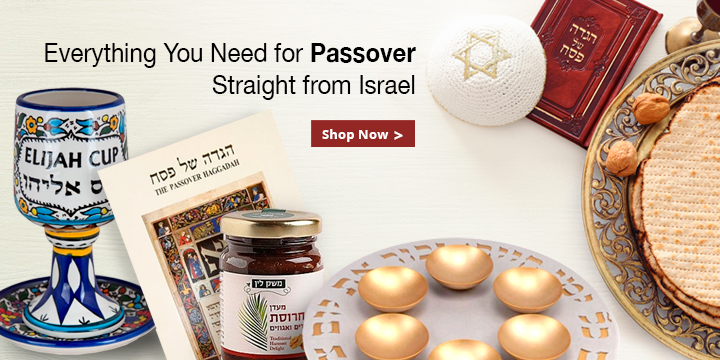
Make sure that your table is ready with everything you need for the Seder, from Seder plates, cups, and kosher wines here.


Passover gifts


Frequently Asked Questions

The four cups represent the four expressions of redemption mentioned in Exodus 6:6-7.

Each cup symbolizes a stage of redemption: Sanctification, Deliverance, Redemption, and Acceptance.

They are consumed at different points during the Seder: Kiddush, Maggid, Birkat Hamazon, and Hallel.

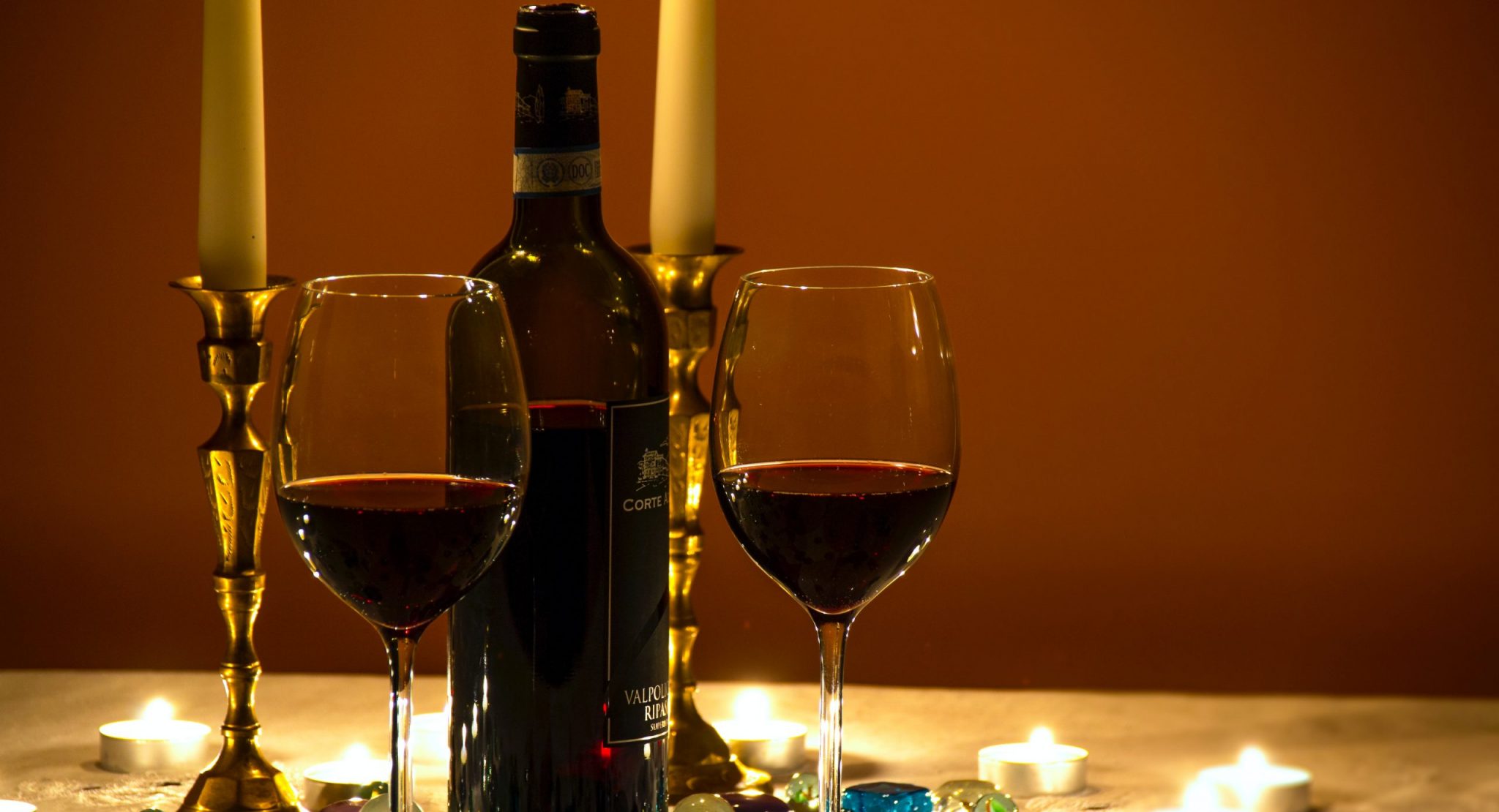
It is customary to use red wine, as it symbolizes joy and freedom.

Ideally, one should drink at least the majority of each cup.

Yes, grape juice is a valid alternative for those who cannot drink wine.

Elijah's Cup symbolizes future redemption and is not consumed during the Seder.

The four names are Pesach (Passover), Chag HaMatzot (Feast of Unleavened Bread), Zman Cheruteinu (Time of Our Freedom), and Chag HaAviv (Spring Festival).


btn
everything-you-need-for-passover_-straight-from-israel_home_mobile_2

JWS POST YOU MAY LIKE

Round challah for Rosh Hashanah with honey
Round Challah for Rosh Hashanah with Honey
Rosh Hashanah recipes
What Are the Best Rosh Hashanah Recipes for a Sweet New Year?
When is Rosh Hashanah in 2026? In 2026, Rosh Hashanah begins at sundown on Friday, September 11, and ends at nightfall on Sunday, September 13. It falls on 1–2 Tishrei 5787 in the Hebrew calendar. Food plays a central role in Rosh Hashanah observance and tradition, with rich symbolism woven
A Jewish man blowing the Shofar (ram's horn), which is used to blow sounds on Rosh HaShana (the Jewish New Year) and Yom Kippur (day of Atonement)
Rosh Hashanah in the Bible: Origins of the Jewish New Year
Rosh Hashanah – the Jewish New Year, coming up September 11-12, 2026 – is one of the most important and widely celebrated holidays in Judaism. But while many are familiar with its modern customs, from apples dipped in honey to the sounding of the shofar, fewer know about its biblical
Rosh Hashanah fun for kids
Rosh Hashanah Activities for Kids: Fun & Meaningful Holiday Ideas
Looking for fun ways to keep kids busy this Rosh Hashanah? Discover hands-on crafts, apple-and-honey taste tests, family games and creative activities you can make with AI – all designed to bring more fun and meaning to the holiday.
Pomegranates for Rosh Hashanah
Why Do We Eat Pomegranates on Rosh Hashanah?
Pomegranates are a popular fruit to eat during Rosh Hashanah and a significant symbol in Judaism year-round, often gracing Judaica and Jewish jewelry. Since Rosh Hashanah 2026 begins on September 11 at sundown, now is the perfect time to learn more about the significance and symbolism of the pomegranate in Judaism and Rosh Hashanah!
A Jewish man blowing the Shofar (ram's horn), which is used to blow sounds on Rosh HaShana (the Jewish New Year) and Yom Kippur (day of Atonement)
From Reflection to Renewal: The Deep Meaning of Yom Kippur
Yom Kippur, the Day of Atonement, is the holiest day of the Jewish year: a time of reflection, forgiveness, and renewal. In 2026, it begins at sundown on Sunday, September 20, and lasts through the following evening. Marked by fasting, prayer, and other austere restrictions, Yom Kippur is often seen