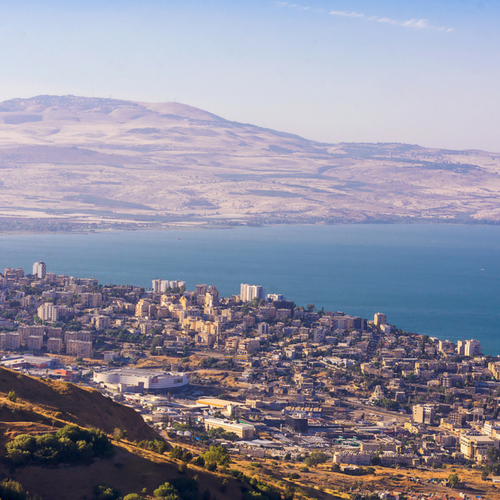

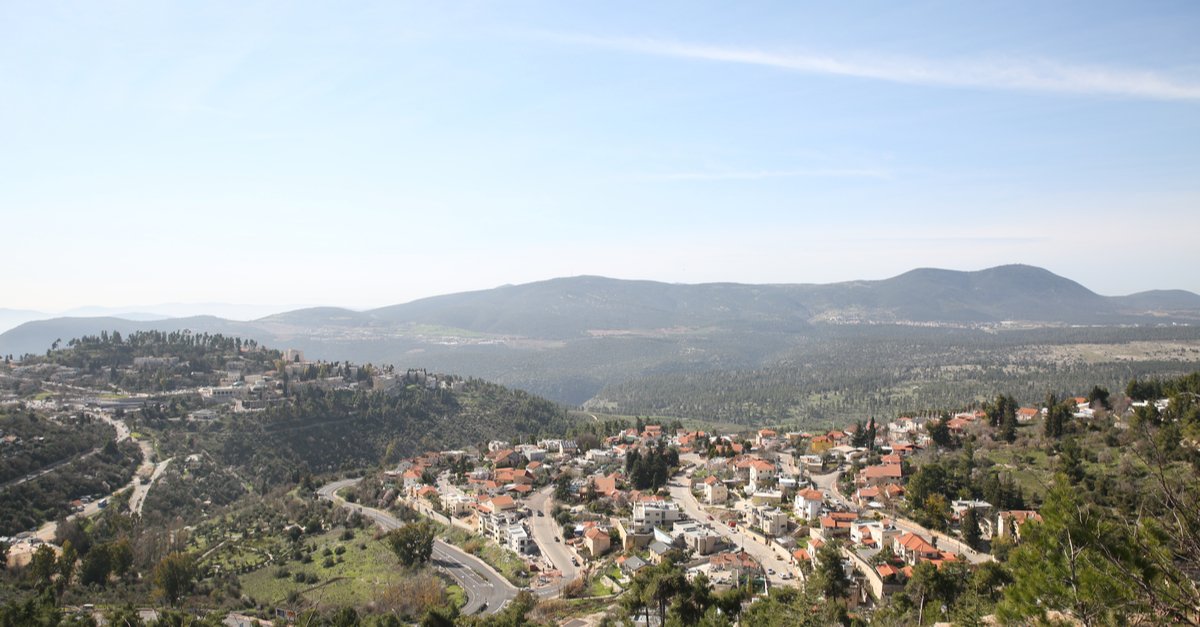
In Israel, there are what is considered to be the “Four Holy Cities”, which is compromised of Jerusalem, Hevron (Hebron), Tzfat (Safed) and Teveria (Tiberias). These cities have had a long rich Jewish history, and were considered holy cities after the huge centers of learning that were, and still are, there. The term the “Four Holy Cities” was actually coined in modern times, during the Ottoman rule over Israel in the 16th Century. During the Ottoman rule, the great rabbis from each city banded together to create a charity for themselves, with using the “Four Holy Cities” as their selling point. Jews from the Diaspora would donate to them and the money would be divided between the four cities. An alternative view of how these cities became holy is seen through a Kabbalistic idea that these four cities represent the four elements of fire, earth, air, and water. While this concept might sound incredibly strange, simply the make-up of the city signifies why each city is whichever element.
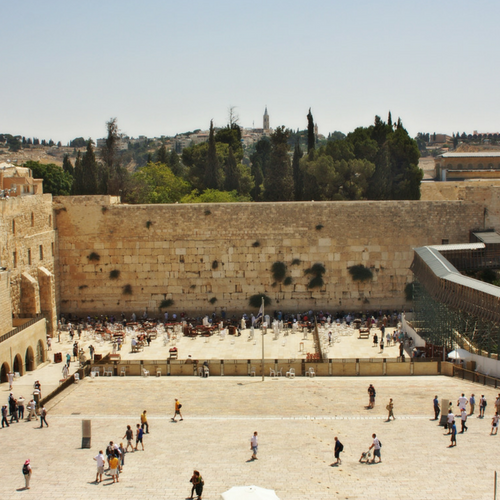
Jerusalem- Fire
Jerusalem, Israel’s eternal capital city, has been a part of Judaism ever since Avraham, the first Jew, was sent there. God told Avraham to go to a place called ‘Moriah’ and to sacrifice his son Yitzchak. This was all a test by God, which Avraham passed right before he sacrificed his son. Moriah became the place that Avraham understood God’s power and renamed it Yerushalayim, meaning “in awe of God”. Later, Jerusalem was home to both Temples and has always been at the heart of Judaism. Ever since our exile from Israel, we have always longed for Jerusalem, to the point where it burns like a fire within our souls. Every Passover and Yom Kippor, we shout out that next year we should be in Jerusalem! Our passion and love for the capital city never burns out, which is why Jerusalem is the city of fire.
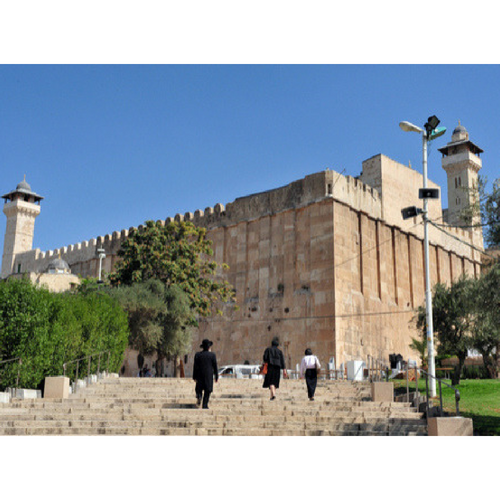
Hevron/Hebron
The city of Hevron has been a part of Jewish history ever since Avraham went and bought a cave there once he left Jerusalem. This was no average cave, it is said to have had a sweet scent to it, as it was an entry way to the Garden of Eden. It became known as Maarat HaMachpelah– the Cave of the Patriarchs- where Avraham and Sarah, Yitzchak and Rivka, and Yakov and Leah are all buried. Hevron became known as the city of Earth because of this cave. While the cave is no longer accessible, one can walk around the the magnificent building built by King Herod and visit one of the holiest places in Judaism.
Tzfat/Safed
If you have ever been to Tzfat, you know there is something a bit different in the air. The mountain top city becomes the element of Air when you realize the spirit of the city. People breathe in this spirit, making Tzfat like no other city in the world. Also known as the City of Kabbalah, Tzfat is a mystical city, and the burial place of some of the greatest rabbis. Everywhere you go, you see a bright blue painted on doors, and homes because blue is not only a Kabbalistic color but also makes the city seem like an airy place, surrounded by blue skies and beautiful views no matter where you look.
Teveria/Tiberas
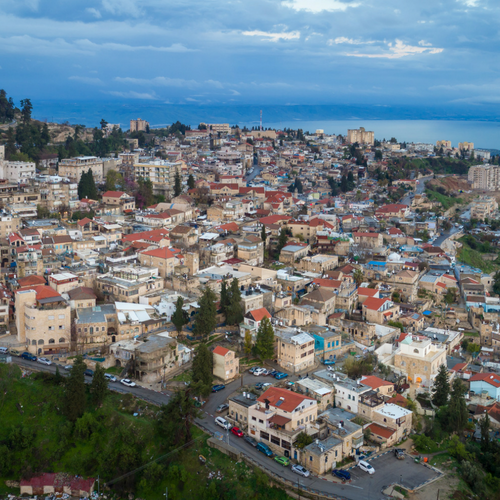
Along the coast of the Kinneret– Sea of Galilee- you’ll find the city of Teveria, making it obvious why it is the city of water. It is also home to ancient hot springs that have been used in healing processes for thousands of years. Teveria was established in 20 CE, and built by the son of King Herod, supposedly on top of an even older Jewish city called Rakkath. After the destruction of the Temple in Jerusalem, the Sanhedrin moved to Teveria and continued to convene until it was disbanded in 425 CE. Today, Teveria is one of the largest tourist cities in northern Israel, where you can enjoy the Kinneret and walk around the ancient ruins of the city.