
Search

How to Set the Perfect Sukkot Table in Your Sukkah

Sukkot 2025 is coming up very soon, starting in the evening on Monday, October 6!

If you’ll be hosting meals in your sukkah during the weeklong holiday, make sure to follow these top tips for setting a festive and beautiful holiday table.

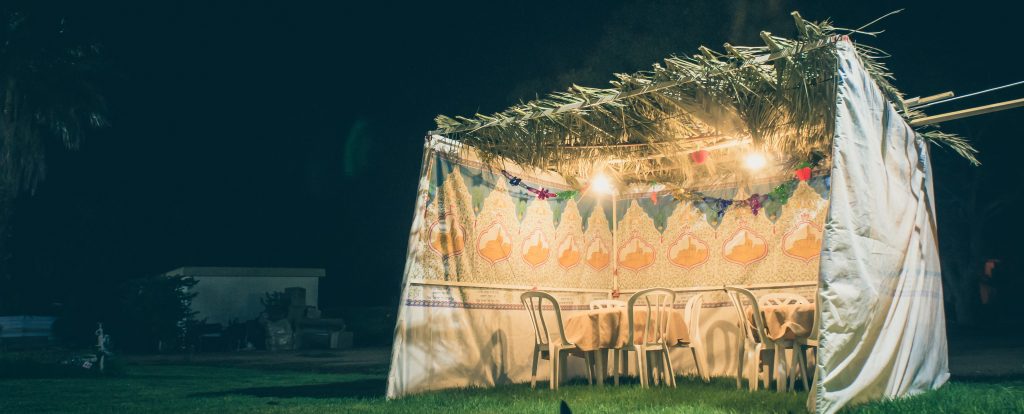
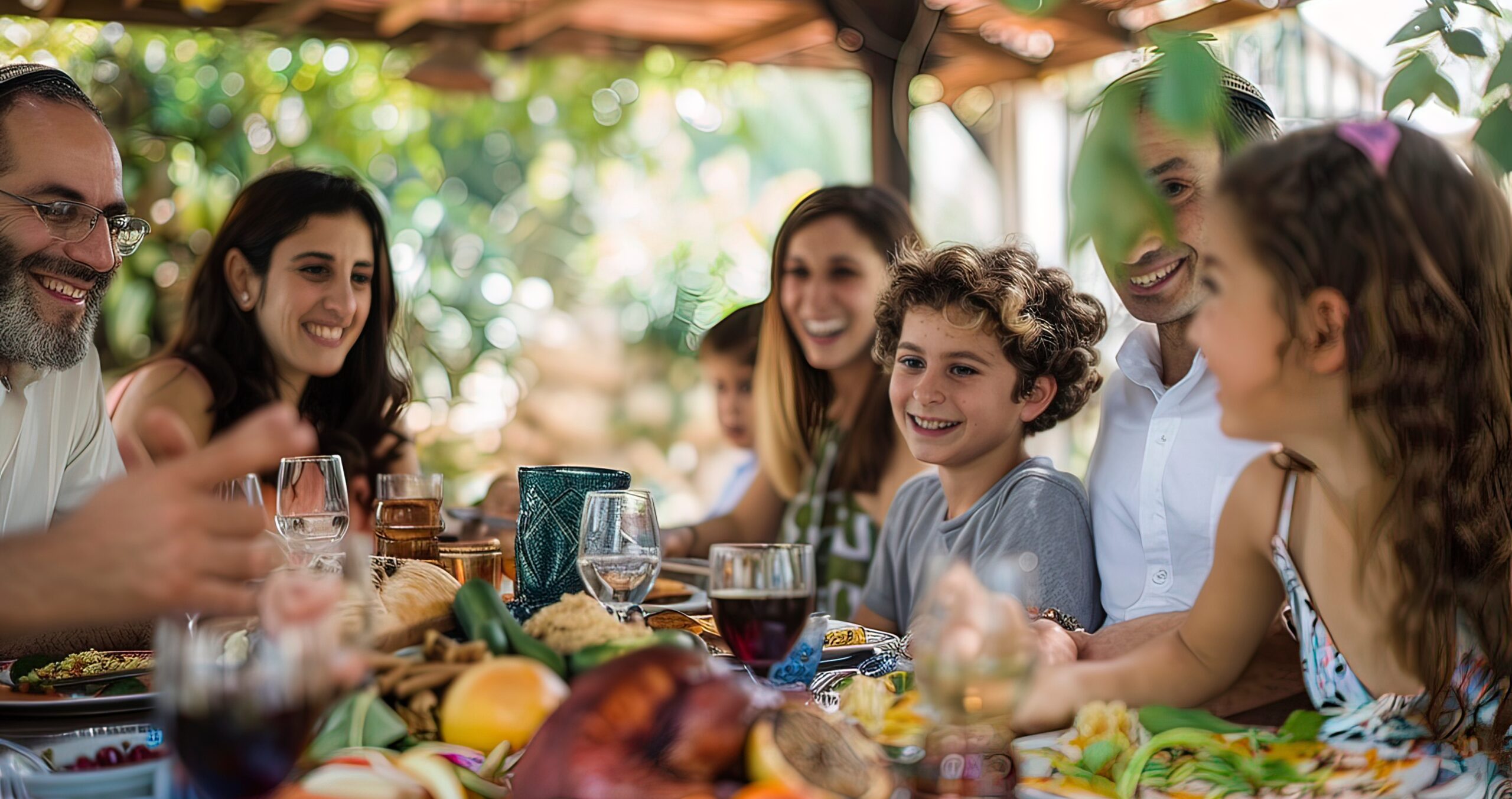
One of the main traditions of Sukkot is eating one’s meals in a sukkah together with family and guests.

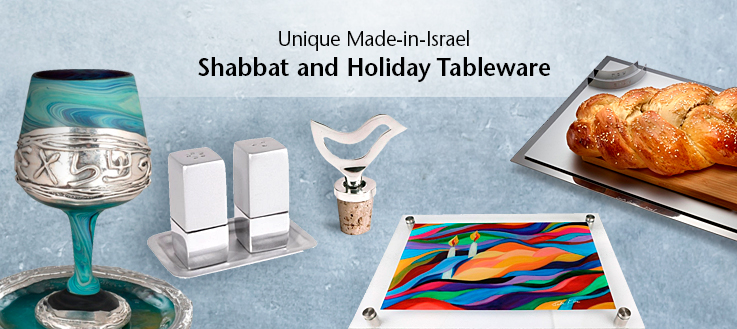
The holiday lasts a week – this year starting at sundown on Monday, October 6 and ending after nightfall on Monday, October 13, 2025 – which gives plenty of opportunities for fun and festive meals. No matter your personal style, make sure you have all the holiday tableware essentials below for a beautiful and traditional Sukkot in your sukkah!


1. Holiday Kiddush Essentials


Just like every other Jewish holiday and Shabbat meal, the meals on the first and last days of Sukkot as well as the Shabbat of Sukkot traditionally start with Kiddush - a dedicated prayer over wine or grape juice that sanctifies this special occasion.

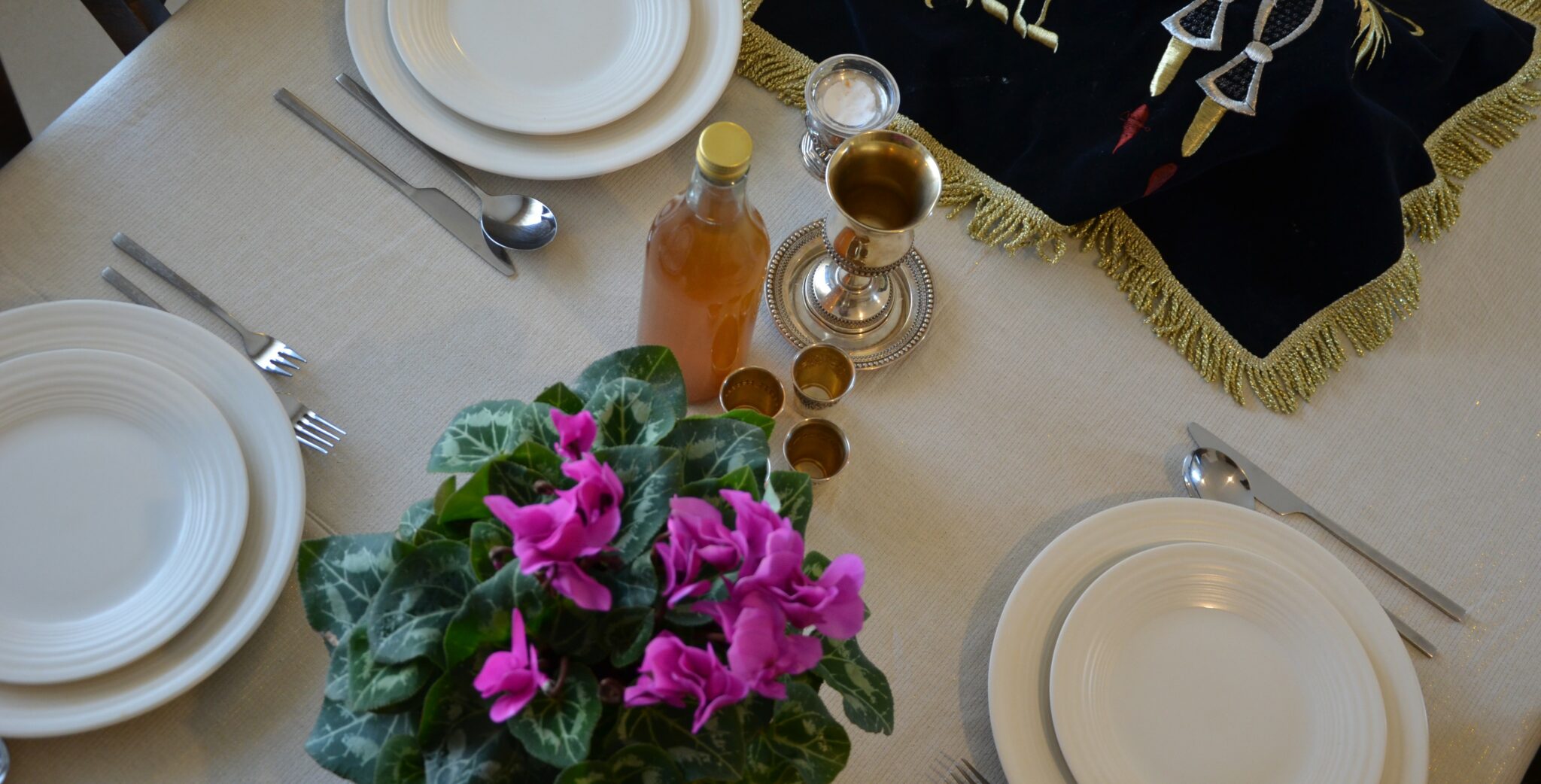
Make sure to bring the following items into your sukkah and set on your table so you'll be ready for Kiddush:

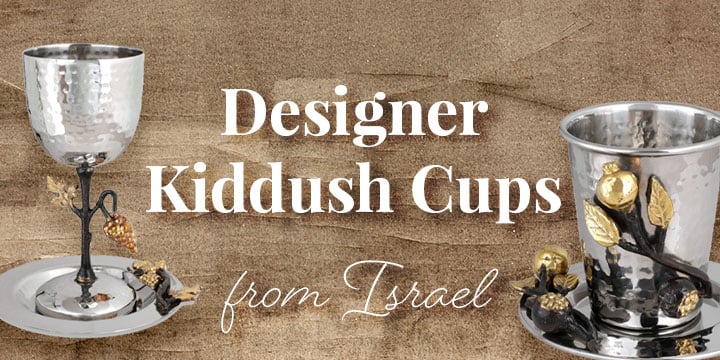
  • Kiddush cup, a special cup or glass for the prayer leader who will recite the Kiddush prayer - choose your perfect style, the more beautiful the better!
  • Wine glasses or individual Kiddush cups for the other guests - you may want to consider a special set or fountain with matching Kiddush cups to really tie the whole table together
  • Wine or grape juice


Given the importance of the Kiddush ritual, you may consider seating the person leading the prayer at the head of the table and giving the Kiddush cup a prominent role in your holiday table decor as a beautiful centerpiece.

Don't have a Kiddush cup? Order one from Israel today!

btn
kiddush-cups-cat-m-2020-1
2. Challah Serving Essentials


After Kiddush, the next important ritual of a Jewish holiday or Shabbat meal is the blessing and eating of challah. Sukkot is no different, so you'll need two loaves - whether your family uses classic braided challah or extends the Rosh Hashanah tradition of round loaves - in addition to beautiful serving essentials.

You'll want to set your Sukkot table with:

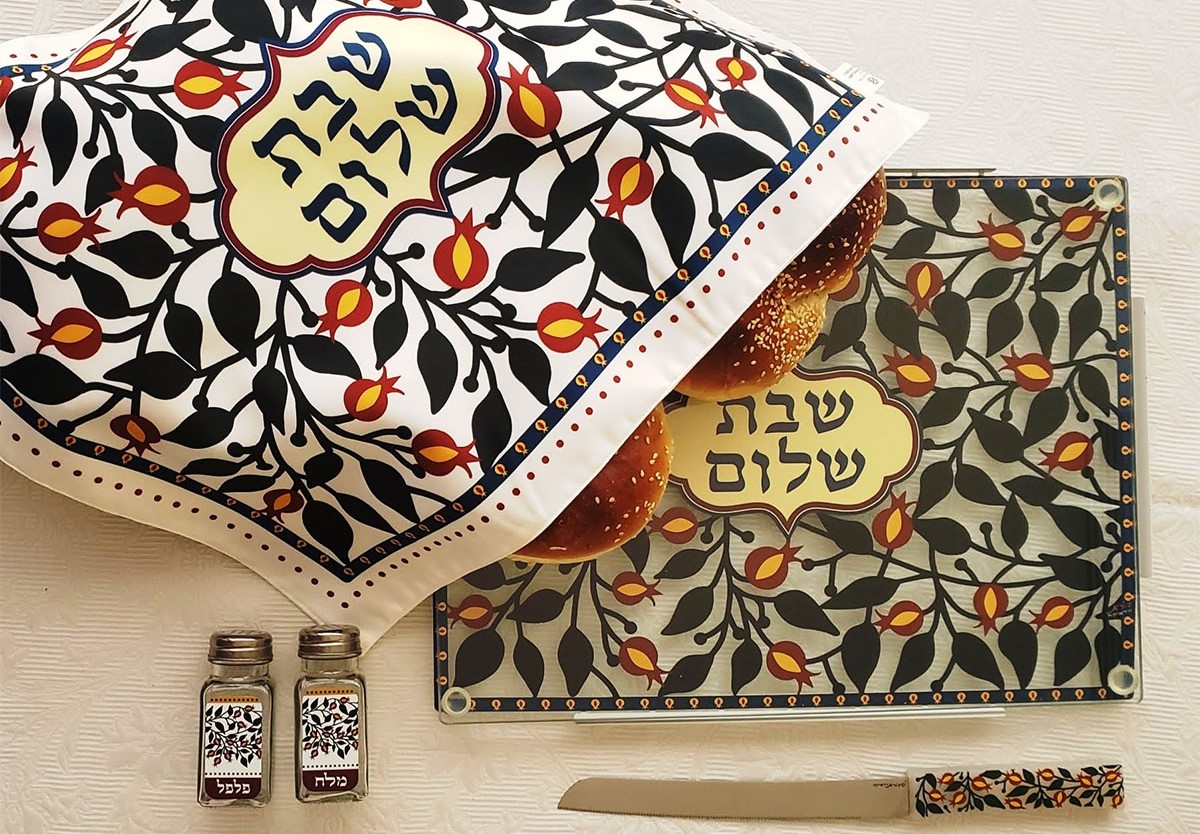
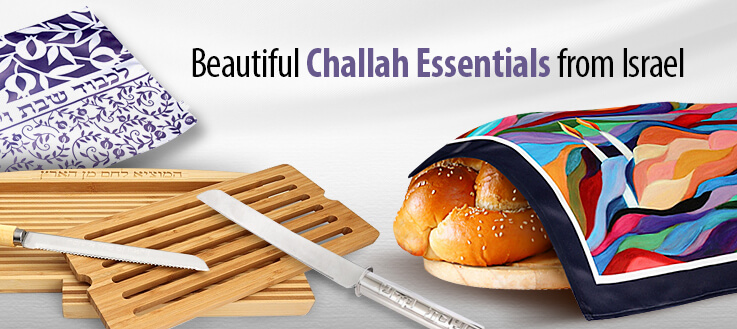
  • challah board or tray
  • A beautiful challah cover to keep the bread covered until you're ready to recite the Hamotzi blessing and serve
  • A knife to cut it (unless your tradition is to tear the bread) - this can be a regular bread knife or a decorative, dedicated challah knife
  • Once cut, the Sukkot challah pieces are dipped or sprinkled with either salt or honey depending on your family custom - so don't forget an appropriate saltshaker or honey dish


Your challah will be a prominent part of your meal, so give it the beauty and flair it deserves with some fabulous challah serving essentials from Israel!

btn
Challah-products-24-CAT-M
3. Prayer Book and/or Benchers


Since a traditional Sukkot meal features special prayers and blessings, don't forget a siddur or prayer book for the person who will be leading them! Sukkot prayers can be found in regular siddurim as well as a Sukkot machzor (holiday prayer book).

One convenient option that many families use at meals is a dedicated prayer booklet called bencher in Yiddish or birkon in Hebrew, which will be easy to carry and keep in your sukkah. These small books can also be bought in sets and passed out to guests for the grace after meals prayers (known as benching or birkat hamazon), or for singing holiday or Shabbat songs together if that's your family's tradition.

Don't get caught emptyhanded when it's time for your Sukkot prayers - get a Hebrew or Hebrew-English prayer book from one of Israel's top publishers!

btn
Jewish-Prayer-Books-2020-CAT-M (1)
4. Sukkot-Themed Decor


Decorating one's sukkah is a beloved holiday tradition, and don't forget to add some special Sukkot decor to your table, too!

Add a special touch with holiday-themed decor such as:


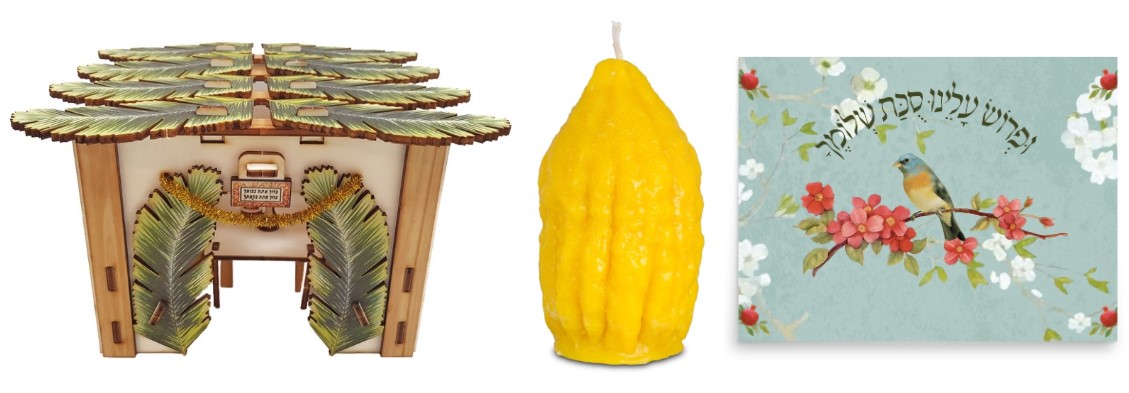
Browse dozens of Sukkot decorations and other essentials straight from Israel here!

btn
Sukkot-Gifts-cat-m
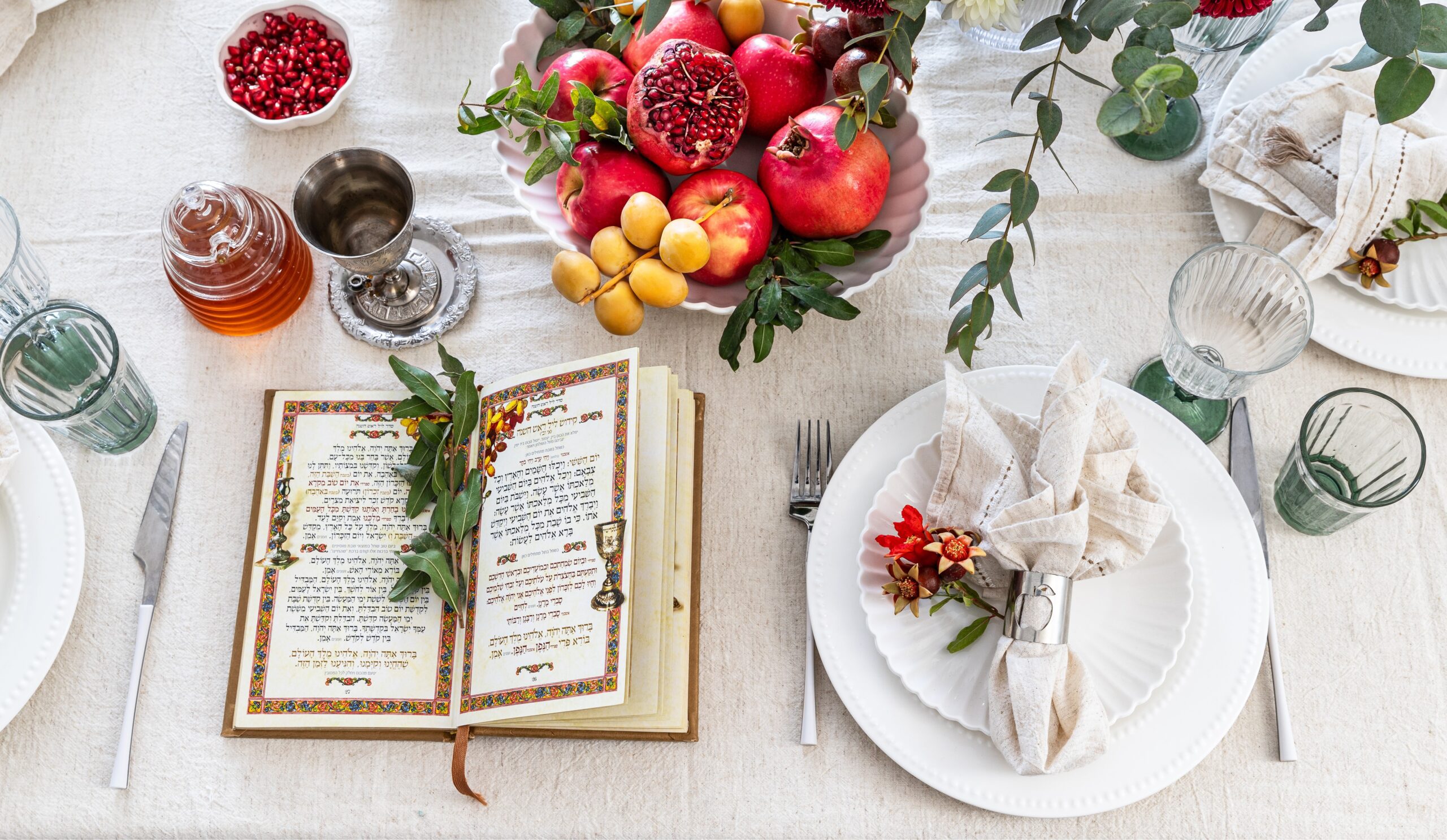
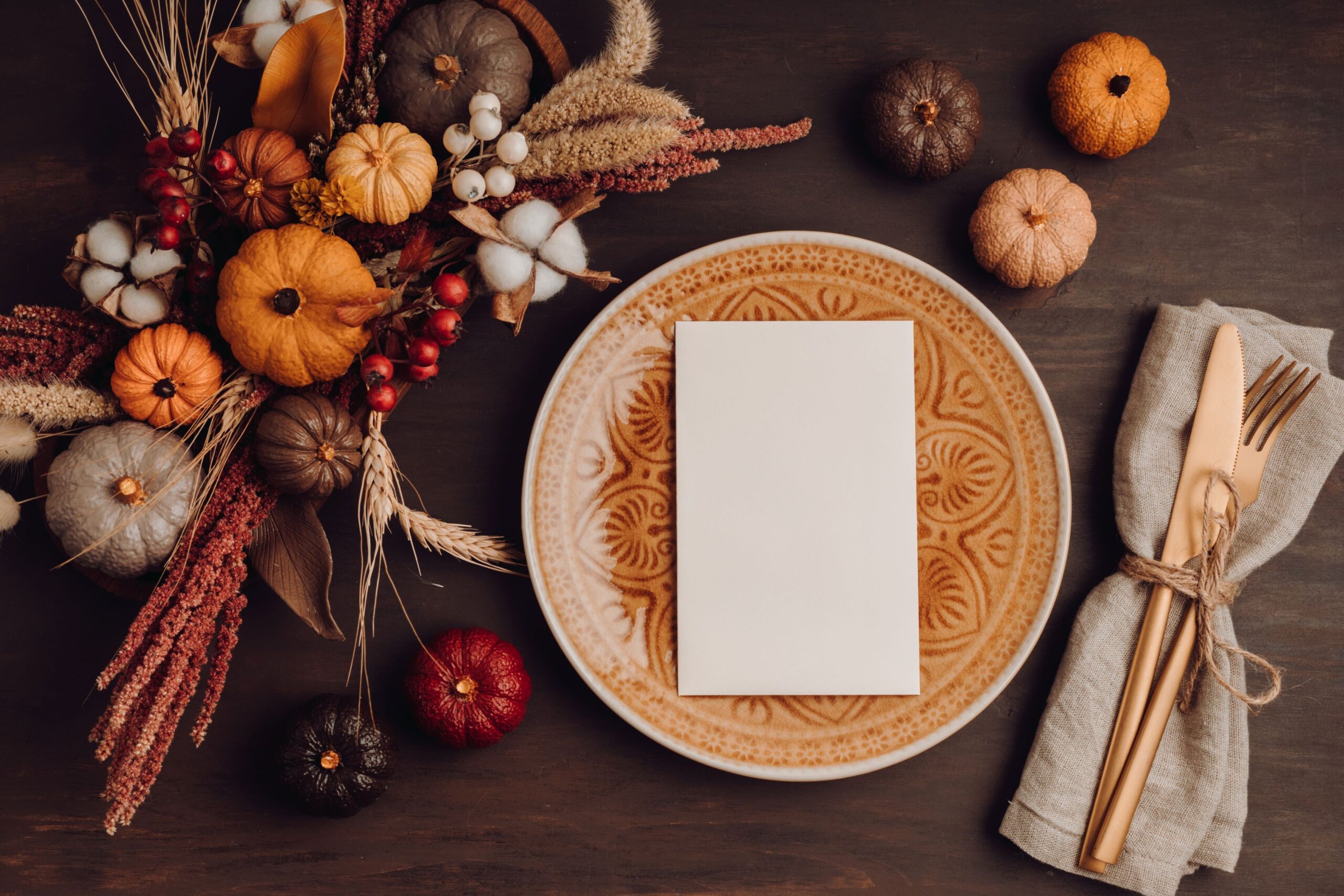
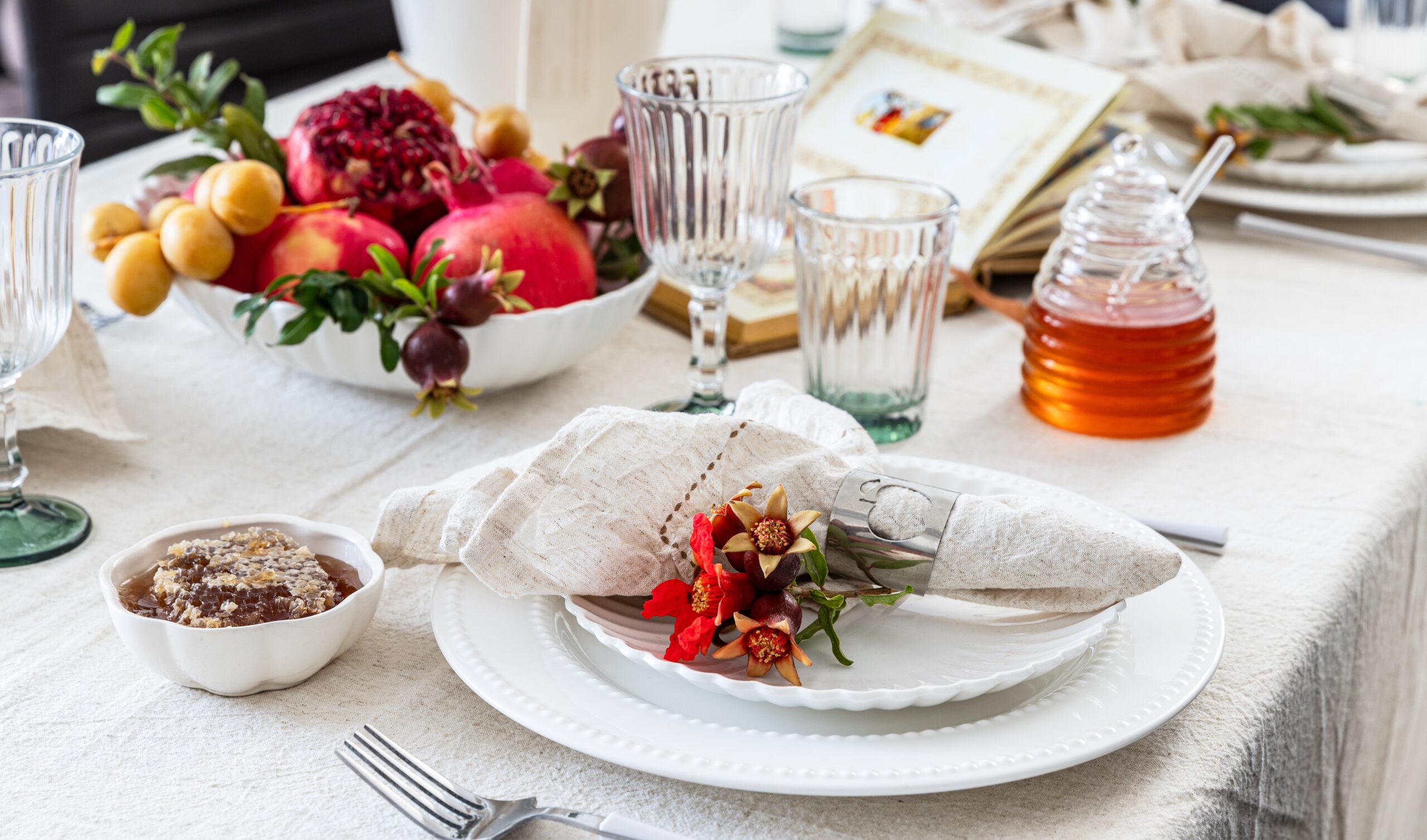
5. Beautiful Table Settings


Once you have all your ritual items and decorative pieces, you'll of course need the place settings and the food for all your Sukkot guests!


Browse our entire collection of holiday and Shabbat tableware so you'll be prepared for Sukkot and beyond!

Wishing you and your family a wonderful Sukkot!

btn
Israeli-Tableware-2021-cat-m

JWS POST YOU MAY LIKE

Round challah for Rosh Hashanah with honey
Round Challah for Rosh Hashanah with Honey
Rosh Hashanah recipes
What Are the Best Rosh Hashanah Recipes for a Sweet New Year?
When is Rosh Hashanah in 2026? In 2026, Rosh Hashanah begins at sundown on Friday, September 11, and ends at nightfall on Sunday, September 13. It falls on 1–2 Tishrei 5787 in the Hebrew calendar. Food plays a central role in Rosh Hashanah observance and tradition, with rich symbolism woven
A Jewish man blowing the Shofar (ram's horn), which is used to blow sounds on Rosh HaShana (the Jewish New Year) and Yom Kippur (day of Atonement)
Rosh Hashanah in the Bible: Origins of the Jewish New Year
Rosh Hashanah – the Jewish New Year, coming up September 11-12, 2026 – is one of the most important and widely celebrated holidays in Judaism. But while many are familiar with its modern customs, from apples dipped in honey to the sounding of the shofar, fewer know about its biblical
Rosh Hashanah fun for kids
Rosh Hashanah Activities for Kids: Fun & Meaningful Holiday Ideas
Looking for fun ways to keep kids busy this Rosh Hashanah? Discover hands-on crafts, apple-and-honey taste tests, family games and creative activities you can make with AI – all designed to bring more fun and meaning to the holiday.
Pomegranates for Rosh Hashanah
Why Do We Eat Pomegranates on Rosh Hashanah?
Pomegranates are a popular fruit to eat during Rosh Hashanah and a significant symbol in Judaism year-round, often gracing Judaica and Jewish jewelry. Since Rosh Hashanah 2026 begins on September 11 at sundown, now is the perfect time to learn more about the significance and symbolism of the pomegranate in Judaism and Rosh Hashanah!
A Jewish man blowing the Shofar (ram's horn), which is used to blow sounds on Rosh HaShana (the Jewish New Year) and Yom Kippur (day of Atonement)
From Reflection to Renewal: The Deep Meaning of Yom Kippur
Yom Kippur, the Day of Atonement, is the holiest day of the Jewish year: a time of reflection, forgiveness, and renewal. In 2026, it begins at sundown on Sunday, September 20, and lasts through the following evening. Marked by fasting, prayer, and other austere restrictions, Yom Kippur is often seen