Search

What Does It Mean To Be in the IDF Reserves?

Some of Israel’s bravest and most impressive warriors throughout history have been the reserve troops of the Israel Defense Forces, and the country’s current fight against Hamas, Hezbollah, and Iran is no different.

Read on below to learn more about what it means to be an Israeli reservist, and discover some unique traditions of the IDF reserves plus how you can best honor Israel’s brave fighters yourself.

In light of the ongoing Israeli war against Hamas, Hezbollah, and Iran, we’ve compiled a list of recommended organizations to donate to in order to directly help the war effort – check it out here!

Show off your solidarity with Israel with our Support Israel collection here, with each purchase directly supporting the Israeli artists who work hard to bring you their creations even during wartime.

Who Can Be an IDF Reservist?
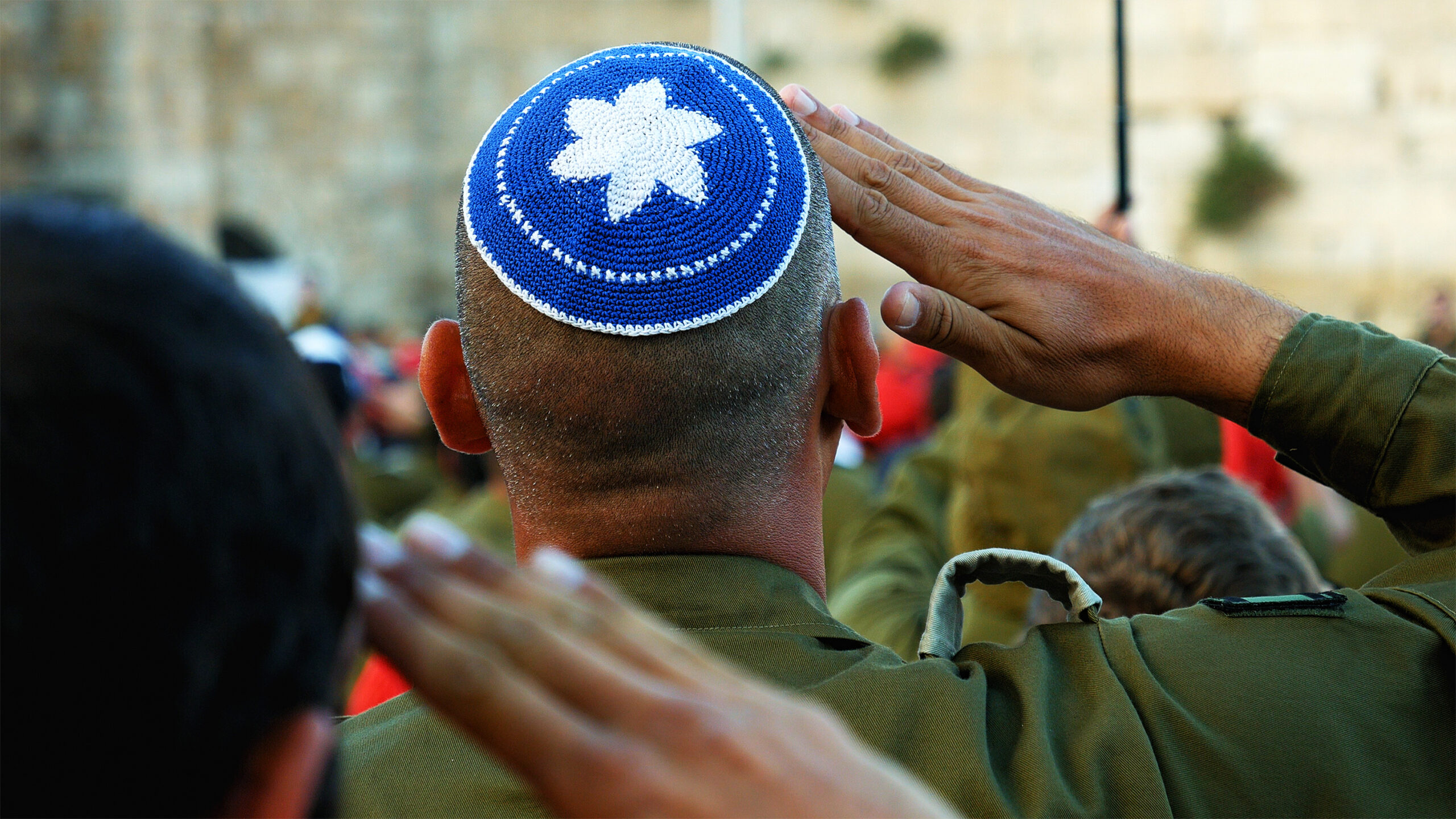
Israeli soldier military man saluting to the Western wall in Jerusalem. Western wall or Wailing wall or Kotel in Israel is the most sacred place for all jewish people.
Is It True All Israeli Adults Are In the Reserves?

Contrary to popular myth, not all Israelis are in the reserves, and those who are, are private citizens unless explicitly called up for war or a national emergency - so don't let anyone tell you that there's no such thing as an Israeli civilian!

The majority of Israel's citizens serve in the IDF (Israel Defense Forces) as enlisted soldiers for 2-3 years during young adulthood; despite a universal draft, a certain number of Israelis are exempt every year due to reasons such as marital status, religious affiliation (most non-Jews aren't drafted), yeshiva studies, or health issues or disabilities. Upon completing their mandatory service, former IDF soldiers may then be required to enter the reserve rolls, based on their military experience and the country's needs, for a certain period of time - usually until age 40 or 45.


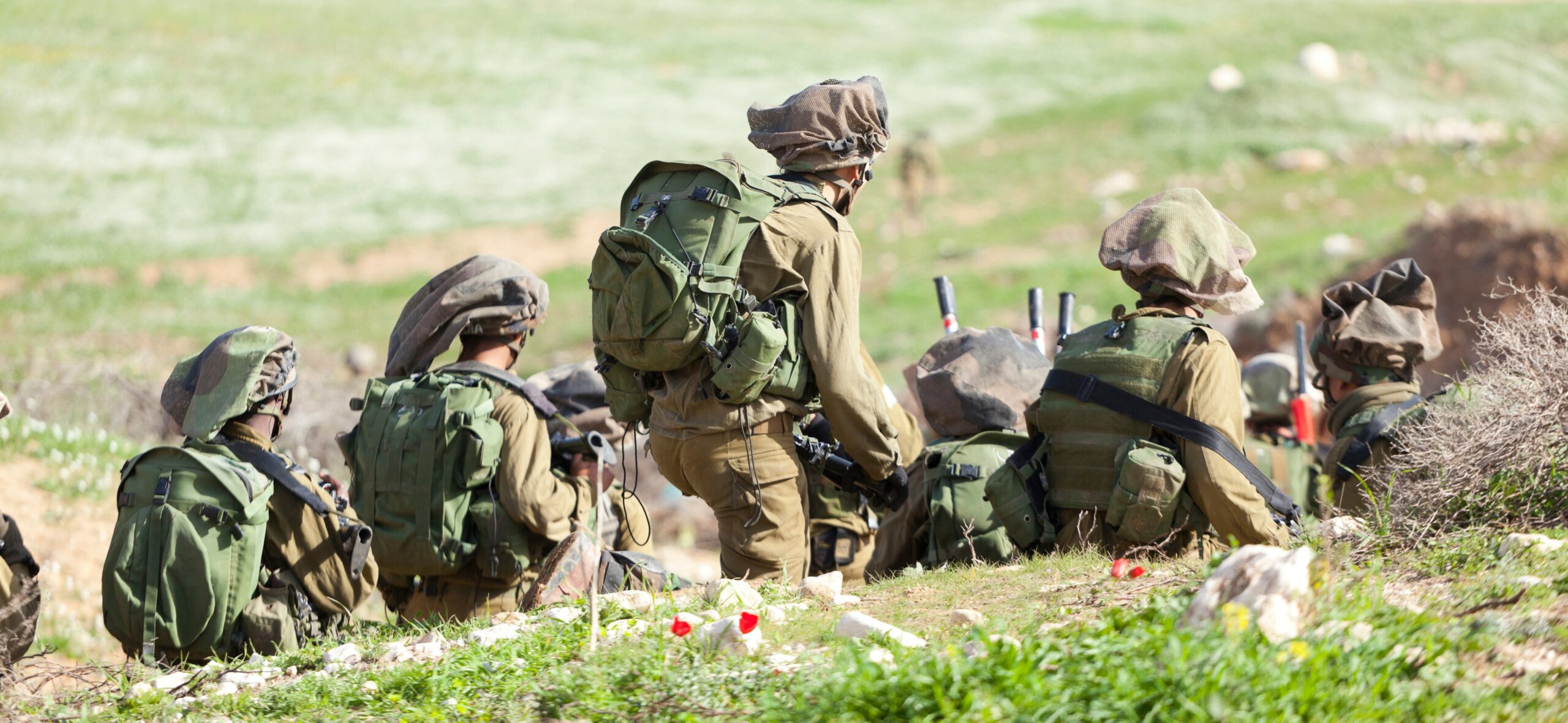
Israeli reservists serving in an IDF combat unit (Photo: IDF Spokesperson's Unit/Wikimedia Commons license CC BY 2.0)


Most reservists are men, and the IDF reserve force is predominantly made up of those belonging to combat units. In fact, many of the most elite fighting units in both the ground forces and the Air Force rely heavily on reservists, who bring more experience and maturity to their roles.

In addition, there is also a number of reservists serving roles in operations, intelligence, search and rescue, the Home Front Command, and more.

While Israel's standing army consists of 169,500 active-duty personnel, the number of available reservists is around 465,000.

Since October 7, 2023, almost 300,000 IDF reserve soldiers have been called up to join the fight, many having been since released after serving an average of about 2 months.


btn
IDF-Gifts-24-CAT-M
What Does Being in the IDF Reserves Entail?
Israeli soldier training

IDF reservists get called up for training every so often, with varying degrees of regularity based on their role, or to help train newly enlisted soldiers or assist with other operational roles. Reserve service (or "miluim" in Hebrew) of this type is technically considered voluntary since reservists are private citizens and not enlisted. However, many feel bound by national duty to report when called, and some even volunteer for additional reserve service as opportunity allows.

On the other hand, in times of war or national emergency, a reservist may receive a draft order to report for duty, which is legally mandatory - failing to report when called may even result in imprisonment. Impressively, at the beginning of Israel's current war, the IDF saw an over 100% report rate by reservists!

Outside of wartime, Israelis who are part of the IDF reserve forces are regular civilians with jobs, families, and normal lives.

btn
IDF-GIFTS_FB_628X1200 (1)
The Unique Culture of IDF Reserve Soldiers
toa-heftiba-VhUAnnYflP4-unsplash copy
...And the Unique Ways You Can Honor Them Wherever You Are!

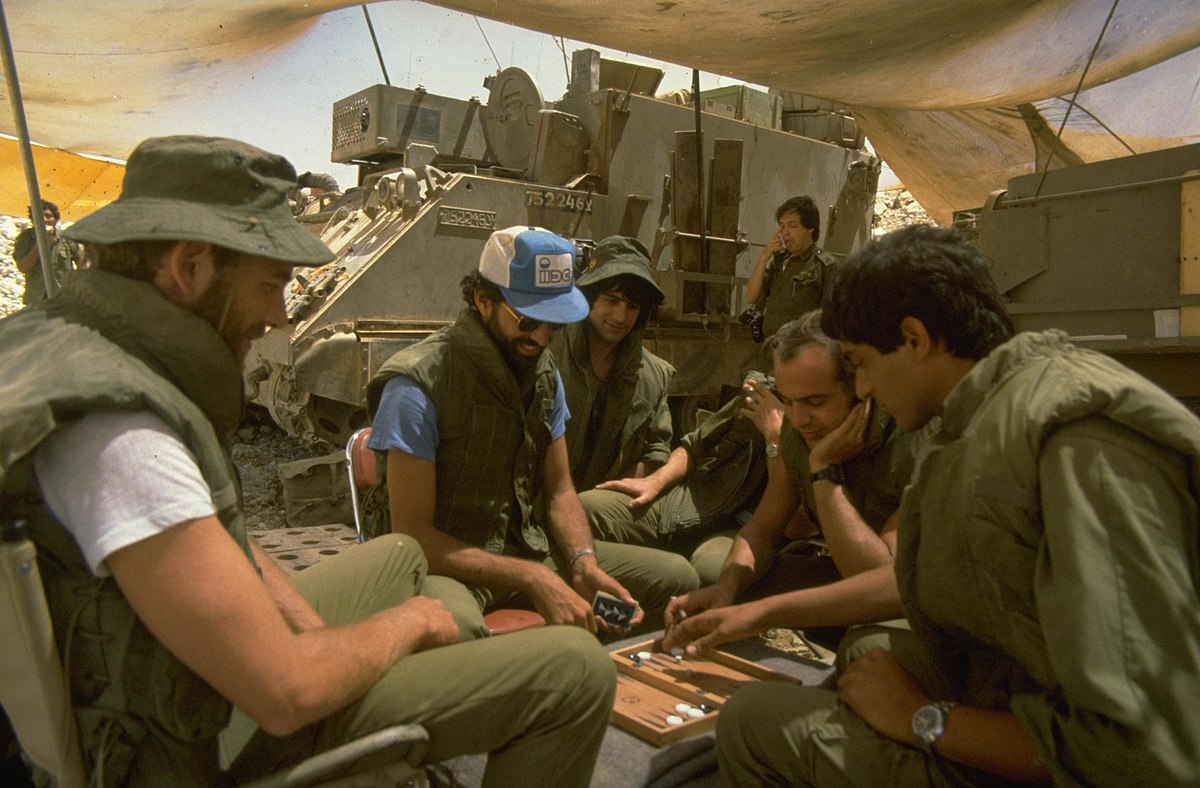
Israel's reservists usually serve with the same unit and the same people throughout all their service years, which results in a special, close camaraderie among soldiers. This can lead to unique customs and practices - from backgammon games in the 1980s, to today's reserve soldiers wearing their favorite t-shirts from home or tzitzit under their uniform, or sporting mustaches in honor of their predecessors in the Yom Kippur War of 1973.


IDF reserve troops playing backgammon outside Beirut during a lull in fighting during the First Lebanon War in 1982 (Photo: Yaakov Saar/Israel Government Press Office/Wikimedia Commons license CC BY-SA 3.0)


Israeli pop culture is rife with references to and even stereotypes and humor about reserve soldiers. They are often seen as laid-back yet brave and resourceful, and committed to their families as much as their nation.

The IDF reserves are a beloved part of the armed forces and of Israeli culture, and necessary to the safety and security of the country. Israel even has an official Reserve Day or Yom Miluim in honor of its reservists (miluimnikim in Hebrew), observed in conjunction with Lag BaOmer.


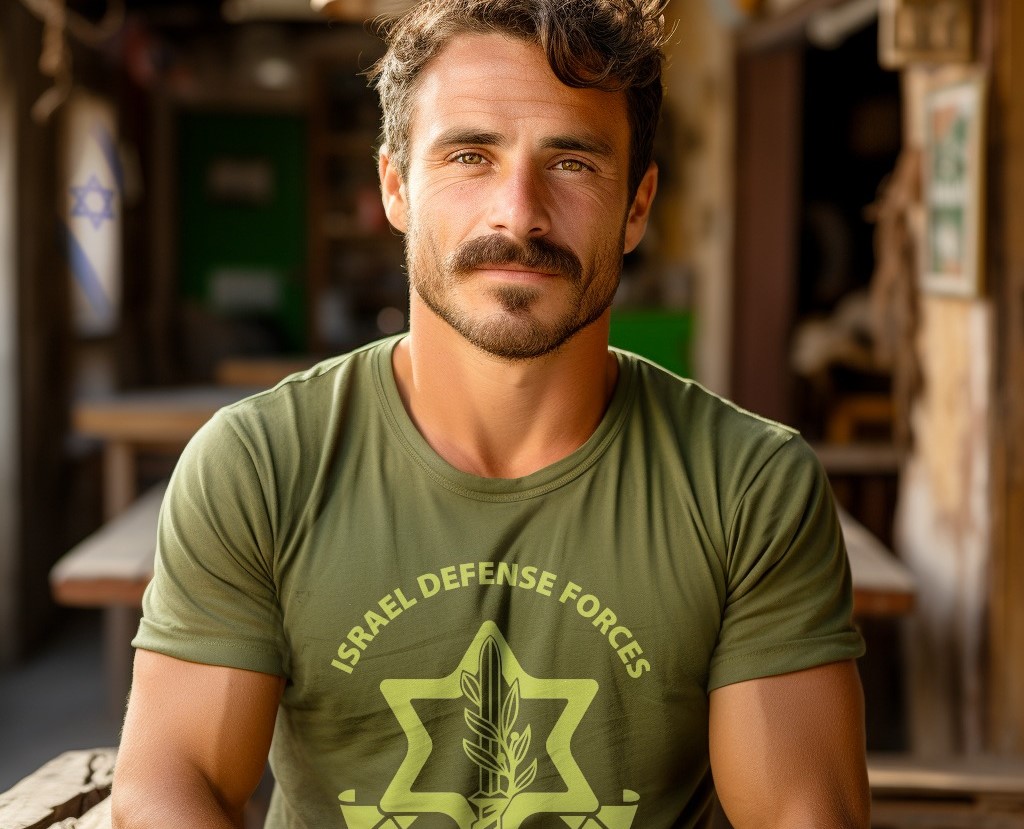
Man sporting a mustache style popular with IDF reservists, while wearing an IDF t-shirt


Want to honor Israel's brave reserve soldiers yourself?

Here's what you can do:

  1. Donate to organizations providing equipment and support for soldiers in the field, such as the ones we recommend here.
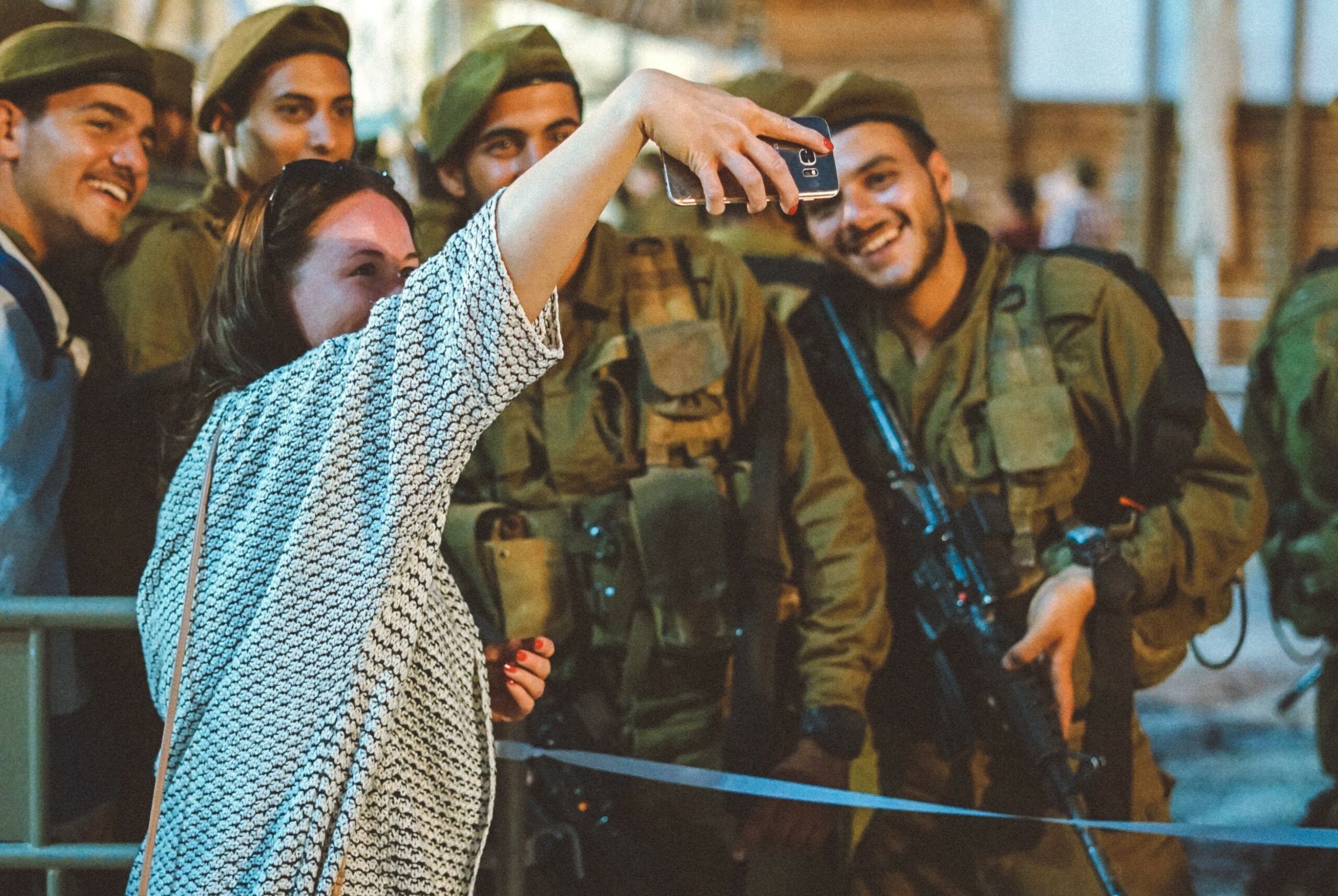
  2. If you're in Israel, check with your local community about donation drives for soldiers as well as volunteer opportunities to assist the spouses and children of called-up reservists.
  3. If you're outside Israel, contact your local government representatives, such as your US Congressperson or Senator, to demand continued aid and support for Israel's defense.
  4. Wear IDF-themed gear or Support Israel items made by Israeli artists to express your solidarity!
btn
Show your support to Israel

JWS POST YOU MAY LIKE

Round challah for Rosh Hashanah with honey
Round Challah for Rosh Hashanah with Honey
Rosh Hashanah recipes
What Are the Best Rosh Hashanah Recipes for a Sweet New Year?
When is Rosh Hashanah in 2026? In 2026, Rosh Hashanah begins at sundown on Friday, September 11, and ends at nightfall on Sunday, September 13. It falls on 1–2 Tishrei 5787 in the Hebrew calendar. Food plays a central role in Rosh Hashanah observance and tradition, with rich symbolism woven
A Jewish man blowing the Shofar (ram's horn), which is used to blow sounds on Rosh HaShana (the Jewish New Year) and Yom Kippur (day of Atonement)
Rosh Hashanah in the Bible: Origins of the Jewish New Year
Rosh Hashanah – the Jewish New Year, coming up September 11-12, 2026 – is one of the most important and widely celebrated holidays in Judaism. But while many are familiar with its modern customs, from apples dipped in honey to the sounding of the shofar, fewer know about its biblical
Rosh Hashanah fun for kids
Rosh Hashanah Activities for Kids: Fun & Meaningful Holiday Ideas
Looking for fun ways to keep kids busy this Rosh Hashanah? Discover hands-on crafts, apple-and-honey taste tests, family games and creative activities you can make with AI – all designed to bring more fun and meaning to the holiday.
Pomegranates for Rosh Hashanah
Why Do We Eat Pomegranates on Rosh Hashanah?
Pomegranates are a popular fruit to eat during Rosh Hashanah and a significant symbol in Judaism year-round, often gracing Judaica and Jewish jewelry. Since Rosh Hashanah 2026 begins on September 11 at sundown, now is the perfect time to learn more about the significance and symbolism of the pomegranate in Judaism and Rosh Hashanah!
A Jewish man blowing the Shofar (ram's horn), which is used to blow sounds on Rosh HaShana (the Jewish New Year) and Yom Kippur (day of Atonement)
From Reflection to Renewal: The Deep Meaning of Yom Kippur
Yom Kippur, the Day of Atonement, is the holiest day of the Jewish year: a time of reflection, forgiveness, and renewal. In 2026, it begins at sundown on Sunday, September 20, and lasts through the following evening. Marked by fasting, prayer, and other austere restrictions, Yom Kippur is often seen