Search

Israel’s Amazing Archeological Discovery: Ancient Hebrew Curse Amulet

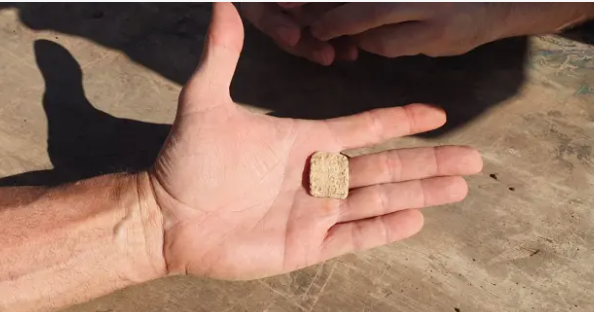
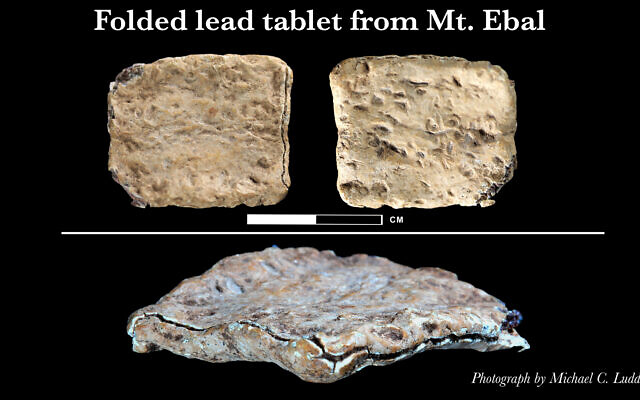
Archeologists have recently discovered a small yet exciting artifact in the Land of Israel: a tiny folded tablet believed to date back to around 1200 BCE or earlier, containing curses and God’s name written in lead on the inside in an early form of the Hebrew script.

It’s been dubbed a “curse amulet,” and its age has astounded scholars – if the estimated age is accurate, it would make it the oldest example of proto-alphabetic Hebrew script found to date in the Land of Israel, as well as the oldest appearances of the name of the God of Israel in writing. 

And it proves a much older Jewish connection to the Hebrew language and the God of Israel than historians previously thought!

tablet.jpg
Curse amulet found in Israel (Photo: Marc Israel Sellem)
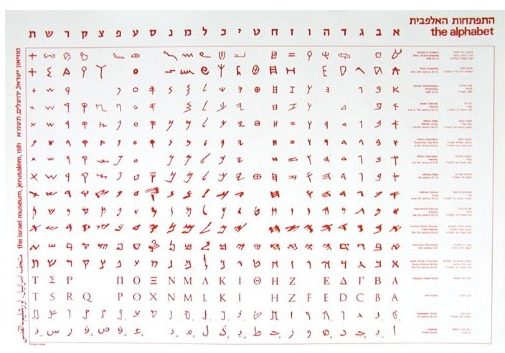
Ancient Hebrew script

Previously, many assumed that the people of the Land of Israel were not literate during this time and the Bible could not have been written this early. 

This exciting find shows that the Hebrew script was already in use, and was even used to write religious items and the name of God!

The amulet was found on Mt. Ebal, in the Samaria region of the Land of Israel, which was referred to in the Book of Deuteronomy as a place to deliver curses – a site that is now believed to be the altar described in both Deuteronomy and the Book of Joshua. The curse tablet could have been part of the curse ceremonies described in the Bible, and seems to confirm that the site was indeed historically associated with curses.

The writing on the inside of the tablet has been translated as:

“Cursed, cursed, cursed – cursed by the God YHWH. You will die cursed. Cursed you will surely die. Cursed by YHWH – cursed, cursed, cursed.”
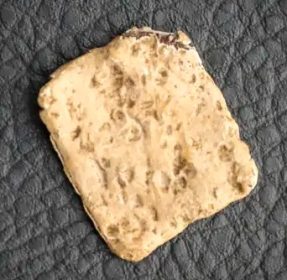
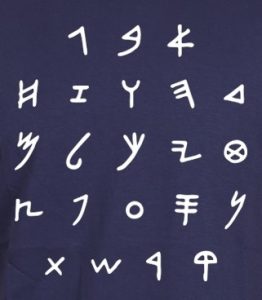
Ancient Hebrew amulet discovered at Mt. Ebal (Photo: Roi Hadi)

This unique curse amulet is a fascinating opposite to the many blessing and healing amulets that have been discovered in excavations in the Land of Israel and other places where Jews have lived throughout history.

But the biggest significance of this exciting find is that it provides a tangible physical link between the Jewish people and our long history in the Land of Israel and connection to God, the Bible, and the Hebrew language!

Celebrate our people’s ancient connection to the Hebrew language with Judaica WebStore’s exciting line of made-in-Israel Hebrew alphabet gifts – and see this guide to the most fascinating items spanning both ancient and modern Hebrew scripts. And don’t forget your own Hebrew Bible too!

Check out the top gifts from Israeli artists celebrating the Jewish people’s connection to the Hebrew language, from ancient to modern scripts!

JWS POST YOU MAY LIKE

Round challah for Rosh Hashanah with honey
Round Challah for Rosh Hashanah with Honey
Rosh Hashanah recipes
What Are the Best Rosh Hashanah Recipes for a Sweet New Year?
When is Rosh Hashanah in 2026? In 2026, Rosh Hashanah begins at sundown on Friday, September 11, and ends at nightfall on Sunday, September 13. It falls on 1–2 Tishrei 5787 in the Hebrew calendar. Food plays a central role in Rosh Hashanah observance and tradition, with rich symbolism woven
A Jewish man blowing the Shofar (ram's horn), which is used to blow sounds on Rosh HaShana (the Jewish New Year) and Yom Kippur (day of Atonement)
Rosh Hashanah in the Bible: Origins of the Jewish New Year
Rosh Hashanah – the Jewish New Year, coming up September 11-12, 2026 – is one of the most important and widely celebrated holidays in Judaism. But while many are familiar with its modern customs, from apples dipped in honey to the sounding of the shofar, fewer know about its biblical
Rosh Hashanah fun for kids
Rosh Hashanah Activities for Kids: Fun & Meaningful Holiday Ideas
Looking for fun ways to keep kids busy this Rosh Hashanah? Discover hands-on crafts, apple-and-honey taste tests, family games and creative activities you can make with AI – all designed to bring more fun and meaning to the holiday.
Pomegranates for Rosh Hashanah
Why Do We Eat Pomegranates on Rosh Hashanah?
Pomegranates are a popular fruit to eat during Rosh Hashanah and a significant symbol in Judaism year-round, often gracing Judaica and Jewish jewelry. Since Rosh Hashanah 2026 begins on September 11 at sundown, now is the perfect time to learn more about the significance and symbolism of the pomegranate in Judaism and Rosh Hashanah!
A Jewish man blowing the Shofar (ram's horn), which is used to blow sounds on Rosh HaShana (the Jewish New Year) and Yom Kippur (day of Atonement)
From Reflection to Renewal: The Deep Meaning of Yom Kippur
Yom Kippur, the Day of Atonement, is the holiest day of the Jewish year: a time of reflection, forgiveness, and renewal. In 2026, it begins at sundown on Sunday, September 20, and lasts through the following evening. Marked by fasting, prayer, and other austere restrictions, Yom Kippur is often seen