Search

The Maccabees and the Miracle: Discovering the Origins of Hanukkah

The Story of the Maccabees: How a Band of Heroes Gave Us Hanukkah

With Hanukkah less than a month away – starting this year at sundown on Sunday, December 14, 2025 – there’s no better time to rediscover the incredible story behind the holiday!

Every year when we light the Hanukkah menorah, we’re commemorating one of the most inspiring stories of courage and faith in Jewish history. But do you know the remarkable tale behind those eight nights of flickering flames? Discover the fascinating story of a small group of Jewish warriors called the Maccabees, whose bravery in the face of overwhelming odds not only preserved Jewish practice but gave us a beloved holiday that celebrates light, freedom, and the indomitable Jewish spirit.

Whether you grew up hearing this story or you’re learning it for the first time, the tale of the Maccabees is a powerful reminder of why we gather each year to light candles, share gifts, and celebrate our heritage!

Hanukkah's Heroic Beginning: The Maccabees' Fight for Jewish Freedom
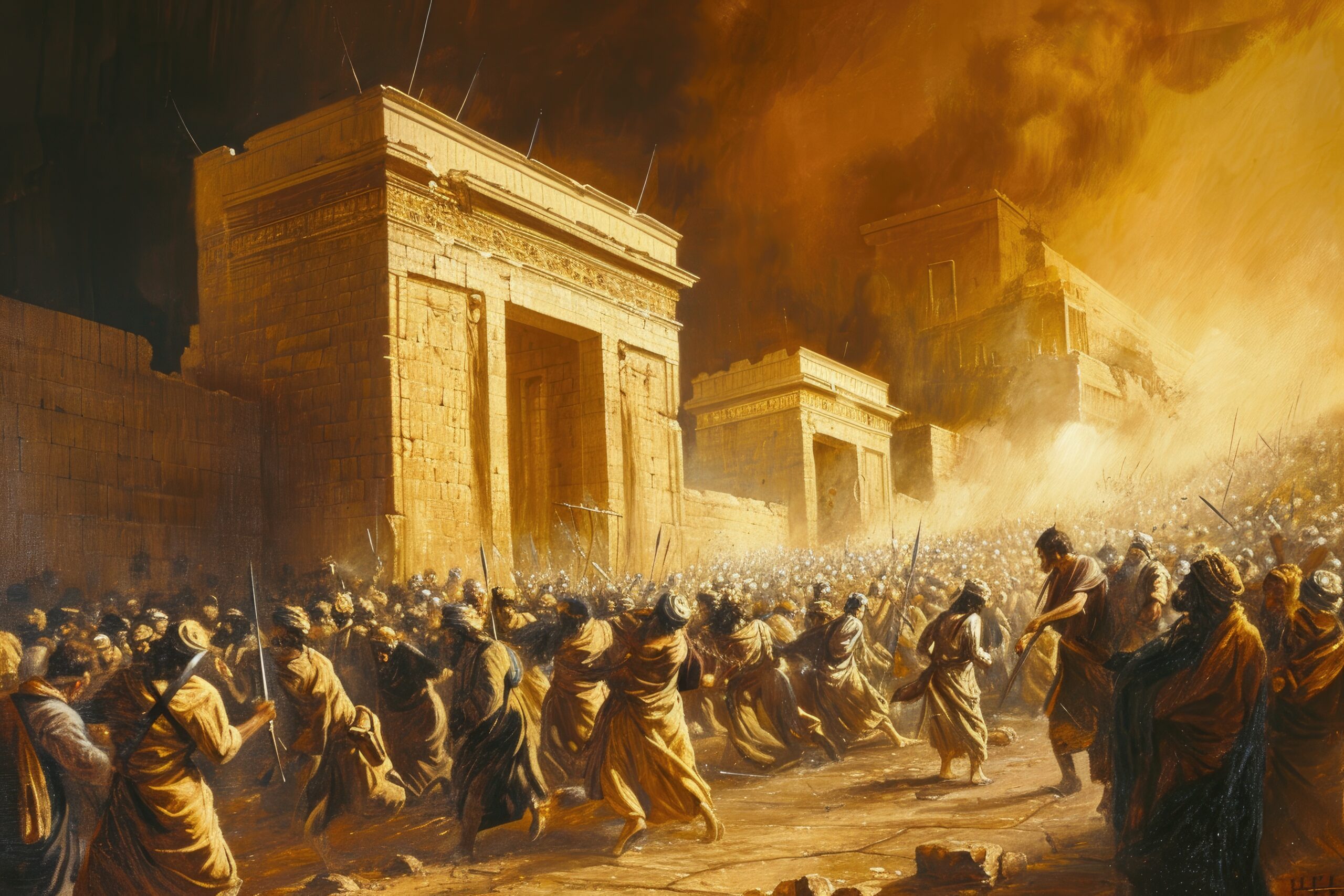
The painting depicts a lively crowd of people gathered in front of a prominent building, The Maccabees reclaiming the Holy Temple, AI Generated

In the 2nd century BCE, the Land of Israel was under the rule of the Seleucid Empire, led by King Antiochus IV. While Greek culture had been spreading throughout the region for decades, Antiochus took things much further. He issued harsh decrees banning Jewish religious practices: no Shabbat observance, no circumcision, no Torah study. The Holy Temple in Jerusalem, the heart of Jewish worship, was desecrated and dedicated to Greek gods. These decrees threatened the very survival of Judaism itself and the Jewish people.


Enter the Maccabees

In the village of Modi'in, a priest named Mattathias and his five sons - Judah, Jonathan, Simon, Eleazar, and John - made a powerful choice. When Greek officials arrived demanding compliance with the new laws, Mattathias refused. His act of defiance sparked a rebellion that would change Jewish history forever.

After Mattathias passed away, leadership fell to his son Judah, who earned the nickname "Maccabee" (likely meaning "the hammer"). Under Judah's leadership, this small band of determined fighters grew into a formidable guerrilla force. Against a massive, well-trained army, the Maccabees employed clever tactics, intimate knowledge of the land, and unwavering commitment to their cause.

What makes their story so remarkable isn't just their military success - it's what they were fighting for. This wasn't about conquest or power. The Maccabees fought for the right to live as Jews, to practice their faith openly, and to pass their traditions to the next generation.


The Reclamation and the Miracle

After three years of conflict, the impossible happened. The Maccabees reclaimed Jerusalem and entered the desecrated Temple. The moment called for immediate action: they needed to cleanse the Temple, remove the Greek idols, and rededicate it to Jewish worship.

Here's where the familiar miracle enters the story. When they searched for ritually pure oil to light the Temple menorah, the eternal flame that was meant to burn continuously, they found only a single cruse of oil, enough for just one day. Yet they needed eight days before new pure oil could be prepared.

They lit the menorah anyway, choosing faith over despair. And according to tradition, that small amount of oil burned for eight full days, enough time to prepare fresh oil and complete the rededication. The Hebrew word "Hanukkah" itself means "dedication," commemorating this moment when the Temple was restored to the Jewish people.

btn
Hanukkah_PMX_1200X628
From Ancient Rebellion to Modern Celebration
Menorah

The legacy of the Maccabees extends far beyond that ancient victory: their spirit of courage and determination has inspired Jews for over two millennia and continues to resonate powerfully today!

Throughout the history of the modern State of Israel till today, the Israel Defense Forces draws inspiration from these ancient warriors who defended Jewish life and freedom. The same spirit that enabled a small group to stand against a mighty empire continues to inspire the Jewish nation.

The Maccabee spirit, and even their name, lives on in Israeli sports as well. The Maccabi athletic organization, one of Israel's largest sports groups, bears their name. The Maccabiah Games, sometimes called the "Jewish Olympics," bring together Jewish athletes from around the world every four years in Israel, celebrating both athletic excellence and Jewish unity.

These modern connections remind us that the Maccabees weren't just historical figures - they're enduring symbols of Jewish strength, resilience, and the courage to stand up for what matters most!

How We Remember Today

When you light your menorah each night of Hanukkah, you're participating in an unbroken chain of memory stretching back over 2,000 years. Each flame represents not just the miracle of the oil, but the larger miracle of Jewish survival and continuity.

Our modern Hanukkah traditions connect us directly to the Maccabees' story:

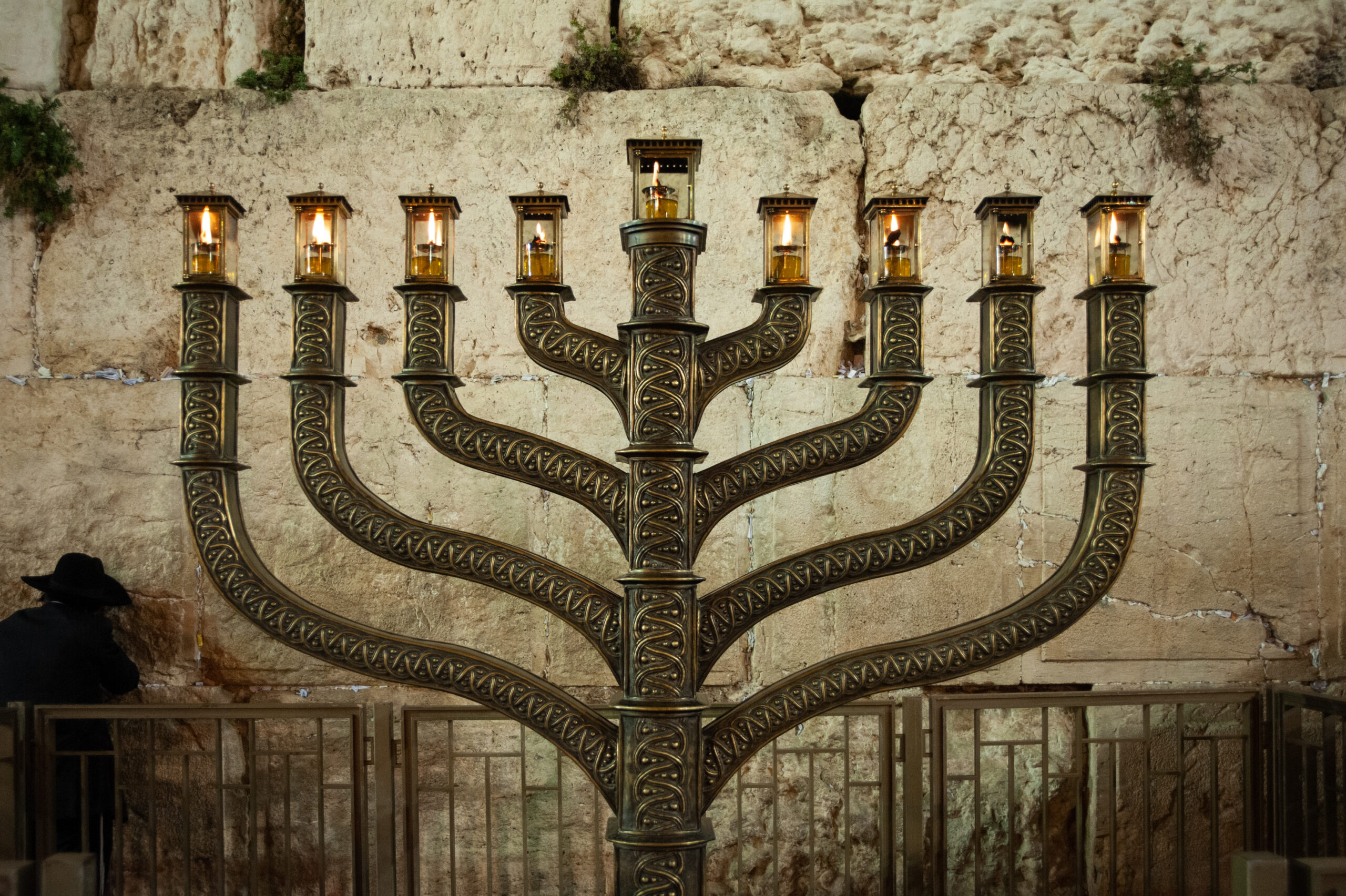
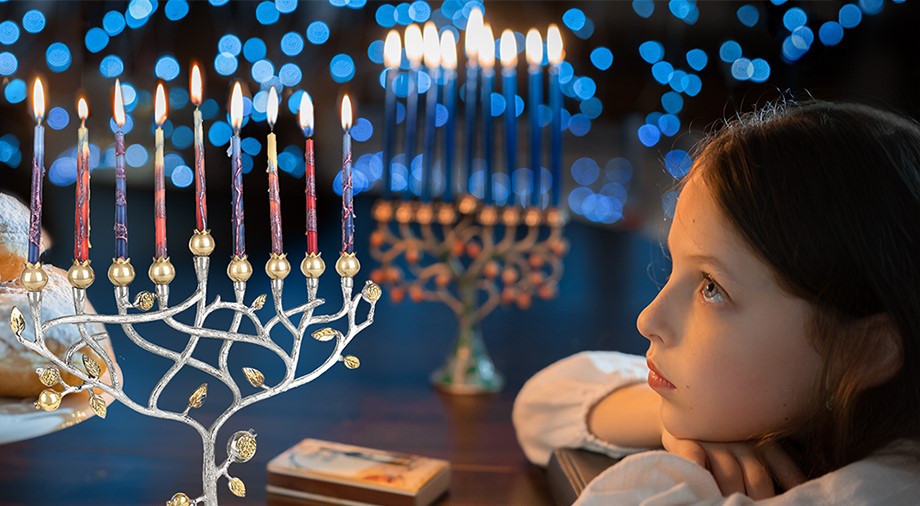
The Menorah: We light our menorahs in windows and doorways, publicly proclaiming the miracle just as the Maccabees publicly reclaimed their right to practice Judaism. Every candle is an act of visibility and pride.

Fried Foods: Latkes and sufganiyot aren't just delicious - they're fried in oil, reminding us of the miracle oil that burned for eight days. Each crispy bite connects us to that ancient Temple rededication.

The Dreidel: This simple spinning top carries the Hebrew letters nun, gimel, hey, shin - standing for "Nes Gadol Haya Sham" or "A Great Miracle Happened There" to remind us of the miraculous victory and oil rededication that happened all those years ago in Jerusalem. Children's play becomes a lesson in Jewish history and faith! (And, driedels made in Israel are adorned with nun, gimel, hey, po to stand for "Nes Gadol Haya Po" or "A Great Miracle Happened Here," for an extra special connection.)

Gifts and Celebration: While gift-giving has evolved over time, the spirit of celebration reminds us to mark our freedom joyfully, just as the Maccabees celebrated the Temple's rededication.


Light Up Your Celebration

The Maccabees' courage gave us more than a holiday - they gave us a reminder that a small amount of light can push back an enormous amount of darkness. That message feels especially powerful today, when we need symbols of hope, strength, and unity.

This Hanukkah, as you gather with family and friends to light the menorah, you're not just observing a tradition. You're continuing the Maccabees' legacy, choosing light over darkness, faith over fear, and standing proudly as part of an unbreakable chain of Jewish history.

Ready to celebrate the Festival of Lights? Browse our beautiful collection of Hanukkah menorahs, from traditional designs to contemporary art pieces that will become treasured family heirlooms. We also carry everything else you need for a meaningful celebration: dreidels, Hanukkah candles, kosher gift baskets from Israel, Hanukkah sweaters and shirts, and thoughtful Hanukkah gifts for everyone on your list.

Let's honor the Maccabees' legacy together by filling our homes with light, joy, and the beauty of Jewish tradition!


btn
Hanukkah gifts

JWS POST YOU MAY LIKE

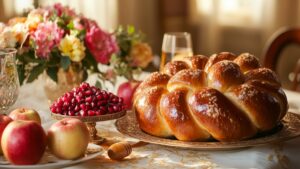
Round challah for Rosh Hashanah with honey
Round Challah for Rosh Hashanah with Honey
Rosh Hashanah recipes
What Are the Best Rosh Hashanah Recipes for a Sweet New Year?
When is Rosh Hashanah in 2026? In 2026, Rosh Hashanah begins at sundown on Friday, September 11, and ends at nightfall on Sunday, September 13. It falls on 1–2 Tishrei 5787 in the Hebrew calendar. Food plays a central role in Rosh Hashanah observance and tradition, with rich symbolism woven
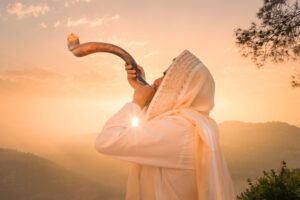
A Jewish man blowing the Shofar (ram's horn), which is used to blow sounds on Rosh HaShana (the Jewish New Year) and Yom Kippur (day of Atonement)
Rosh Hashanah in the Bible: Origins of the Jewish New Year
Rosh Hashanah – the Jewish New Year, coming up September 11-12, 2026 – is one of the most important and widely celebrated holidays in Judaism. But while many are familiar with its modern customs, from apples dipped in honey to the sounding of the shofar, fewer know about its biblical
Rosh Hashanah fun for kids
Rosh Hashanah Activities for Kids: Fun & Meaningful Holiday Ideas
Looking for fun ways to keep kids busy this Rosh Hashanah? Discover hands-on crafts, apple-and-honey taste tests, family games and creative activities you can make with AI – all designed to bring more fun and meaning to the holiday.
Pomegranates for Rosh Hashanah
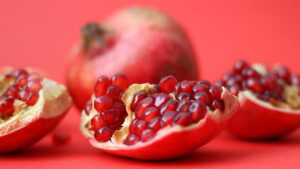
Why Do We Eat Pomegranates on Rosh Hashanah?
Pomegranates are a popular fruit to eat during Rosh Hashanah and a significant symbol in Judaism year-round, often gracing Judaica and Jewish jewelry. Since Rosh Hashanah 2026 begins on September 11 at sundown, now is the perfect time to learn more about the significance and symbolism of the pomegranate in Judaism and Rosh Hashanah!
A Jewish man blowing the Shofar (ram's horn), which is used to blow sounds on Rosh HaShana (the Jewish New Year) and Yom Kippur (day of Atonement)
From Reflection to Renewal: The Deep Meaning of Yom Kippur
Yom Kippur, the Day of Atonement, is the holiest day of the Jewish year: a time of reflection, forgiveness, and renewal. In 2026, it begins at sundown on Sunday, September 20, and lasts through the following evening. Marked by fasting, prayer, and other austere restrictions, Yom Kippur is often seen