

Search

Miriam’s Cup: A Modern Passover Addition

Passover 2026 will begin at sundown on Wednesday, April 1, so now’s the time to brush up on everything you’ve been wondering about the holiday.

Today we’re exploring the fascinating tradition and symbolism behind Miriam’s Cup – a more modern ritual that’s taken on a feminist meaning.

What is a Miriam's Cup at a Passover Seder & what does it represent?

Miriam's cup is a modern piece of Passover Judaica that some Jews have added to their Seder table. You likely won't find it among strict traditionalists, but it has taken on an important meaning for some Jewish families today.

The cup is placed at the Seder table next to Elijah's cup and filled with water, to represent the Biblical Miriam and her well, which was a source of water for the Israelites during the exodus from Egypt. Jewish legends say that Miriam's well was magical and had followed the Israelites throughout their journey, in addition to having mystical healing powers.

Having a cup in Miriam's honor at the Seder marks the important and sometimes overlooked role of Miriam in the Passover story, and by extension that of all the Jewish women during the Exodus and throughout Jewish history. This tradition is therefore often treated as a consciously feminist act of making space for and recognizing women and their roles.

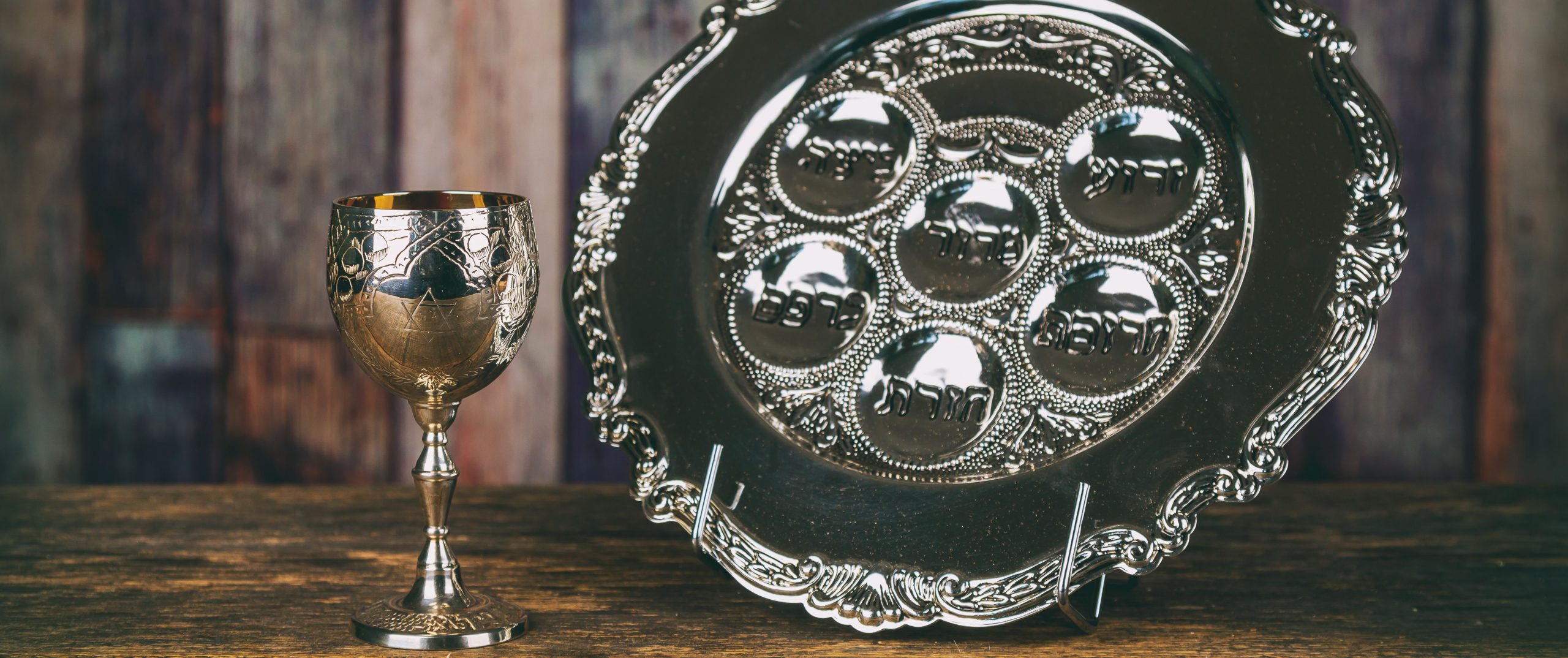
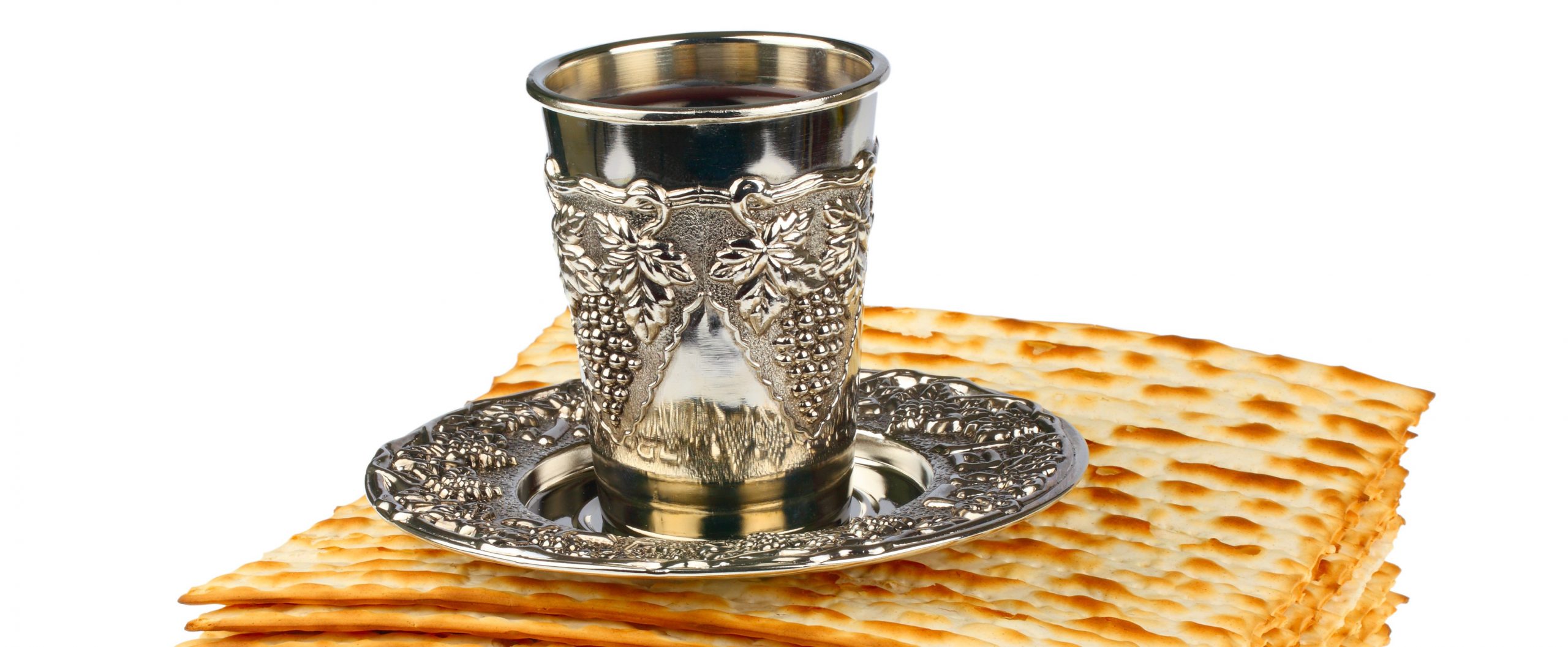
A Miriam's cup at a Passover Seder can be a specially labeled cup, or simply a Kiddush cup or any other kind of nice cup or glass. It should be distinct from your Elijah cup and other drinking glasses, and filled with water.


If you'd like to add this tradition to your Passover celebrations, turn a Kiddush cup into a Miriam cup and fill it water for your Seder!

Check out our full lines of Kiddush cups and Elijah cups, as well as the rest of our Passover collection for all your holiday needs in one place!

btn
Everything-You-Need-for-Passover-cat-m

JWS POST YOU MAY LIKE

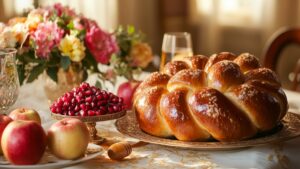
Round challah for Rosh Hashanah with honey
Round Challah for Rosh Hashanah with Honey
Rosh Hashanah recipes
What Are the Best Rosh Hashanah Recipes for a Sweet New Year?
When is Rosh Hashanah in 2026? In 2026, Rosh Hashanah begins at sundown on Friday, September 11, and ends at nightfall on Sunday, September 13. It falls on 1–2 Tishrei 5787 in the Hebrew calendar. Food plays a central role in Rosh Hashanah observance and tradition, with rich symbolism woven
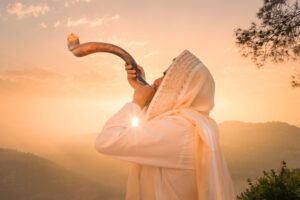
A Jewish man blowing the Shofar (ram's horn), which is used to blow sounds on Rosh HaShana (the Jewish New Year) and Yom Kippur (day of Atonement)
Rosh Hashanah in the Bible: Origins of the Jewish New Year
Rosh Hashanah – the Jewish New Year, coming up September 11-12, 2026 – is one of the most important and widely celebrated holidays in Judaism. But while many are familiar with its modern customs, from apples dipped in honey to the sounding of the shofar, fewer know about its biblical
Rosh Hashanah fun for kids
Rosh Hashanah Activities for Kids: Fun & Meaningful Holiday Ideas
Looking for fun ways to keep kids busy this Rosh Hashanah? Discover hands-on crafts, apple-and-honey taste tests, family games and creative activities you can make with AI – all designed to bring more fun and meaning to the holiday.
Pomegranates for Rosh Hashanah
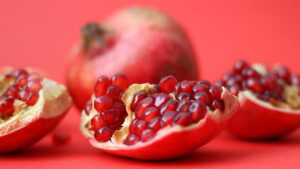
Why Do We Eat Pomegranates on Rosh Hashanah?
Pomegranates are a popular fruit to eat during Rosh Hashanah and a significant symbol in Judaism year-round, often gracing Judaica and Jewish jewelry. Since Rosh Hashanah 2026 begins on September 11 at sundown, now is the perfect time to learn more about the significance and symbolism of the pomegranate in Judaism and Rosh Hashanah!
A Jewish man blowing the Shofar (ram's horn), which is used to blow sounds on Rosh HaShana (the Jewish New Year) and Yom Kippur (day of Atonement)
From Reflection to Renewal: The Deep Meaning of Yom Kippur
Yom Kippur, the Day of Atonement, is the holiest day of the Jewish year: a time of reflection, forgiveness, and renewal. In 2026, it begins at sundown on Sunday, September 20, and lasts through the following evening. Marked by fasting, prayer, and other austere restrictions, Yom Kippur is often seen