Search

Motherhood in Jewish Tradition

Why Mothers Are the Backbone of Jewish Culture


For thousands of years, Jewish mothers have been the heart of our culture—quietly shaping generations through tradition, resilience, and love. From ancient matriarchs to modern-day moms, they’ve carried the weight of Jewish identity, memory, and meaning.

Just in time for Mother’s Day, let’s celebrate Jewish moms and learn why they’re so special and revered in Jewish culture!


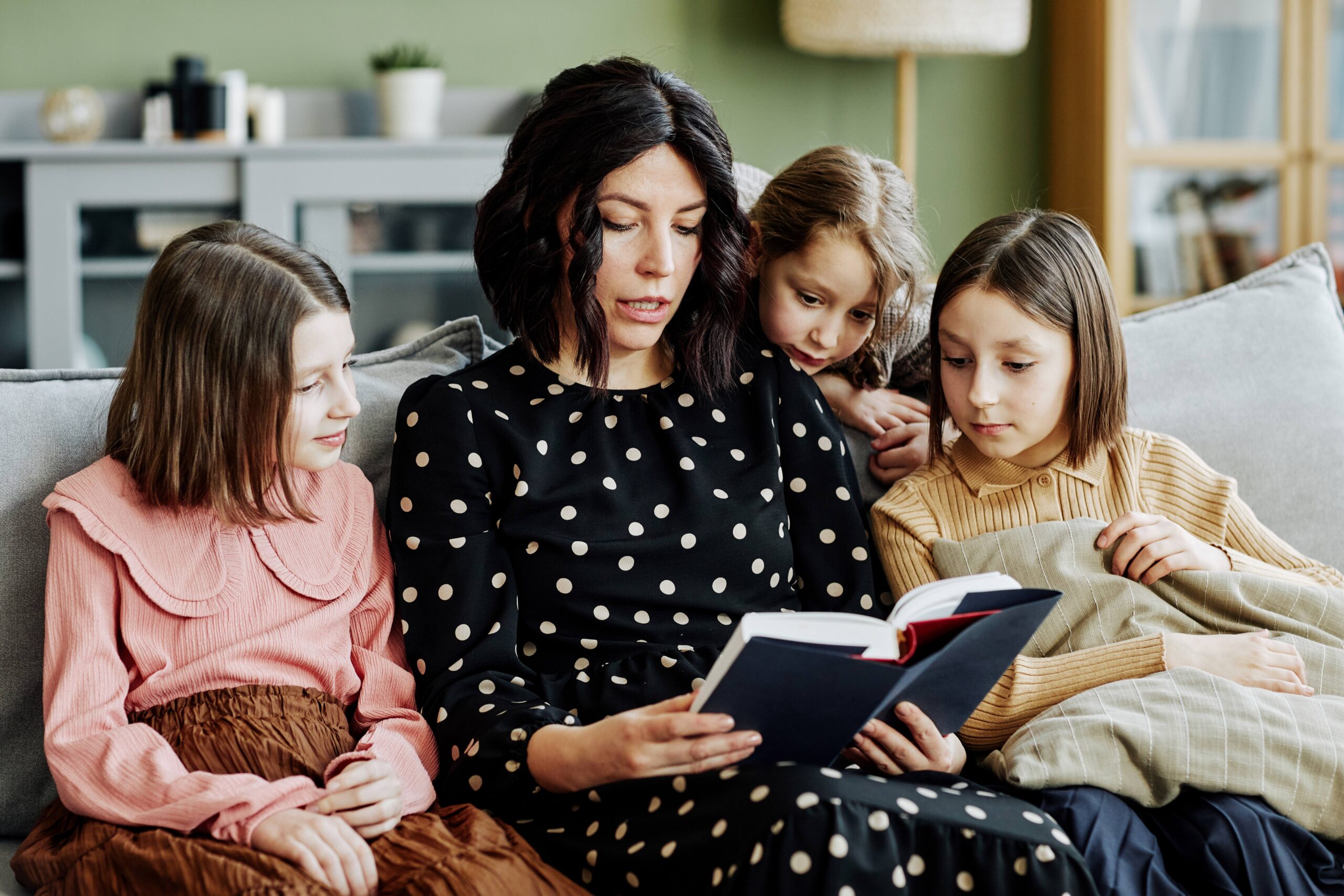
In Jewish tradition, motherhood has long been recognized as one of the most influential and culturally defining roles in our community. From biblical matriarchs to modern Jewish mothers, the responsibility of shaping identity, preserving heritage, and transmitting values has fallen largely on women—particularly mothers.

While motherhood in Judaism carries spiritual significance, it is the cultural and generational power of Jewish mothers that has helped sustain the Jewish people through centuries of change, diaspora, and resilience.

The Matriarchs: Cultural Foundations of the Jewish People
Freedom

Jewish cultural reverence for mothers begins with the Torah.

Sarah, Rebecca, Rachel, and Leah are not just figures of faith—they are the cultural cornerstones of Jewish identity. It is telling that in Jewish prayer and ritual, we invoke the names of these women alongside the patriarchs. Their decisions, sacrifices, and emotional journeys are not sidelined; they are central to the story of the Jewish people. Sarah’s determination, Rebecca’s insight, Rachel’s longing, and Leah’s strength represent the emotional and moral complexity of motherhood—real, human experiences that continue to resonate with Jewish women today.

In many ways, the matriarchs modeled the deep cultural expectation that Jewish mothers are guardians of not only the family unit, but of the Jewish people itself.

btn
Mother_s-Day-2024_category_mobile
Jewish Identity: Passed Down Through the Mother
Bar Mitzva Boy

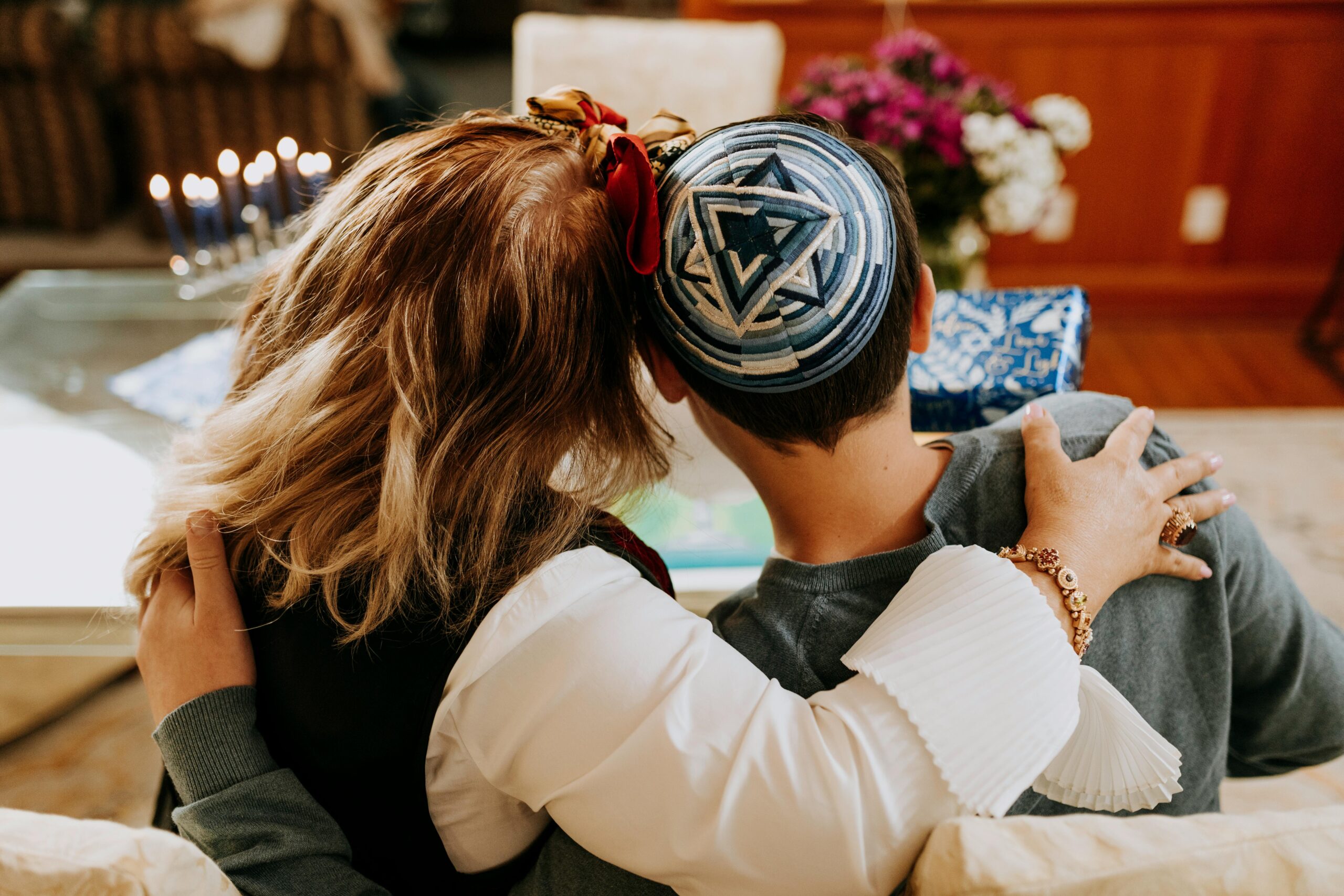
One of the clearest illustrations of the mother’s cultural role is the halachic (Jewish legal) principle that Jewish identity is matrilineal. According to rabbinic tradition, a child born to a Jewish mother is Jewish, regardless of the father’s identity. This concept, which appears in discussions in the Talmud (Kiddushin 68b), is deeply significant—not just as a legal detail, but as a cultural affirmation that the Jewish mother is the vessel through which continuity is ensured.

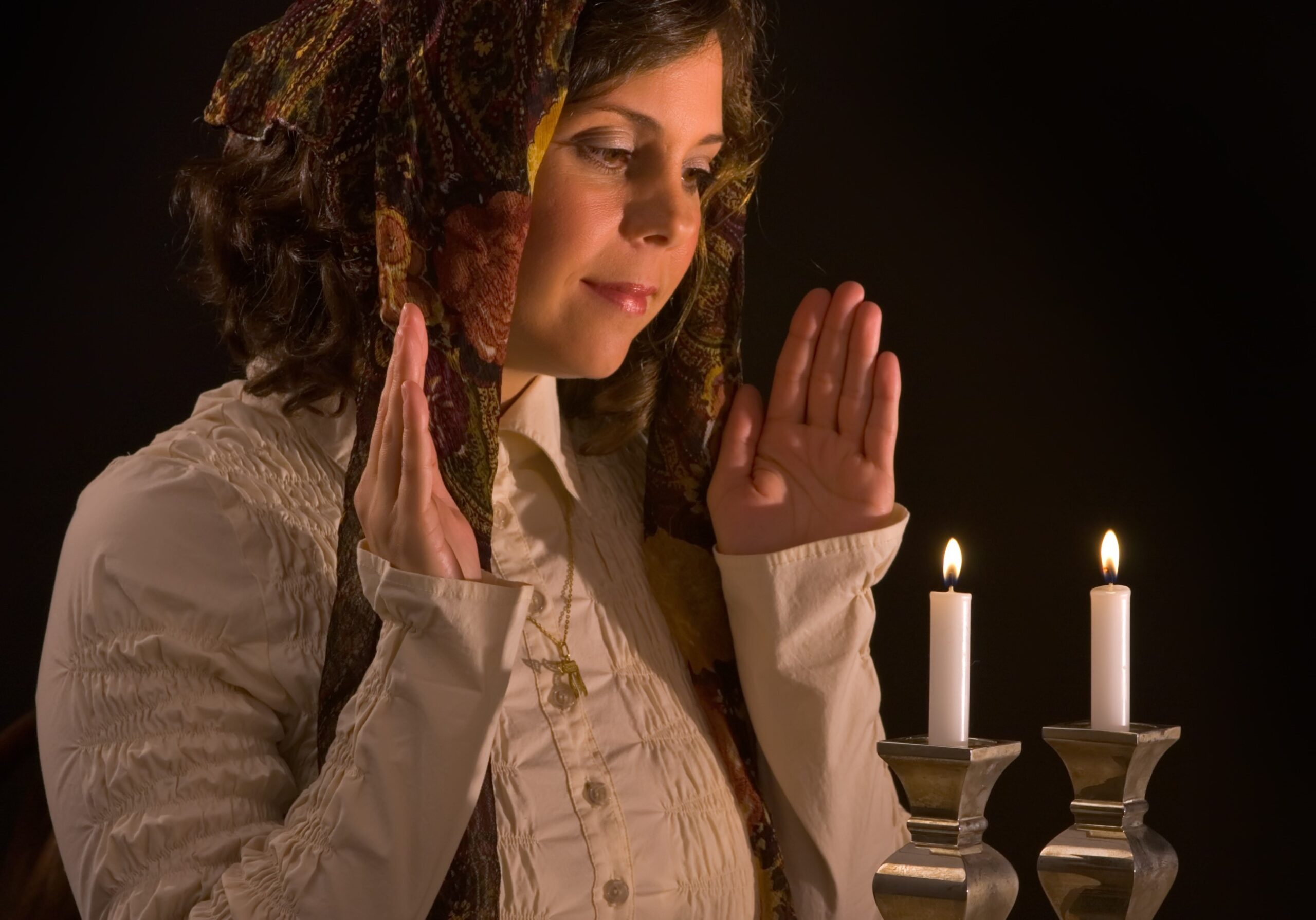
This law reinforces the long-standing reality: mothers are the primary transmitters of Jewish tradition. They are often the ones who teach the first blessings, light the Shabbat candles, prepare the Passover seder, and instill the rhythms of Jewish life from the earliest age. The home, often led by the mother, becomes the first and most lasting Jewish classroom.

btn
Mothers as Cultural Memory Keepers & Jewish Motherhood Today
Lighting Shabbat Candles

Beyond ritual and law, Jewish mothers have historically been the keepers of language, food, customs, and stories. Whether through Yiddish lullabies, Sephardic recipes, or holiday traditions passed from generation to generation, it is through mothers that many of the rich, lived elements of Jewish culture are preserved.

In times of persecution and exile, it was often the mother who held the family together—physically and culturally. She maintained traditions even when formal institutions could not, ensuring that the next generation retained a sense of Jewish self. This cultural labor has been critical to Jewish survival, especially in diasporic communities where external pressures threatened assimilation or erasure.

Today, Jewish mothers navigate new cultural landscapes—blending tradition with modernity, and often balancing multiple identities. Yet the core role remains: to be the bridge between the past and the future. Whether secular or observant, Ashkenazi or Sephardi, Jewish mothers continue to shape how Judaism is lived and felt within the home.

For millennia, Jewish mothers have sustained a people through care, education, resilience, and love. That is a cultural power worth honoring!

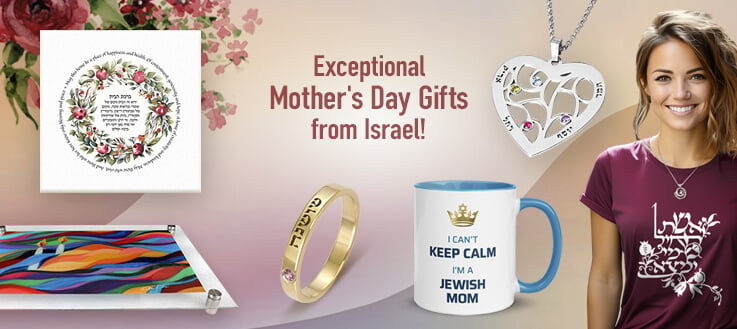
Honor your own Jewish mom with stunning Mother's Day gifts from Israel, including special Judaica and Jewish jewelry made just for moms!


btn
mother_s_day_giftst_home-mobile

JWS POST YOU MAY LIKE

Round challah for Rosh Hashanah with honey
Round Challah for Rosh Hashanah with Honey
Rosh Hashanah recipes
What Are the Best Rosh Hashanah Recipes for a Sweet New Year?
When is Rosh Hashanah in 2026? In 2026, Rosh Hashanah begins at sundown on Friday, September 11, and ends at nightfall on Sunday, September 13. It falls on 1–2 Tishrei 5787 in the Hebrew calendar. Food plays a central role in Rosh Hashanah observance and tradition, with rich symbolism woven
A Jewish man blowing the Shofar (ram's horn), which is used to blow sounds on Rosh HaShana (the Jewish New Year) and Yom Kippur (day of Atonement)
Rosh Hashanah in the Bible: Origins of the Jewish New Year
Rosh Hashanah – the Jewish New Year, coming up September 11-12, 2026 – is one of the most important and widely celebrated holidays in Judaism. But while many are familiar with its modern customs, from apples dipped in honey to the sounding of the shofar, fewer know about its biblical
Rosh Hashanah fun for kids
Rosh Hashanah Activities for Kids: Fun & Meaningful Holiday Ideas
Looking for fun ways to keep kids busy this Rosh Hashanah? Discover hands-on crafts, apple-and-honey taste tests, family games and creative activities you can make with AI – all designed to bring more fun and meaning to the holiday.
Pomegranates for Rosh Hashanah
Why Do We Eat Pomegranates on Rosh Hashanah?
Pomegranates are a popular fruit to eat during Rosh Hashanah and a significant symbol in Judaism year-round, often gracing Judaica and Jewish jewelry. Since Rosh Hashanah 2026 begins on September 11 at sundown, now is the perfect time to learn more about the significance and symbolism of the pomegranate in Judaism and Rosh Hashanah!
A Jewish man blowing the Shofar (ram's horn), which is used to blow sounds on Rosh HaShana (the Jewish New Year) and Yom Kippur (day of Atonement)
From Reflection to Renewal: The Deep Meaning of Yom Kippur
Yom Kippur, the Day of Atonement, is the holiest day of the Jewish year: a time of reflection, forgiveness, and renewal. In 2026, it begins at sundown on Sunday, September 20, and lasts through the following evening. Marked by fasting, prayer, and other austere restrictions, Yom Kippur is often seen