Search

Why Do We Dip Apples in Honey on Rosh Hashanah?

Apples and honey have become synonymous with Rosh Hashanah in many Jewish homes around the world – but where does this tradition come from, and what does it symbolize?

Why Do Jews Eat Apples and Honey on Rosh Hashanah?

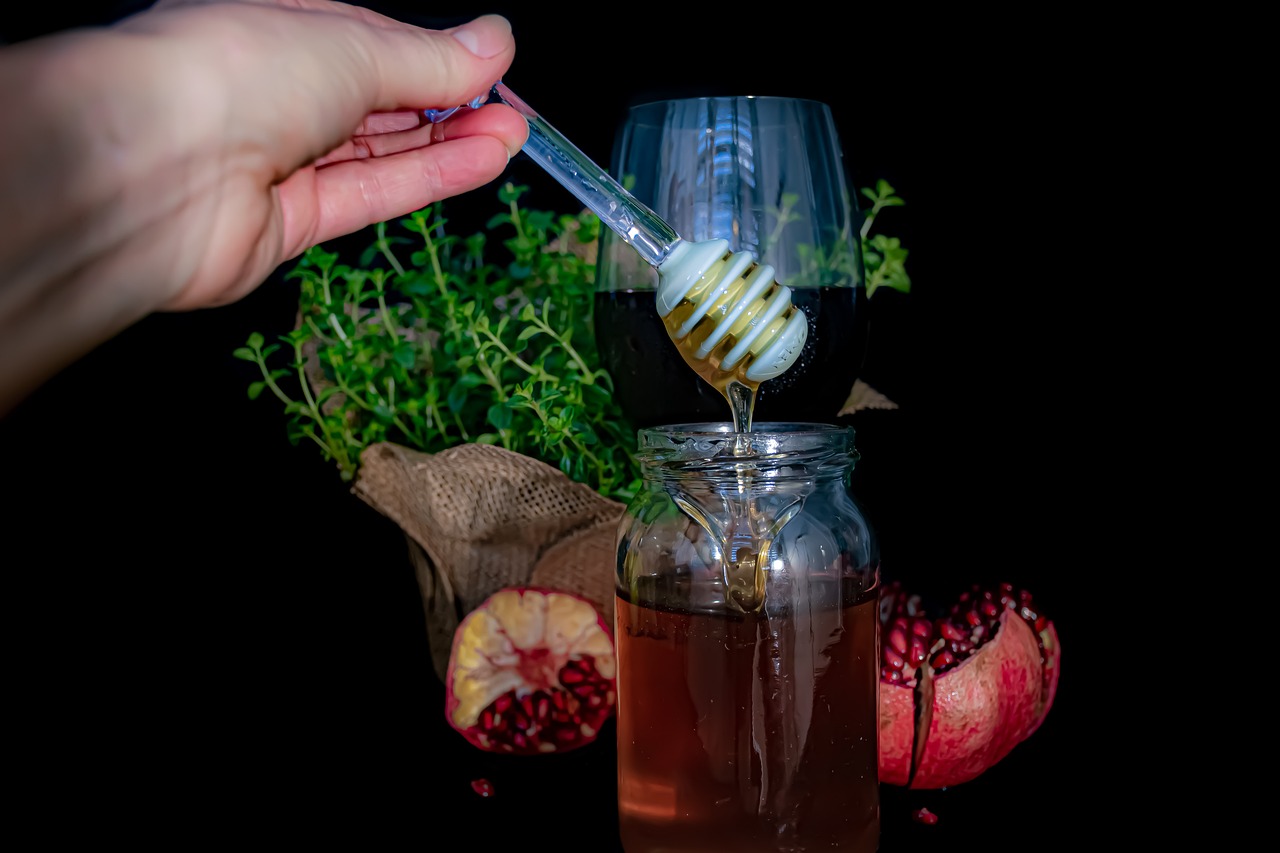
Honey is one of the central foods enjoyed by the Jewish people during Rosh Hashanah. Popularly incorporated into cakes, cookies, meat glazes, challah, and other foods, honey is also enjoyed on its own with apples throughout the High Holidays. 

Honey has become an iconic symbol of Rosh Hashanah, just like pomegranates and shofars. But why do we eat honey and apples on Rosh Hashanah? What does honey symbolize? How did this tradition start? 


Apples and Honey: The Sweet Tradition of Rosh Hashanah

We have all of the answers – and more! – so you can wow your friends and family with your sweet knowledge during Rosh Hashanah dinner. Read on to learn some un-bee-lievable facts about honey and its connection to Rosh Hashanah and Judaism! 

Israel as “the Land Flowing with Milk and Honey”
heather-barnes-CNDiESvWfrk-unsplash

In Exodus 3:8 in the Hebrew Bible, God promises Moses that the Israelites would be rewarded with a “good and spacious land, a land flowing with milk and honey.” Of course, God was referencing the Land of Israel. The Midrash says that God called Eretz Yisrael this because milk provides nourishment and honey is known for its sweetness, so within the Promised Land, the Israelites would find both. It also alludes to the fertility of the land, and the better life of sustenance and sustainability awaiting the Israelites.

The phrase “the Land of Milk and Honey” has stuck throughout history as another name for the Land of Israel and in modern times, as a nickname for the State of Israel.

However, in his commentaries on the Torah, Rashi explained that this excerpt was actually talking about date honey (known in Hebrew as silan), which has historically been made by Jews in the region since Biblical times.


Dates growing on a palm tree, used to make date honey


Honey in the Torah, Tanakh, and other texts

There are plenty of places elsewhere in Jewish texts that bee honey is mentioned, such as in the stories of Shimshon and Isaiah, as well as in Psalms 19. 

Honey is also mentioned again in Exodus, when the Israelites receive manna from God to eat as they journeyed out of slavery and toward the Promised Land. The Israelites describe the bread as tasting like a honey wafer. 

btn
What does honey symbolize on Rosh Hashanah?
jewish-new-year-4498132_1280

Many Jewish thinkers throughout history have come to the same simple conclusion: eating honey on Rosh Hashanah symbolizes our hope for a sweet new year, and honey has been readily available in Jewish communities for thousands of years.

It is important to remember that during the time of the Israelites, sugar canes did not exist in the desert or in the Land of Israel. Honey, whether from bees or dates, would’ve been our ancestors' go-to sweetener. 


Is it required by Jewish law to eat honey during Rosh Hashanah?

Nope! Eating honey during Rosh Hashanah is a minhag, or a custom. 

btn
Rosh-Hashana-gifts_Category_mobile
When did Jews start eating apples and honey together on Rosh Hashanah? Why apples?
olga-drach-0ktNID0OUbA-unsplash

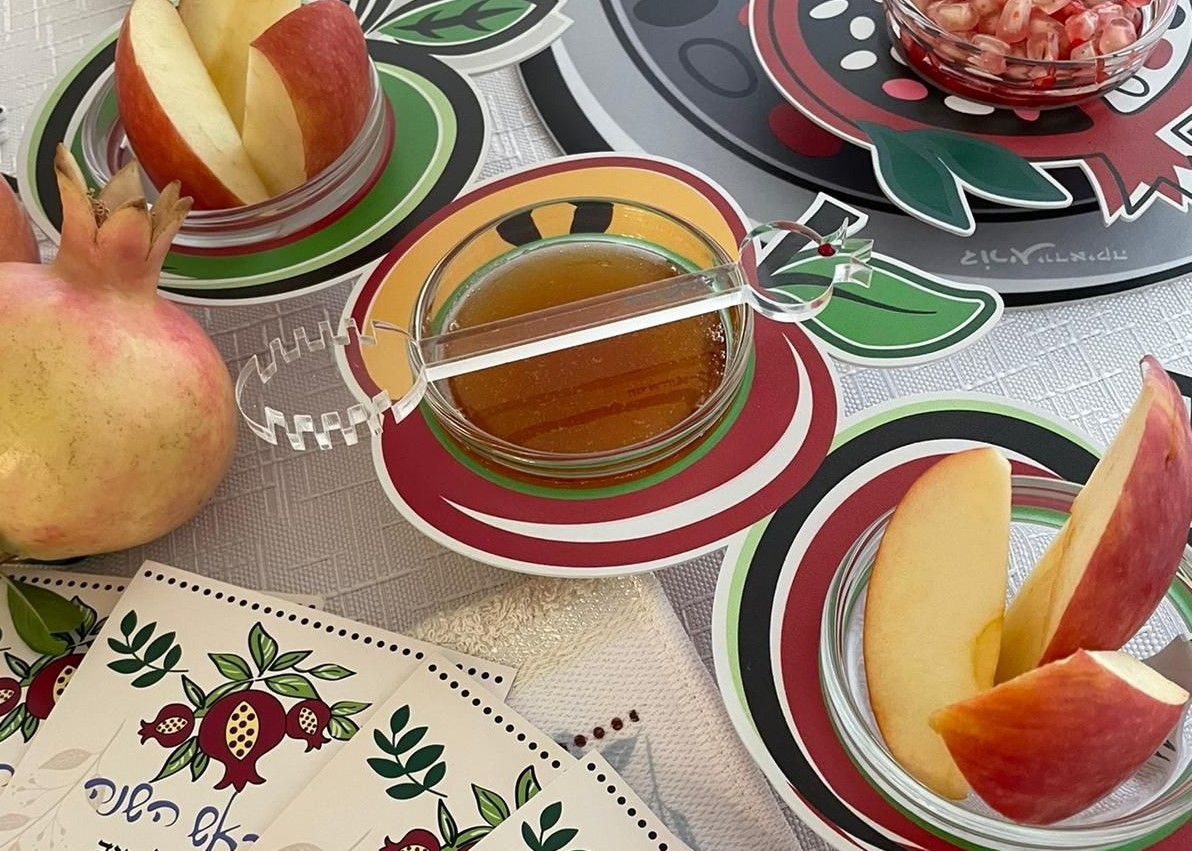
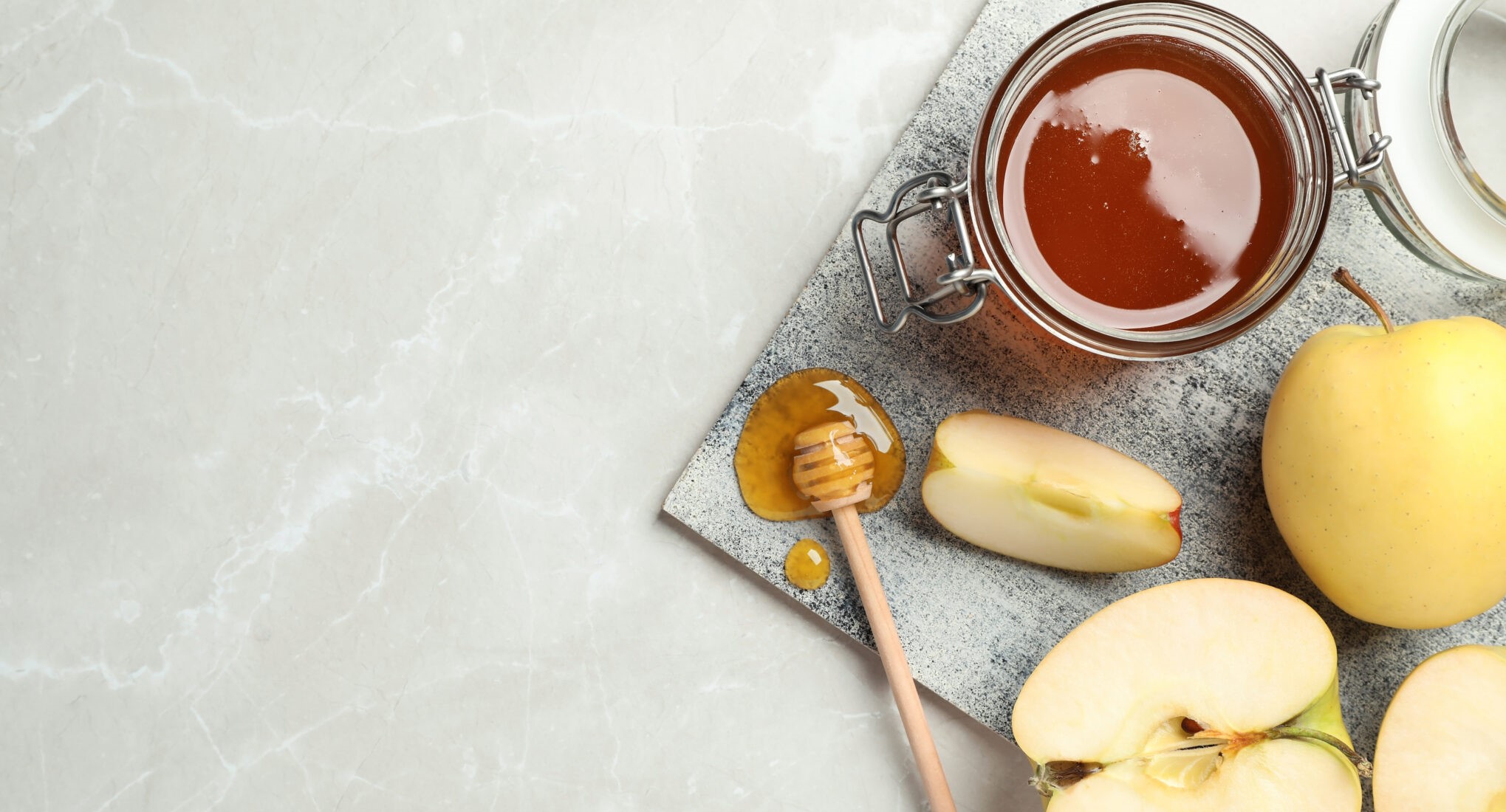
Dipping apples in honey is also a minhag, and specifically an Ashkenazi custom. This minhag was first recorded in history in 15th century Germany, although many believe the custom began long before that. 

Apples were a common fruit that began to ripen around the same time as Rosh Hashanah in Europe, so it is commonly thought that this is how the tradition began. However, ancient Jewish texts also have plenty to say about what makes apples special. 

In Song of Songs, God’s love for the Jewish people is compared to apples: “As the apple is rare and unique among the trees of the forest, so is my beloved [Israel] amongst the maidens [nations] of the world.” And the Zohar, a Kabbalistic text from the 13th century, says that the beauty of God’s creations “diffuses itself in the world as an apple.” 


If eating apples and honey is an Ashkenazi tradition, what do Sephardi and Mizrachi Jews eat during Rosh Hashanah?

Sephardic and Mizrachi (Middle Eastern/North African) customs vary widely from community to community, depending on which foods were abundantly available in certain places during the early fall.

For example, in Morocco, it was common to mix sesame seeds and sugar. Many Sephardic communities also enjoy a traditional food called mansanada, which is a thick spiced sauce full of honey and long-simmered apples. It is also a Sephardic tradition in some communities to dip a sheep or cow’s head into honey to symbolize the home and a wish for a sweet new year. 


What is the bracha (blessing) said over eating honey and apples on Rosh Hashanah?

First, you say:
בָּרוּךְ אַתָּה יְיָ, אֱלֹהֵֽינוּ מֶֽלֶךְ הָעוֹלָם, בּוֹרֵא פְּרִי הָעֵץ.
Baruch atah Adonai, Eloheinu melech ha-olam, borei p’ri ha-eitz.
We praise You, Eternal God, Sovereign of the Universe, Creator of the fruit of the tree.

Followed by:
יְהִי רָצוֹן מִלְּפָנֶךָ, יְיָ אֱלֹהֵֽינוּ וֵאלֹהֵי אֲבוֹתֵֽינוּ וְאִמּוֹתֵֽינוּ,
שֶׁתְּחַדֵּשׁ עָלֵינוּ שָׁנָה טוֹבָה וּמְתוּקָה.
Y’hi ratzon milfanecha, Adonai Eloheinu v’Elohei
avoteinu v’imoteinu, shetchadesh aleinu shanah tovah um’tukah.

May it be Your will, Eternal our God, that this be a good and sweet year for us.

btn
Is honey still produced in Israel today?
honey-823614_1280

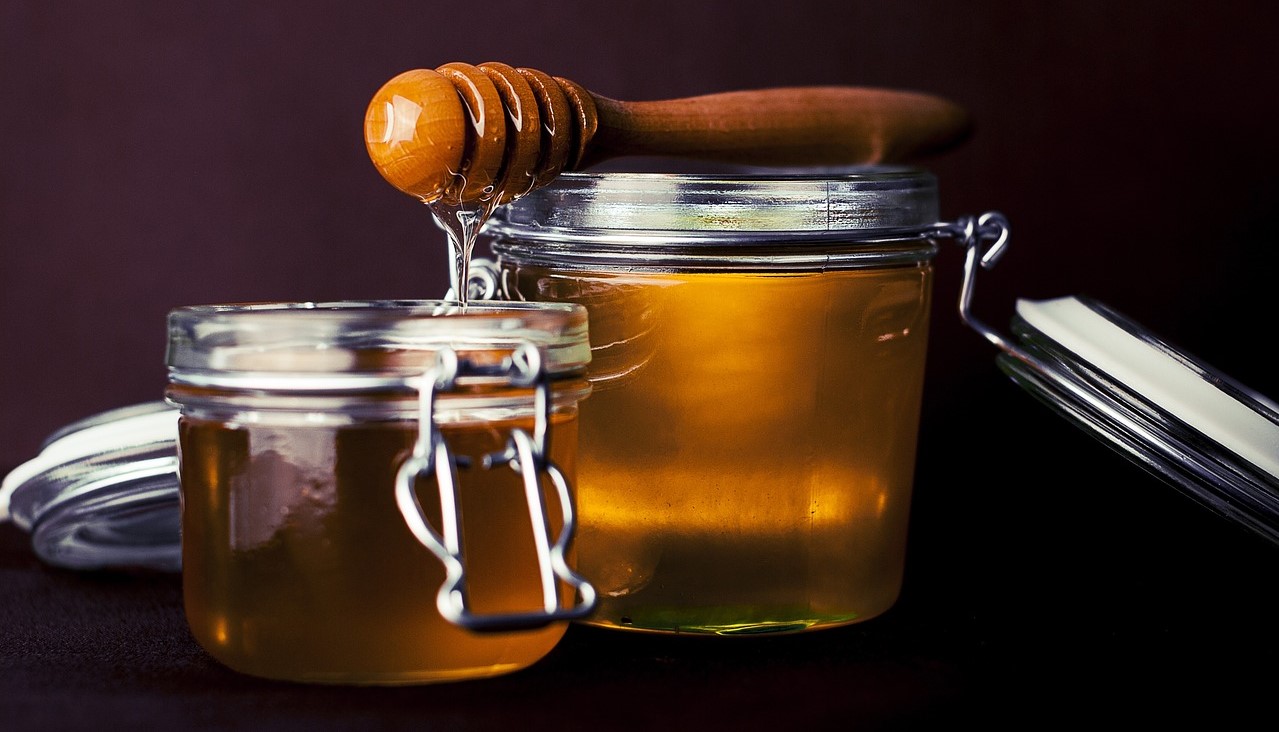
Absolutely! Israel is known internationally for its honey. Produced from the Galilee to the Negev Desert, honey is one of Israel’s modern agricultural triumphs. We explain everything you need to know about Israeli-made honey in this guide, and you can check out our full collection of kosher Israeli honey here, including honey made from the wildflowers of the Jerusalem mountains and silan date honey for our vegan friends.


Where can I buy a honey dish or other honey gifts for Rosh Hashanah?

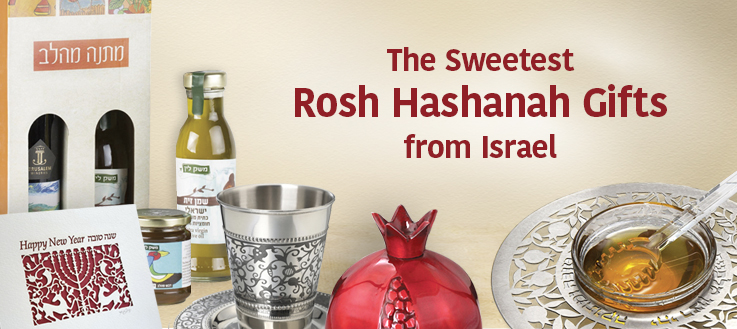
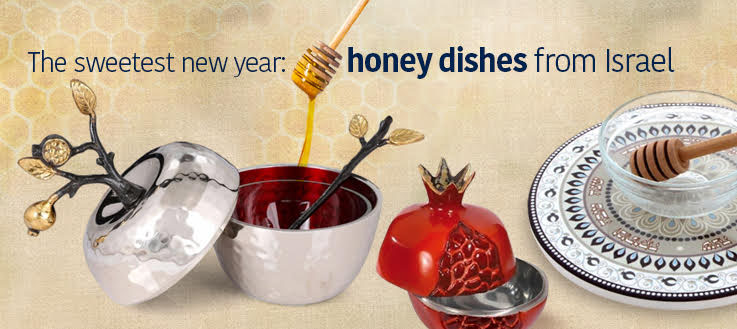
We carry dozens of honey dishes, all of which are made by Israeli designers and artisans and are available featuring a variety of motifs and designs. To help you choose, we also rounded up our 10 favorite honey dishes, which make perfect gifts, either for loved ones or to treat yourself!

You can find other honey gifts here, including Israeli-made honey and honey-themed gift boxes.

btn
honey-dishes-CAT-mobile

JWS POST YOU MAY LIKE

Round challah for Rosh Hashanah with honey
Round Challah for Rosh Hashanah with Honey
Rosh Hashanah recipes
What Are the Best Rosh Hashanah Recipes for a Sweet New Year?
When is Rosh Hashanah in 2026? In 2026, Rosh Hashanah begins at sundown on Friday, September 11, and ends at nightfall on Sunday, September 13. It falls on 1–2 Tishrei 5787 in the Hebrew calendar. Food plays a central role in Rosh Hashanah observance and tradition, with rich symbolism woven
A Jewish man blowing the Shofar (ram's horn), which is used to blow sounds on Rosh HaShana (the Jewish New Year) and Yom Kippur (day of Atonement)
Rosh Hashanah in the Bible: Origins of the Jewish New Year
Rosh Hashanah – the Jewish New Year, coming up September 11-12, 2026 – is one of the most important and widely celebrated holidays in Judaism. But while many are familiar with its modern customs, from apples dipped in honey to the sounding of the shofar, fewer know about its biblical
Rosh Hashanah fun for kids
Rosh Hashanah Activities for Kids: Fun & Meaningful Holiday Ideas
Looking for fun ways to keep kids busy this Rosh Hashanah? Discover hands-on crafts, apple-and-honey taste tests, family games and creative activities you can make with AI – all designed to bring more fun and meaning to the holiday.
Pomegranates for Rosh Hashanah
Why Do We Eat Pomegranates on Rosh Hashanah?
Pomegranates are a popular fruit to eat during Rosh Hashanah and a significant symbol in Judaism year-round, often gracing Judaica and Jewish jewelry. Since Rosh Hashanah 2026 begins on September 11 at sundown, now is the perfect time to learn more about the significance and symbolism of the pomegranate in Judaism and Rosh Hashanah!
A Jewish man blowing the Shofar (ram's horn), which is used to blow sounds on Rosh HaShana (the Jewish New Year) and Yom Kippur (day of Atonement)
From Reflection to Renewal: The Deep Meaning of Yom Kippur
Yom Kippur, the Day of Atonement, is the holiest day of the Jewish year: a time of reflection, forgiveness, and renewal. In 2026, it begins at sundown on Sunday, September 20, and lasts through the following evening. Marked by fasting, prayer, and other austere restrictions, Yom Kippur is often seen