Search
The Jewish calendar

The Jewish Calendar Explained: How It Works & What Makes It Special

Lunar, Solar, and Sacred: Understanding the Hebrew Calendar & Why It Matters

The Jewish calendar is unlike any other. While most of the world runs on the Gregorian solar calendar, Jewish life follows a unique lunar-solar system that has guided Jewish holidays, rituals, and traditions for thousands of years. That’s why the Jewish New Year, Rosh Hashanah, falls in September or October instead of January, and why Passover always lands in the spring.

In this guide, we’ll explain how the Jewish (or Hebrew) calendar works and how it continues to shape Jewish identity today!

Why the Jewish Calendar Matters & What Makes It Unique
Jewish calendar explained

Time in Judaism is more than a way to mark days – it’s a rhythm of sacred moments. The Jewish calendar shapes every holiday, season, and cycle of Jewish life, from Rosh Hashanah to Passover, and has been guiding the Jewish people for thousands of years.

What makes it unique is the way it blends the cycles of the moon and the sun. Rooted in the Torah’s commandment to sanctify the new moon, the calendar is lunar at its core, with months that follow the waxing and waning of the moon. Yet it also keeps pace with the solar year to ensure that holidays arrive in their proper seasons. This careful balance of lunar, solar, and sacred time makes the Jewish calendar unlike any other, and it remains central to Jewish identity and tradition.

How the Calendar Works

Each Hebrew month in the Jewish calendar lasts 29 or 30 days, corresponding to the phases of the moon. But 12 lunar months total only about 354 days – shorter than the solar year. Without adjustment, the holidays would shift across the seasons.

To solve this, the Jewish calendar follows a 19-year cycle. Seven times within that cycle, an extra month – called Adar II – is added. This leap month keeps the calendar aligned with the solar year, ensuring that holidays like Passover always fall in the spring and Sukkot always comes in the fall. This remarkable system has preserved the sacred rhythm of Jewish time for millennia.


btn
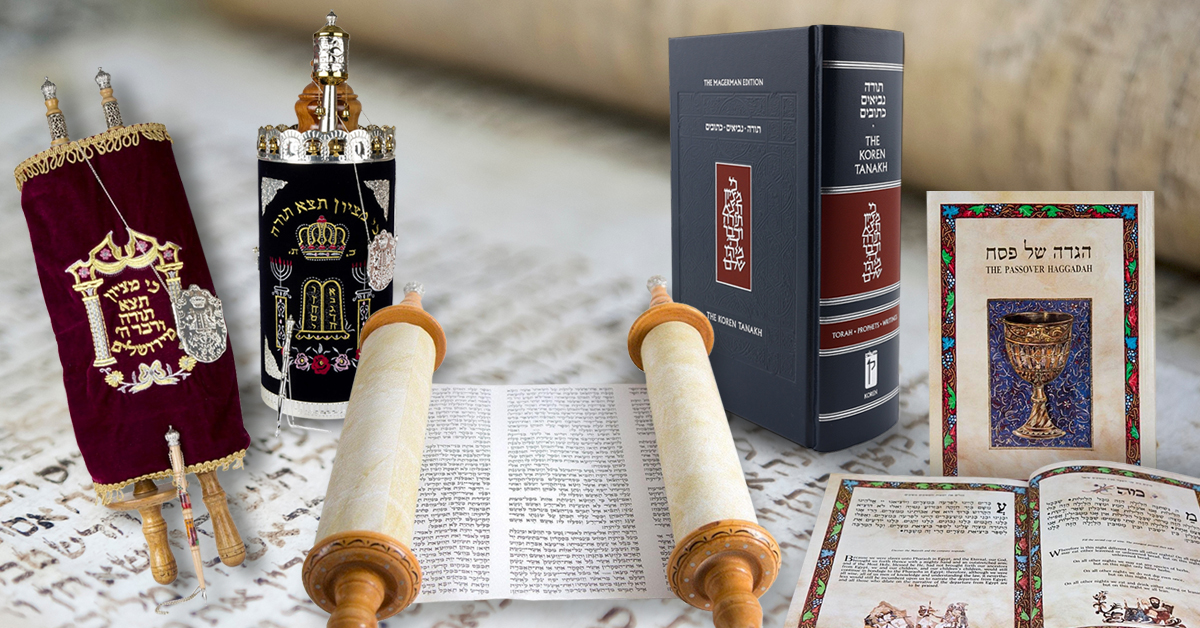
Bibles
The Hebrew Months
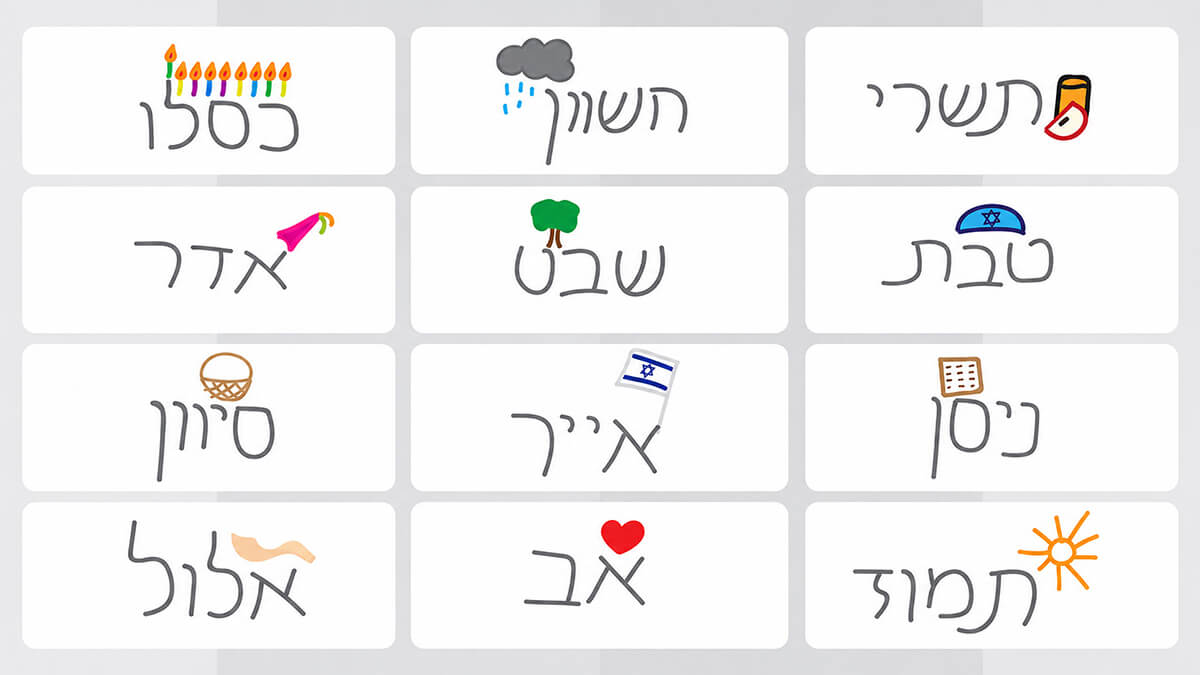
The Hebrew months

The Jewish year is made up of 12 months, or sometimes 13 in leap years. Each month carries its own spiritual themes and is tied to specific holidays:

  • Tishrei – The month of the High Holidays: Rosh Hashanah, Yom Kippur, Sukkot, and Simchat Torah

  • Cheshvan – A quieter month, with no major holidays

  • Kislev – The month of light, home to Hanukkah

  • Tevet – Includes the fast of the Tenth of Tevet

  • Shevat – Known for Tu BiShvat, the New Year of the Trees

  • Adar (Adar I & II in leap years) – The joyous month of Purim

  • Nisan – The month of redemption, home to Passover

  • Iyar – The counting of the Omer and Israel’s modern holidays including Independence Day

  • Sivan – The month of Shavuot, celebrating the giving of the Torah

  • Tammuz – Includes the fast of the 17th of Tammuz

  • Av – A month of mourning, with Tisha B’Av marking the destruction of the Temples

  • Elul – A month of reflection and preparation for the High Holidays

Jewish Calendar

btn
Symbolism and Spiritual Themes
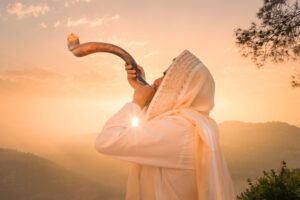
Shofar blowing in Elul

The cycles of the moon and sun remind us that time itself is sacred. The Jewish calendar teaches renewal, reflection, and a connection between the natural world and Jewish life. Every month offers its own spiritual opportunities, and every year is another chance to begin again.

As we will soon begin the Jewish year 5787, the calendar continues to guide us just as it has for generations. It is more than dates and months – it is the heartbeat of Jewish tradition, connecting past, present, and future in a rhythm that is truly lunar, solar, and sacred.


Jewish calendar


Get ready for the Jewish year with a beautiful Hebrew calendar from Israel, available on our site directly from Jerusalem!

And don't forget to shop High Holiday gifts, Jewish books, and Hebrew Bibles for a meaningful New Year!

btn
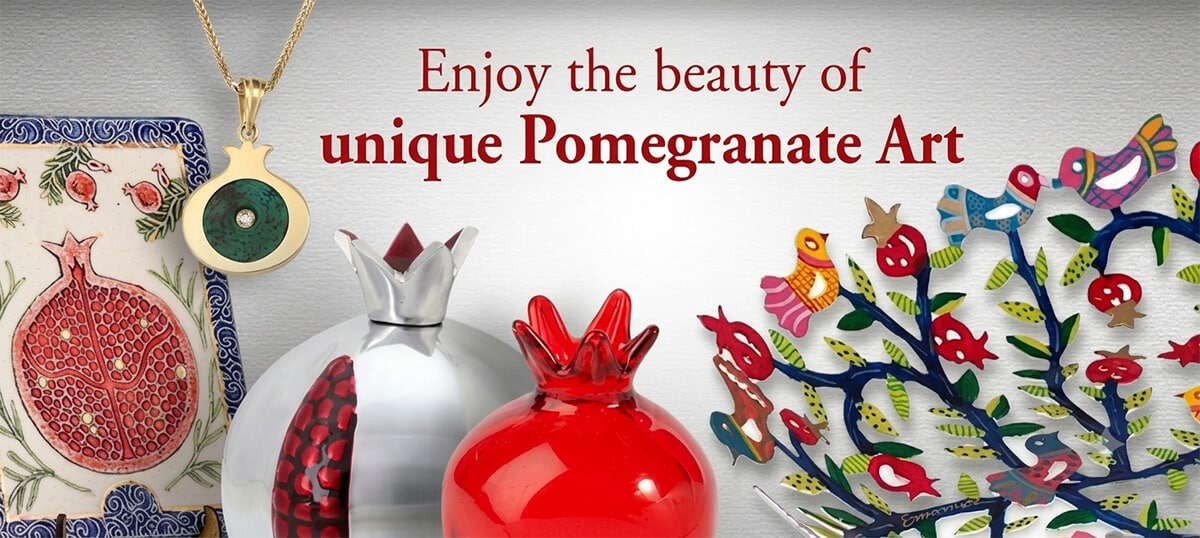
Pomegranate gifts from Israel

JWS POST YOU MAY LIKE

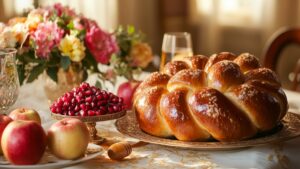
Round challah for Rosh Hashanah with honey
Round Challah for Rosh Hashanah with Honey
Rosh Hashanah recipes
What Are the Best Rosh Hashanah Recipes for a Sweet New Year?
When is Rosh Hashanah in 2026? In 2026, Rosh Hashanah begins at sundown on Friday, September 11, and ends at nightfall on Sunday, September 13. It falls on 1–2 Tishrei 5787 in the Hebrew calendar. Food plays a central role in Rosh Hashanah observance and tradition, with rich symbolism woven
A Jewish man blowing the Shofar (ram's horn), which is used to blow sounds on Rosh HaShana (the Jewish New Year) and Yom Kippur (day of Atonement)
Rosh Hashanah in the Bible: Origins of the Jewish New Year
Rosh Hashanah – the Jewish New Year, coming up September 11-12, 2026 – is one of the most important and widely celebrated holidays in Judaism. But while many are familiar with its modern customs, from apples dipped in honey to the sounding of the shofar, fewer know about its biblical
Rosh Hashanah fun for kids
Rosh Hashanah Activities for Kids: Fun & Meaningful Holiday Ideas
Looking for fun ways to keep kids busy this Rosh Hashanah? Discover hands-on crafts, apple-and-honey taste tests, family games and creative activities you can make with AI – all designed to bring more fun and meaning to the holiday.
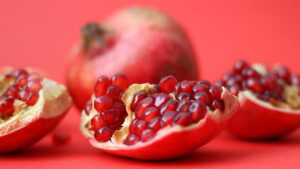
Pomegranates for Rosh Hashanah
Why Do We Eat Pomegranates on Rosh Hashanah?
Pomegranates are a popular fruit to eat during Rosh Hashanah and a significant symbol in Judaism year-round, often gracing Judaica and Jewish jewelry. Since Rosh Hashanah 2026 begins on September 11 at sundown, now is the perfect time to learn more about the significance and symbolism of the pomegranate in Judaism and Rosh Hashanah!
A Jewish man blowing the Shofar (ram's horn), which is used to blow sounds on Rosh HaShana (the Jewish New Year) and Yom Kippur (day of Atonement)
From Reflection to Renewal: The Deep Meaning of Yom Kippur
Yom Kippur, the Day of Atonement, is the holiest day of the Jewish year: a time of reflection, forgiveness, and renewal. In 2026, it begins at sundown on Sunday, September 20, and lasts through the following evening. Marked by fasting, prayer, and other austere restrictions, Yom Kippur is often seen