
Torah Portion Ki Tisa in a Nutshell
- Name: Ki Tisa
- Reading: Exodus 30:11 – 34:35
- Haftarah: Ezekiel 36:16 – 36:38
Parashat Ki Tisa Summary
The Shekel Census
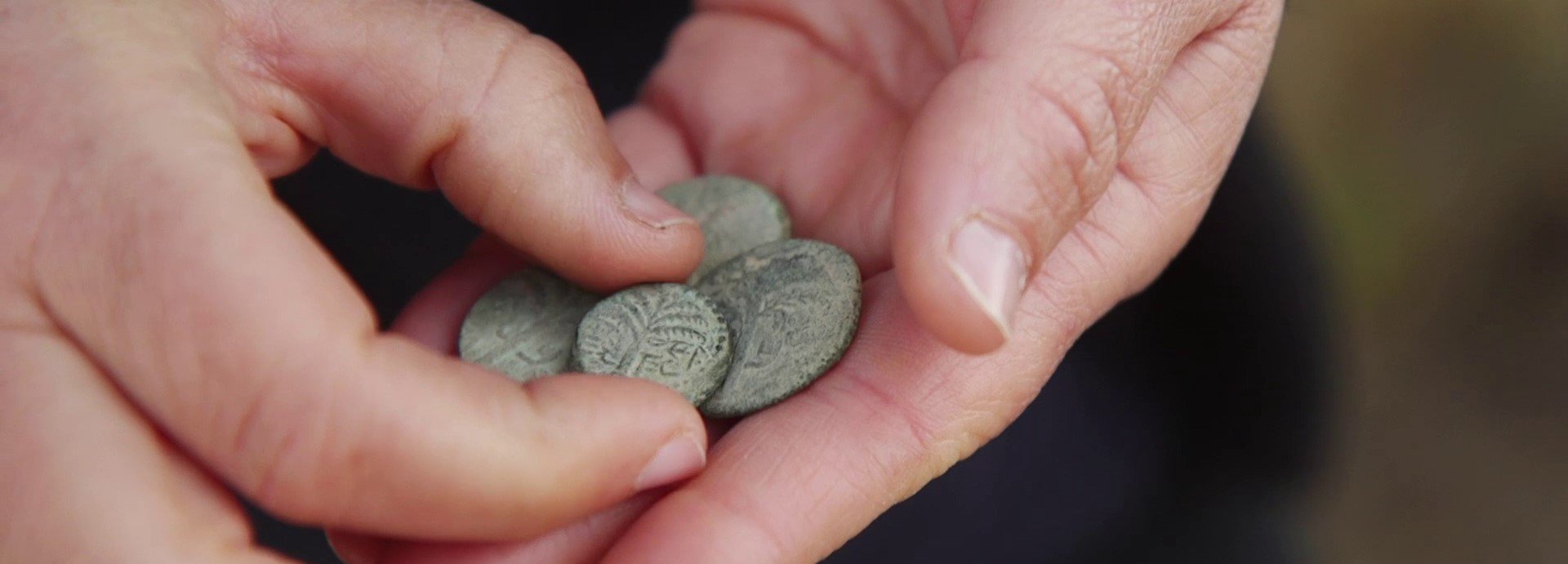
God tells Moses to count the children od Israel by asking each person to give half a shekel to the Mishkan. The rich are not to give more and the poor are not to give less, as it is a donation and a memorial in the tent of meeting.
More About the Mishkan
God tells Moses to create a brass washing station for the entrance to the Mishkan so that the priests can wash their hands and feet. He commands Moses to take huge amount myrrh, cinnamon, calamus, cassia, and olive oil to create a holy anointing oil to sanctify all the vessels in the Mishkan and also the priests.
God appoints people by name to create the vessels for the Sanctuary.
He again commands Moses and the people to keep the Sabbath day as a covenant for eternity.
At the end of their meeting on Mount Sinai, He gives Moses two tablets of stone which are written with the finger of God.
The Golden Calf
Moses is up on the mountain longer than the people expect, so they tell Aaron to make them a god they can worship because he has gone. Aaron tells the people to give him their gold; he melts it down and shapes it into a calf, telling the people that this is their new god. The next morning, the Israelites wake up early and make offerings to the calf.
God tells Moses to return from the mountain to see how corrupt the people have become. He wants to destroy them but Moses begs Him not to, so God changes His mind. Moses comes down the mountain holding the tablets God gave him, but he is so angry by what he sees that he smashes the tablets, then grinds up the calf and makes the errant people drink it. Aaron tells Moses that the people are evil and Moses tells them to repent. God tells Moses that He will not longer travel with the people.
The Tent of Meeting
Moses erects a tent of meeting; the people watch him enter and pillar of cloud – God – descends to sit outside it. Moses asks God to show him His face. God reassures Moses that He has singled him out by name and that He will favour him, show him mercy, and make great things happen because of him.
God tells Moses to make more stone tablets and prepare to come back up to the mountain. Moses ascends in a pillar of smoke for another 40 days. He commands Moses all the things that the people have to do to remain within His covenant, including: have no other gods, your firstborns are sanctified for me, keep the Sabbath, observe the holidays, bring the first fruits for me as a sacrifice.
Moses remains with God for 40 days and 40 nights during which time he does not eat or drink. When he finally descends the mountain, his face gives out beams of light, so he wears a veil around the Israelites as it scares