Search

Top Israeli Innovations Fighting Climate Change Around the World

The Start-Up Nation is Tackling Global Warming!

Did you know Israel is a world leader in creating new tech that’s fighting climate change around the globe? 

“Climate tech,” or sometimes called “cleantech,” is a rising industry in Israel, and it’s supported and promoted by the government and major research institutions, with significant backing from global investors. These environmentally-oriented startups and initiatives are tackling issues related to or contributing to global warming, to help make the planet a better place for everyone.

From renewable energy to reducing waste to saving the oceans, see some of our favorite Israeli-led projects below that are working towards a better future for all.


Reducing Waste

There are a number of Israeli tech companies and projects aimed at reducing and reusing waste, and sharing their innovations with the rest of the world.

Some of the most interesting initiatives are those that use waste to create sustainable production materials. For instance, the Israeli company UBQ Materials has come up with technology that turns regular household waste from landfills, which contribute to greenhouse gases, into eco-friendly thermoplastics – which can be substituted for the oil-based plastics that are currently used for so many everyday plastic items! This new, revolutionary material is already being used by several companies and producers around the world – for example McDonald’s has started making some of their plastic items like trays out of it.

UBQ’s factory in Israel makes eco-friendly plastic items out of recycled waste (Photo: UBQ)


Alternative Proteins

One often-overlooked aspect of global warming is that meat production is a major driver of worldwide greenhouse gas emissions, in addition to deforestation and the large amounts of land and water needed to raise cattle. However Israel, with its unique combination of entrepreneurial, “start-up nation” spirit and one of the most vegetarian- and vegan-friendly societies in the world, has been working on creating nutrient-rich and Earth-friendly alternatives to meat that even the most avowed carnivores will love.

One of the most exciting and talked-about brands in the Israeli food scene is Redefine Meat, which uses cutting-edge advanced technologies, including 3D printing, to create plant-based meat alternatives that are almost indistinguishable from the real thing. They even cook, sizzle, and smell the same!

And for meat made from meat itself, but still good for the planet, Israeli startups like Aleph Farms are creating lab-grown steaks – actual meat made from cow cells, with no cow raising or killing required.

There is even an Israeli-led initiative called VeganNation that aims to make vegan products and solutions accessible all over the world regardless of their origin – spreading climate-friendly technology and innovation to everyone who needs it.

Plant-based meat from Israeli startup Redefine Meat (Photo: Redefine Meat)


Renewable & Alternative Energy

Israel is one of the world leaders in renewable energy technology, turning solar power, wind, and even ocean waves into affordable and clean energy. Israeli startups also work with countries and companies around the world to maximize and streamline these technologies.

And for an even more unique solution, the Israeli innovative company HomeBiogas turns everyday waste into energy, by using bacteria to break it down in order to create eco-friendly gas and fertilizer. What’s more, the technology has a very affordable set-up that has now been deployed in a number of communities in need across Africa, Asia, and Latin America.

Some of the communities around the world using portable kits from HomeBiogas to turn household waste into energy (Photos: HomeBiogas)


Saving the Oceans

Overfishing is a huge issue around the world that is destroying marine ecosystems and depleting marine species, which are essential to sustaining all life on earth; yet at the same time, global demand for fish as food keeps rising, particularly as the human population continues to grow.

The Israeli startup Sea2Cell, in partnership with Prof. Berta Levavi-Sivan, a world-renowned researcher of aquaculture at Hebrew University, is aiming to mitigate the demand for fish food without affecting our seas and oceans. Their solution: lab-grown fish meat that’s just like the real thing, but cultivated and grown in tanks instead of taking from our natural waters.

Another problem facing the world’s oceans is the destruction of coral reefs as a result of rising water temperatures and changes in sea level, currents, and storm patterns due to global warming. The coral reefs themselves are key to global biodiversity, and providing habitats for fish.

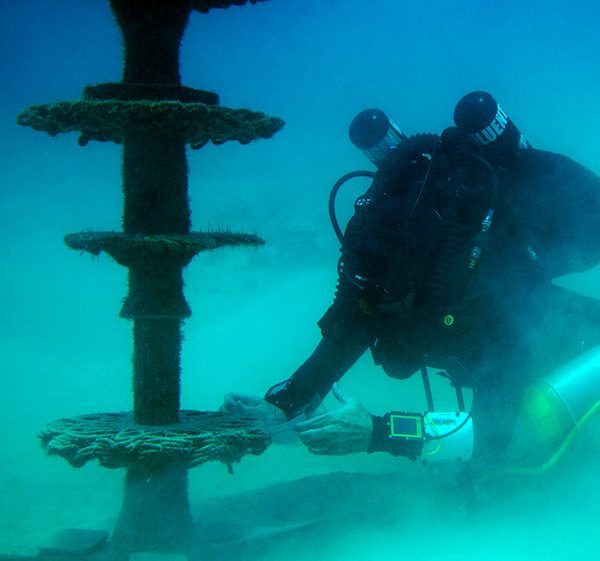
A research team of both marine biologists and designers, headed by Prof. Ezri Terzi from Israel’s Technion Institute of Technology, is now creating and experimenting with 3D-printed coral reefs as part of a project called xCoral, with the goal of replacing some of the lost reefs around the world. 

Israeli scientist installing a 3D printed coral reef as part of the xCoral project (Photo: Technion)

Are you proud of Israeli innovation and the Jewish nation’s special dedication to helping the world? Show off your Jewish and Israeli pride with these top gifts from the Land of Israel!

JWS POST YOU MAY LIKE

Round challah for Rosh Hashanah with honey
Round Challah for Rosh Hashanah with Honey
Rosh Hashanah recipes
What Are the Best Rosh Hashanah Recipes for a Sweet New Year?
When is Rosh Hashanah in 2026? In 2026, Rosh Hashanah begins at sundown on Friday, September 11, and ends at nightfall on Sunday, September 13. It falls on 1–2 Tishrei 5787 in the Hebrew calendar. Food plays a central role in Rosh Hashanah observance and tradition, with rich symbolism woven
A Jewish man blowing the Shofar (ram's horn), which is used to blow sounds on Rosh HaShana (the Jewish New Year) and Yom Kippur (day of Atonement)
Rosh Hashanah in the Bible: Origins of the Jewish New Year
Rosh Hashanah – the Jewish New Year, coming up September 11-12, 2026 – is one of the most important and widely celebrated holidays in Judaism. But while many are familiar with its modern customs, from apples dipped in honey to the sounding of the shofar, fewer know about its biblical
Rosh Hashanah fun for kids
Rosh Hashanah Activities for Kids: Fun & Meaningful Holiday Ideas
Looking for fun ways to keep kids busy this Rosh Hashanah? Discover hands-on crafts, apple-and-honey taste tests, family games and creative activities you can make with AI – all designed to bring more fun and meaning to the holiday.
Pomegranates for Rosh Hashanah
Why Do We Eat Pomegranates on Rosh Hashanah?
Pomegranates are a popular fruit to eat during Rosh Hashanah and a significant symbol in Judaism year-round, often gracing Judaica and Jewish jewelry. Since Rosh Hashanah 2026 begins on September 11 at sundown, now is the perfect time to learn more about the significance and symbolism of the pomegranate in Judaism and Rosh Hashanah!
A Jewish man blowing the Shofar (ram's horn), which is used to blow sounds on Rosh HaShana (the Jewish New Year) and Yom Kippur (day of Atonement)
From Reflection to Renewal: The Deep Meaning of Yom Kippur
Yom Kippur, the Day of Atonement, is the holiest day of the Jewish year: a time of reflection, forgiveness, and renewal. In 2026, it begins at sundown on Sunday, September 20, and lasts through the following evening. Marked by fasting, prayer, and other austere restrictions, Yom Kippur is often seen