Before we get into that, however, it is crucial to understand what Shavuot really is.


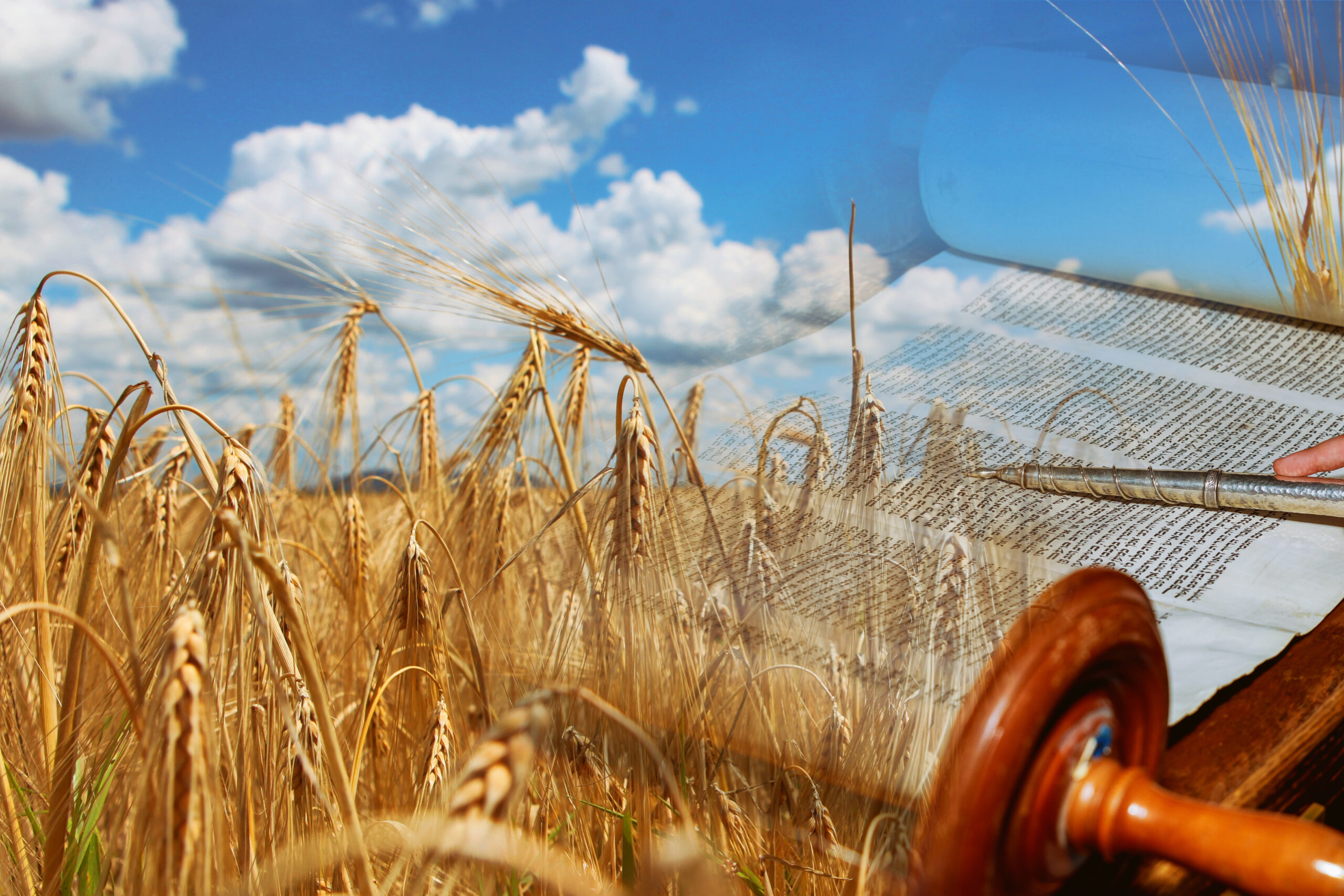
The Jewish holiday of Shavuot is a celebration of the giving of the Torah on Mt. Sinai, and is a major holiday on the same level as Passover or Rosh Hashanah, though unfortunately not as well understood. Its name, literally translating as “Weeks” is a reference to the commandment of counting the Omer for seven weeks following Passover. This relationship between Passover and Shavuot is not only a matter of time-keeping, but a process of personal and national growth; Passover represents liberation when the Israelites left Egypt, but it took those 50 days to mature enough to be able to accept the Torah. The holiday commemorates the monumental event of the Israelites receiving the Torah over 3,300 years ago at the outset on the road to the promised Land of Israel. Each year, we not only remember this as a history, but experience it in some way as well.
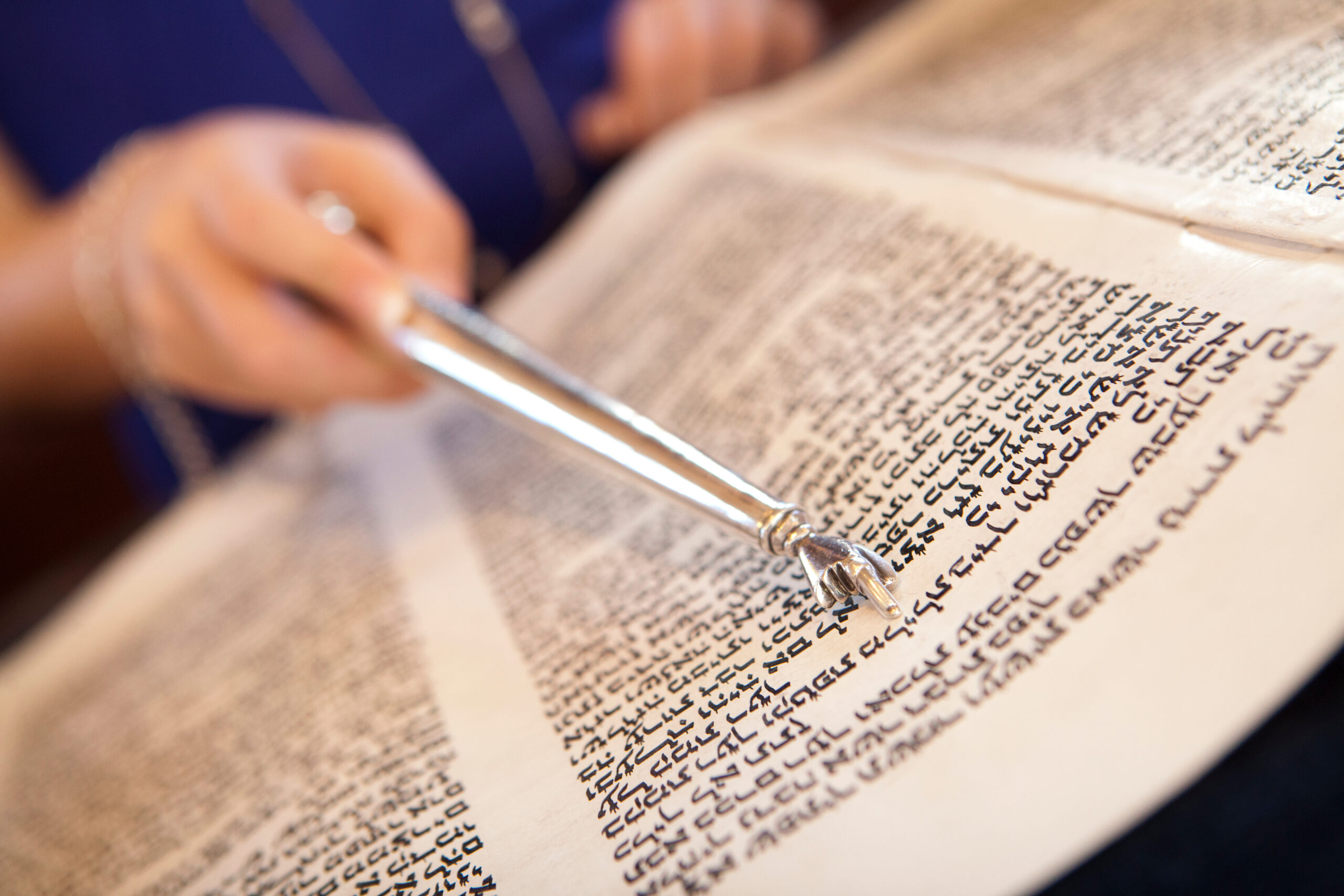
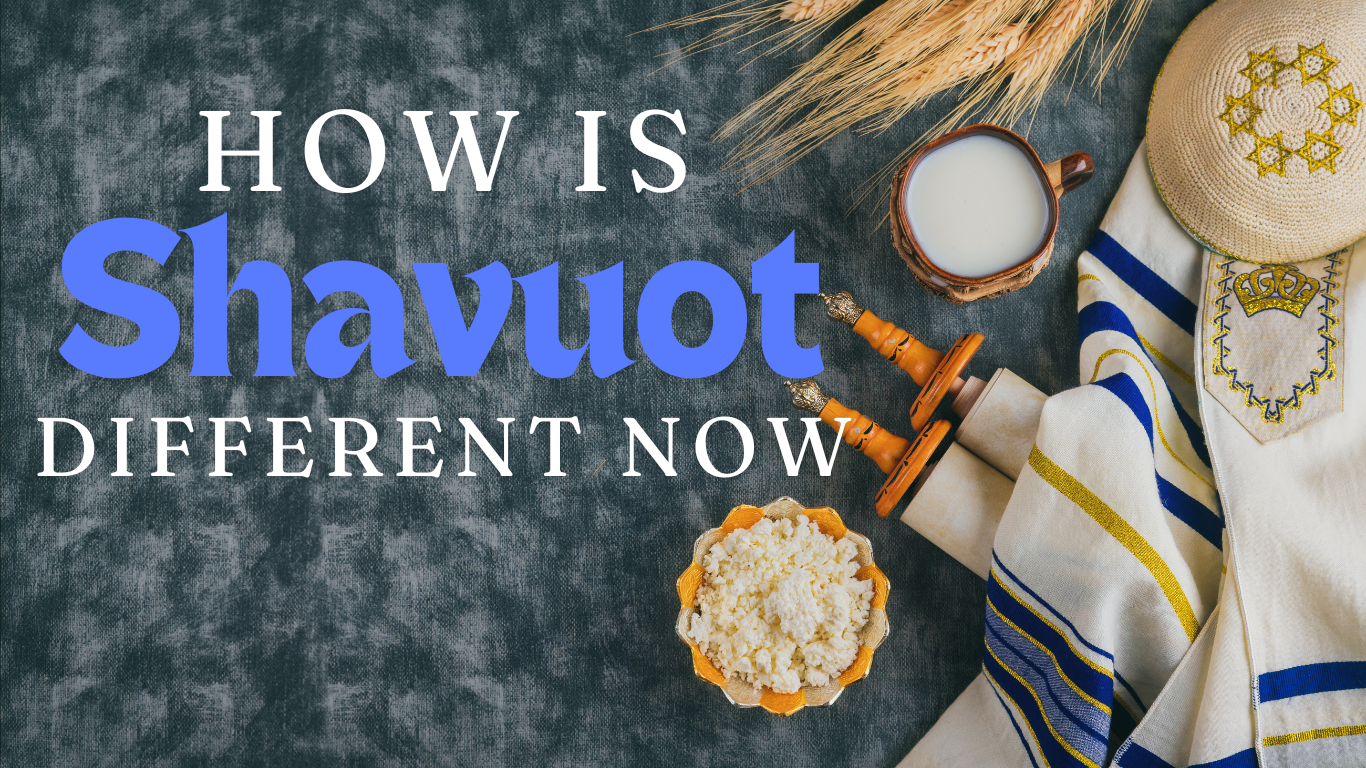
In modern observance, Shavuot is often marked by communal gatherings and all-night study sessions (Tikkun Leil Shavuot), a recitation of the Book of Ruth, and festive meals notably featuring dairy foods symbolizing the birth of the Jewish nation on Mount Sinai. At its core, the holiday signifies the Jewish people's acceptance of the Torah, a covenant that binds them to God and establishes their distinct identity and philosophical framework. It is these points that will likely ring truer to home this year than in recent memory.


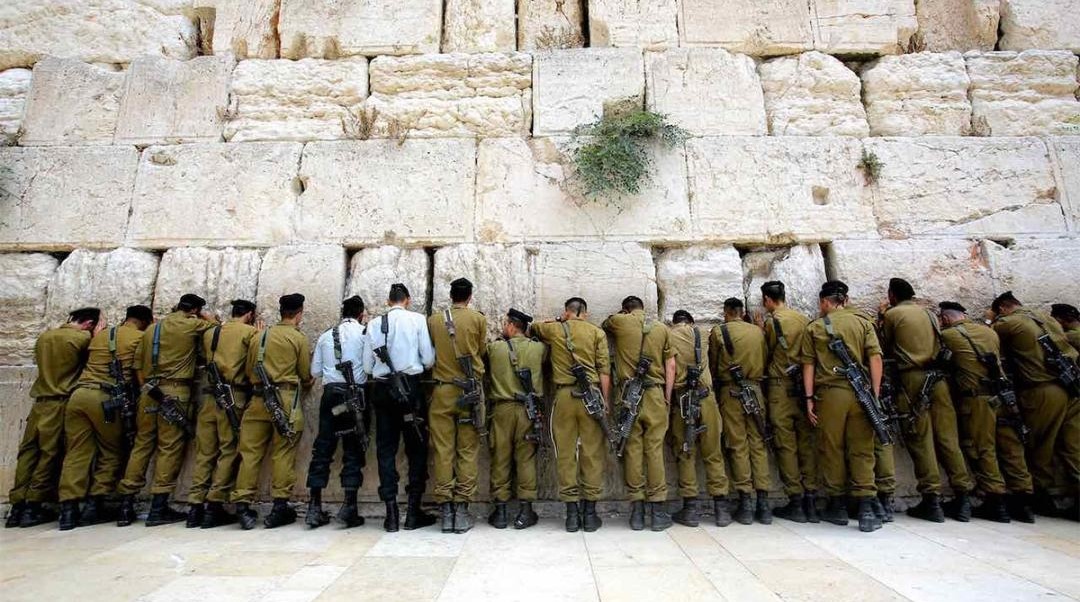
The current conflict has not only tested the resilience of Jewish communities but has also reinforced their commitment to their shared heritage and values. Around the world, Jews have been increasing their communal observance in shul services, Torah learning, and visible expressions of their unique identity. Looking now at the undeniable strengthening of the Jewish spirit against outside forces, this year Shavuot will be an opportunity to tap into that same sense of nationhood and renewed connections.
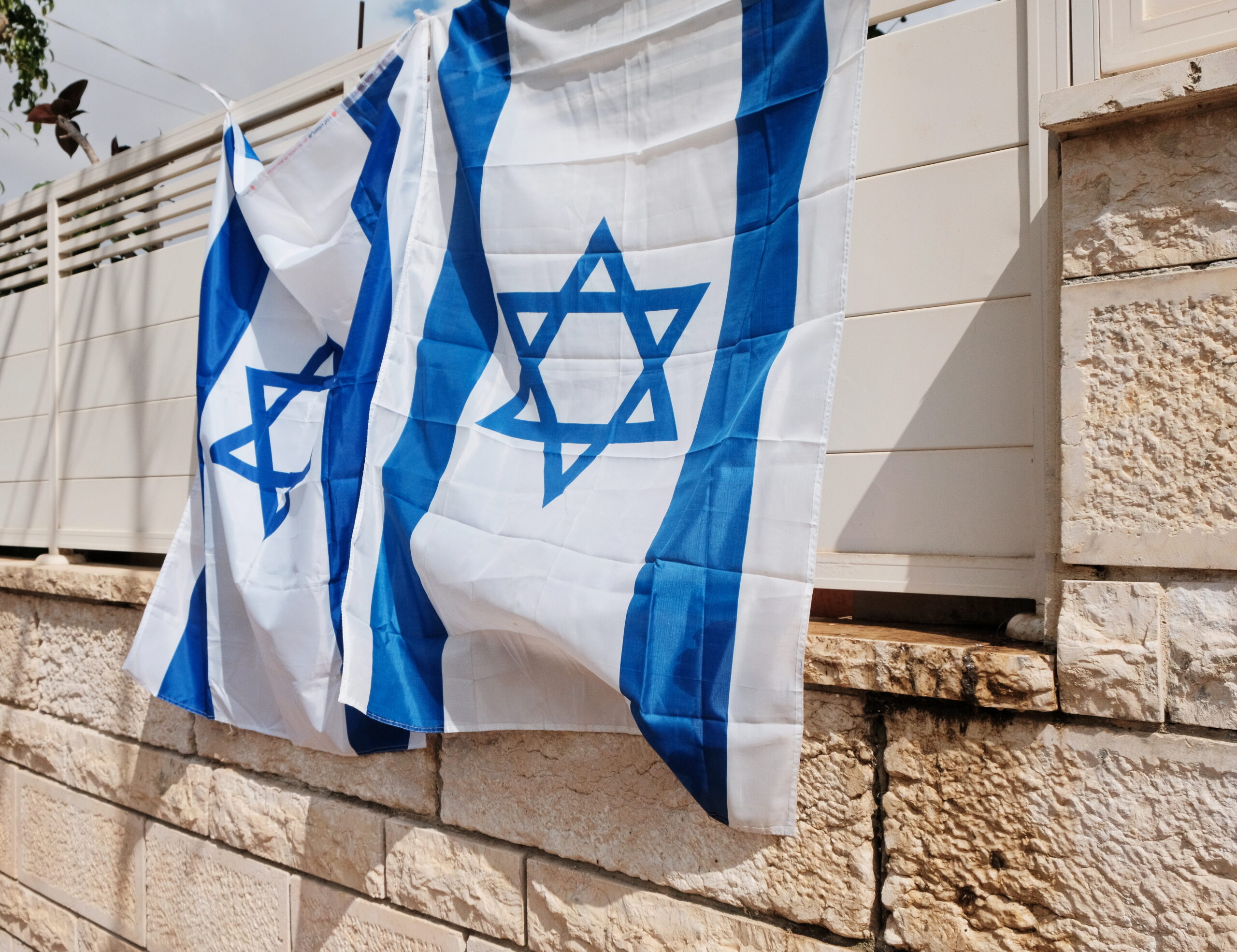
The war has also brought about a sense of what it means to be part of the Jewish people, no matter where each Jewish person was before. In many ways, the conflict has underscored the importance of maintaining a strong, cohesive community when unfortunately many Jews came to see that neighbors, fellow students or old friends would not stand alongside them in a time of need. As Jews around the world gather to read the Book of Ruth, which is traditionally read on Shavuot and highlights themes of an outsider accepting the Torah out of a sense of love and truth, they find parallels in their contemporary experience. The story of Ruth, a Moabite woman who embraces the Jewish faith and people, resonates deeply this year, as many Jews are reminded of the inclusive and welcoming nature that a good community should have.
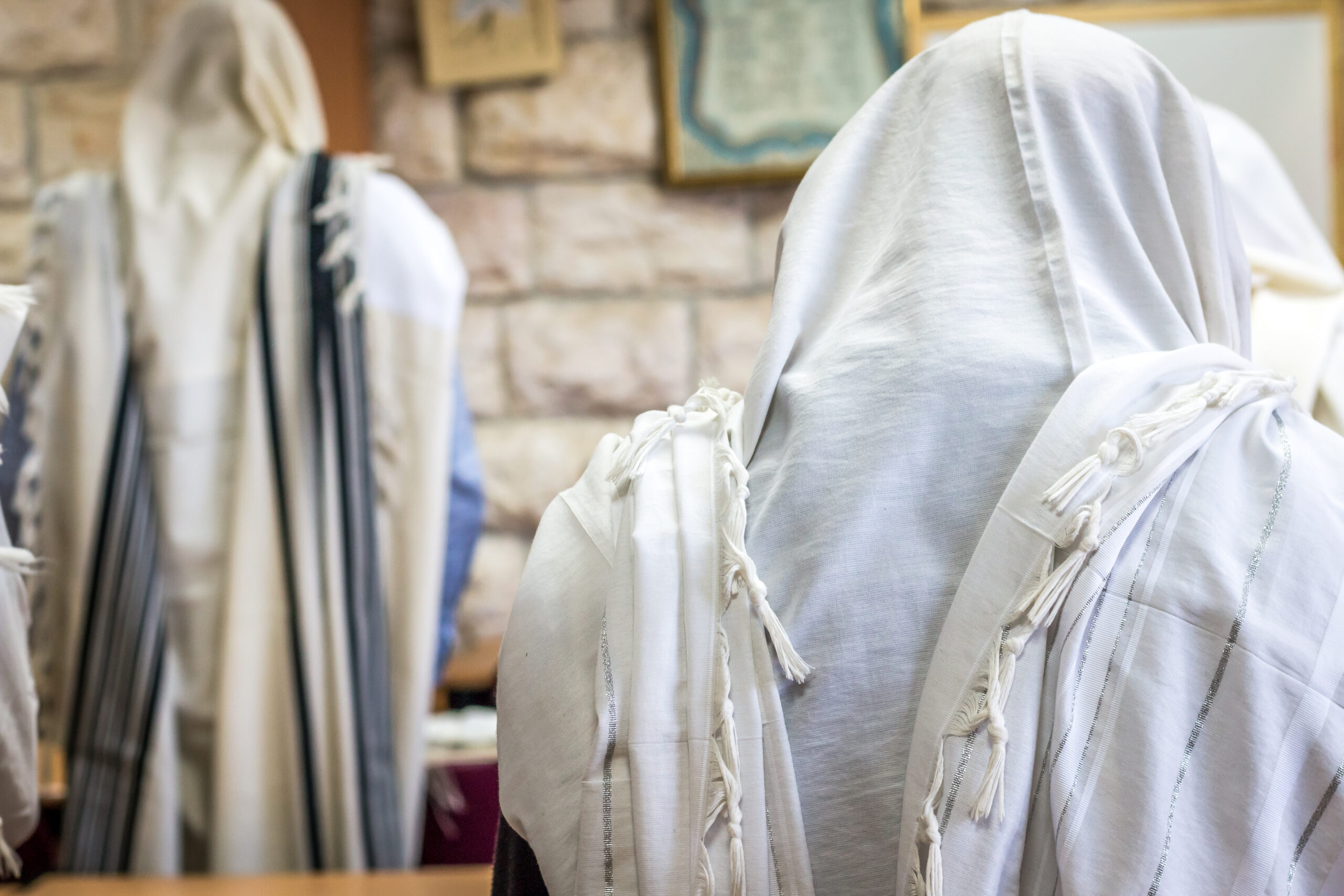
In particular, on the morning of Shavuot, because the custom is to stay up all night learning Torah, it is typical that Bircat Hashachar, the morning brachas, are read aloud by one designated person on behalf of the congregation, since they should be said upon waking up. This gives added salience to the one bracha ending “...matir asurim”, in English “who frees the bound”. This blessing that’s a part of Bircat Hashachar can relate to freeing one’s mind or even be intended for ease in childbirth, but also literally a prayer to God for releasing people from captivity. Given that mere days before Shavuot 2024, there was a major hostage rescue, there is more reason than ever to have this intention while saying the morning blessings.
In Israel, where the impact of the conflict is most acutely felt, Shavuot celebrations will be marked by a blend of joy and somber reflection. It is the last holiday on the Jewish calendar in a year marked by struggle that brings about Jewish unity, Shavuot is a reminder that the Jews have seen great strife before, but came out the other end as a God’s chosen nation.
In a time of conflict, the Torah's teachings provide a source of strength and unity, reminding the Jewish people of their unique identity and the enduring values that have sustained them through millennia. This Shavuot, the Jewish community stands resilient and united, finding new ways to connect with their heritage and each other, and demonstrating that even in the face of adversity, the spirit of the Torah and new beginnings continues to illuminate their path.