Search

Why Do We Put Mezuzahs On Our Doors?

Why Every Jewish Home Has a Mezuzah on the Door

Discover the meaning of the mezuzah, its Biblical origins, spiritual significance, and why Jews place it on their doorposts for tradition and protection!


The Meaning Behind the Mezuzah: Why It Goes on the Doorpost


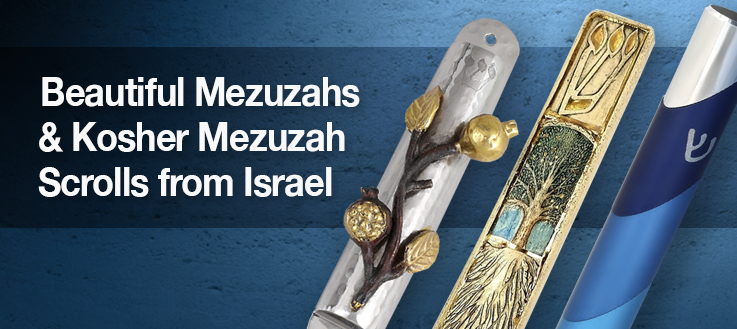
Shop mezuzahs from Israel


If you've ever noticed a small decorative case on the doorposts of Jewish homes—often tilted and easy to miss—you've seen a mezuzah! This ancient tradition is more than just a symbol of Jewish identity; it has deep roots in history, faith, and meaning.

The origin of the mezuzah goes all the way back to the Torah. In the book of Deuteronomy, we’re commanded to “write these words upon the doorposts (mezuzot) of your house and on your gates” (Deuteronomy 6:9, 11:20).

The “words” referred to the verse are the Shema—Judaism’s central declaration of faith in one God—and a reminder of the covenant between God and the Jewish people. These verses are handwritten on a small mezuzah scroll (klaf) by a trained scribe and placed inside the mezuzah case.
 

Shop mezuzahs from Israel
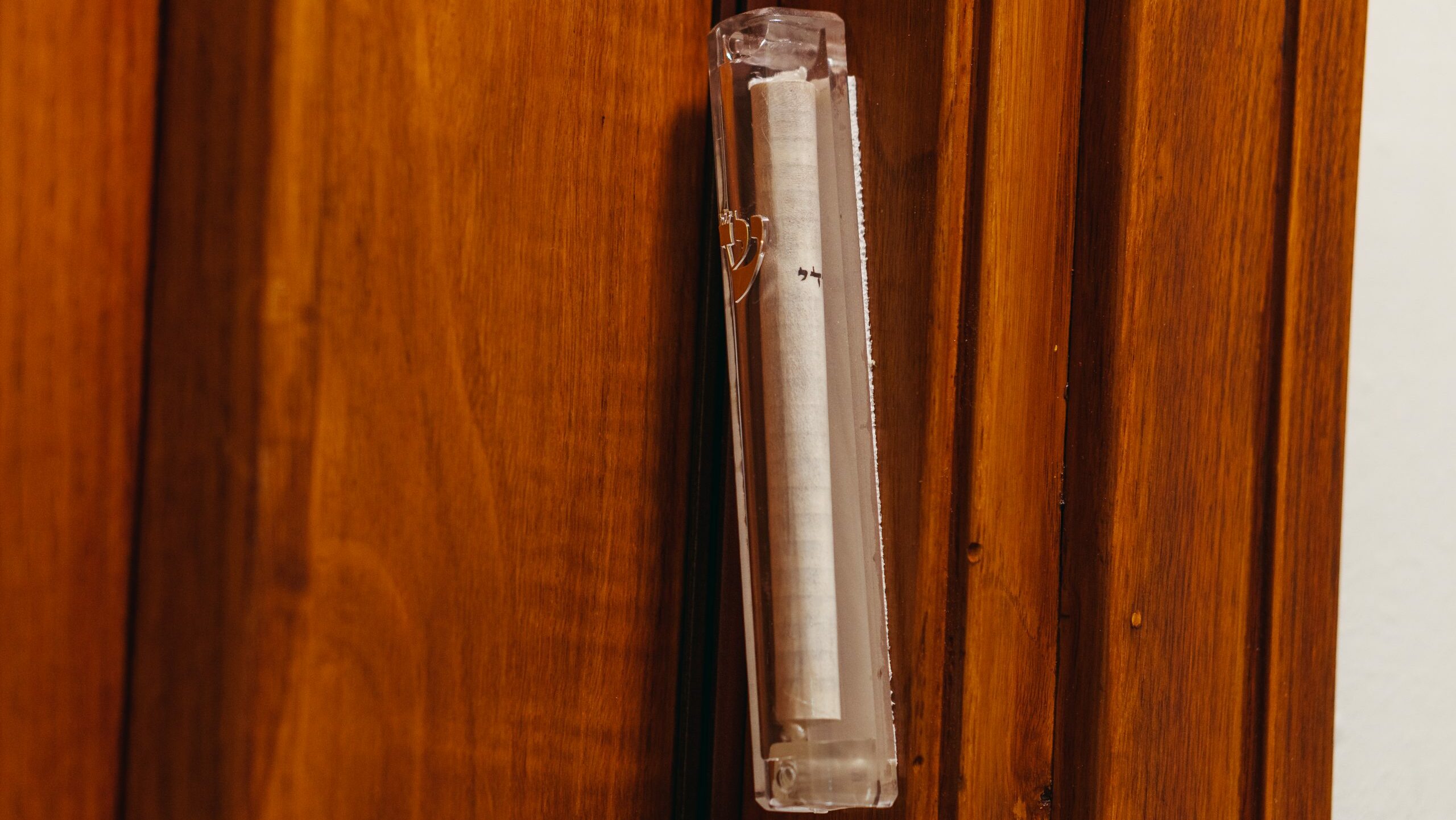
A mezuzah affixed to a doorpost of a Jewish home, with a mezuzah scroll inside


But for many Jews today, the mezuzah is more than just an ancient commandment. It's a link to our heritage—a way to express who we are, even if we’re not strictly observant. Traditionally, some believe that having a mezuzah on your door brings shmirah, or Divine protection, over the home and all who dwell within. In times of uncertainty, that belief can feel deeply comforting, even if taken in a symbolic or spiritual sense.

Modern Jewish life has embraced the mezuzah not only as a sacred object but also as a form of personal expression. Designer mezuzah cases come in all styles—elegant, playful, minimalist, artistic—each one an opportunity to reflect the soul of your home. But what really makes a mezuzah meaningful is what’s inside: a kosher scroll, written in the same script used for centuries, keeping the tradition alive.

Many Jews affix a mezuzah to the front doors of their homes as well as on the doors of every room inside besides the bathroom. You will also find mezuzahs on the doors of synagogues, Jewish institutions, and many Jewish-owned businesses and offices—and in Israel, most public buildings and even hotel rooms have them!
 

Shop mezuzahs from Israel
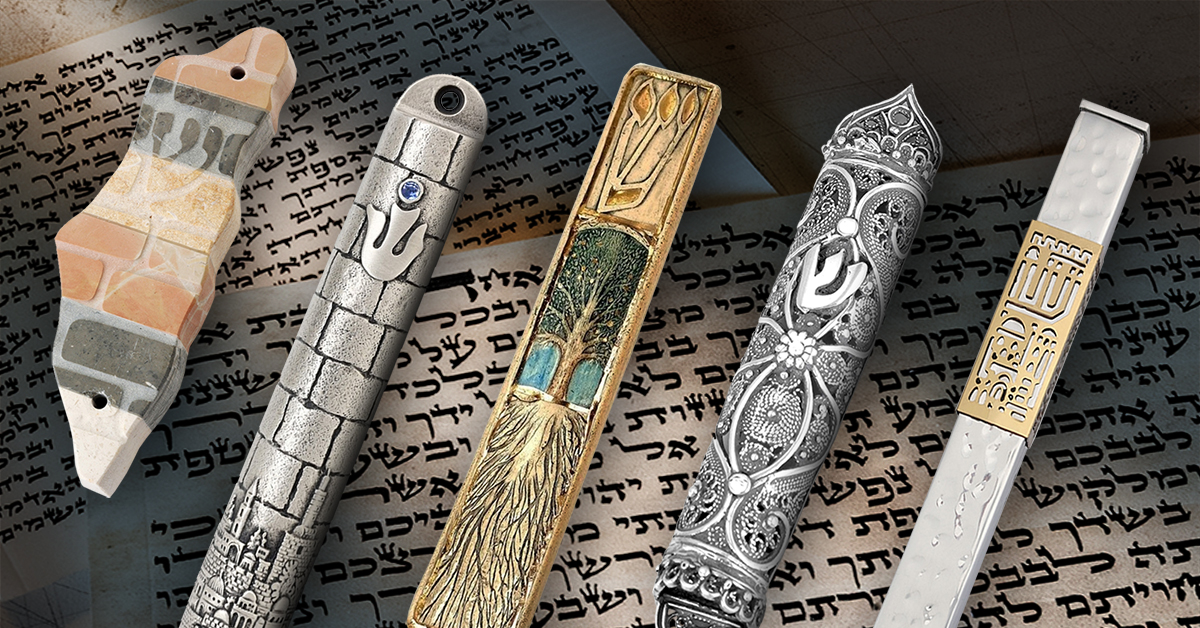
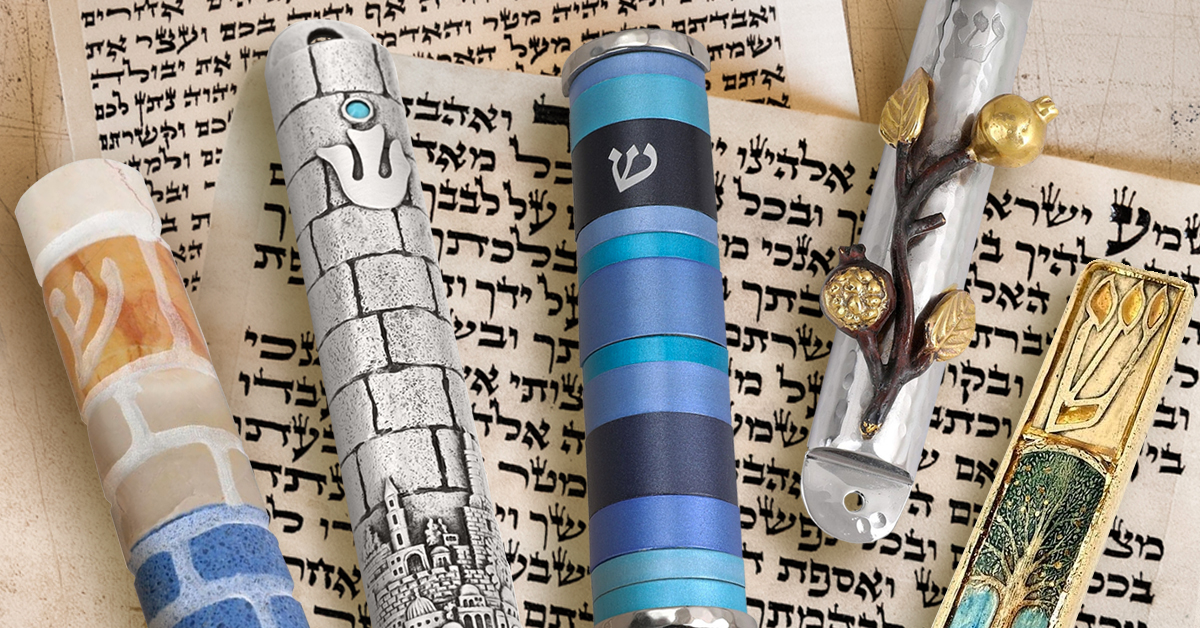
An assortment of artistic mezuzah cases and kosher mezuzah scrolls


Whether you're looking to reconnect with Jewish tradition, bring a sense of purpose to your space, or simply make your doorway feel more like home, putting up a mezuzah is a beautiful step.

Explore our collection of designer mezuzah cases and kosher mezuzah scrolls from Israel, and bring a piece of Jewish spirit into your home today!

btn
Mezuzahs-22_category_mobile (1)

JWS POST YOU MAY LIKE

Round challah for Rosh Hashanah with honey
Round Challah for Rosh Hashanah with Honey
Rosh Hashanah recipes
What Are the Best Rosh Hashanah Recipes for a Sweet New Year?
When is Rosh Hashanah in 2026? In 2026, Rosh Hashanah begins at sundown on Friday, September 11, and ends at nightfall on Sunday, September 13. It falls on 1–2 Tishrei 5787 in the Hebrew calendar. Food plays a central role in Rosh Hashanah observance and tradition, with rich symbolism woven
A Jewish man blowing the Shofar (ram's horn), which is used to blow sounds on Rosh HaShana (the Jewish New Year) and Yom Kippur (day of Atonement)
Rosh Hashanah in the Bible: Origins of the Jewish New Year
Rosh Hashanah – the Jewish New Year, coming up September 11-12, 2026 – is one of the most important and widely celebrated holidays in Judaism. But while many are familiar with its modern customs, from apples dipped in honey to the sounding of the shofar, fewer know about its biblical
Rosh Hashanah fun for kids
Rosh Hashanah Activities for Kids: Fun & Meaningful Holiday Ideas
Looking for fun ways to keep kids busy this Rosh Hashanah? Discover hands-on crafts, apple-and-honey taste tests, family games and creative activities you can make with AI – all designed to bring more fun and meaning to the holiday.
Pomegranates for Rosh Hashanah
Why Do We Eat Pomegranates on Rosh Hashanah?
Pomegranates are a popular fruit to eat during Rosh Hashanah and a significant symbol in Judaism year-round, often gracing Judaica and Jewish jewelry. Since Rosh Hashanah 2026 begins on September 11 at sundown, now is the perfect time to learn more about the significance and symbolism of the pomegranate in Judaism and Rosh Hashanah!
A Jewish man blowing the Shofar (ram's horn), which is used to blow sounds on Rosh HaShana (the Jewish New Year) and Yom Kippur (day of Atonement)
From Reflection to Renewal: The Deep Meaning of Yom Kippur
Yom Kippur, the Day of Atonement, is the holiest day of the Jewish year: a time of reflection, forgiveness, and renewal. In 2026, it begins at sundown on Sunday, September 20, and lasts through the following evening. Marked by fasting, prayer, and other austere restrictions, Yom Kippur is often seen