Search

17th of Tammuz: Mourning Jerusalem

A Day for Somberly Commemorating the Roman Attack on Jerusalem 2,000 Years Ago

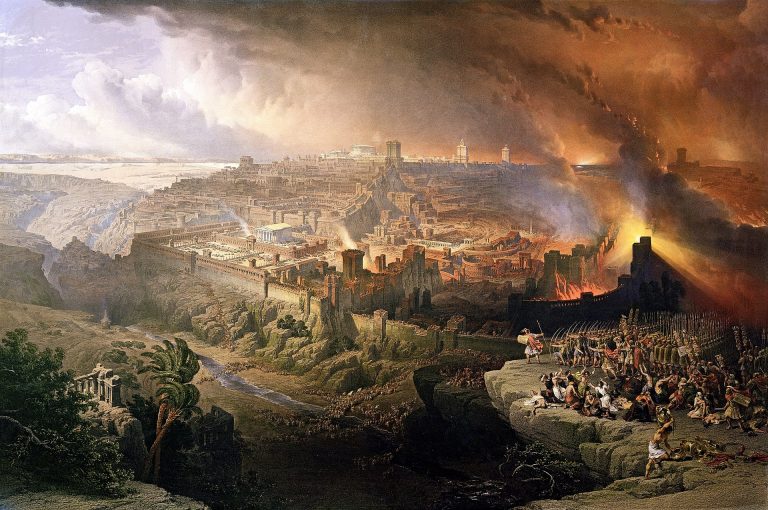
Today, July 13, 2025, marks the Fast of the 17th day of the Hebrew month of Tammuz, a very somber date in the Jewish calendar. It commemorates the Roman attack on the city of Jerusalem in 70 CE and the breach of the walls of the city – which would ultimately lead to the destruction of the Second Temple three weeks later, on the day we know as Tisha B’Av.

The 17th of Tammuz is also the beginning of a widely-observed period of mourning and reflection leading up to Tisha B’Av itself, commonly referred to as simply “the Three Weeks.” During the Three Weeks, many religious Jews refrain from getting haircuts, listening to music, going on vacations, getting married or having parties, and other celebratory acts in order to remember the destruction of Jerusalem and to get into the serious and somber spirit of Tisha B’Av.

Artist’s depiction of the Roman attack on the city of Jerusalem
Multiple historic calamities on the 17th of Tammuz
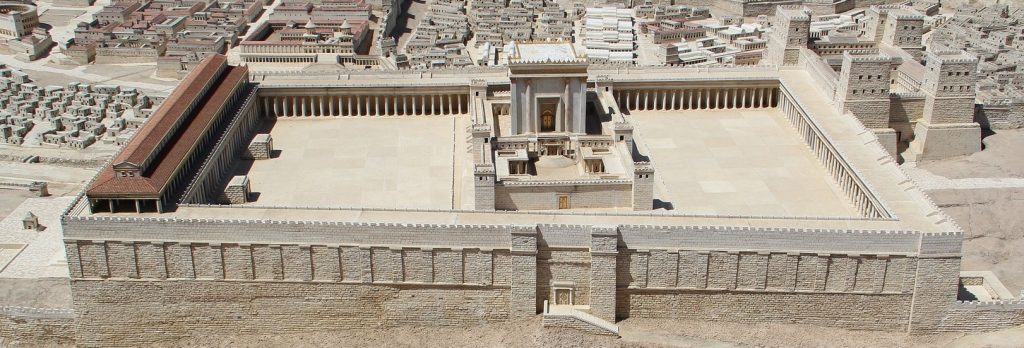
temple-closeup-624x466

According to the Mishnah (the Oral Torah, part of the Talmud), several other calamities also happened on this day throughout ancient Jewish history, making it even more poignant and somber.

For instance, it is believed that the 17th of Tammuz saw an infamous incident where the First Temple was defiled with an idol, a cause for mourning before even the Temple was destroyed.

Jewish tradition also says that this was the day Moses threw down and smashed the first pair of the Ten Commandments tablets he received at Mount Sinai from God. Moses was so enraged at seeing the Jewish people worship a golden calf that he destroyed the tablets; he then received a second set of the Ten Commandments, which would end up being stored along with the broken pieces of the first set inside the Ark of the Covenant.

While we know historically that the walls of Jerusalem were breached on the 17th of Tammuz by the Roman army before the destruction of the Second Temple, the Jerusalem Talmud also connects this date to the Babylonian siege on the Holy City that led to the destruction of the First Temple centuries earlier. The Book of Jeremiah gives a different date for the Babylonian breach of the city walls, but the Jerusalem Talmud says that the people were so troubled by this devastating event that it’s possible the dates have been incorrectly recorded.

The Roman siege on Jerusalem began in 70 CE on the 17th of Tammuz, and while it culminated in the destruction of the Holy Temple on Tisha B’Av (the ninth of the Hebrew month of Av), that was not the end of Roman violence or persecution against the Jewish people in Judea.

The Mishnah in fact gives another example of Roman violence coinciding with the date of Tammuz 17: it is said that the Roman military leader Apostomus burned a Torah scroll on this day as part of his campaign of oppression before the Bar Kokhba revolt of 132-136 CE.

btn
Commemorating Jerusalem
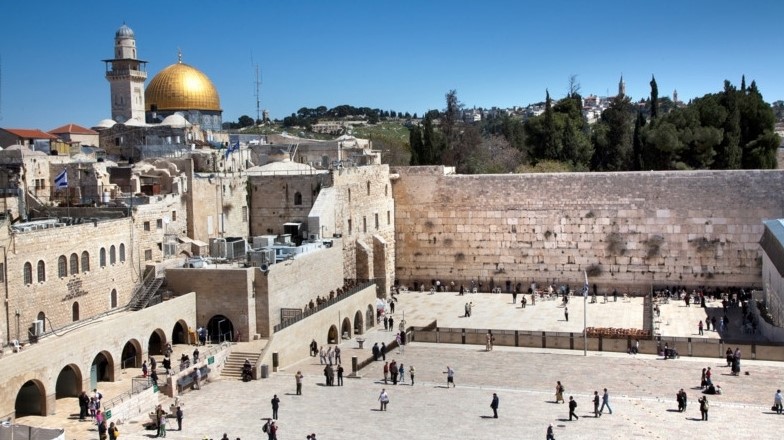
kotel_temple_mount_-_jerusalem_poster

The 17th of the Hebrew month of Tammuz is observed by many Jews around the world till this day. It’s a somber occasion used to commemorate and remember Jerusalem, in addition to marking the beginning of the reflective, mournful period of the “Three Weeks” leading up to Tisha B’Av.

The traditional way to observe this poignant day is through fasting – by refraining from all food and drink from daybreak until nightfall – as well as via personal repentance, prayer, and mourning.

However, since this is a “minor” fast in Jewish law, it is not a full 25 hours (like Yom Kippur or Tisha B’Av), and there are many exemptions that can excuse one from fasting such as for heath reasons. Not all Jews observe the fast, and some only do a half-day fast or only abstain from certain things – for example might not eat food but continue to drink liquids.

Whether your personal tradition includes fasting on the 17th of Tammuz or not, we should all remember and honor Jerusalem on this day. Falling on July 13th this year on the secular calendar, it’s a great opportunity to reflect, perhaps say a few additional prayers, and commemorate the City of Jerusalem and the powerful symbolism and meaning of our ancient Temple.


You can remember Jerusalem and the Holy Temple every day of the year with our beautiful Jerusalem gifts, lovingly made right in the Land of Israel. Shop our collection here, or check out our top 15 favorites here!

btn
Jerusalem-Gifts-CAT-M-2021

JWS POST YOU MAY LIKE

Round challah for Rosh Hashanah with honey
Round Challah for Rosh Hashanah with Honey
Rosh Hashanah recipes
What Are the Best Rosh Hashanah Recipes for a Sweet New Year?
When is Rosh Hashanah in 2026? In 2026, Rosh Hashanah begins at sundown on Friday, September 11, and ends at nightfall on Sunday, September 13. It falls on 1–2 Tishrei 5787 in the Hebrew calendar. Food plays a central role in Rosh Hashanah observance and tradition, with rich symbolism woven
A Jewish man blowing the Shofar (ram's horn), which is used to blow sounds on Rosh HaShana (the Jewish New Year) and Yom Kippur (day of Atonement)
Rosh Hashanah in the Bible: Origins of the Jewish New Year
Rosh Hashanah – the Jewish New Year, coming up September 11-12, 2026 – is one of the most important and widely celebrated holidays in Judaism. But while many are familiar with its modern customs, from apples dipped in honey to the sounding of the shofar, fewer know about its biblical
Rosh Hashanah fun for kids
Rosh Hashanah Activities for Kids: Fun & Meaningful Holiday Ideas
Looking for fun ways to keep kids busy this Rosh Hashanah? Discover hands-on crafts, apple-and-honey taste tests, family games and creative activities you can make with AI – all designed to bring more fun and meaning to the holiday.
Pomegranates for Rosh Hashanah
Why Do We Eat Pomegranates on Rosh Hashanah?
Pomegranates are a popular fruit to eat during Rosh Hashanah and a significant symbol in Judaism year-round, often gracing Judaica and Jewish jewelry. Since Rosh Hashanah 2026 begins on September 11 at sundown, now is the perfect time to learn more about the significance and symbolism of the pomegranate in Judaism and Rosh Hashanah!
A Jewish man blowing the Shofar (ram's horn), which is used to blow sounds on Rosh HaShana (the Jewish New Year) and Yom Kippur (day of Atonement)
From Reflection to Renewal: The Deep Meaning of Yom Kippur
Yom Kippur, the Day of Atonement, is the holiest day of the Jewish year: a time of reflection, forgiveness, and renewal. In 2026, it begins at sundown on Sunday, September 20, and lasts through the following evening. Marked by fasting, prayer, and other austere restrictions, Yom Kippur is often seen