Search
Shavuot

Everything You Need to Know About Shavuot

Shavuot 2026 is coming! 

The holiday starts at sundown on Thursday, May 21, and lasts through the following day in Israel and for two days in the diaspora – so now’s the time to brush up on the origins and customs of the holiday with this Shavuot 101 guide!

Shavuot is a Jewish holiday that is observed on the 6th of the Hebrew month of Sivan, which often occurs in May or June. This year Shavuot will begin at sundown on Thursday, May 21, 2026, and will be observed for one day in Israel and for two days in traditional communities elsewhere.

While the ancient festival has Biblical origins as a grain harvest holiday, and traditionally marks the conclusion of the Counting of the Omer and the passing of seven weeks after Passover, many other customs – like celebrating the giving of the Torah at Mount Sinai and eating dairy foods – have developed over time.

Shavuot is also one of the Jewish holidays that many people often know the least about. Whether this is your first Shavuot or your 50th, read on to learn more about the history of this fascinating holiday, as well as how it’s celebrated in modern times in Israel and around the world!

What Is Shavuot?
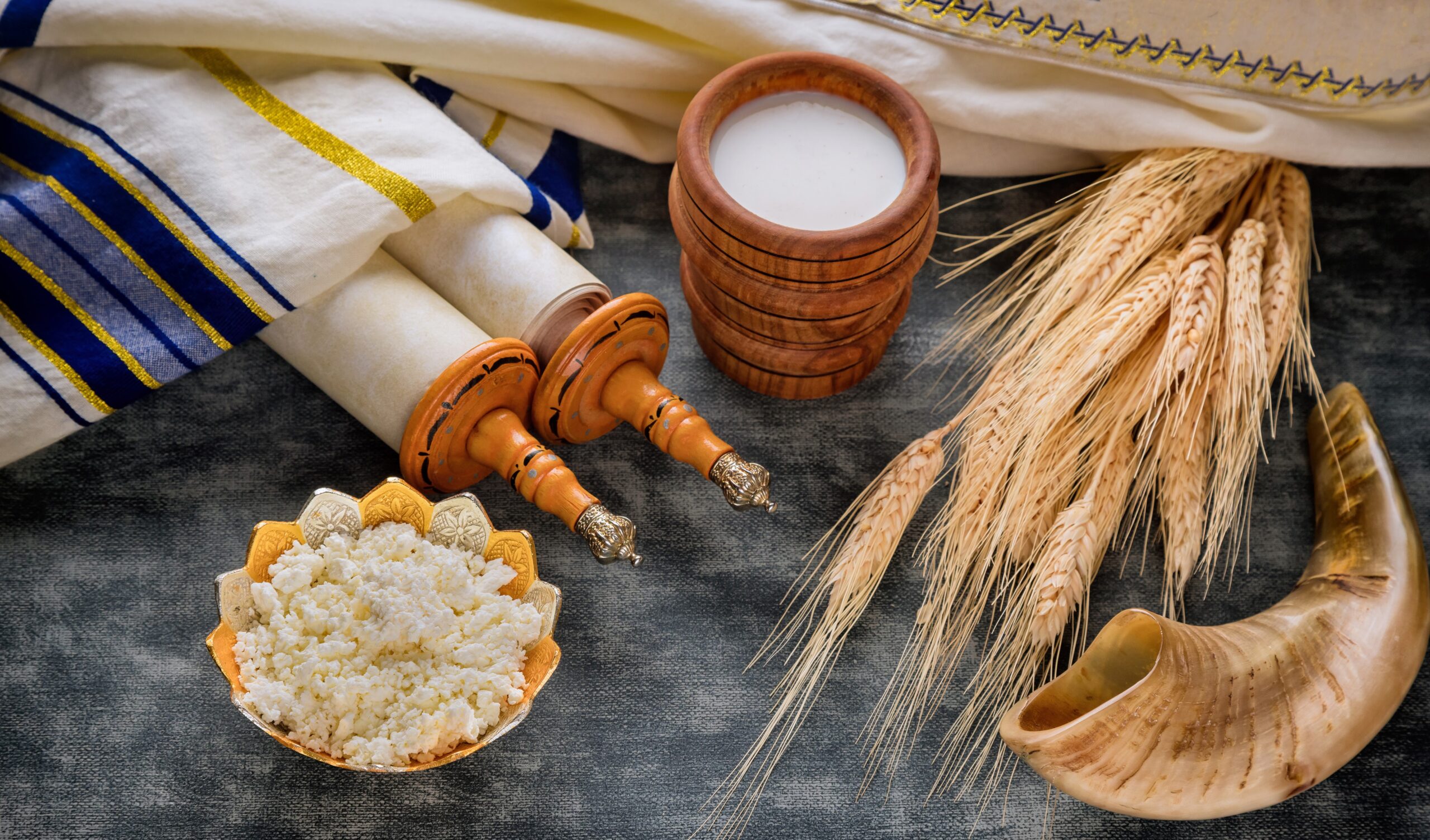
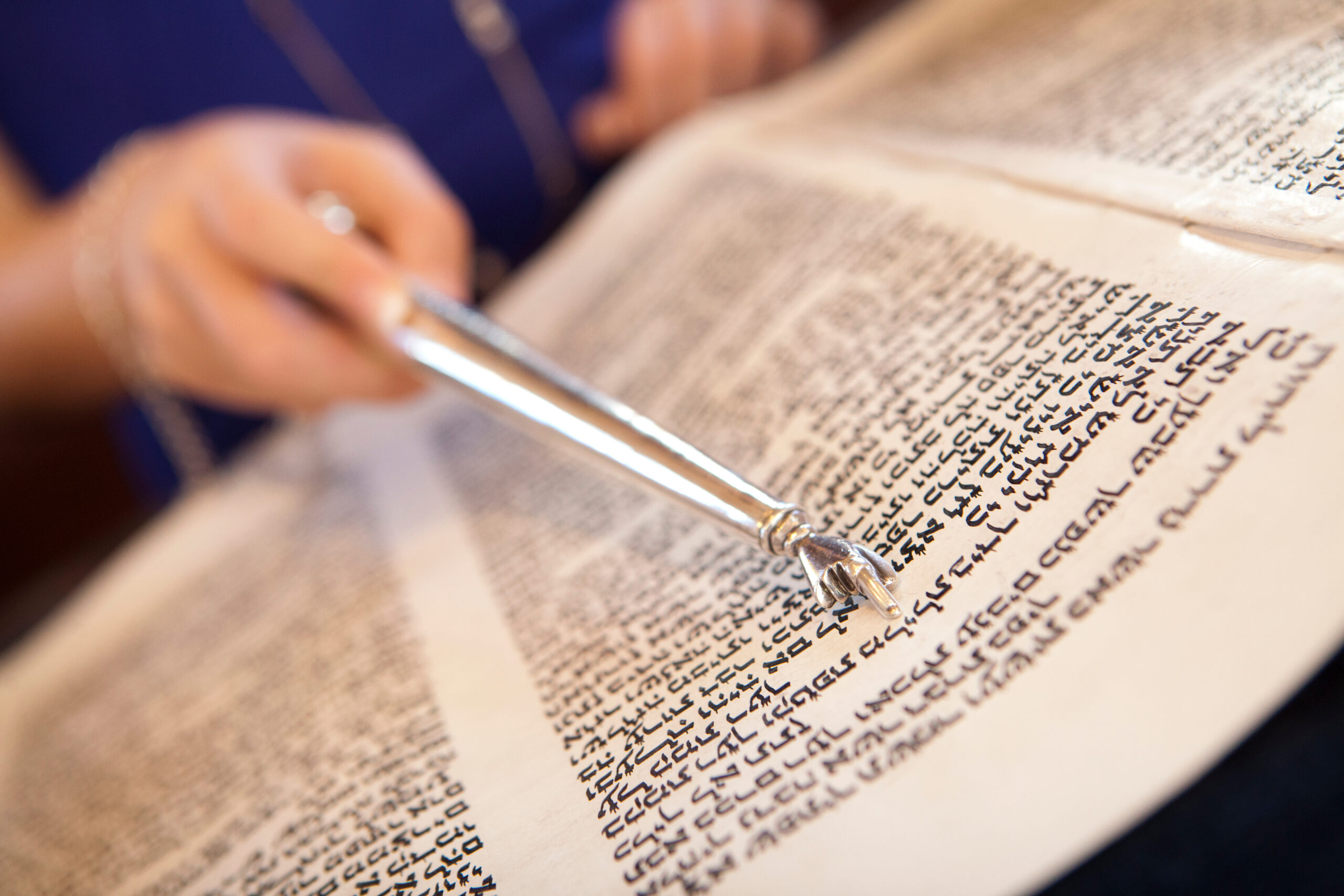
Torah and kippah on celebration Jewish Holiday Shavuot for Kosher dairy product

Why does the counting of the Omer end on Shavuot?

Counting the Omer (which you can learn more about here) occurs during the 50-day period between Passover and Shavuot. There are varying explanations, although one of the most common is that the 50-day period prepares us spiritually to remember the receiving of the Torah. According to the Sefer HaChinuch, a 13th-century Jewish text, the Israelites were only freed from slavery in Egypt in order to receive the Torah.


Is Shavuot mentioned in the Torah?

Yes, although Shavuot is referred to in the Torah by three different Hebrew names:

  • Chag HaShavuot (Festival of the Weeks, or Feast of Weeks)
  • Chag HaKatzir (Festival of the Harvest)
  • Yom HaBikkurim (Day of the First Fruits)


The literal translation of Shavuot is “Weeks,” which many believe alludes to the fact that the holiday occurs seven weeks after Passover, or Pesach, and is when the counting of the Omer concludesShavuot is also similar to the word for seven in Hebrew, adding another layer of significance. In English, Shavuot is also less commonly called the Feast of Weeks or the Pentecost (which is different from the Christian Pentecost holiday).


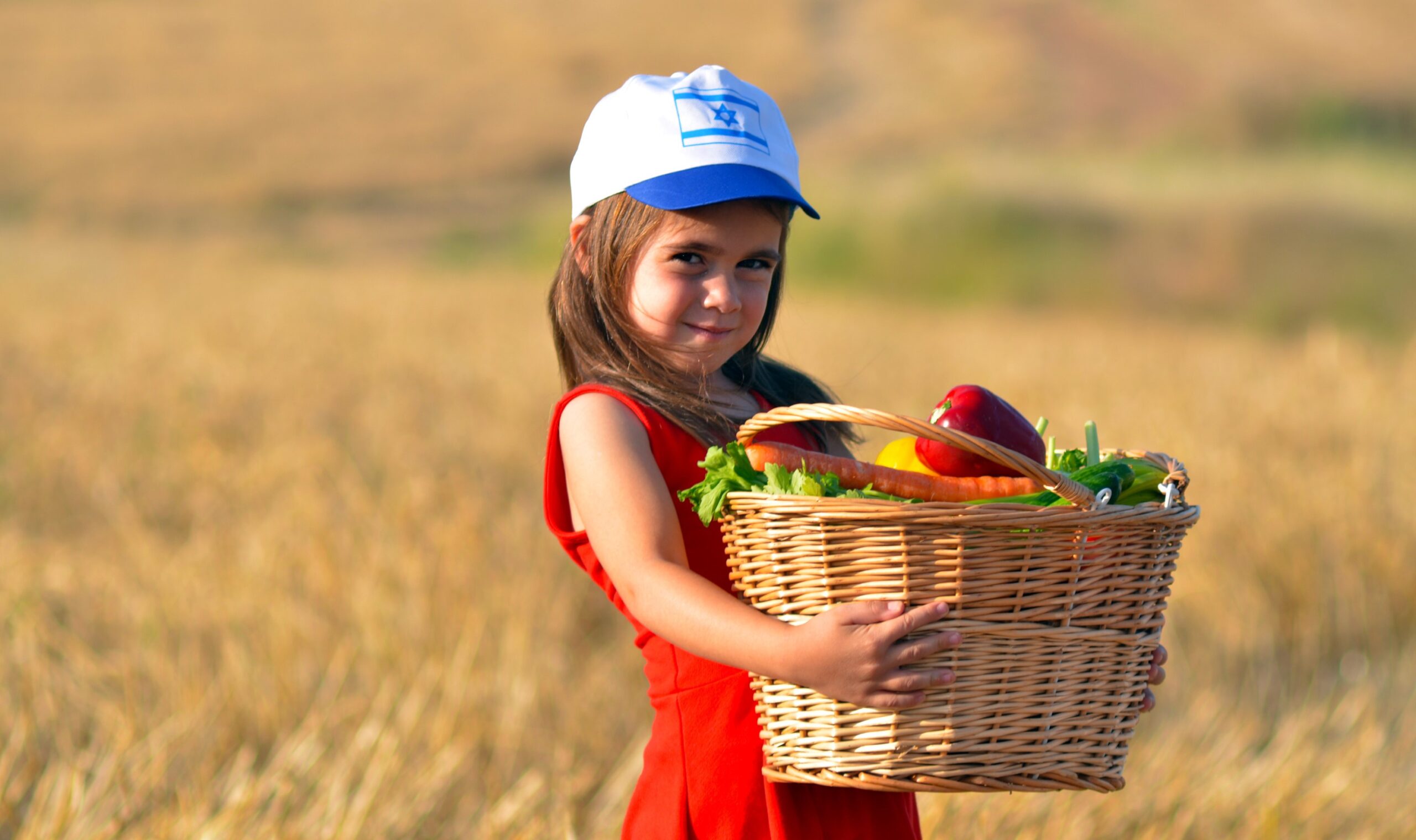
In the Torah, Shavuot was synonymous with the beginning of the ancient grain harvest, particularly wheat. When the Temple was still standing in Jerusalem, some of the harvested wheat was brought as an offering. Shavuot is one of the three Biblical agricultural festivals that involved bringing offerings to the Temple (the other two are Sukkot and Passover).

During Temple times, Shavuot was also the first day that farmers and others could bring fruits to be offered; they often brought the Seven Species of the Land of Israel to the Temple Priests. This is how Shavuot came to be known as Yom HaBikkurim.


Are Bikkurim still part of Shavuot celebrations?

Kibbutzim (communal farms) in Israel have often celebrated Shavuot by hosting special events for both kibbutz members and Israelis from across the country to enjoy and celebrate the farm’s harvest over the last year and the first fruits of the season, as well as honoring any babies born since last Shavuot. While this practice is less widespread now, Israelis still understand the day as a time to appreciate agricultural harvests and the significance of being able to harvest wheat, barley, dates, and other fruits in the Land of Israel.

Secular Israelis also mark Shavuot by enjoying dairy foods, fresh fruits, and a small feast of sorts together with family and friends.

However, since the ancient Temple is no longer standing, the first fruits and Seven Species cannot be offered like they had been in Biblical times.


Wait, I thought Shavuot had to do with the giving of the Torah to Moses and the Jewish people at Mount Sinai?

It does! These days, Shavuot is known as a late spring holiday that commemorates the giving of the Torah. It is celebrated at nightfall with a festive meal, followed by staying up all night, eating dairy foods, studying Torah and other traditional Jewish texts and topics, and then praying Shacharit (morning prayers) at one’s synagogue before going home to sleep. There are special holiday prayer services during the day as well.

However, the correlation between Shavuot and the receiving of the Torah at Mt. Sinai is not found in the Bible itself. The Sages, whose wisdom is found in the Babylonian Talmud, were the first to suggest that Shavuot should also mark the day that the Jewish people received the Torah and all of its commandments.


btn
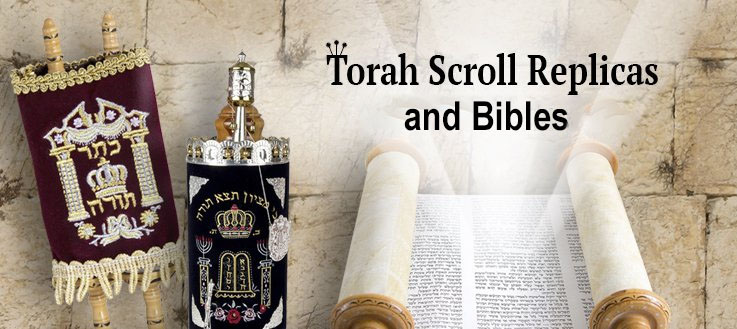
Torah scrolls and bibles
Celebrating Shavuot
Happy Shavuot - hebrew text, Jewish Holiday card, torah, traditional seven species fruits, barley, wheat, figs, grape, date palm fruit, olives, pomegranate vector, Pentecost, Israel

Why do we eat dairy during Shavuot?

There is not one single reason or moment in history that explains why dairy foods came to be synonymous with Shavuot. Some say it is because the Torah is compared to milk by King Solomon in the Song of Songs (which is read during Passover). Others say it is because before receiving the Torah at Mount Sinai, Jews were not obligated to keep kosher, and the first meal they opted for after the revelation of the mitzvot was a dairy meal. Others say that it’s because the gematria (Hebrew numerical value) of the word chalav (“milk” in Hebrew) is 40, which corresponds to the 40 days that Moses spent on Mount Sinai receiving the Torah from God.

While many Ashkenazi Jews associate Shavuot with blintzes and cheesecake, there are many Jewish communities around the world who have their own unique and ancient Shavuot recipes that have been passed down from generation to generation. If you want to switch up your menu by incorporating global Jewish cuisine, check out our list of 7 Shavuot recipes from around the world!


How do traditional Jews observe Shavuot?

The only clear Biblical requirement for Shavuot is that it is to be observed after Passover. Like any other chag or major Jewish holiday, traditional Jews refrain from working, using electricity, and other acts that are prohibited on Shabbat and holidays, although it is permitted to cook in certain ways once the holiday begins.

While every community has their own practice, the most widespread Shavuot tradition is eating dairy foods. Other common community observances involve reading the Book of Ruth, decorating synagogues and homes with flowers and other greenery, and staying up all night to learn. Many synagogues have shiurim (lectures) on interesting Jewish topics, while others will study a specific traditional text. These all-night study sessions are called a tikkun leil shavuot.

Shavuot is also observed by some communities as the yarzheit (death anniversary) of King David and the Baal Shem Tov (the founder of Hasidic Judaism).


Why is the story of Ruth associated with Shavuot?

There are several explanations that address why the story of Ruth, the great-grandmother of King David and traditionally considered the first person to convert to Judaism, is tied to Shavuot. One reason is because, as we stated before, Shavuot is understood as the day that King David died. Another reason is because Shavuot commemorates the giving of the Torah, with an overarching theme of the Israelites’ embrace of the commandments.

Ruth was a Moabite who chose to leave her own family and beliefs behind to follow Naomi and ultimately join the Israelites, take on Jewish traditions, and become part of the Jewish people by entering the covenant. The Book of Ruth explains this journey and is seen as a fitting story to remember during the holiday of Shavuot as we all contemplate and celebrate our own relationships to the Torah, Mount Sinai, God, and Jewish tradition.


How can I celebrate Shavuot 2026?

Reach out to your local synagogue, Jewish Community Center (JCC), or rabbi and find out if they are planning any celebrations or special learning events for the holiday!

Some people choose to celebrate Shavuot at home by having a festive meal, reading the Book of Ruth, buying flowers, studying Jewish texts, and making all sorts of dairy dishes and desserts.


Chag Shavuot Sameach from the entire Judaica Webstore team in Jerusalem!

And don’t forget to celebrate the giving of the Torah to the Jewish people with your very own Hebrew-English Bible or Torah scroll replica – straight from the Land of Israel!

btn
Bible-graphic_1200x628

JWS POST YOU MAY LIKE

Round challah for Rosh Hashanah with honey
Round Challah for Rosh Hashanah with Honey
Rosh Hashanah recipes
What Are the Best Rosh Hashanah Recipes for a Sweet New Year?
When is Rosh Hashanah in 2026? In 2026, Rosh Hashanah begins at sundown on Friday, September 11, and ends at nightfall on Sunday, September 13. It falls on 1–2 Tishrei 5787 in the Hebrew calendar. Food plays a central role in Rosh Hashanah observance and tradition, with rich symbolism woven
A Jewish man blowing the Shofar (ram's horn), which is used to blow sounds on Rosh HaShana (the Jewish New Year) and Yom Kippur (day of Atonement)
Rosh Hashanah in the Bible: Origins of the Jewish New Year
Rosh Hashanah – the Jewish New Year, coming up September 11-12, 2026 – is one of the most important and widely celebrated holidays in Judaism. But while many are familiar with its modern customs, from apples dipped in honey to the sounding of the shofar, fewer know about its biblical
Rosh Hashanah fun for kids
Rosh Hashanah Activities for Kids: Fun & Meaningful Holiday Ideas
Looking for fun ways to keep kids busy this Rosh Hashanah? Discover hands-on crafts, apple-and-honey taste tests, family games and creative activities you can make with AI – all designed to bring more fun and meaning to the holiday.
Pomegranates for Rosh Hashanah
Why Do We Eat Pomegranates on Rosh Hashanah?
Pomegranates are a popular fruit to eat during Rosh Hashanah and a significant symbol in Judaism year-round, often gracing Judaica and Jewish jewelry. Since Rosh Hashanah 2026 begins on September 11 at sundown, now is the perfect time to learn more about the significance and symbolism of the pomegranate in Judaism and Rosh Hashanah!
A Jewish man blowing the Shofar (ram's horn), which is used to blow sounds on Rosh HaShana (the Jewish New Year) and Yom Kippur (day of Atonement)
From Reflection to Renewal: The Deep Meaning of Yom Kippur
Yom Kippur, the Day of Atonement, is the holiest day of the Jewish year: a time of reflection, forgiveness, and renewal. In 2026, it begins at sundown on Sunday, September 20, and lasts through the following evening. Marked by fasting, prayer, and other austere restrictions, Yom Kippur is often seen