Search
Israeli flag

The Meaning of the Israeli Flag

You know what the Israeli flag looks like, but do you know what its colors, Star of David, and two stripes symbolize, and why they were chosen?

Read all about the deep meaning of the flag of Israel here.

While a flag is essentially a piece of cloth used to distinguish and identify regions, nations, organizations, etc., the choice of colors, designs, and symbols often makes it a work of art embedded with layers of deeper meaning.

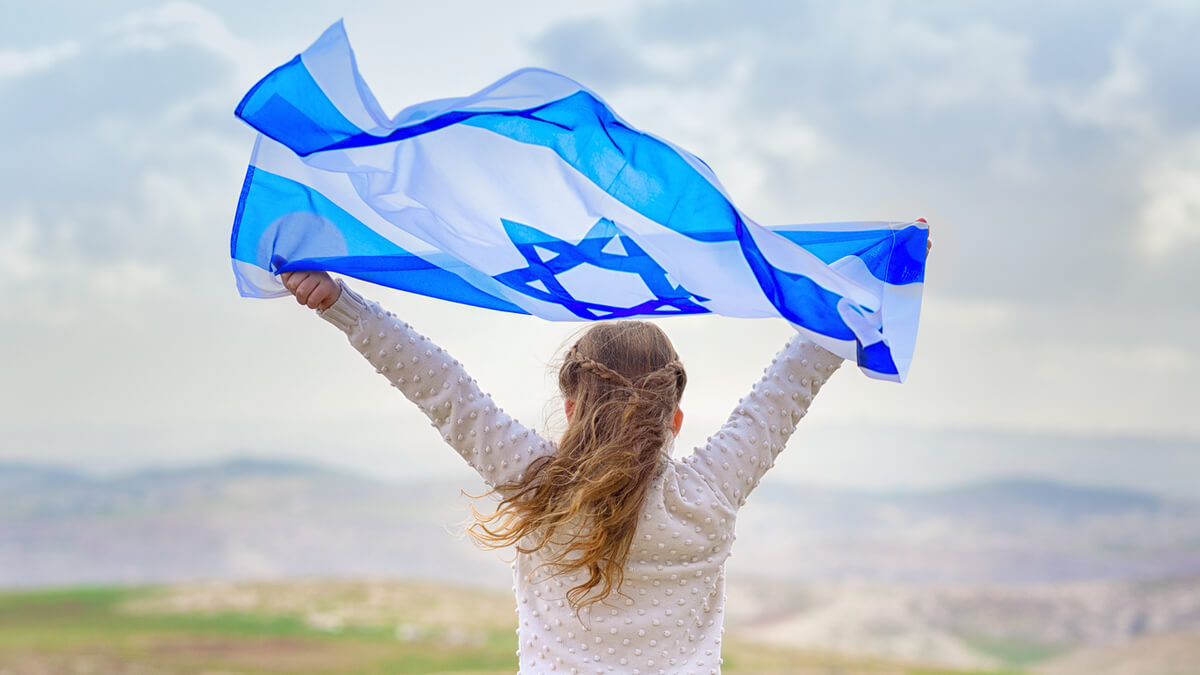
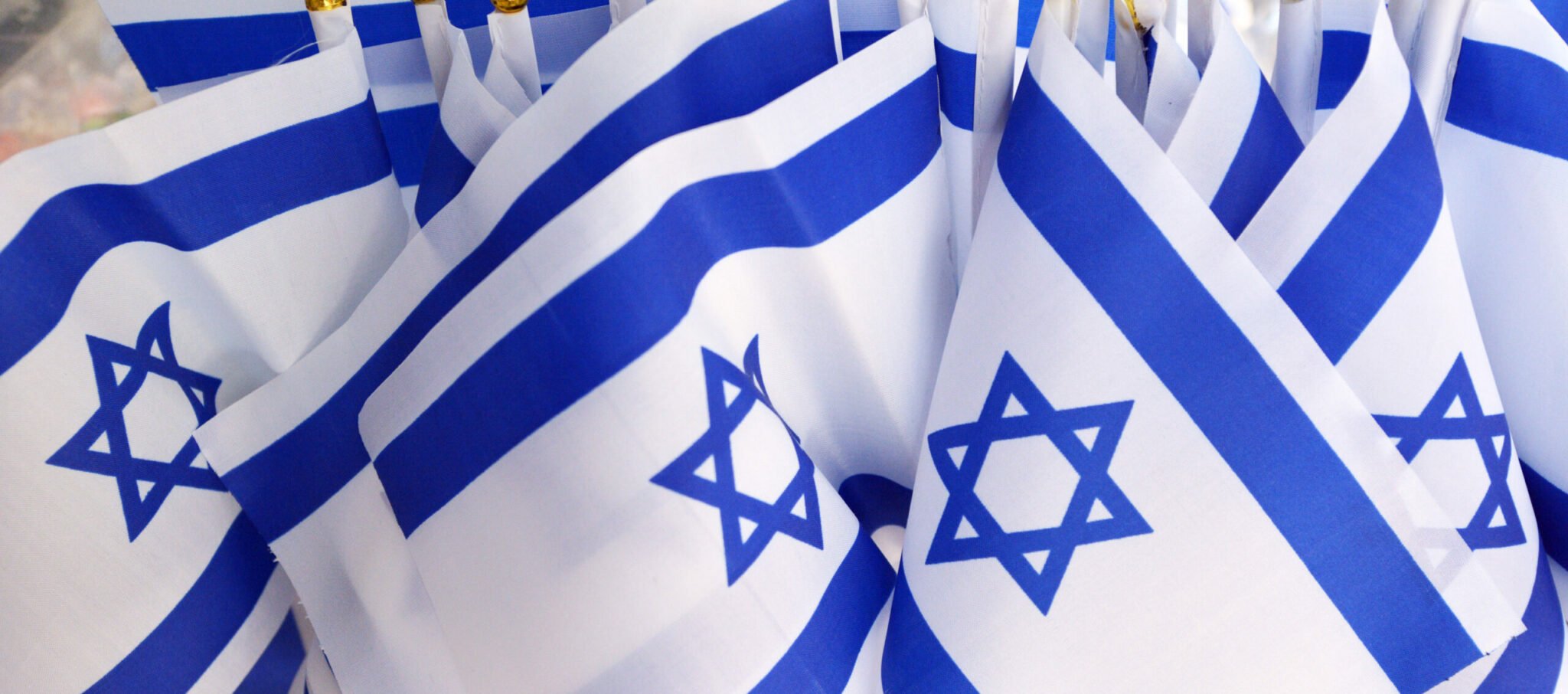
The Israeli flag depicts a blue hexagram (Star of David) on a white background, between two blue horizontal stripes.

Originally designed for the Zionist movement by David Wolfsohn (1856–1914), a Zionist leader from Lithuania, it had already become accepted by Jewish communities around the world as a symbol of Zionism by the time it was adopted at the First Zionist Congress in Basel in 1897.

Operation roaring lion unisex t-shirt

After the United Nations partition resolution on November 29, 1947, the Jewish community in Mandatory Palestine (the Yishuv) celebrated with this flag held high as their unifying symbol. It became the official state flag following Israel’s Independence the next year.

What do the colors and symbols on the Israeli flag mean exactly?

Israeli flags


Colors

White: Peace, purity, and innocence
Blue: Vigilance, perseverance, justice, prosperity, and freedom


Symbols

The Star of David

While the origins of the Star of David in Judaism are unclear, its elegant form and powerful symbolism have made it a constant presence in a variety of Jewish contexts since antiquity. It seems that its choice as a symbol of the Zionist movement stems from the late 18th century, when it began to emerge as a widespread emblem of Jewish identity.

In addition to what may have been the intention of the early Zionists, other interpretations of the two interlocked triangles make it a fitting symbol for the modern State of Israel, including rebirth, the harmonization of the spiritual and physical, and the relationship between God and humanity. Meanwhile, the Star’s 12 sides are often said to represent the 12 tribes of Israel.


The Blue Stripes

The blue stripes on the Zionist flag were inspired by the stripes on the tallit (prayer shawl) which are meant to recall the techelet of the ritual fringes (tzitzit). According to the Torah, one strand in the tzitzit should be dyed with techelet, the blue dye extracted from a sea animal called the chilazon, and placing techelet on the tzitzit was considered to have great spiritual power.

Rabbi Meir is quoted in the Talmud as saying: “Whoever observes the mitzvah of tzitzit is considered as if he greeted the Divine Presence, for techelet resembles the sea, and the sea resembles the sky, and the sky resembles God’s holy throne.”

Following the destruction of the Second Temple by the Romans in 70 CE and the subsequent exile, the identity of the source of the dye was lost. For over 1,300 years, most Jews wore only plain white tzitzit, as reflected in the Midrash: “Now we have only white, for the original techelet has been hidden.” (Midrash Bamidbar Rabbah 17:5)

The blue stripes, symbolizing Jewish identity and tradition, together with the Star of David, representing renewal and continuity, connect the State of Israel through its flag to the past, present, and future.

Show your support for Israel with your very own Israeli flag & fabulous flag-themed gifts here!

btn
Israeli flag gifts

JWS POST YOU MAY LIKE

Round challah for Rosh Hashanah with honey
Round Challah for Rosh Hashanah with Honey
Rosh Hashanah recipes
What Are the Best Rosh Hashanah Recipes for a Sweet New Year?
When is Rosh Hashanah in 2026? In 2026, Rosh Hashanah begins at sundown on Friday, September 11, and ends at nightfall on Sunday, September 13. It falls on 1–2 Tishrei 5787 in the Hebrew calendar. Food plays a central role in Rosh Hashanah observance and tradition, with rich symbolism woven
A Jewish man blowing the Shofar (ram's horn), which is used to blow sounds on Rosh HaShana (the Jewish New Year) and Yom Kippur (day of Atonement)
Rosh Hashanah in the Bible: Origins of the Jewish New Year
Rosh Hashanah – the Jewish New Year, coming up September 11-12, 2026 – is one of the most important and widely celebrated holidays in Judaism. But while many are familiar with its modern customs, from apples dipped in honey to the sounding of the shofar, fewer know about its biblical
Rosh Hashanah fun for kids
Rosh Hashanah Activities for Kids: Fun & Meaningful Holiday Ideas
Looking for fun ways to keep kids busy this Rosh Hashanah? Discover hands-on crafts, apple-and-honey taste tests, family games and creative activities you can make with AI – all designed to bring more fun and meaning to the holiday.
Pomegranates for Rosh Hashanah
Why Do We Eat Pomegranates on Rosh Hashanah?
Pomegranates are a popular fruit to eat during Rosh Hashanah and a significant symbol in Judaism year-round, often gracing Judaica and Jewish jewelry. Since Rosh Hashanah 2026 begins on September 11 at sundown, now is the perfect time to learn more about the significance and symbolism of the pomegranate in Judaism and Rosh Hashanah!
A Jewish man blowing the Shofar (ram's horn), which is used to blow sounds on Rosh HaShana (the Jewish New Year) and Yom Kippur (day of Atonement)
From Reflection to Renewal: The Deep Meaning of Yom Kippur
Yom Kippur, the Day of Atonement, is the holiest day of the Jewish year: a time of reflection, forgiveness, and renewal. In 2026, it begins at sundown on Sunday, September 20, and lasts through the following evening. Marked by fasting, prayer, and other austere restrictions, Yom Kippur is often seen