Search

What Was the Sanhedrin?

Have you ever wondered what was the famous Jewish Sanhedrin of Temple times, and what it did?

Read on to explore its fascinating and inspiring history!

The Sanhedrin holds a significant place in the annals of Jewish history, serving as one of the most prominent judicial and legislative bodies in ancient times. Rooted deeply in the traditions of Judaism and the Bible, the Sanhedrin played a pivotal role in shaping religious and legal practices within the Jewish community during Temple times, and continues to inspire and capture the imagination till this day.

Sanhedrin Meaning & History
Sanhedrin1

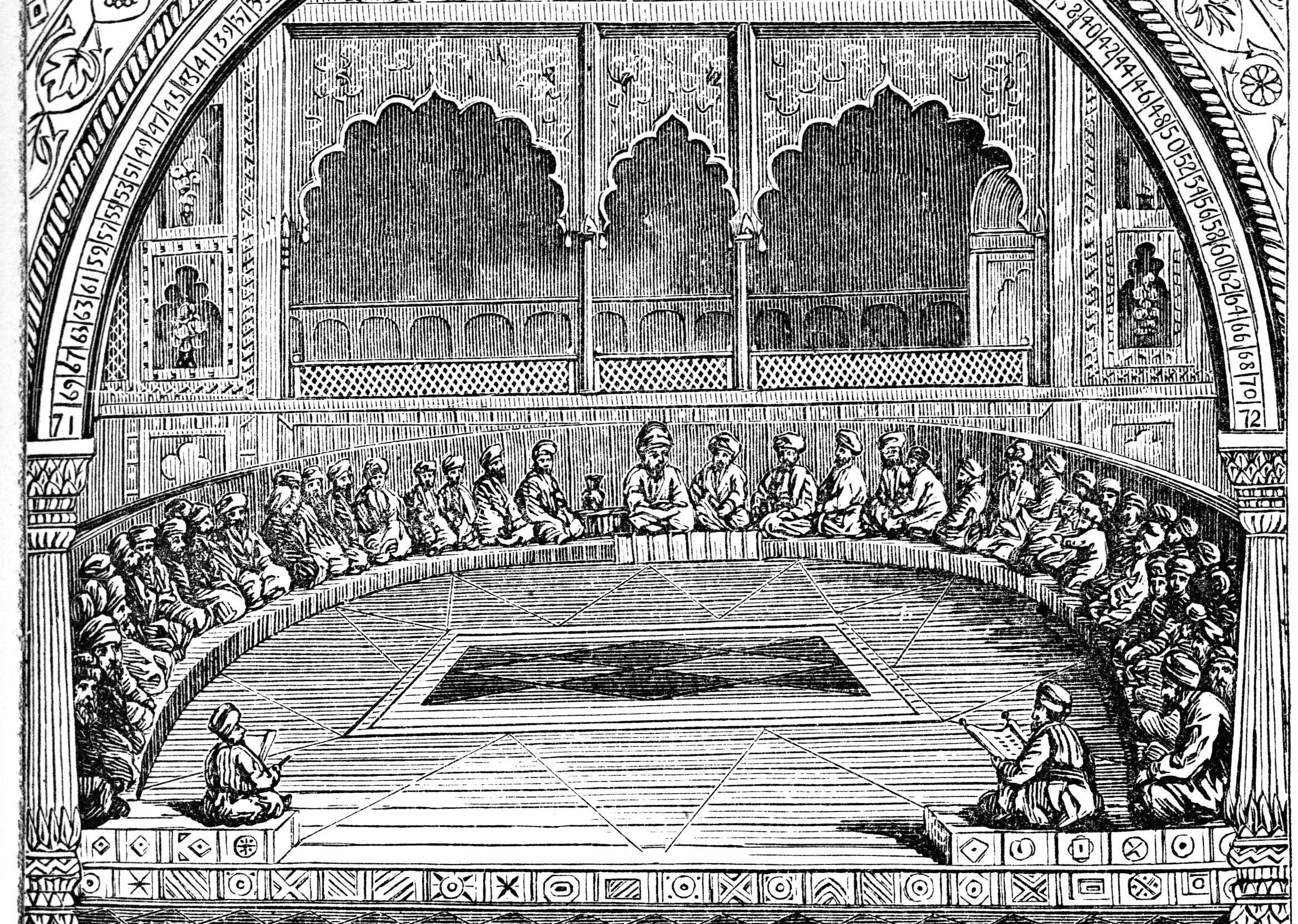
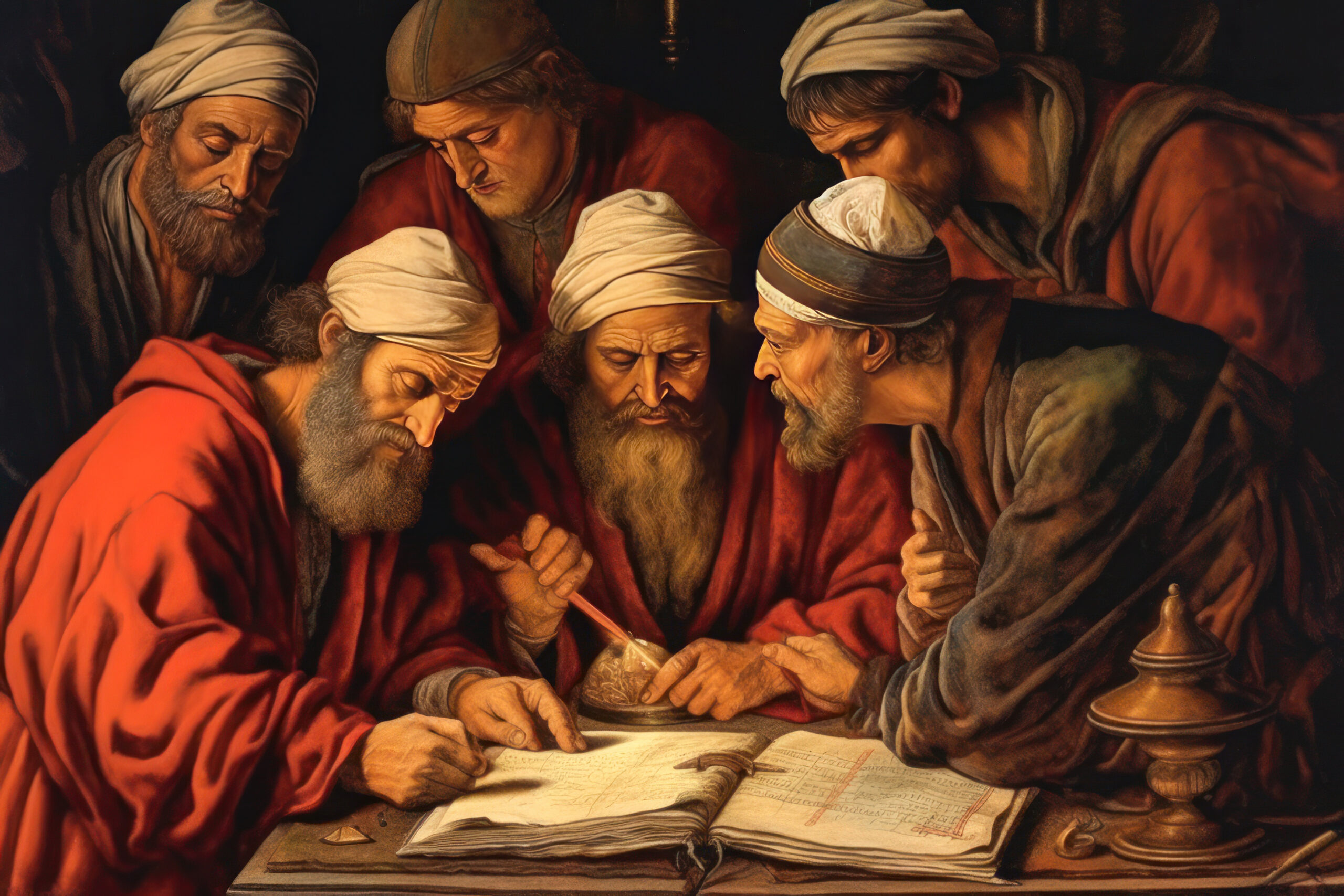
Illustration of ancient Jewish Sanhedrin council, from an 1883 encyclopedia 


The Sanhedrin, meaning "assembly" or "council" in Hebrew, traces its origins back to biblical times, with its heyday during the period of the Second Temple in Jerusalem. It was established as a supreme court, responsible for interpreting Jewish religious law (halakha) and resolving legal disputes among Jews.

The composition of the Sanhedrin varied over time but generally consisted of seventy-one members, including priests, scribes, and elders. Its leadership was comprised of a Nasi (president or literally "prince") and an Av Beit Din (literally "father of the court" but functionally more like a vice president), with other members representing different sects and regions within Jewish society. Together, they deliberated and ruled on matters pertaining to religious doctrine, civil law, and communal affairs.

The Sanhedrin had the authority to make significant changes to Jewish law at the time, and its rulings and methods are studied by Jews to this day.
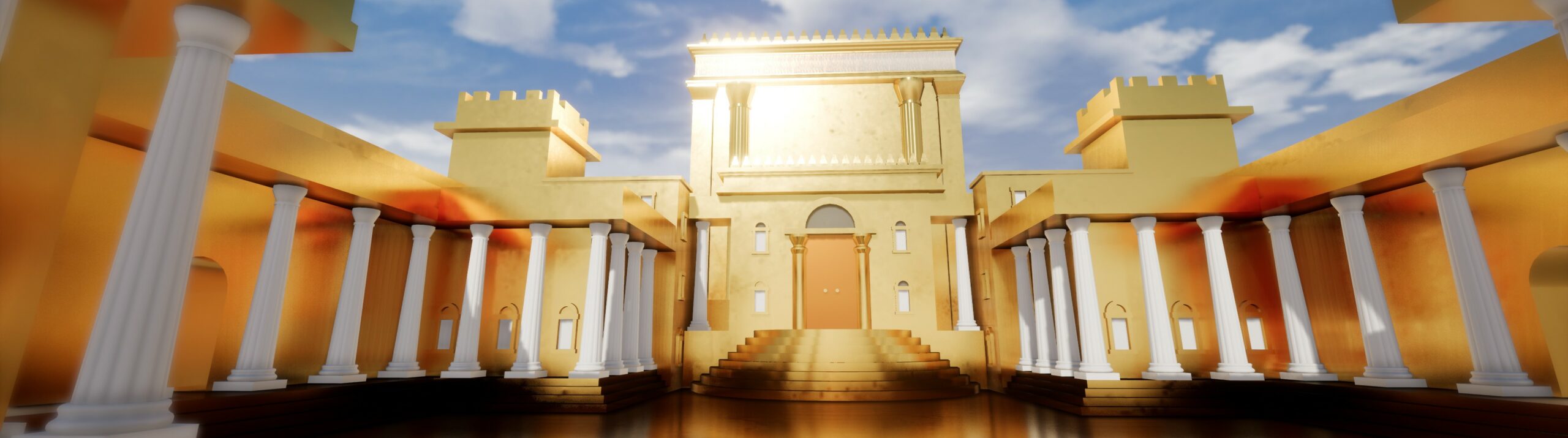


Following the destruction of the Second Temple by the Romans in 70 CE, the Sanhedrin underwent significant changes. While efforts were made to preserve its authority and traditions, the loss of the Temple and the dispersion of the Jewish people led to a decline in its influence. While the Sanhedrin continued to exist in various forms in different locations, its reduced authority and the lack of a centralized Temple or Jewish sovereignty rendered it difficult to maintain, and it soon dissolved.

In later centuries, some attempts were made to revive the Sanhedrin, particularly during the medieval and early modern periods. However, these were usually more symbolic efforts, and many Jews believe that we cannot have a fully revived Sanhedrin until the Holy Temple in Jerusalem is rebuilt.

Today, this historic Jewish supreme court remains an inspiring element of ancient Judaism, representing the rich heritage of Jewish jurisprudence and religious leadership. It also symbolizes the hope held by many religious Jews of one day rebuilding the Temple and reestablishing biblical modes of worship and governance including the Sanhedrin itself.


Connect with Jewish history and the Land of Israel like never before with our magnificent Jerusalem gifts by Israeli artists!

btn
Jerusalem-Gifts-CAT-M-2021

JWS POST YOU MAY LIKE

Round challah for Rosh Hashanah with honey
Round Challah for Rosh Hashanah with Honey
Rosh Hashanah recipes
What Are the Best Rosh Hashanah Recipes for a Sweet New Year?
When is Rosh Hashanah in 2026? In 2026, Rosh Hashanah begins at sundown on Friday, September 11, and ends at nightfall on Sunday, September 13. It falls on 1–2 Tishrei 5787 in the Hebrew calendar. Food plays a central role in Rosh Hashanah observance and tradition, with rich symbolism woven
A Jewish man blowing the Shofar (ram's horn), which is used to blow sounds on Rosh HaShana (the Jewish New Year) and Yom Kippur (day of Atonement)
Rosh Hashanah in the Bible: Origins of the Jewish New Year
Rosh Hashanah – the Jewish New Year, coming up September 11-12, 2026 – is one of the most important and widely celebrated holidays in Judaism. But while many are familiar with its modern customs, from apples dipped in honey to the sounding of the shofar, fewer know about its biblical
Rosh Hashanah fun for kids
Rosh Hashanah Activities for Kids: Fun & Meaningful Holiday Ideas
Looking for fun ways to keep kids busy this Rosh Hashanah? Discover hands-on crafts, apple-and-honey taste tests, family games and creative activities you can make with AI – all designed to bring more fun and meaning to the holiday.
Pomegranates for Rosh Hashanah
Why Do We Eat Pomegranates on Rosh Hashanah?
Pomegranates are a popular fruit to eat during Rosh Hashanah and a significant symbol in Judaism year-round, often gracing Judaica and Jewish jewelry. Since Rosh Hashanah 2026 begins on September 11 at sundown, now is the perfect time to learn more about the significance and symbolism of the pomegranate in Judaism and Rosh Hashanah!
A Jewish man blowing the Shofar (ram's horn), which is used to blow sounds on Rosh HaShana (the Jewish New Year) and Yom Kippur (day of Atonement)
From Reflection to Renewal: The Deep Meaning of Yom Kippur
Yom Kippur, the Day of Atonement, is the holiest day of the Jewish year: a time of reflection, forgiveness, and renewal. In 2026, it begins at sundown on Sunday, September 20, and lasts through the following evening. Marked by fasting, prayer, and other austere restrictions, Yom Kippur is often seen