

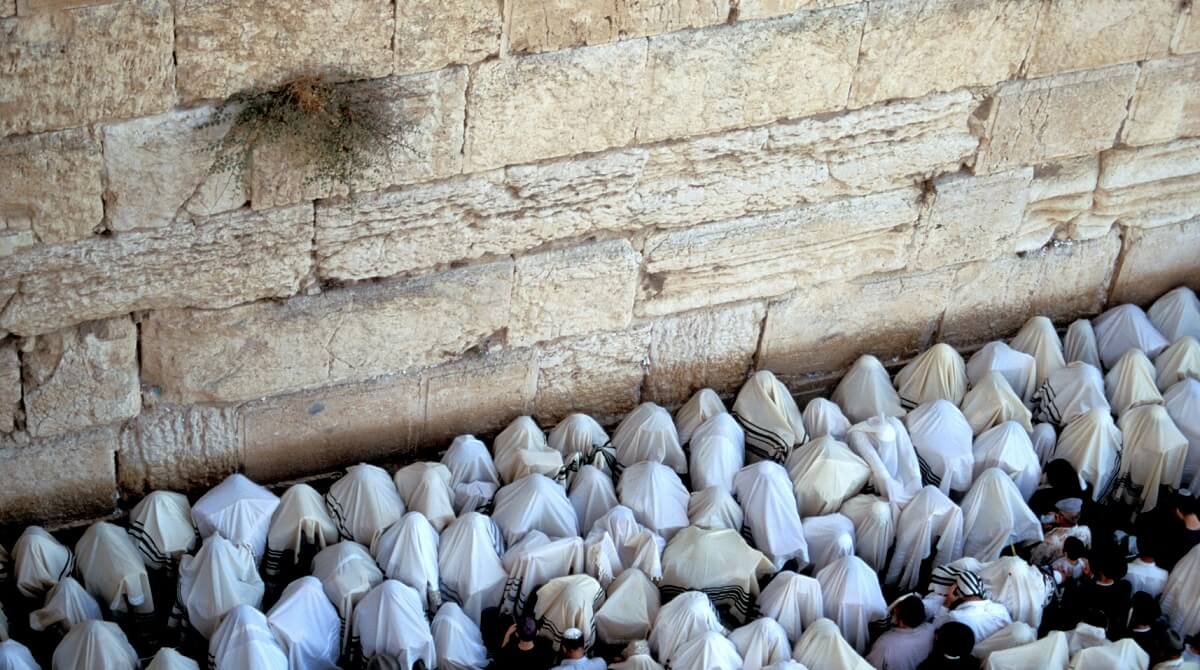
The Priestly Blessing, or Birkat Kohanim in Hebrew, is one of Judaism’s oldest and most cherished blessings, with a powerful mystical and protective tradition. It has been part of Jewish worship and prayer for thousands of years and continues to bring spiritual and emotional meaning while inspiring generations of artists.
Origins of the Priestly Blessing
This special prayer’s origins are in the Book of Numbers in the Torah, when God commands the High Priest Aaron and his sons to bless the Children of Israel. During the times of the Jerusalem Temple, the kohanim – the descendants of Aaron who served as priests – would recite this Priestly Blessing every day.
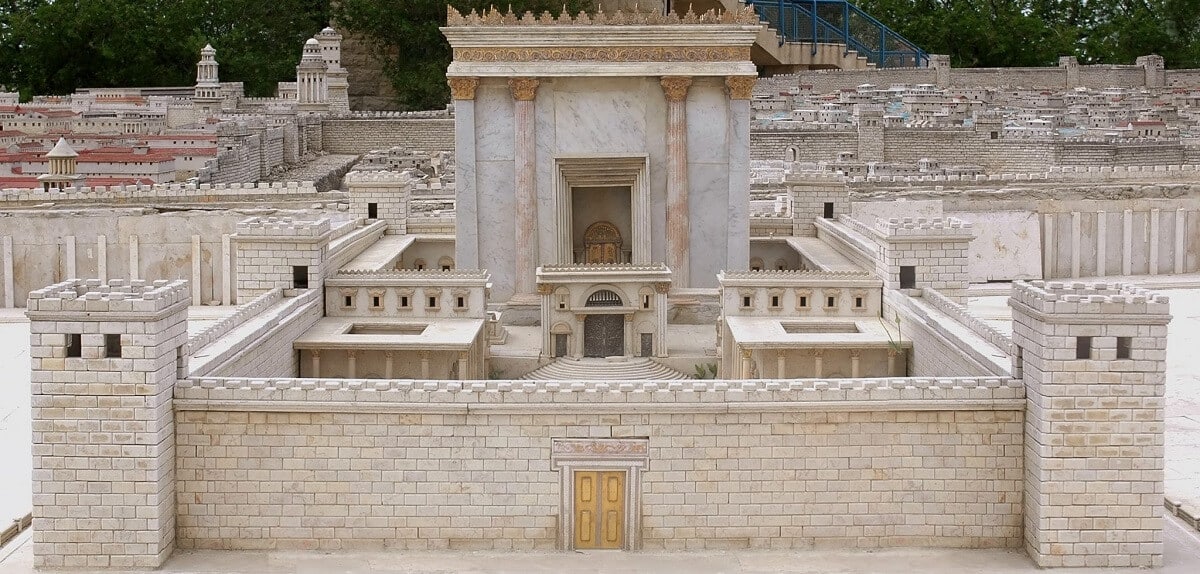
Its poignant words call for Divine protection and have given the Jewish people hope and a sense of God’s watchful eye for generations: “May the Lord bless you and keep you; may the Lord make his face shine on you and be gracious to you; may the Lord turn his face toward you and give you peace.”
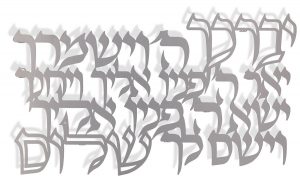
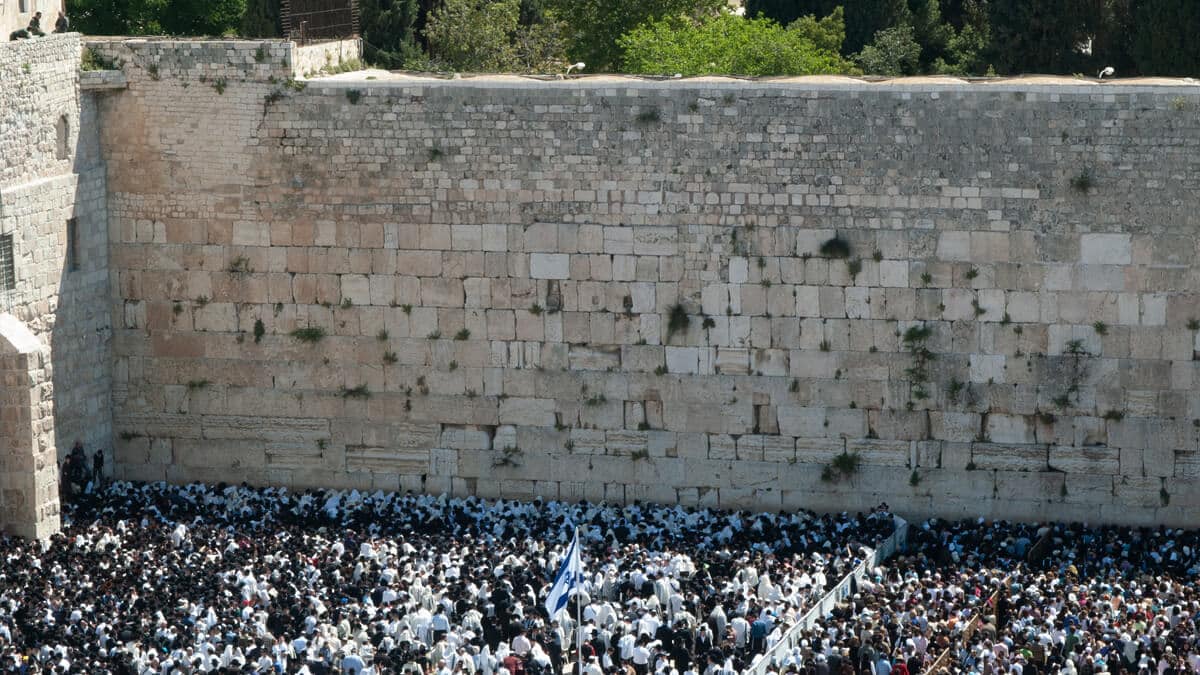
Till this day, the descendants of the kohanim continue to recite the blessing during synagogue services, every day in Israel and during the High Holidays in the diaspora, extending divine protection over the entire community. In fact it’s one of the closest remnants to original Temple service and to Biblical tradition that we have today!
Performing the Priestly Blessing
Kohanim, the descendants of the Temple Priests, are the only ones allowed to perform this sacred blessing before a congregation – usually only men, though some modern egalitarian communities allow female priestly descendants to perform it as well.
Those performing the Priestly Blessing are usually covered in a tallit while the congregation looks away, so that both those reciting and those listening have maximum concentration on the words. It’s accompanied by a special hand gesture: outstretched palms with a separation between the middle and ring fingers (like in the “Vulcan salute” in the show Star Trek, which was directly inspired by the Priestly Blessing!).

From the Sanctuary to Your Home
Few biblical passages have remained as unchanged and as deeply woven into Jewish life as the Priestly Blessing.
Every Friday night, just before the Shabbat meal begins, many Jewish parents around the world place their hands on their children’s heads and recite these very same words.
There are no modern edits or shortened versions. After a brief, beautiful introduction – wishing that sons grow to be like Ephraim and Manasseh, and daughters like Sarah, Rebecca, Rachel, and Leah – the blessing itself is recited exactly as it appears in the Torah, word for word.
The Ultimate Personal Touch
One of the most beautiful details of the Priestly Blessing is hidden in the original Hebrew. Every verb is written in the singular.
Rather than addressing the people as a crowd, the blessing speaks to each individual personally. It is as if every person stands alone before God.
The same is true when parents bless their children. As you place your hands on your child’s head, the world seems to disappear. There is only you, your child, and a timeless promise. You are telling them: Out of everyone in the world, this blessing is crafted uniquely for you.
The Secret Ingredient: Love
The Bible records the words of the blessing, but Jewish tradition reveals something even more remarkable: the spirit in which it must be given.
According to the Talmud (Sotah 39a), before the priests may pronounce the Priestly Blessing, they first recite a separate blessing thanking God for commanding them “to bless His people Israel with love” (b’ahavah).
Many Jewish thinkers, including Joseph B. Soloveitchik, have noted how extraordinary this requirement is. Throughout Jewish law, there is virtually no other commandment that explicitly instructs the person performing it to do so “with love.” A person can fulfill the obligation to give charity or eat matzah out of duty alone. But a blessing is different. It is meant to flow from genuine love, making the one who gives it a fitting channel for the Divine blessing itself.
Inspired by the Priestly Blessing
Even if you’re not a kohen, or if you don’t live in Israel and can’t hear the Priestly Blessing every day, there are still ways you can incorporate its powerful words into your daily life – for spiritual inspiration, connection to our ancient Biblical and Temple tradition, and invoking Divine protection and blessing:
- Adorn your home with a special sculpture, plaque, wall art, and other home decor inscribed with the Priestly Blessing
- Wear its poignant Hebrew words proudly on a t-shirt, whether with a more chic or traditional design
- Add an extra layer of meaning to your rituals with a beautiful tallit or tallit and tefillin bag set that’s embroidered with the Priestly Blessing
- Wear it on stunning, Israeli-made Priestly Blessing jewelry, appropriate for any gender and style

Priestly Blessing jewelry has been worn by Jews as a protective amulet for centuries, believed to grant Divine protection to the wearer, and is today also used to connect with Torah and one’s Jewish identity.
From necklaces to rings, and from bracelets to charms, Priestly Blessing jewelry comes in all sorts of shapes, sizes, styles, and budgets.
Shop our collection of beautiful Priestly Blessing jewelry from Israel, and see our Top 10 most stunning pieces here!